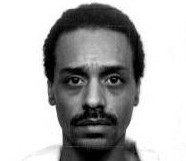
Windell Broussard
Murderer Brian Kevin Rosenfeld
Murderer · USA · 1985
Brian Kevin Rosenfeld Brian Kevin Rosenfeld was sentenced to three concurrent l…
23 victims
Brian Kevin Rosenfeld
Murderer · USA · 1985
Brian Kevin Rosenfeld Brian Kevin Rosenfeld was sentenced to three concurrent l…
23 victims
 Russell Ellwood
Murderer · USA · 1991
Russell Ellwood was a former taxi driver. Authorities suspected him of killing…
20 victims
Russell Ellwood
Murderer · USA · 1991
Russell Ellwood was a former taxi driver. Authorities suspected him of killing…
20 victims
 Robert Martines Perez
Murderer · USA · 1994
Name: Robert Martines Perez · Other name used in proceedings: Robert Martinez P…
15 victims
Robert Martines Perez
Murderer · USA · 1994
Name: Robert Martines Perez · Other name used in proceedings: Robert Martinez P…
15 victims
 Billy Frank Vickers
Murderer · USA · 1993
Billy Frank Vickers Vickers was executed by lethal injection in Texas on Januar…
14 victims
Billy Frank Vickers
Murderer · USA · 1993
Billy Frank Vickers Vickers was executed by lethal injection in Texas on Januar…
14 victims
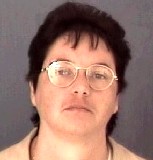 Kelly Gissendaner
Murderer · USA · 1997
Kelly Gissendaner was convicted in 1998 of recruiting her lover to kill her hus…
1 victim
Kelly Gissendaner
Murderer · USA · 1997
Kelly Gissendaner was convicted in 1998 of recruiting her lover to kill her hus…
1 victim
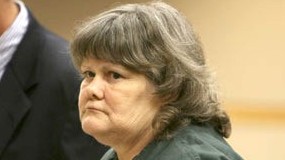 Barbara Burns
Murderer · USA · 2004
Name: Barbara Burns · Status: Plead guilty to manslaughter and receive 15 years…
1 victim
Barbara Burns
Murderer · USA · 2004
Name: Barbara Burns · Status: Plead guilty to manslaughter and receive 15 years…
1 victim
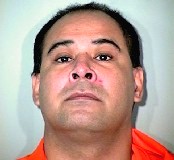 Samuel Villegas Lopez
Murderer · USA · 1986
Samuel Villegas Lopez was convicted in Arizona of first-degree murder, sexual a…
1 victim
Samuel Villegas Lopez
Murderer · USA · 1986
Samuel Villegas Lopez was convicted in Arizona of first-degree murder, sexual a…
1 victim
- Gender
- male
- Country
- USA
- Location
- Jefferson County, Texas, USA
- Date of birth
- March 5, 1960
- Age at first offence
- 32
- Characteristics
- parricide
- Victim profile
- His ex-wife, Dianna Broussard, and her son, Corey Harris, 10
- Method of murder
- St abbing with knife
- Date(s) of murder
- April 24, 1992
- Years active
- 1992
- Date of arrest
- Same day
- Status
-
Executed
Executed by lethal injection in Texas on January 30, 2002
Overview
Windell Broussard was convicted of capital murder for the killing of Dianna Broussard and Corey Harris during the same criminal transaction, and he was sentenced to death. He was executed by lethal injection in Texas on January 30, 2002.
Timeline
- April 24, 1992 — Dianna Broussard and Corey Harris were killed by stabbing in Port Arthur, Texas.
- June 29, 1993 — A jury found Broussard guilty of capital murder following a not guilty plea; following a separate punishment hearing, the court assessed a sentence of death.
- October 25, 1995 — Broussard’s conviction and sentence were affirmed by the Texas Court of Criminal Appeals.
- December 6, 1995 — The Court of Criminal Appeals denied rehearing.
- October 7, 1996 — The United States Supreme Court denied his petition for writ of certiorari.
- September 14, 1998 — The state court recommended the denial of habeas relief.
- December 2, 1998 — The Court of Criminal Appeals adopted the findings and denied habeas relief.
- February 26, 1999 — Broussard filed a petition for writ of habeas corpus in the United States District Court for the Eastern District of Texas, Beaumont Division.
- February 17, 2000 — The federal district court denied habeas relief.
- March 10, 2000 — Broussard sought the appointment of a new attorney and rehearing of his petition.
- March 16, 2000 — The district court appointed a new attorney for Broussard, but denied rehearing.
- August 29, 2000 — The federal court denied permission to appeal.
- April 27, 2001 — The United States Court of Appeals for the Fifth Circuit denied permission to appeal.
- June 6, 2001 — The Court of Appeals declined to rehear the case.
- January 14, 2002 — The Court of Criminal Appeals declined a stay pending appeal for DNA testing.
- January 30, 2002 — Broussard was executed by lethal injection in Texas.
The offence
Tocarra Harris, Broussard’s nine-year-old stepdaughter, testified that she was sleeping in the same bed with her mother, Dianna Broussard, and her nine-year-old brother, Corey Harris, in their Port Arthur, Texas home. She said she awoke to the sounds of screaming and saw both Dianna and Corey being stabbed by Windell Broussard. She testified that Broussard began to stab her as her mother and brother ran out of the house.
Tocarra testified that she heard her mother and brother scream, “Windell, stop.” She also testified that one side of her assailant’s face was illuminated by the bathroom light and that she recognized Windell Broussard. She said Broussard continued to stab her as her mother and brother ran out of the house.
At trial, Dianna Broussard’s mother testified that Dianna separated from Broussard because he beat her, and a week before the murders he threatened to kill her. Dianna’s uncle, Elton Harris, testified that a week before the killings he witnessed an argument between Dianna and Broussard’s girlfriend. When Broussard arrived, Dianna told him to leave. Elton Harris testified that Broussard responded that “before he would leave her he'd rather see her dead before anybody else would have her again.” Elton Harris testified that at Dianna’s request he installed a new padlock on her door; he said she lost the key and he saw Broussard in her house one week before the murders.
Cornell Bush testified that Broussard asked him to drive him to his wife’s house on the night of the murders. Bush testified that Broussard said something was “going on” between them and that Broussard “wanted to see if she was with some guy or something like that.” Bush testified that Broussard offered him money to use his car, which had dark tinted windows, and Bush refused. Bush testified that after driving past the victims’ house, he and Broussard returned to Bush’s house. Broussard eventually left in his company truck at 9 or 9:30 p.m.
Broussard’s aunt testified that at 11 or 11:30 p.m. on the night of the murders, Broussard came home wearing only his underwear. She testified that he “rushed in like something happened” and jumped up and down saying, “I did something.” When she asked him, “Did you kill somebody?” Broussard said, “Yes, I killed somebody.”
A Port Arthur Police crime scene technician testified that Dianna and Corey were found lying in the yard and that there was blood all over the house. The pathologist who examined the bodies found that each victim died from a stab wound to the heart and testified that they could have lived for five to 10 minutes after the wounds were inflicted.
Officer Jimmy Clark testified that when he arrived at the scene around 11 or 11:30 p.m., “a little bloody girl” (Tocarra Harris) was sitting just inside the door. A pack of Kool cigarettes was found on the bed, along with the missing key to Dianna’s padlock. A cap bearing the logo of Broussard’s employer was also found at the scene.
Tocarra was seriously wounded but survived and identified Windell Broussard as the assailant.
Investigation
Officer Jimmy Clark arrived at the scene around 11 or 11:30 p.m. and found Dianna Broussard and Corey Harris lying in the yard, with blood all over the house. Tocarra was found inside the front door area and was “a little bloody girl.” The investigation recovered a pack of Kool cigarettes from the bed, a missing key to Dianna’s padlock, and a cap bearing the logo of Broussard’s employer.
The pathologist testified that both victims died from stab wounds to the heart and that they could have lived for five to 10 minutes after the wounds were inflicted.
A narrative account within Broussard’s later statement also described the police action as including returning to Dianna’s house on three different occasions, as well as an account that police did not find a knife capable of creating the deadly injuries and that no one in the neighborhood mentioned seeing Broussard that evening.
Arrest
Broussard was arrested after the killings. One account described that within an hour of police arriving at the scene, Broussard, identified as Dianna’s estranged husband, was arrested for the murder. It described him as arrested while talking on the phone in a bedroom of his grandmother’s home, and it described searches of his person and clothing and a search of the truck available to him as failing to discover any trace of blood.
A narrative also described that the police claimed to have had probable cause, but that none was filed with the justice of the peace or the district clerk. It also described Broussard as suspected of stabbing death of his wife and stepson, Dianna Broussard and Corey Harris, with him separated from Dianna and living elsewhere.
Trial
Broussard entered a plea of not guilty. A jury found him guilty of capital murder.
On June 29, 1993, following a separate punishment hearing, the court assessed a sentence of death.
During trial testimony, Tocarra testified to seeing Dianna and Corey being stabbed and to hearing “Windell, stop.” She testified to recognizing Broussard by facial illumination from the bathroom light and to the continuation of stabbing after her mother and brother ran out of the house.
Dianna Broussard’s mother testified that Dianna separated from Broussard because he beat her and that a week before the murders he threatened to kill her.
Elton Harris testified about an argument between Dianna and Broussard’s girlfriend, Broussard’s response that “before he would leave her he'd rather see her dead before anybody else would have her again,” installation of a new padlock at Dianna’s request, Dianna losing the key, and Elton Harris seeing Broussard in her house one week before the murders.
Cornell Bush testified about driving to Dianna’s house on the night of the murders, Broussard’s statements that “going on” between them and “wanted to see if she was with some guy or something like that,” Broussard offering money to use Bush’s dark-tinted-window car, Bush refusing, driving past the house, returning to Bush’s house, and Broussard leaving in his company truck at 9 or 9:30 p.m.
Broussard’s aunt testified about Broussard coming home wearing only his underwear, jumping up and down saying “I did something,” and Broussard’s statement “Yes, I killed somebody” when asked “Did you kill somebody?”
The prosecution presented medical and scene testimony that the victims died from stab wounds to the heart, and that Tocarra survived and was found just inside the door as a “little bloody girl.”
Sentencing
After a separate punishment hearing, on June 29, 1993, the court assessed a sentence of death.
Appeals
Broussard’s conviction and sentence were affirmed by the Texas Court of Criminal Appeals on October 25, 1995.
The Court of Criminal Appeals denied rehearing on December 6, 1995.
The United States Supreme Court denied his petition for writ of certiorari on October 7, 1996.
Broussard filed an application for writ of habeas corpus in the trial court on August 19, 1997. The state court recommended denial of habeas relief on September 14, 1998.
On December 2, 1998, the Court of Criminal Appeals adopted the findings and denied habeas relief.
On February 26, 1999, Broussard filed a petition for writ of habeas corpus in the United States District Court for the Eastern District of Texas, Beaumont Division. The federal district court denied habeas relief on February 17, 2000.
Broussard sought the appointment of a new attorney and rehearing of his petition on March 10, 2000. On March 16, 2000, the district court appointed a new attorney for Broussard, but denied rehearing.
On August 29, 2000, the federal court denied permission to appeal. On April 27, 2001, the United States Court of Appeals for the Fifth Circuit denied permission to appeal. On June 6, 2001, the Court of Appeals declined to rehear the case.
On January 14, 2002, the Court of Criminal Appeals declined a stay pending appeal for DNA testing.
One ground raised in Broussard’s appeals concerned DNA testing on blood and fingernail samples taken from the victim’s home. The trial court declined the request, writing that Broussard’s attorneys had not shown a reasonable probability that the outcome of the case would have been different even if results from a DNA test were in his favor.
Defense attorneys also claimed that Tocarra Harris’ testimony was dubious because she was a child at the time and the house was dark. They also said Lessie Hardage had since recanted her testimony that Broussard confessed a murder to her.
Broussard maintained his innocence throughout his stay on death row.
Outcome
Broussard was executed by lethal injection in Texas on January 30, 2002.
The lethal injection was administered after Broussard’s statement, in which he said:
"I just want everyone to know this here is a tragedy. What happened to Dianna, Corey, and what is happening to me, is a tragedy. Here I am Lord, I have come to do your will."
Another account stated that Broussard was pronounced dead at 6:20 p.m., and that it occurred eight minutes after the flow of lethal drugs began.
Other details
Windell Broussard’s prior criminal history included convictions for aggravated kidnapping and aggravated robbery, assault, robbery, and assault on Dianna Broussard. He was on parole at the time of the murders.
A separate account described that in 1979, after pleading guilty to aggravated kidnapping and aggravated robbery, Broussard was sentenced to 10 years in prison and was paroled after 2½ years. In 1987, Broussard pleaded guilty and was convicted of assault and sentenced to 180 days in jail. Broussard was convicted again in 1990 of robbery and sentenced to nine and one-half years in prison, and in 1991 he received a sentence of 20 days for hitting Dianna Broussard in the face with his fist.
That account described that Broussard’s parole status at the time of the murder and his criminal record also included marijuana possession (30 days in jail), aggravated kidnapping (180 days in jail), and driving with a suspended license (6 months probation). It also described a return as a parole violator in August 1986, release in October, and that he was paroled after serving three months for robbery.
Another account described Broussard as previously being in prison three times and noted sentences connected to kidnapping and robbery.
The cap and Kool cigarettes were recovered at the scene, and the missing key to the padlock was recovered as well.
Broussard’s later statement included allegations about the investigation and trial process, including that he was arrested at his grandmother’s house where he was living, that he maintained his innocence from the beginning, that his trial was unfair, and that his trial attorney was denied access to the State’s main chief witness, Toccara Harris. In that statement, he described questioning of Toccara during the trial and included the following quoted exchange:
Mrs. Morris-Danials, State Attorney : How do you know that they were getting stabbed? What did you see?
Toccara : All I seen was a hand going up and down. I couldn't see the murder weapon. I saw a hand on his face.
Mr. Jim DeLee, Defense Counsel : Do you remember what the person looked like that night? Do you remember what they were wearing?
Toccara : No. (from the innocence/guilt phase of the trial, Vol. 15, n° 64332)
He also wrote that when Toccara was “presed further” she said “I couldn't see,” and that his appeals continued to claim she saw him committing the murders “this simply isn't the case.” He stated that there was “There wasn't any physical evidence or expert testimony that would link me to this crime scene,” that no blood was found on him or his belongings, and that no fingerprints were found “not even on this package of Kool cigarettes they claimed at trial was mine.” He described that he believed DNA testing had not been done at the original trial and that an objective investigation had not been conducted on his behalf.
A later account described Broussard’s defense as focusing on what continued to be a disturbing trend in Texas capital cases: a conviction based on single eyewitness testimony, and it stated that he argued his stepdaughter was overly suggestible and that police had programmed her with the idea that he was the assailant. It also stated that he argued she was unable to visually identify him as the murderer.
An assistant district attorney, Wendell Radford, was quoted as saying:
"It was horrible, horrible," Wendell Radford, the Jefferson County assistant district attorney who prosecuted Broussard, said this week. "He had slashed the hell out of them. Anyone that brutally stabs a mother and child to death while they sleep deserves to die."
The execution was described as witnessed by four relatives of Dianna Broussard.
A number of organizations and webpages were referenced in the material, but they did not add additional case facts beyond the execution scheduling and related statements already included.
Spotted an error, or have more information about this case?