
David Camm
Justice miscarriage Cynthia George
Justice miscarriage · USA · 2001
Cynthia George was 53 at the time of her release. She faced national media scru…
0 victims
Cynthia George
Justice miscarriage · USA · 2001
Cynthia George was 53 at the time of her release. She faced national media scru…
0 victims
 Cynthia Sommer
Justice miscarriage · USA · 2002
Cynthia Sommer was convicted of first-degree murder with the “special circumsta…
0 victims
Cynthia Sommer
Justice miscarriage · USA · 2002
Cynthia Sommer was convicted of first-degree murder with the “special circumsta…
0 victims
 Nicholas Yarris
Justice miscarriage · USA · 1981
Nicholas Yarris Nicholas Yarris was sentenced to death on January 23, 1983. His…
0 victims
Nicholas Yarris
Justice miscarriage · USA · 1981
Nicholas Yarris Nicholas Yarris was sentenced to death on January 23, 1983. His…
0 victims
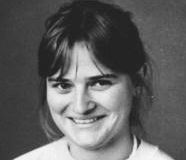 Olivia Riner
Justice miscarriage · USA · 1991
Olivia Riner was a Swiss au pair accused in the arson death of 3-month-old Kris…
0 victims
Olivia Riner
Justice miscarriage · USA · 1991
Olivia Riner was a Swiss au pair accused in the arson death of 3-month-old Kris…
0 victims
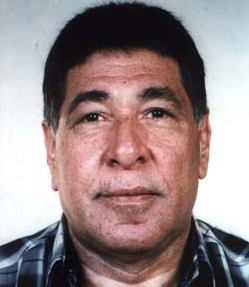 Gameel Al-Batouti
Mass murderer · USA · 1999
Gameel Al-Batouti (also rendered “Gamil ElBatouty” or “El Batouty” in U.S. offi…
216 victims
Gameel Al-Batouti
Mass murderer · USA · 1999
Gameel Al-Batouti (also rendered “Gamil ElBatouty” or “El Batouty” in U.S. offi…
216 victims
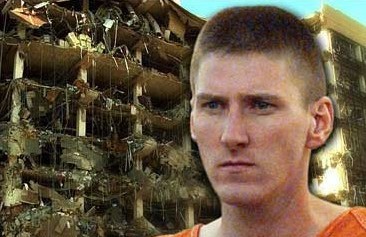 Timothy McVeigh
Mass murderer · USA · 1995
Timothy James McVeigh (April 23, 1968 – June 11, 2001) was a United States Army…
168 victims
Timothy McVeigh
Mass murderer · USA · 1995
Timothy James McVeigh (April 23, 1968 – June 11, 2001) was a United States Army…
168 victims
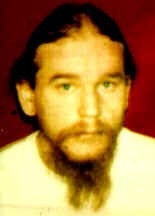 John William Rook
Murderer · USA · 1980
John William Rook was tried for first-degree rape, kidnapping, and first-degree…
1 victim
John William Rook
Murderer · USA · 1980
John William Rook was tried for first-degree rape, kidnapping, and first-degree…
1 victim
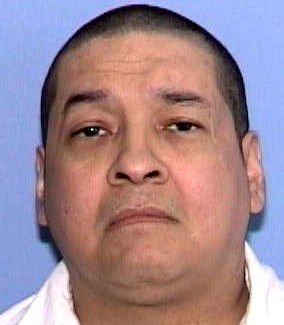 Juan Segundo
Murderer · USA · 1986
Juan Segundo was a Hispanic male. He had black hair, was 5' 5" tall, weighed 18…
1 victim
Juan Segundo
Murderer · USA · 1986
Juan Segundo was a Hispanic male. He had black hair, was 5' 5" tall, weighed 18…
1 victim
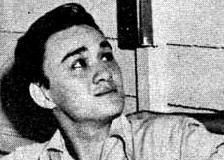 Narding Anzures
Murderer · Philippines · 1948
Bernardo “Narding” Anzures was a Filipino former child actor who was tried and…
2 victims
Narding Anzures
Murderer · Philippines · 1948
Bernardo “Narding” Anzures was a Filipino former child actor who was tried and…
2 victims
 Taiana Matheny
Murderer · USA · 2005
Taiana Matheny was a Tucson woman accused of luring two Omaha, Neb., men to the…
2 victims
Taiana Matheny
Murderer · USA · 2005
Taiana Matheny was a Tucson woman accused of luring two Omaha, Neb., men to the…
2 victims
 Travis Lee Gibson
Murderer · USA · 2000
Travis Lee Gibson received sentences of death on 2001. On automatic and direct…
1 victim
Travis Lee Gibson
Murderer · USA · 2000
Travis Lee Gibson received sentences of death on 2001. On automatic and direct…
1 victim
 Yoselyn Ortega
Murderer · USA · 2012
Yoselyn Ortega was a nanny who was charged in New York City with killing two yo…
2 victims
Yoselyn Ortega
Murderer · USA · 2012
Yoselyn Ortega was a nanny who was charged in New York City with killing two yo…
2 victims
- Gender
- male
- Country
- USA
- Location
- Georgetown, Indiana, USA
- Date of birth
- January 1, 1964
- Age at first offence
- 36
- Characteristics
- parricide, child killer, rape, abuse, attempt to collect insurance money
- Victim profile
- His wife, Kimberly Camm, 35, and their children, Bradley, 7, and Jill, 5
- Method of murder
- Shooting
- Date(s) of murder
- September 28, 2000
- Years active
- 2000
- Date of arrest
- 3 days after
- Status
-
Acquitted / overturned
Found not guilty of all charges by a jury on October 24, 2013
Case record: David Camm
David R. Camm was a former Indiana State Trooper who was acquitted after three trials for the murder of his wife and two children at their Georgetown, Indiana home on September 28, 2000.
People
- David R. Camm — defendant; former Indiana State Trooper
- Kim Camm — wife; victim
- Bradley Camm — son; victim
- Jill Camm — daughter; victim
- Charles Boney — identified suspect; later convicted for the murders in a separate trial
- Keith Henderson — prosecutor in later proceedings
- Stan Faith — prosecutor in earlier proceedings
- Judge Robert Aylsworth — presided at Camm’s second trial; issued directed verdict dismissing the conspiracy charge after the state rested
- Special Judge Jonathan A. Dartt — appointed to handle Camm’s third trial
- Special Prosecutor Stanley Levco — appointed special prosecutor
- Lynn Scamahorn — DNA analyst from the Indiana State Police
- Dr. Betty Spivack — forensic pediatrician with the Kentucky Medical Examiner’s Office
- Robert Stites — testified for the prosecution in Camm’s third trial
- Robert Shaler — consultant and former head of the New York City Medical Examiner’s forensic serology laboratory
Timeline
- September 28, 2000 — Kim Camm and their children, seven-year-old Brad and five-year-old Jill, were discovered shot at their home in Georgetown; the shooting took place in the garage.
- October 1, 2000 — David Camm was arrested by Indiana State Police and charged with three counts of murder.
- January 14, 2002 — Camm’s first trial began in Floyd County with a jury brought in from Johnson County.
- March 17, 2002 — the jury found Camm guilty on all three counts.
- April 11, 2002 — Camm was sentenced to 195 years in prison.
- August 10, 2004 — the Indiana Court of Appeals reversed Camm’s three convictions.
- February 25, 2005 — Charles Boney spoke to WAVE 3.
- March 5, 2005 — Boney was arrested and charged with murder and conspiracy to commit murder.
- May 28, 2005 — Camm won a ruling from the Indiana Supreme Court to have his retrial moved again to Warrick County, Indiana.
- January 9, 2006 — both Camm and Boney were scheduled to begin trial in the separate proceedings referenced.
- January 26, 2006 — Boney was found guilty of the murders of the Camm family and conspiracy to commit murder.
- February 23, 2006 — Boney was sentenced to 225 years.
- March 3, 2006 — the jury found Camm guilty in his second trial.
- March 7, 2006 — jurors explained at a press conference that Dr. Betty Spivack’s testimony convinced them not only that Jill had been molested, but that her father was responsible.
- March 29, 2006 — Camm was sentenced to life without parole.
- June 2009 — the Indiana Supreme Court reversed the second conviction.
- November 30, 2009 — the attorney general’s request for a rehearing of Camm’s appeal was denied.
- December 2009 — Keith Henderson refiled charges against Camm.
- June 2010 — attorneys for Camm asked the Indiana Supreme Court to appoint a special judge.
- July 2010 — the Indiana Supreme Court appointed Spencer Circuit Judge Jonathan A. Dartt as a special judge for Camm’s third trial.
- February 2011 — the defense moved to have Keith Henderson removed because he had signed a deal to write a book about the shooting of Camm’s family for which he was paid $4,000 in advance.
- November 2011 — the Indiana Court of Appeals found the trial court erred in denying Camm’s petition for a special prosecutor and ruled that a special prosecutor should be appointed.
- February 2012 — Stanley Levco was appointed special prosecutor.
- March 13, 2013 — arguments were heard over how much testimony Boney should be allowed to give.
- April 19, 2013 — both sides accused the other of delaying and withholding information on expert witnesses and other details about evidence, and conceded that a postponement of the trial was a possibility.
- May 8, 2013 — Dartt agreed to allow defense lawyers to have additional DNA testing on the blood-stained T-shirt Camm wore the day his family was murdered.
- August 19, 2013 — the third trial commenced.
- October 24, 2013 — a jury found Camm not guilty of all charges.
Background
David Camm was from a large and prominent family in the county and had been a state trooper for many years. He had quit the force several months earlier to work for a family business that waterproofed basements. He was in custody from October 2000 until his acquittal on October 24, 2013, mostly at the Pendleton Correctional Facility near Indianapolis, except in early 2005 when he was out on bond between his first and second trials.
The case involved the murder of his wife and their children at their Georgetown, Indiana home on September 28, 2000.
The offence
On the evening of Thursday, September 28, 2000, Kim and their children, seven-year-old Brad and five-year-old Jill, were discovered shot at their home in Georgetown. The shooting took place in the garage.
Camm’s version of events was that he was playing basketball at a nearby church from 7:00 p.m. until approximately 9:20 p.m., after which he drove home and found Kim, whom he immediately thought was dead, lying on the ground next to her Bronco. He then claimed to have looked inside the vehicle and found Jill and Brad. Camm thought Brad might still be alive, reached in over Jill, removed him from the Bronco, placed him on the garage floor next to Kim, and began performing CPR. When that proved futile, Camm said he called the Sellersburg Indiana State Police post for help, then ran across the street to his grandfather’s house to tell his uncle what had happened.
A possible timeframe for when the family was killed was thought to be soon after 9:15pm. A probable cause affidavit listed a set of evidence points, including a witness statement that between 9:15 p.m. and 9:30 p.m. she heard three distinct sounds that could be interpreted as gunshots. It was also reported that a witness heard three gunshots near the home of former state trooper David Ray Camm minutes after Camm reportedly left a basketball game with his friends, according to a probable-cause affidavit.
Investigation
Police presented physical evidence centered on alleged blood droplets found on Camm’s shirt, which a blood spatter expert believed were high velocity impact spatter resulting from a gunshot. Based in part on this evidence, on October 1, 2000, the State charged Camm with three counts of murder.
The case also involved forensic testimony that Jill had been molested. The prosecution used Jill’s genital injuries and other related evidence to argue that Jill was sexually molested sometime before she was murdered, though Camm’s defense disputed the connection between Camm and Jill’s alleged injuries.
In the described proceedings leading to the later re-trials and reversals, DNA and other forensic matters also became central, including:
- an unidentified male DNA found on a sweatshirt left at the crime scene that was later matched to Charles Boney,
- blood-related DNA testing and disputes in multiple trials involving Camm’s shirt and related items.
Arrest and charges
On Sunday, October 1, Camm was arrested by Indiana State Police and charged with three counts of murder.
Later proceedings described the re-filing of charges after reversals, including charges refiled by the prosecutor in November 2004 and later December 2009, and further charges refiled after the Indiana Supreme Court reversed Camm’s second conviction in June 2009.
Trial
First trial (2002)
Camm’s first trial began on January 14, 2002, in Floyd County with a jury brought in from Johnson County.
The medical examiner estimated the family was killed about 8 p.m. The prosecution argued that eight tiny bloodstains on the shirt Camm was wearing on the night of the murder were blood spatter from the shot that killed Jill. Camm’s attorneys argued they were transferred onto his shirt when he checked his children after discovering their bodies.
Eleven witnesses testified that they were in the gym with Camm on the night of the murders from 7 to 9 p.m.
The prosecution claim in opening argument that Camm made a phone call from his house at 7:19 p.m. was found to be incorrect upon examination of a Verizon employee. The employee testified that due to a software error concerning Indiana’s unusual time zones, the call was placed instead at 6:19 p.m., when Camm said he was at home and before he left to play basketball.
The jury found Camm guilty on March 17, 2002.
Camm was sentenced to 195 years in prison on April 11, 2002.
First appeal (2004)
In August 2004, the Indiana Court of Appeals overturned the conviction, citing the trial judge’s decision to allow testimony from a dozen women who claimed they had affairs with Camm or had been propositioned by him. The court concluded that this unfairly biased the jury because the prosecutor did not adequately connect those relationships with the murders.
The Indiana Court of Appeals opinion dated August 10, 2004 reversed. It held that the trial court abused its discretion by allowing the State to introduce evidence of Camm’s adulterous conduct in the State’s case-in-chief because the tie between such evidence and motive, or anything other than portraying Camm as “bad,” was too strained and remote. It concluded that even if minimal probative value existed, the prejudicial effect substantially outweighed it under Evidence Rule 403. The court also addressed a rebuttal testimony from a female guard at the jail where Camm was awaiting trial, concluding that rebuttal testimony was improper.
The appellate court also discussed:
- the admission of Kim’s friend testimony that Kim reportedly said “History is repeating itself,” and concluded that this statement was inadmissible,
- the admission of evidence about a 1994 incident where Camm lost his temper and caused minimal property damage in Kim’s absence,
- the admission of evidence that Jill had possibly been molested hours before her death, including guidance that on retrial the trial court would need to carefully consider whether the highly inflammatory nature of the evidence substantially outweighed its probative value,
- the handling of an expert’s testimony and disclosure issues involving William Chapin,
- the trial court’s refusal to allow Camm to introduce a photograph taken at Jill’s autopsy showing an exit wound in her head and shaved hair and blood transfer.
Second trial (2006)
After the remand and further proceedings, a second trial took place with opening arguments on January 17, 2006.
In opening arguments, Prosecutor Keith Henderson argued that Kim discovered her husband was molesting their daughter, and Camm killed his family to cover up the crime. During the trial, Kim’s friends testified about upset in the weeks before the murder and planning to take her children on a trip to Florida. The defense countered that there was no evidence tying David to his daughter’s injury and argued that Kim had been reported happy and did not mention any pain in a dance class the day of the murder. The defense also argued that Kim did not tell anyone of unhappiness with her husband and had just finished remodeling their bedroom prior to the murder.
Judge Robert Aylsworth issued a directed verdict dismissing the conspiracy charge after the state rested on February 13.
The trial developed into a “battle of experts.” The prosecution’s blood spatter experts testified that blood droplets on Camm’s T-shirt were high velocity impact spatter and could only have been deposited if the defendant was within four feet of Jill when she was shot to death. The defense experts suggested the blood on the shirt could have been transfer stains due to Camm coming into contact with his daughter’s blood after she was deceased.
The jury found Camm guilty on March 3.
At a press conference on March 7, jurors explained that it was Dr. Betty Spivack’s testimony that convinced them not only that Jill had been molested, but that her father was responsible.
Camm was sentenced on March 29, 2006, to life without parole.
After sentencing, it was stated that after the sentence was read, prosecutor Keith Henderson said he was not worried about an appeal.
Second appeal (2009)
In June 2009, the Indiana Supreme Court reversed the second conviction, citing prosecutor Keith Henderson’s closing argument comment that Camm had molested Jill. The court ruled that the closing argument unfairly biased the jury because there was no evidence connecting Jill’s genital injuries to her father.
On November 30, 2009, the attorney general’s request for a rehearing of Camm’s appeal was denied.
In December 2009, prosecutor Keith Henderson refiled charges against Camm.
Third trial (2013)
In June 2010, attorneys for Camm asked the Indiana Supreme Court to appoint a special judge. In July 2010, Judge Jonathan A. Dartt was appointed as a special judge to handle Camm’s third trial. Katharine Liell withdrew as lead defense attorney, and Indianapolis defense attorney Richard Kammen replaced her.
In February 2011, the defense moved to have Keith Henderson removed because he had signed a deal for which he was paid $4,000 in advance to write a book about the shooting of Camm’s family.
In November 2011, the Indiana Court of Appeals found that the trial court erred in denying Camm’s petition for a special prosecutor and ruled that a special prosecutor should be appointed. In February 2012, Stanley Levco was appointed special prosecutor.
The third trial commenced on August 19, 2013.
Lead-up disputes included:
- arguments over how much testimony Boney should be allowed to give,
- postponement being a possibility after accusations of delaying and withholding information,
- an agreement on May 8, 2013 to allow additional DNA testing on the blood-stained T-shirt.
During the third trial, Robert Stites admitted that he had lied about his credentials in the first trial and that he had never been accepted into any Ph.D. or Masters program. Defense attorney Uliana stated: “In fact, you flunked general chemistry,” and Stites felt that prosecutor Stan Faith had helped to embellish his credentials.
Robert Shaler testified: “If the case boils down to opinions about three to four stains on the T-shirt, I think you’re really on the edge of reliability.”
Outcome (2013)
On October 24, 2013, a jury found Camm not guilty of all charges.
Aftermath
Camm’s acquittal ended the charges in the described proceedings, and it was noted that his custody ended in connection with his acquittal.
Costs of trials were reported as exceeding $1 million in July 2007, reaching $3.3 million by March 2013, and reaching an estimated $4.5 million in October 2013.
Additional discussion described public reaction to the case, including comments by Professor Thomas Schornhorst, professor emeritus of the Indiana University School of Law, suggesting that the case had been overturned repeatedly because the state’s primary evidence, the bloodstains, was “pretty thin stuff,” and that they pushed the envelope with other evidence out of fear they would not get a conviction based on bloodstain evidence alone.
After the third trial, it was announced that Camm had been hired as a case coordinator for Investigating Innocence, a national nonprofit providing criminal-defense investigations for inmates, and that his first case would be Darlie Routier.
Related proceedings involving Charles Boney
The described material included a separate trial for Charles Boney in which he was expected to testify against Camm.
On January 26, 2006, Boney was found guilty of the murders of the Camm family and conspiracy to commit murder, and on February 23, 2006, Boney was sentenced to 225 years. In the described account, his appeal was denied.
In the account of the Camm case’s third trial, it was noted that jurors heard limited information about Boney and that the judge ruled jurors could only be told that Boney’s DNA and palm print were found at the scene, while other details about his conviction and prior crimes were not presented to the jury in Camm’s third trial.
Other details
Evidence themes across trials
Across the described proceedings, the case repeatedly centered on:
- alleged high velocity impact spatter on Camm’s T-shirt,
- differing defense and prosecution explanations for the blood on the shirt, including transfer stains versus projected spatter,
- disputes about timing and alibi evidence, including a phone record placed at 7:19 p.m. in opening arguments versus a corrected placement at 6:19 p.m. after an employee testified about time zone software error,
- evidence disputes involving experts and credibility, including admissions of lying about credentials by Robert Stites during the third trial,
- debates over the admissibility and impact of evidence of extramarital sexual activity and statements.
Quotes included in the proceedings
“I am innocent. I did not murder my family. I did not molest my little girl. The reality is Charles Boney murdered my family because he is a perverted monster,” David Camm said, breaking down in tears before the court.
“I am innocent; I did not do this,” Camm said before the judge announced his sentence. “Another tragic mistake has been made.”
“Do you think that they intentionally wanted to convict an innocent man?” “I would hope not but…I sense that the State Police had a hard time admitting that they had made a mistake.”
“History is repeating itself.” (Kim’s reported statement)
“In fact, you flunked general chemistry,” defense attorney Uliana stated.
“If the case boils down to opinions about three to four stains on the T-shirt, I think you’re really on the edge of reliability.”
Notable legal holdings described in appellate materials (2004)
The August 10, 2004 Indiana Court of Appeals opinion stated that it reversed the convictions due to erroneous admission of extensive evidence of Camm’s extramarital sexual activity during the State’s case-in-chief, concluding that the evidence was not reasonably related to a proper purpose under Indiana Evidence Rule 404(b), including proof of motive. The opinion also stated that Camm could be retried and the reversal was not based on insufficiency of the evidence.
Camm custody and bond details mentioned
Camm was in custody from October 2000 until his acquittal on October 24, 2013, mostly at the Pendleton Correctional Facility near Indianapolis, with an early 2005 period when he was out on bond between his first and second trials.
Spotted an error, or have more information about this case?