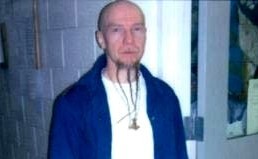
Richard Clarey
Murderer Brian Kevin Rosenfeld
Murderer · USA · 1985
Brian Kevin Rosenfeld Brian Kevin Rosenfeld was sentenced to three concurrent l…
23 victims
Brian Kevin Rosenfeld
Murderer · USA · 1985
Brian Kevin Rosenfeld Brian Kevin Rosenfeld was sentenced to three concurrent l…
23 victims
 Marvin Gray
Murderer · USA · 1975
Marvin Gray was convicted killer who claimed responsibility for 23 slayings and…
23 victims
Marvin Gray
Murderer · USA · 1975
Marvin Gray was convicted killer who claimed responsibility for 23 slayings and…
23 victims
 Yahweh ben Yahweh
Murderer · USA · 1980
Yahweh ben Yahweh was born and legally named Hulon Mitchell Jr. (October 27, 19…
23 victims
Yahweh ben Yahweh
Murderer · USA · 1980
Yahweh ben Yahweh was born and legally named Hulon Mitchell Jr. (October 27, 19…
23 victims
 Russell Ellwood
Murderer · USA · 1991
Russell Ellwood was a former taxi driver. Authorities suspected him of killing…
20 victims
Russell Ellwood
Murderer · USA · 1991
Russell Ellwood was a former taxi driver. Authorities suspected him of killing…
20 victims
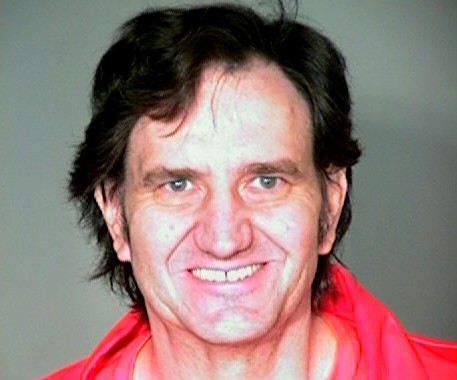 James Styers
Murderer · USA · 1989
James Styers filed a missing child report on December 2, 1989, advising police…
1 victim
James Styers
Murderer · USA · 1989
James Styers filed a missing child report on December 2, 1989, advising police…
1 victim
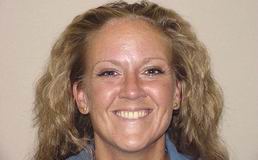 Sharee Miller
Murderer · USA · 1999
Sharee Paulette Miller was an American woman who was accused of plotting the mu…
1 victim
Sharee Miller
Murderer · USA · 1999
Sharee Paulette Miller was an American woman who was accused of plotting the mu…
1 victim
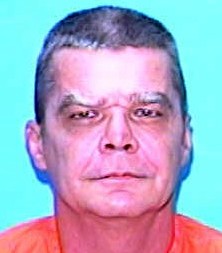 William L. Thompson
Murderer · USA · 1976
William L. Thompson was convicted and sentenced to death for the 03/30/76 kidna…
1 victim
William L. Thompson
Murderer · USA · 1976
William L. Thompson was convicted and sentenced to death for the 03/30/76 kidna…
1 victim
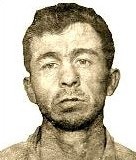 Donald Henry Gaskins
Serial killer · USA · 1969
Donald Henry Gaskins, also known as Donald “Pee Wee” Gaskins, was a serial kill…
200 victims
Donald Henry Gaskins
Serial killer · USA · 1969
Donald Henry Gaskins, also known as Donald “Pee Wee” Gaskins, was a serial kill…
200 victims
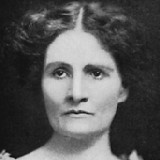 Linda Hazzard
Homicide · USA · 1911
Linda Burfield Hazzard was an alternative medicine practitioner who promoted fa…
1 victim
Linda Hazzard
Homicide · USA · 1911
Linda Burfield Hazzard was an alternative medicine practitioner who promoted fa…
1 victim
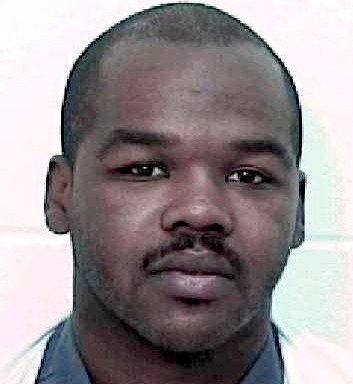 Curtis Osborne
Murderer · USA · 1990
Curtis Osborne was a male inmate convicted by a Spalding County jury of the mur…
2 victims
Curtis Osborne
Murderer · USA · 1990
Curtis Osborne was a male inmate convicted by a Spalding County jury of the mur…
2 victims
- Gender
- male
- Country
- USA
- Location
- Kalamazoo County/La Porte County, Michigan, USA
- Date of birth
- 1961
- Age at first offence
- 23
- Characteristics
- drug addict, armed robbery
- Victim profile
- Robert Baranski, 35 / Floyd Holmes and Dean Bultema
- Method of murder
- Shooting
- Date(s) of murder
- April 15/18, 1984
- Years active
- 1984
- Date of arrest
- April 18, 1984
- Status
-
Life imprisonment
Sentenced to life in prison without parole on December 20, 1984; another sentence of life in prison on February 12, 1985
Overview
Richard Clarey was raised in West Germany by American parents working abroad. His childhood was troubled and was exacerbated by the use of drugs. He left Wiesbaden for the United States in 1977, at age sixteen.
Background
Clarey lived briefly with an aunt in Oregon after leaving Wiesbaden in 1977. The relationship did not work out, and Clarey spent the next two years drifting through the western half of the country. During that period, he lived off the proceeds of burglaries, armed robberies, and drug sales. In 1979, he settled in Kalamazoo, Michigan.
The offence
By the spring of 1984, Clarey craved a change of scene. On April 15, he killed 35-year-old Robert Baranski in Kalamazoo. Clarey dumped Baranski in Lake Michigan and stole Baranski’s car for a trip across the country.
Clarey made it as far as New Buffalo, 50 miles to the southwest, before piling his stolen vehicle into a ditch on April 17. Approached by tourists from a nearby rest stop, he shot Floyd Holmes and Dean Bultema, killing both men. Clarey then slipped across the Indiana border.
Investigation
Clarey was arrested later on April 17 while hiding in a garage at La Porte. He was returned to Michigan for trial on murder charges.
Defense attorneys blamed the killer’s crimes on nightmares generated by his childhood. They claimed Clarey was obsessed by dreams of German Nazis who demanded that he kill Americans. Clarey wore a swastika tattoo upon his chest and the likeness of a German helmet on his arm. He committed himself to do "as much damage as he could" to blacks and other ;minorities in his cross-country ramblings.
Ignoring the psychological argument, a jury in Berrien County deliberated one hour before convicting Clarey.
Arrest
Trial
Clarey was returned to Michigan for trial on murder charges.
On December 20, 1984, a jury in Berrien County convicted Clarey of dual murder charges. The mandatory sentence was life without parole.
In February 1985, Clarey sat for interviews with a psychologist, Dr. Leonard Donk. Donk diagnosed Clarey as a schizophrenic sociopath.
During the course of the interviews, Clarey confessed to numerous slayings— "more than 100 but less than 150"—dating back to the age of fifteen. Clarey recalled feeling "excited and detached" during the murders, but details on most of the cases remained vague.
Donk explained that it was "very difficult to tell" where fantasy left off and stark reality began. Donk said:
"I suspect he's killed more people than he's been charged with,"
"How many more, I wouldn't even want to speculate on."
Authorities were able to rule out at least one case: the victim, named by Clarey, was alive and well.
On February 12, 1985, in the midst of his second murder trial, Clarey pled guilty, but mentally ill in the slaying of Robert Baranski, facing another maximum term of life imprisonment.
Sentencing
On December 20, 1984, the jury imposed the mandatory sentence of life without parole for dual murder charges.
On February 12, 1985, Clarey received another maximum term of life imprisonment, resulting in another sentence of life without parole.
Appeals
No appeal information was included.
Outcome
Clarey remained in custody. The case description indicated he "remains in custody today."
Aftermath
In October 1986, Clarey joined another inmate in a foiled escape attempt. He commandeered a truck and crashed it into a fence at the prison near Ann Arbor. Clarey’s bid for freedom was foiled because the fence held and the truck’s engine stalled.
Other details
Clarey was returned to Michigan for trial on murder charges after his arrest on April 17 while hiding in a garage at La Porte. Clarey slipped across the Indiana border after the shootings of Floyd Holmes and Dean Bultema. He poured the case into custody after being convicted and sentenced as described.
Victim details named in the case included 35-year-old Robert Baranski, and the two victims shot on April 17: Floyd Holmes and Dean Bultema. Clarey’s confession involved slayings dating back to the age of fifteen and described a total of "more than 100 but less than 150" murders.
Spotted an error, or have more information about this case?