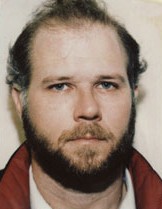
Glenn Barker
Murderer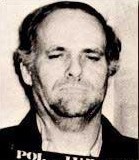 Ervil LeBaron
Murderer · USA · 1972
Ervil Morrell LeBaron (1925 to August 16, 1981) was the leader of a polygamous…
35 victims
Ervil LeBaron
Murderer · USA · 1972
Ervil Morrell LeBaron (1925 to August 16, 1981) was the leader of a polygamous…
35 victims
 Brian Kevin Rosenfeld
Murderer · USA · 1985
Brian Kevin Rosenfeld Brian Kevin Rosenfeld was sentenced to three concurrent l…
23 victims
Brian Kevin Rosenfeld
Murderer · USA · 1985
Brian Kevin Rosenfeld Brian Kevin Rosenfeld was sentenced to three concurrent l…
23 victims
 Marvin Gray
Murderer · USA · 1975
Marvin Gray was convicted killer who claimed responsibility for 23 slayings and…
23 victims
Marvin Gray
Murderer · USA · 1975
Marvin Gray was convicted killer who claimed responsibility for 23 slayings and…
23 victims
 Yahweh ben Yahweh
Murderer · USA · 1980
Yahweh ben Yahweh was born and legally named Hulon Mitchell Jr. (October 27, 19…
23 victims
Yahweh ben Yahweh
Murderer · USA · 1980
Yahweh ben Yahweh was born and legally named Hulon Mitchell Jr. (October 27, 19…
23 victims
 Russell Ellwood
Murderer · USA · 1991
Russell Ellwood was a former taxi driver. Authorities suspected him of killing…
20 victims
Russell Ellwood
Murderer · USA · 1991
Russell Ellwood was a former taxi driver. Authorities suspected him of killing…
20 victims
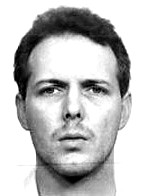 Gary Etheridge
Murderer · USA · 1990
Gary Wayne Etheridge was convicted of capital murder and sentenced to death for…
1 victim
Gary Etheridge
Murderer · USA · 1990
Gary Wayne Etheridge was convicted of capital murder and sentenced to death for…
1 victim
 Michael Clagett
Mass murderer · USA · 1994
Michael Clagett killed four people in a Virginia Beach bar in 1994. His girlfri…
4 victims
Michael Clagett
Mass murderer · USA · 1994
Michael Clagett killed four people in a Virginia Beach bar in 1994. His girlfri…
4 victims
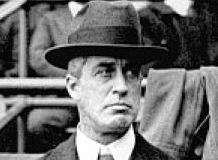 Charles Chapin
Murderer · USA · 1918
Charles Chapin (October 19, 1858 – December 13, 1930) was a New York newspaper…
1 victim
Charles Chapin
Murderer · USA · 1918
Charles Chapin (October 19, 1858 – December 13, 1930) was a New York newspaper…
1 victim
- Gender
- male
- Country
- USA
- Location
- Charlottesville/Richmond, Virginia, USA
- Date of birth
- 1959
- Age at first offence
- 23
- Characteristics
- rape, convicted rapist, kidnapping, domestic violence, abuse
- Victim profile
- Katherine Sybil "Katie" Worsky, 12 / Cynthia Powers Johnson and her 7-year-old daughter Heather
- Method of murder
- ???
- Date(s) of murder
- July 12, 1982 / August 29, 1996
- Years active
- 1982–1996
- Date of arrest
- —
- Status
-
Released
Sentenced to 18 years in prison in 1984; released on parole in 1992.
Background
Glenn Haslam Barker was a basketball coach for the South Brunswick Family YMCA. In 1998, he was fired after it was learned that he had served nine years in prison for the murder of a 12-year-old Charlottesville, Virginia girl in 1982.
During an earlier period of his life, Barker had pleaded guilty to assault in 1981 after admitting to kidnapping a teenage female acquaintance and holding her at knifepoint.
After his 1992 release from prison, Barker moved to Richmond, Virginia. He later moved to Old Bridge and began to volunteer as a youth basketball coach in South Brunswick. YMCA officials said he was well-liked by the parents and children he worked with, and he was hired by the facility to coach on a part-time basis.
The offence
Glenn Haslam Barker was convicted of murdering 12-year-old Katie Worsky in 1982.
Worsky disappeared from the home of a friend where she was spending the night during the summer of 1982. Authorities suspected Barker immediately in part due to his criminal record.
The jury convicted Barker of second-degree murder. The jury acquitted him of first-degree murder, meaning they did not believe Worsky’s murder was premeditated.
Prosecutors theorized that after Worsky became intoxicated, Barker carried her to the living room, attempted to molest her, then killed her.
Police said Barker was the last adult to see Worsky alive. Investigators also stated that a pair of Worsky’s underpants were found by police in one of Barker’s drawers.
Worsky had Type B blood. Her nickname was Katie. Police described her as small for her age at the time of her disappearance. Worsky was a diabetic and insulin-dependent. Authorities said her clothing included a pink t-shirt.
Police said that Worsky’s body has never been recovered.
Investigation
In Virginia, police interrogated Barker at Worsky’s disappearance. Barker admitted having seen her on the night she went missing.
Barker stated he had come by the Gates home after everyone had gone to bed and had given Worsky and Tammy one can of beer each. Tammy said she and Worsky had actually had more alcohol than that and got sick afterwards. After that, they went to bed. Barker stated he left at 12:30 a.m. after making sure Worsky, Tammy, and Tammy’s younger brother were asleep. Tammy woke up at 5:30 a.m. and realized Worsky was missing.
Investigators did not believe Barker’s story. With his permission, they searched his apartment in the Hessian Hills apartment complex on Georgetown Road and found wet, bloodstained men’s clothing and towels wedged between his mattress and box spring. Some of the blood was Type A (Barker’s blood type), and some was Type B. Police said Katie’s blood was Type B, and authorities discovered this fact by testing the menstrual blood on her bedsheets.
Authorities searched the residence a second time several days later and found a pair of girls’ panties hidden in a rolled-up ball of socks in Barker’s dresser. The authorities described a tiny bloodstain in the back of the panties as consistent with the location where Worsky injected her insulin.
Police also found a few drops of Type B blood on the living room rug and coffee table.
Authorities suspected Barker’s involvement in part due to his criminal record, including the 1981 assault guilty plea related to kidnapping and knifepoint.
Investigators later theorized that Worsky had been intoxicated, that Barker carried her to the living room, attempted to molest her, and then killed her.
Police said Barker was the last adult to see her alive.
Barker maintained his innocence and stated he had had nothing to do with Worsky’s disappearance.
Barker stated he believed he had been framed by police and accused them of planting the bloodstained clothing found in his apartment.
Worsky’s parents divorced after Barker’s conviction.
Arrest
Barker was arrested and charged with Katie’s murder in January 1983, six months after she went missing.
Trial
The jury convicted Barker of second-degree murder and recommended a sentence of 18 years in prison, two years short of the maximum.
Barker was only the second person to be convicted of murder in Virginia without the victim’s body.
Sentencing
Barker was sentenced to 18 years in prison.
Barker served nine years of an 18-year sentence for the crime.
Appeals
No appeal information was provided.
Outcome
Barker was paroled from prison in 1992.
In 1998, police said Barker remained involved in the aftermath of his prior case through the release of information intended to make residents aware of his appearance and activities.
Aftermath
In 1993, Barker was rearrested and charged with possession of a firearm after a pellet gun was found in his car. He served a further six months in jail before being released again.
After the coverage of the story in the local press, Barker moved to Jackson.
The Middlesex County Prosecutor’s Office and local police agencies notified residents that Barker had moved back to Middlesex County. Assistant Prosecutor Pete Hamerslag said Barker was believed to have moved into South River from Jackson, Ocean County, and that he was now working in Milltown. Hamerslag said the notice was to make residents aware of Barker’s appearance and activities, while warning residents not to interfere with Barker or his family.
“Any unlawful activity, including harassment, vandalism, threats or assault, will result in arrest and prosecution of the perpetrators,” the release warned.
Hamerslag said Barker “has not committed any crimes (here).” Hamerslag also said any action against Barker would “not add to the public’s safety.” He said, “We don’t want to create a witch hunt.”
Hamerslag described a flier providing two pictures of Barker, one of his truck, and a description and history of his past crimes. He said the measure was to be used “as a self-protective means” for residents but was not a formal Megan’s Law notification. Hamerslag said no other personal information about Barker would be released.
Charlotte Police Capt. A.E. Rhodenizeri stated that Barker was convicted of murdering Katie Worsky in 1982 and that Worsky’s body had never been recovered.
Richmond Police Capt. Arthur D. Roane said that after Barker’s 1992 release, Barker moved to Richmond, Virginia, where he was a suspect in a double slaying. Roane said Barker remained a suspect in the killing of Cynthia Powers Johnson and her 7-year-old daughter Heather in 1996. Roane said Barker was believed to have had a relationship with Johnson prior to her death and that he “remains the only suspect.”
Roane said Johnson and her daughter were killed in their home before the home was burned. Roane said there was no evidence connecting Barker to that case and that any physical evidence was likely destroyed in the fire.
In 1998, YMCA officials said they could not conduct criminal background checks outside of New Jersey and remained unaware of Barker’s past. YMCA Branch Director David Anderson said Barker had lied on his application and did not admit to being convicted of a crime. Barker was fired from his position, and parents of all children on his teams were notified of his past.
Hamerslag said the local police were very aware of Barker and that the county was working with each of the police agencies to make the notifications.
Several groups working with children changed their policies to demand an FBI background check as well as a local check following the incident.
Timeline
- 1981 — Barker pleaded guilty to assault after admitting to kidnapping a teenage female acquaintance and holding her at knifepoint.
- 1982 — Worsky disappeared from the home of a friend where she was spending the night during the summer of 1982; Barker was later convicted of murdering her.
- 1983 (January) — Barker was arrested and charged with Katie’s murder.
- 1984 — Barker was sentenced to 18 years in prison.
- 1992 — Barker was released on parole; Barker moved to Richmond, Virginia.
- 1993 — Barker was rearrested and charged with possession of a firearm after a pellet gun was found in his car; he served a further six months in jail before being released again.
- 1996 — Police said Barker was a suspect in the killing of Cynthia Powers Johnson and her 7-year-old daughter Heather.
- 1998 — Barker was fired as a basketball coach for the South Brunswick Family YMCA; Barker moved to Old Bridge and started to volunteer as a youth basketball coach in South Brunswick; the Middlesex County Prosecutor’s Office learned of Barker’s criminal past during the summer of 1998; Barker moved to Jackson following coverage of the story in the local press.
- 2002 (April 18) — Middlesex County Prosecutor’s Office and local police agencies notified residents that Barker had moved back to Middlesex County.
- 2002 (April 25) — A separate report described that police were watching Barker, and included detailed information about Worsky’s disappearance.
Other details
Victim details (Katie Worsky)
- Worsky’s nickname was Katie.
- Worsky was 12 years old.
- She was diabetic and insulin-dependent.
- She had Type B blood.
- Clothing and medical conditions were described, including a pink t-shirt and insulin dependence.
- Worsky was last seen at the home of a friend, Tammy Gates, in the 2700 block of McElroy Drive in Charlottesville, Virginia on July 12, 1982.
- Worsky was spending the night with Tammy; her own family lived in an apartment in the Four Seasons subdivision off Rio Road.
- Worsky’s friend’s mother, Carrie Gates, called Worsky’s parents early that morning thinking the girl had returned to her own apartment; Worsky had not.
- Worsky’s parents notified police of her disappearance.
People named
- Tammy Gates — friend’s household; woke up at 5:30 a.m.
- Carrie Gates — Tammy’s mother; called Worsky’s parents early that morning.
- Charlotte Police Capt. A.E. Rhodenizeri — stated Barker was convicted of murdering Katie Worsky and that her body had never been recovered.
- Richmond Police Capt. Arthur D. Roane — described Barker’s later suspicions in Richmond and the Johnson case.
- Assistant Prosecutor Pete Hamerslag — announced Barker had moved back and described the purpose and warnings of the notifications.
- YMCA Branch Director David Anderson — said Barker lied on his application and did not admit to being convicted of a crime.
- Glenn Barker — referred to as a convicted killer returning to Middlesex County.
- Cynthia Powers Johnson — killed in 1996 in the home fire incident mentioned by police.
- Heather — Johnson’s 7-year-old daughter killed in 1996.
Further statements about charges and conduct
- Prosecutors theorized an attempted molestation before killing.
- Police described bloodstains and menstrual blood testing on bedsheets as part of the evidentiary record described.
- Authorities said Barker was believed to have had a relationship with Cynthia Powers Johnson prior to her death.
- Police said there was no evidence connecting Barker to the Johnson case and that physical evidence was likely destroyed in the fire.
- Worsky’s body had never been located, but foul play was strongly suspected in her disappearance due to the circumstances involved.
- Barker continued to maintain that he did not harm Worsky and that the only wrongdoing he committed that night was giving her and Tammy beer when they were underage.
- Barker volunteered in the effort to search for Worsky.
Methods and evidentiary notes recorded
- Wet, bloodstained men’s clothing and towels were found wedged between Barker’s mattress and box spring.
- Blood matching Barker’s Type A blood type and Worsky’s Type B blood type was described.
- A second search found girls’ panties hidden in a rolled-up ball of socks in Barker’s dresser.
- A tiny bloodstain on the panties was described as consistent with the location where Worsky injected her insulin.
- A few drops of Type B blood were found on the living room rug and coffee table.
Medical and identification notes
- Worsky was described as diabetic and insulin-dependent.
- Police described her as having Type B blood and provided details including her clothing description and her insulin testing relevance to the panties.
Criminal status and monitoring notice
- The notice was distributed within two miles of Barker’s residence.
- Hamerslag said the local police were very aware of Barker.
- Hamerslag said the information in the notice included Barker’s description and history of his past crimes, and that no other personal information would be released.
- Hamerslag said the residents should not interfere with Barker or his family and that any harassment, vandalism, threats, or assault would result in arrest and prosecution.

Spotted an error, or have more information about this case?