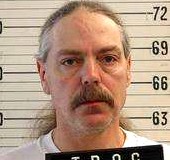
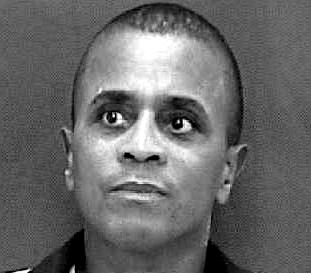
William Eugene Hall
Murderer Brian Kevin Rosenfeld
Murderer · USA · 1985
Brian Kevin Rosenfeld Brian Kevin Rosenfeld was sentenced to three concurrent l…
23 victims
Brian Kevin Rosenfeld
Murderer · USA · 1985
Brian Kevin Rosenfeld Brian Kevin Rosenfeld was sentenced to three concurrent l…
23 victims
 Yahweh ben Yahweh
Murderer · USA · 1980
Yahweh ben Yahweh was born and legally named Hulon Mitchell Jr. (October 27, 19…
23 victims
Yahweh ben Yahweh
Murderer · USA · 1980
Yahweh ben Yahweh was born and legally named Hulon Mitchell Jr. (October 27, 19…
23 victims
 Russell Ellwood
Murderer · USA · 1991
Russell Ellwood was a former taxi driver. Authorities suspected him of killing…
20 victims
Russell Ellwood
Murderer · USA · 1991
Russell Ellwood was a former taxi driver. Authorities suspected him of killing…
20 victims
 Robert Martines Perez
Murderer · USA · 1994
Name: Robert Martines Perez · Other name used in proceedings: Robert Martinez P…
15 victims
Robert Martines Perez
Murderer · USA · 1994
Name: Robert Martines Perez · Other name used in proceedings: Robert Martinez P…
15 victims
 Trupti Patel
Justice miscarriage · United Kingdom · 1997
Trupti Patel was a qualified pharmacist from Berkshire, England. She was born i…
0 victims
Trupti Patel
Justice miscarriage · United Kingdom · 1997
Trupti Patel was a qualified pharmacist from Berkshire, England. She was born i…
0 victims
 Shane Ragland
Murderer · USA · 1994
Shane Ragland was convicted of murder for the sniper-style shooting death of Un…
1 victim
Shane Ragland
Murderer · USA · 1994
Shane Ragland was convicted of murder for the sniper-style shooting death of Un…
1 victim
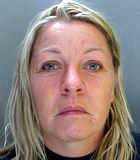 Melanie Smith
Mass murderer · United Kingdom · 2012
Melanie Smith was convicted of murdering five members of a family after she set…
5 victims
Melanie Smith
Mass murderer · United Kingdom · 2012
Melanie Smith was convicted of murdering five members of a family after she set…
5 victims
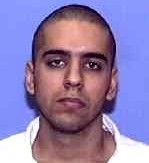 Kenneth Vodochodsky
Murderer · USA · 1999
Kenneth Vodochodsky was born on 08/16/1980. His TDCJ number was 999377. He was…
3 victims
Kenneth Vodochodsky
Murderer · USA · 1999
Kenneth Vodochodsky was born on 08/16/1980. His TDCJ number was 999377. He was…
3 victims
- Gender
- male
- Country
- USA
- Location
- Stewart County, Tennessee, USA
- Date of birth
- October 9, 1956
- Age at first offence
- 32
- Characteristics
- escape attempt, robbery
- Victim profile
- Myrtle and Buford Vester
- Method of murder
- Shooting
- Date(s) of murder
- June 22, 1988
- Years active
- 1988
- Date of arrest
- July 6, 1988
- Status
-
Sentenced to death
Sentenced to death on December 4, 1991
Parties and case identifiers
William Eugene Hall (also referred to as William E. Hall and William Eugene Hall, Jr.) and Derrick D. Quintero were convicted in Tennessee for the 1988 slayings of Myrtle and Buford Vester in their home. The appeal was before the Court of Criminal Appeals of Tennessee and the case also reached the Supreme Court of Tennessee in the Supreme Court of Tennessee State of Tennessee v. William E. Hall and Derrick D. Quintero and Derrick Quintero and William Eugene Hall, Jr. v. State of Tennessee.
Timeline
- June 16, 1988 — Derrick Quintero and William Hall escaped from the Kentucky State Penitentiary at Eddyville during the early morning hours of June 16, 1988.
- June 18, 1988 — The first burglary was reported and occurred on June 18, 1988 (Jim McMinn’s cabin burglary in the Leatherwood area).
- June 19, 1988 — The murders occurred sometime after their son left their home at 6:00 p.m. on Sunday, June 19, 1988, and before their bodies were discovered by their neighbor around 10:00 a.m. on Wednesday, June 22, 1988. Multiple burglaries in the Leatherwood community occurred on Sunday, June 19, 1988, and burglaries were discovered/occurred at later times during that day.
- June 20, 1988 (late Monday evening) — John Corlew and Arthur Jenkins night fished in the Leatherwood Bay and heard gunshots between 11:00 p.m. and 12:00 a.m.
- June 21, 1988 (around 8 a.m.) — Employees of the Memphis Funeral Home observed three men in the victims’ maroon Pontiac in the parking lot, later identified as the victims’ car.
- June 22, 1988 — Their bodies were discovered by their neighbor around 10:00 a.m. on Wednesday, June 22, 1988; Kentucky authorities apprehended Hudson and Montgomery near the location where Settles’ car had been hidden after shots were exchanged. Wayne Vester was unable to reach his parents and contacted the neighbor on June 22.
- June 23, 1988 (morning Thursday) — The Memphis Police Crime Scene Squad responded to the call from the Memphis Funeral Home.
- July 6, 1988 (around 2:20 p.m.) — William Hall was apprehended by agents of the FBI when he entered the Western Union in El Paso, Texas.
- July 10, 1988 — Derrick Quintero and Ronnie Hudson were apprehended by Mexican officials at the Santa Fe Hotel in Juarez and transported across the international bridge; FBI agents took custody from Mexican officials at a border checkpoint.
- December 4, 1991 — William Eugene Hall was sentenced to death.
Background
Derrick Quintero and William Hall were convicted of the 1988 slayings of Myrtle and Buford Vester, an elderly Stewart County couple, in their home in the Leatherwood community of Stewart County. The Leatherwood community was situated on Kentucky Lake and in close proximity to the Tennessee-Kentucky border.
Along with six other men, Derrick Quintero and William Hall escaped from the Kentucky State Penitentiary at Eddyville during the early morning hours of June 16, 1988.
The proof introduced by the State during the guilt phase demonstrated that the murders were committed after Quintero and Hall escaped from the Kentucky prison.
The offence
Victims and last known time alive
Buford and Myrtle Vester were murdered in their home. The victims’ son, Wayne Vester, last saw Buford and Myrtle Vester alive at approximately 6:00 p.m. on Sunday, June 19, 1988.
Wayne Vester, along with his twelve-year-old son, arrived at his parents’ home for a weekend visit on the evening of Friday, June 17. Wayne picked up groceries for his parents including Pepsi colas, lunch meat, bread, and milk. Wayne left their home on Sunday, June 19, at approximately 6:00 p.m.
Wayne attempted unsuccessfully to reach his parents by telephone once on Monday, June 20 and twice on Tuesday, June 21. Concerned, Wayne called their neighbor, Howard Allor, who lived approximately one quarter of a mile from the Vesters, but Allor had not seen them since the preceding Friday morning. When Wayne was still unable to reach his parents on June 22, he called Allor and asked him to check on them. Allor drove to the Vesters’ residence and discovered their dead bodies.
Discovery and notification
Howard Allor discovered the bodies around 10:00 a.m. on Wednesday, June 22, 1988. He attempted to telephone the Sheriff from the Vesters’ residence, but the telephone was not functioning, so he returned home and reported the murders to the authorities.
David Hicks, Sheriff of Stewart County, was notified at approximately 1:00 or 1:30 p.m. on Wednesday, June 22. The Tennessee Bureau of Investigation (“T.B.I.”) conducted the primary investigation of the crime scene.
Crime scene and missing items
The only entrance to the Vester residence was a screen door located at the side of the house opposite to the victims’ bedrooms. The screen door had not been damaged. The front window was open, and the screen from the front window was lying on the ground near Myrtle Vester’s bedroom window, located at the back of the house. Underneath the front window was a concrete block taken from a shed located at the back of the house. A cloth glove matching a glove found at the Crawfords’ residence was found on the ground beside the concrete block.
An unopened Pepsi cola can lay next to the walkway to the screen door of the house, and the packages of Pepsi colas Wayne Vester had brought were missing from the porch. The Vesters’ maroon 1985 Pontiac Bonneville was also missing.
The wires to the telephone connection box outside the Vesters’ residence were damaged and the line was dead. A live 20 gauge Federal shotgun shell with number 6 bird shot was found near the electrical box. A spent 20 gauge number 4 shot Federal shotgun shell casing was found near the shed approximately 18 feet from Mr. Vester’s back bedroom window.
The windows to the victims’ bedrooms were located along the back of the house. Buford Vester’s bedroom window frame was visibly bent. The screen covering the window had a hole indicating that Mr. Vester was shot at least once from outside the house. Some glass louvers were broken, and shards of glass were found lying on the bed.
Mr. Vester’s body was found on the floor next to his bed, with the covers drawn back and blood on both the pillow and the bed. Number 4 and 5 bird shot pellets were retrieved from Mr. Vester’s room. Two shot shell filler wads were found beside Mr. Vester’s body, and a 20 gauge plastic shot wad was recovered from beside his head. A plastic shot sleeve, one shot shell, a plastic shot wad, and several shot pellets (either number 4 or 5 bird shot) were recovered from Mr. Vester’s body.
Myrtle Vester’s body was found lying in a pool of dried blood on the floor of her bedroom next to the bathroom. Mrs. Vester had been shot three times: once with a 20 gauge shotgun, once with a high-powered rifle, and once again with either a shotgun or a high-powered rifle. She was also stabbed thirteen times. A copper-jacketed bullet was recovered from her body.
Blood was found on Mrs. Vester’s bed, and a considerable amount of blood was found on the bathroom floor. Blood was splattered on both the bathtub and the commode, and the bottoms of Mrs. Vester’s feet were covered in blood. The screen covering Mrs. Vester’s bedroom window had a hole indicating at least one shot had been fired from outside. The open and unbroken condition of the glass louvers indicated that the high-powered rifle or shotgun had been near the window when it was fired. Shot was sprayed all over the house, especially the kitchen. All of the shot pellets found in the house were either number 4 or 5.
On the victims’ sofa, authorities found a portion of The Tennessean, dated Monday, June 20, 1988. The local mail carrier testified that the victims did not receive The Tennessean by mail.
A live 20 gauge shotgun shell with number 7.5 shot was found in the front bedroom next to a ransacked jewelry box.
Autopsy findings and weapons
Dr. Charles Harlan, the medical examiner, performed an autopsy on each victim and testified that the Vesters had died within two hours of consuming dinner. He stated that the victims had been shot a total of five times and that a minimum of three different weapons had been used to murder them.
Mrs. Vester sustained three gunshot wounds:
- Wound A: located at the right portion of Mrs. Vester’s chest just below her collarbone; measured approximately a quarter of an inch and was basically round in shape. Dr. Harlan testified that this wound resulted when a copper jacketed bullet entered Mrs. Vester’s body and lodged in her left arm.
- Wound B: resulted from a shotgun blast; located in the upper arm. It measured 3.4 inches by 1.8 inches, was jagged with an irregular edge, and had multiple associated tangential abrasions.
- Wound C: resulted from either a high-velocity rifle or shotgun; it severed the two bones in Mrs. Vester’s right forearm, leaving her hand and wrist attached by a piece of tissue consisting of only skin, muscle, and fat. Dr. Harlan could not determine the order in which these three gunshot wounds were inflicted.
Mrs. Vester also had thirteen stab wounds, with one to the middle of her back and twelve to her head, neck, and shoulder region. A majority were inflicted to the left side of her head and neck. Dr. Harlan surmised that the puncture wounds were made by a squared object with a sharp edge, such as a kitchen or hunting knife. Two stab wounds severed her right and left common carotid arteries. The right carotid artery was 90 percent severed and the left was 10 percent severed. Dr. Harlan testified that either the injuries to her carotid arteries or the gunshot injury to her right forearm would have been fatal. Dr. Harlan determined that Mrs. Vester could have survived the brutal attack for up to 15 minutes.
Mr. Vester sustained two gunshot wounds:
- Shotgun wound A: located at the head and neck juncture; the total dispersal pattern of shotgun pellets was 13 inches. Wound A caused significant injury to his left lung, aorta, and pulmonary artery.
- Shotgun wound B: to Mr. Vester’s right breast; it caused trauma to his right lung and to his liver. Dr. Harlan recovered shotgun pellets and a shot column from Mr. Vester’s chest and abdomen.
Dr. Harlan opined that Mr. Vester could have survived from four to twelve minutes after sustaining the gunshot injuries.
Investigation and evidence
Escapees’ movement and burglaries
At least two burglary events occurred in the Leatherwood community before the murders. The proof showed that five of six burglaries occurred before 1:00 p.m. on Sunday, June 19, 1988.
Jim McMinn’s cabin burglary (reported/occurred June 18, 1988)
Jim McMinn of Clarksville, Tennessee arrived at his cabin in the Leatherwood area at approximately noon on June 18, 1988. He went fishing in his boat at around 1:00 p.m. When he returned at 2:30 or 3:00 p.m., he noticed a box of shotgun shells on the floor and found that his loaded .22 caliber pistol was missing from the bedroom. The telephone in his cabin had been removed from the wall, and the outside portion of the phone line had been severed. McMinn discovered that the windows had been rolled up and the ignition destroyed with his ax. The telephone from McMinn’s cabin was in the bed of the truck.
Following the McMinn burglary report, the Sheriff’s Department initiated an intensive search of the area using helicopters, four-wheel drive vehicles, and tracking dogs. Officers chased some individuals on foot through the woods but could not overtake persons suspected to be escapees.
Division of escapees; theft of a pick-up truck
Hudson and Montgomery became separated from the defendants and Blanton during the search/chase. Hudson and Montgomery left the Leatherwood community and drove to Lebanon, Kentucky in a 1982 White Ford Fairmont they stole from Essie Settles, a resident of the Standing Rock Community, approximately six highway miles from the Leatherwood community. Montgomery’s fingerprint was found on Settles’ garage door. Hudson’s fingerprint was found inside the car when it was later recovered.
Settles saw the car in her garage around 10:00 a.m. on Saturday and discovered it missing at approximately 1:30 p.m. on Sunday. The proof showed the car was stolen sometime Saturday night or before daylight on Sunday. Burned matches were found inside the garage indicating it was dark when the theft occurred. When Settles watered her flowers around 8:00 a.m. on Sunday morning, she noticed someone had removed the hose from the outside faucet during the night; she stated the hose had been connected when she used it on Saturday evening around 6:00 p.m.
Hudson and Montgomery arrived at Hudson’s brother’s apartment in Lebanon on Sunday, June 19, at approximately 1:00 p.m., driving a white car with Tennessee license plates identified at trial as the vehicle stolen from Settles. Hudson’s brother and a friend accompanied the two escapees to a secluded area on the river where they hid the stolen car among weeds.
Around 6:00 or 6:30 p.m., Hudson’s brother left the two escapees with Hudson’s mother and sister. On the next day, Hudson’s sister, her two children, and Martha Grover picked up the two escapees and transported them to Grover’s apartment, where they stayed until early evening on Tuesday, June 21. On Wednesday, June 22, Kentucky authorities apprehended both Hudson and Montgomery near where Settles’ car had been hidden after shots were exchanged. Hudson and Montgomery had possession of McMinn’s .22 caliber pistol and a .22 caliber pistol stolen from Neal Foster. Two live rounds were recovered from Foster’s pistol and four spent shells were recovered in the area.
Though Hudson and Montgomery were about two hundred miles away in Lebanon when the Vesters were murdered, the McMinn and Foster burglaries occurred before 1:00 p.m. on June 19.
Neal Foster’s residence burglary
The proof demonstrated the Cherry and Harris burglaries were discovered around 3:00 or 4:00 p.m. on June 19, 1988 by Alfred Cherry. Cherry’s trailer was located approximately one-half of a mile from the murder victims’ residence.
A separate burglary connected to Foster’s residence involved missing and damaged items and later fingerprint matching. The Foster burglary was discovered by Foster on Tuesday, June 21. Foster’s residence had been ransacked, with food on a kitchen counter, deer steaks in the microwave, and binoculars on a kitchen counter. A green ammunition box, a plastic bag full of old coins, a flashlight, and the holster for his .22 caliber RG pistol were on the floor of the living room.
The hallway floor had litter including a Diet Pepsi can, a tin can of old coins, a notebook that once had old coins, some socks, a laundry basket with clothes not belonging to him, and a pair of white tennis shoes not belonging to him. Towels were strewn around the house, and Foster found in the bathroom a pocket knife, towels, a pair of socks, a .22 caliber shell box, and a 20 gauge shotgun shell.
Beds were unmade with items spread on top. The master bedroom dresser drawers were open and items scattered in the bedroom including two walkie-talkies, a hacksaw, and a 12 gauge shotgun barrel. In the front bedroom, Foster found hats, matchbooks, a jar of marshmallow cream, a box of graham crackers, and a small drinking glass.
Foster’s walk-in closet contained firearms including a .22 caliber pistol, a Glenfield .22 caliber rifle, a Marlin .30-30 caliber lever action rifle, a 20 gauge shotgun, a single shot shotgun, and a Remington Model 1100 12 gauge shotgun. Following the burglary, Foster found the 12 gauge shotgun lying on his bed. Someone attempted to saw off the barrel, rendering the gun inoperable. The 20 gauge shotgun was missing, but a portion of its barrel had been sawed off and left in Foster’s bedroom.
Also missing were his .30-30 lever action rifle and ammunition including .30-30 accelerator rifle bullets, .30-30 caliber rifle shells, 20 gauge shotgun shells, and 12 gauge shotgun shells. Foster also reported his collected coins, including silver dollars, were taken.
Authorities found latent prints at the Foster residence identified as belonging to escapees:
- A latent left thumb print matching Quintero was found on a full box of Federal 12 gauge shotgun shells.
- A latent right ring fingerprint matching Quintero was found on another Federal 12 gauge shotgun shell box.
- A right middle finger and a right index fingerprint matching Blanton were found on a Federal field load 12 gauge shotgun shell box.
- A right palm print matching Quintero was lifted from one of the gun barrels.
After the burglary, two knives taken from the Cherry trailer were found at Neal Foster’s residence, indicating it was burglarized after the Cherry and Harris trailers, while still occurring before 1:00 p.m. on June 19 because Hudson and Montgomery later had a gun stolen from Foster.
Cherry and Harris trailer burglaries
Cherry’s trailer was located approximately one-half of a mile from the murder victims’ residence and was discovered around 3:00 or 4:00 p.m. The inside of Cherry’s trailer was in disarray: a bed was unmade and wet towels were in the bathroom. The refrigerator light switch had been taped down to prohibit the light from operating when the refrigerator door was opened. The hot water tank had been set on high.
Missing from Cherry’s trailer were two bedspreads, a green thermal blanket, a sleeping bag, a portable radio, approximately fifteen cassette tapes, a rechargeable flashlight, a small handsaw, six knives, coffee mugs, various canned goods, a gallon of homemade wine, two bottles of bourbon, a six-pack of beer, a toothbrush, underwear, and two paperweights bearing the Cumberland Electric logo. Cherry did not have a telephone in his trailer. He went next door to call police on the telephone in the trailer owned by his brother-in-law, Thomas Harris.
Cherry discovered Harris’ trailer had also been burglarized. Harris’ trailer was ransacked: the refrigerator light had been removed; the sink was full of dirty dishes; and food was in a skillet on the stove. Wet towels and sheets were strewn about and cigarette burns covered the floors.
Stolen from Harris’ trailer were all canned food items, two quilts, silverware, butcher knives, towels, toilet articles, and fishing tackle. When Harris later received his telephone bill, he realized several unauthorized long distance telephone calls had been placed from his trailer. Three unauthorized calls were placed to a number in Springtown, Texas at 3:51 a.m., 8:55 a.m., and 9:19 a.m. on Sunday, June 19. Two additional unauthorized calls were placed to a telephone number in Hopewell, Pennsylvania at 4:00 a.m. and 9:19 a.m.
The Springtown, Texas number was listed to Bryan Quintero, brother of Derrick Quintero. The Hopewell, Pennsylvania number was listed to Barbara Vasser, William Hall’s girlfriend.
At trial, Vasser testified that Hall told her during their first telephone conversation after the escape that his parole had been denied. Hall would not reveal his and Quintero’s location but told Vasser that there were helicopters searching for the escapees and that he and Quintero had been separated from Hudson and Montgomery.
A glove taken from the Crawford residence was found at the home of the murder victims, indicating that the Crawford burglary occurred before the murder even though it was discovered after the bodies were discovered.
Crawford burglary
The Crawford residence was owned by John and Virginia Crawford. John and Virginia Crawford left their trailer, clean and orderly, around 2:00 p.m. on Sunday, June 19. Following the burglary they found their kitchen ransacked: canned foods, crackers, and candy bars from the cabinet and refrigerator were eaten. Prints were lifted from several items.
A latent left thumb print matching Hall was found on the bottom of a can of ham. A latent right index fingerprint left by Blanton was lifted from a Butterfinger candy wrapper inside the refrigerator. The Crawfords identified two gloves found at the trailer, one white jersey and one brown jersey, as belonging to Mrs. Crawford, with a patch on one glove sewn by Mrs. Crawford. Mr. Crawford testified that a flashlight had been taken from the trailer.
One of the gloves found at the Crawfords’ trailer matched a glove found outside the Vesters’ front bedroom window. Fiber analysis indicated the two gloves were likely originally sold together as a pair. The Crawford residence was less than a quarter of a mile from the Vesters’ home.
Victim car and sightings in Memphis
Funeral home observations and vehicle identification
On June 21, 1988 around 8 a.m., employees of the Memphis Funeral Home observed three men in a maroon Pontiac later identified as the victims’ car enter the funeral home parking lot and park approximately 250 feet from the building. Witnesses testified that one man got out of the front seat, took his tank top off, and put on three additional shirts. The other men also exited the car. None of the witnesses could make a positive identification. Witnesses said the three men were white and about the same height, but two were approximately 180 pounds with darker hair; all three had facial hair. One described the men as having beards and stated one had long hair. The three men remained in the parking lot for approximately five to eight minutes. After one took something out of the trunk, the three men walked toward a hospital across the street. One man turned, walked back to the car, appeared to have placed an item back into the car, then rejoined the other two and all three walked away. The funeral home employees assumed they were working on a construction project at the hospital.
When the car had not been removed by Thursday, the funeral home employees contacted the Memphis Police Department.
Police response and evidence recovered from the car
On the morning of Thursday, June 23, the Memphis Police Crime Scene Squad responded to the call. The police found a 1985 maroon Pontiac Bonneville in the funeral home parking lot matching the victims’ vehicle description. The keys were in the ignition.
The officers found a sawed-off 20 gauge shotgun containing one live round under the floor mat behind the driver’s seat. This shotgun was later identified as the weapon stolen from the Foster residence and as the weapon from which a spent shell found outside the Vesters’ residence was fired. Foster was able to identify the weapon by its serial number, and the gun also had Foster’s full name carved into it.
The police also found under a floor mat a .30-30 caliber cartridge matching ammunition taken from the Foster residence.
From a crumpled Budweiser beer can found under the back seat, officers lifted three latent prints belonging to Blanton. No other prints were found in the car. Officers noted that the extremely hot temperatures in Memphis made it difficult to lift intact prints.
Other items retrieved included a Ray-O-Vac flashlight (similar to one taken from the Crawford residence), electrical tape, thirteen 20 gauge shotgun shells, three 12-ounce Pepsi colas, one 12-pack of Pepsi colas, a portable electric air compressor, a Black & Decker car vacuum, and a brown umbrella.
Other locations and identifications
Memphis Greyhound bus station testimony
Curtis Jones, a security guard at the Memphis Greyhound bus station, testified he worked Tuesdays and Wednesdays in June 1988. The bus station was located in downtown Memphis approximately one mile from the Memphis Funeral Home.
Jones prevented loitering and recalled three men entering the bus station either Tuesday, June 21, or Wednesday, June 22 between 11 a.m. and 1 p.m. Two men sat down and watched television; one of the seated men spoke to a nearby man. Jones recalled a third man with darker skin appearing Hispanic using a telephone. Jones approached the two seated men and asked if they had tickets or were waiting for someone. Jones identified Blanton as saying they would leave as soon as their friend finished using the telephone. The three men remained five to ten minutes.
Later that same day, Memphis police stopped by the bus station with a photographic line-up of the eight escapees. Jones responded that Blanton and Hall had previously been at the station. In the week that followed, Jones spoke with T.B.I. Agent Stout and identified Blanton and Hall from a photographic line-up. Jones made an in-court identification of Hall as one of the men at the bus station.
Blue Movies West adult bookstore testimony
The Blue Movies West adult bookstore and entertainment center was across the street from the bus station.
Shirley Denise Morrow, a cashier, testified that in June 1988 on Tuesday, June 21 (the day before her birthday), three men entered the bookstore around 9:00 or 10:00 a.m. Two men were white and one appeared Mexican. The men traded silver dollars and half dollars for tokens. Morrow also purchased some of the silver dollars and half dollars for herself. The men went to the back to watch movies.
Darlene Christof, a dancer at the establishment, testified that three “scruffy” men entered her booth on June 21, with two white men and another who appeared either Hispanic or Mexican. Christof informed them only one person could remain in the booth. Two left. From a photographic line-up, she identified the man who remained in her booth as Quintero. Quintero later gave Christof several silver dollars and tried to sell her a class ring and a man’s wedding band.
The men returned to the front approximately fifteen to twenty minutes later and attempted to sell Morrow what appeared to be a class ring and a wedding band. Morrow declined and suggested they try a pawn shop. One man indicated he had no identification and offered Morrow fifty dollars to allow them to stay in the movie house until their transportation arrived. Morrow declined. Christof came out from the back and pretended to use the telephone. When Christof commented that the three men resembled the escapees from the Kentucky prison, the men left. Morrow contacted the police.
When shown a pre-trial photographic array of the eight escapees, Morrow identified Blanton, Quintero, and Hall as the three men who had visited the bookstore. Morrow turned over to authorities the six silver dollars she had purchased from the men; Foster later identified the coins as those stolen from his residence. Morrow also made an in-court identification of both Quintero and Hall.
Eddyville penitentiary identification of appearance
Lt. Thomas Pryor, an employee at the Eddyville penitentiary, testified that Quintero had long hair, a moustache, long side burns, and a goatee prior to the escape. Pryor stated he had never seen Hall with a beard.
Captures and locations
Hall was eventually captured in El Paso, Texas. Both Blanton and Quintero were captured in Mexico near El Paso.
Barbara Vasser, Hall’s girlfriend at the time, testified that her mother called the Pennsylvania State Police after Hall called her for a third time following the escape. Afraid for Hall’s safety, Vasser notified authorities that she agreed to wire money to Hall at Western Union on North Stanton Street in El Paso, Texas.
Hall was apprehended by agents of the FBI when he entered Western Union in El Paso at approximately 2:20 p.m. on July 6, 1988.
On July 10, 1988, Quintero and Blanton were apprehended by Mexican officials at the Santa Fe Hotel in Juarez, located just across the border from El Paso, Texas, and transported across the international bridge. FBI agents took custody of both Quintero and Blanton from Mexican officials at a border checkpoint.
Found in Quintero’s possession when he was taken into custody was an old wallet bearing an imprint of Neal Foster’s driver’s license.
Arrests and jury convictions
Based on the proof summarized above, the jury convicted both Hall and Quintero of:
- two counts of murder during the perpetration of first degree burglary
- three counts of grand larceny
- one count of petit larceny
- three counts of first degree burglary
Sentencing
Prior convictions introduced by the State
During the sentencing phase, the State introduced proof that both Quintero and Hall had previous convictions for crimes involving the use or threat of violence.
Quintero had previously been convicted of:
- two charges of escape in the first degree
- one charge of first degree robbery
Hall had previous convictions for:
- two separate assaults
- wanton endangerment in the first degree
- aiding and abetting in threatening the life of the President and Vice President of the United States of America
The State also introduced additional photographs and testimony concerning Mrs. Vester’s body, including photographs depicting the amount of blood on the bathroom floor and depicting the blood on the bottoms of Mrs. Vester’s feet, and a photograph of the front of Mrs. Vester’s body to demonstrate the severity of her injuries and the brutality of the attack.
Mitigation evidence for Quintero
Quintero presented the testimony of his uncle and aunt, Paul and Josey Quintero, who said Quintero’s parents drank constantly. They stated Quintero’s father would stay away from home for long periods, and his mother had extramarital affairs. They testified that Quintero was hungry for love and affection when he visited their home.
Paul Quintero testified that Quintero was always eager to seek his approval and never gave him any trouble. Paul and Josey Quintero testified that Quintero’s parents did not discipline their children unless they were angry or drunk, at which time they would beat the children.
Testimony also indicated that Quintero never had clothes that properly fit him and that he was ridiculed by other children at school.
Paul and Josey Quintero testified that they attempted to remain in contact with Quintero since learning of the criminal charges. They said Quintero obtained his GED in prison and was enrolled in refrigeration and air conditioning classes. They believed Quintero had improved himself and would make something productive of his life.
Quintero’s cousin, Angela Alva, testified that she and Quintero were very close at one time. She related that Quintero’s parents abused alcohol and that Quintero kept company with his older brother, Roderick, who was a bad influence. Angela Alva testified that Quintero was a follower and that Roderick was aggressive.
A video deposition was shown of Helen Mimms Johnson, Quintero’s first grade teacher. Johnson testified that Quintero was mischievous but never mean. She said Quintero was held back a year and had trouble being attentive in class, and that he was never very clean and always seemed exhausted when he came to school. Johnson testified that she never met Quintero’s parents because they never attended any parent-teacher meetings.
Angela Holland and her 15-year-old son, Roderick Kent Quintero II, testified. Holland stated she was married to Quintero’s brother for approximately three years. Holland and her son maintained contact with Quintero and said Quintero had been influential in helping his nephew stay out of trouble.
Mitigation evidence for Hall
William Hall presented testimony of his older brother, Robert Hall, a prison minister.
Robert testified that Hall was born in Paducah, Kentucky. Robert said their parents divorced when Hall was two years old. He stated their father worked on a barge and was gone for extended periods, and that their mother died of throat cancer when Hall was four. Robert testified that after that time Hall went to live with his father and stepmother. Robert said Hall’s stepmother had once been addicted to codeine. Hall’s stepmother and Hall were sometimes beaten, and that the Hall children were not disciplined or taught right from wrong.
Robert testified that Hall began getting into trouble in grade school. He testified that Hall began drinking alcohol in his pre-teens and by his early twenties had begun abusing drugs. Robert testified that Hall was a follower, not a leader.
Robert testified that after Hall’s parole in 1982, Hall lived with Robert and his wife Ester in Pennsylvania. Robert said Hall worked with him at a tire shop and attended church with Robert and Ester. Robert testified that Hall turned to God and changed his life and lived with Robert and Ester for eight months. Robert testified Hall later moved into a trailer near his place of employment and began drinking and eventually returned to Kentucky. Robert testified the last time he and Ester had seen Hall was at his stepmother’s funeral in 1987. Robert said he spoke with Hall weekly by telephone.
Barbara Vasser testified she met Hall when he lived with his brother in Pennsylvania. She said Hall’s life changed after he accepted Christ. Vasser testified that she and Hall were engaged but never set a date because Vasser was only seventeen years old at the time. Vasser said she had assisted the authorities because she was afraid for Hall’s safety. Vasser said she had not remained in contact with Hall after his apprehension.
Dr. Kenneth Anchor, associate professor of psychology at Vanderbilt and clinical psychologist, testified that he prepared a psychological evaluation of Hall in 1991. Dr. Anchor testified as to background information conveyed by Hall: Hall grew up in Paducah, formal education ended after the ninth grade, and he later earned his GED while incarcerated. Anchor testified Hall began using drugs and alcohol at age eleven and was addicted to Valium by age fourteen. Anchor testified Hall was placed in juvenile detention several times and sent to a youth development center. He said Hall worked at different jobs while a young adult but had mostly been in and out of prison since age seventeen. Dr. Anchor testified Hall informed him of two head injuries: Hall fell off a porch as a baby and was struck in the head with a baseball bat when he was fourteen.
Dr. Anchor testified that Hall was cooperative and responsive during the interview, did not offer excuses, and did not attempt to blame others. Anchor testified there was no indication of malingering. Anchor testified Hall was enthusiastic about plans to pursue college courses in computers and data processing while incarcerated. He testified Hall scored a 99 on his IQ test placing him in the 48th percentile.
Dr. Anchor testified that although Hall had a reasonable amount of intelligence, Hall had some difficulty utilizing it. Anchor testified Hall experienced cognitive interference frequently seen in people habitually abusing drugs and alcohol. Anchor testified Anchor found Hall’s judgment, reasoning, and problem-solving skills to be “unstable,” stating it was consistent with a history of head injuries and substance or polysubstance abuse.
Dr. Anchor concluded Hall was seriously maladjusted and suffered from organic personality syndrome. Anchor stated persons with test profiles similar to Hall usually have a strong sense of worthlessness and inferiority, and Hall felt deep shame, embarrassment, and humiliation for many of his past actions. Anchor opined Hall’s psychological maladjustment could be treated effectively with counseling or psychotherapy.
At the time of trial, Dr. Anchor stated Hall did not present a danger either to himself or to others in a prison setting. Anchor opined Hall’s prognosis was good assuming Hall abstained from future substance abuse and concluded prospects for social, educational, and vocational functioning were satisfactory.
In rebuttal, the State presented testimony of Dr. Samuel Craddock, a clinical psychologist at Middle Tennessee Mental Health Institute. Craddock interviewed Hall and disagreed with Dr. Anchor as to the degree of danger Hall poses. Craddock testified he had not seen any data to support a finding that Hall suffered from an organic personality syndrome.
Aggravating and mitigating circumstances; death and life sentences
Based on this proof, the jury found five aggravating circumstances which were not outweighed by the mitigating circumstances. The jury therefore sentenced the defendants to death for the murder of Myrtle Vester and to life imprisonment for the murder of Buford Vester.
Outcome
William Eugene Hall was sentenced to death on December 4, 1991.

Spotted an error, or have more information about this case?