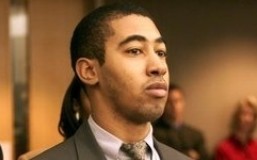
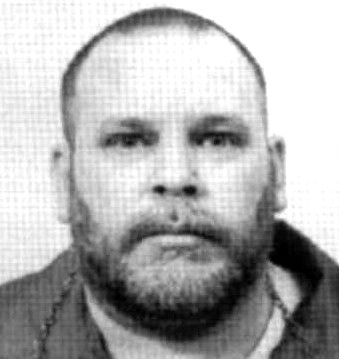
Robert Wayne Harris
Mass murderer Gameel Al-Batouti
Mass murderer · USA · 1999
Gameel Al-Batouti (also rendered “Gamil ElBatouty” or “El Batouty” in U.S. offi…
216 victims
Gameel Al-Batouti
Mass murderer · USA · 1999
Gameel Al-Batouti (also rendered “Gamil ElBatouty” or “El Batouty” in U.S. offi…
216 victims
 Timothy McVeigh
Mass murderer · USA · 1995
Timothy James McVeigh (April 23, 1968 – June 11, 2001) was a United States Army…
168 victims
Timothy McVeigh
Mass murderer · USA · 1995
Timothy James McVeigh (April 23, 1968 – June 11, 2001) was a United States Army…
168 victims
 Julio Gonzalez
Mass murderer · USA · 1990
Julio Gonzalez was sentenced to 174 twenty-five-year sentences (a total of 4,35…
87 victims
Julio Gonzalez
Mass murderer · USA · 1990
Julio Gonzalez was sentenced to 174 twenty-five-year sentences (a total of 4,35…
87 victims
 Seung-Hui Cho
Mass murderer · USA · 2007
Seung-Hui Cho was a mass murderer who shot and killed 32 people and wounded man…
32 victims
Seung-Hui Cho
Mass murderer · USA · 2007
Seung-Hui Cho was a mass murderer who shot and killed 32 people and wounded man…
32 victims
 George Jo Hennard
Mass murderer · USA · 1991
George Jo Hennard carried out a mass killing at a Luby’s Cafeteria in Killeen,…
23 victims
George Jo Hennard
Mass murderer · USA · 1991
George Jo Hennard carried out a mass killing at a Luby’s Cafeteria in Killeen,…
23 victims
 Eric Harris
Mass murderer · USA · 1999
Eric Harris committed suicide by gunshot to the roof of the mouth on April 20,…
13 victims
Eric Harris
Mass murderer · USA · 1999
Eric Harris committed suicide by gunshot to the roof of the mouth on April 20,…
13 victims
 Mary Jane Fonder
Murderer · USA · 2008
Mary Jane Fonder (born July 5, 1942) was an American criminal who murdered Rhon…
1 victim
Mary Jane Fonder
Murderer · USA · 2008
Mary Jane Fonder (born July 5, 1942) was an American criminal who murdered Rhon…
1 victim
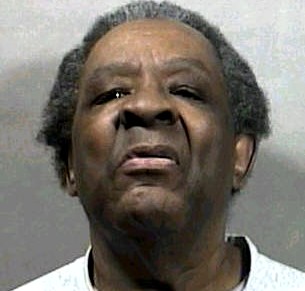 Leroy Snyder
Serial killer · USA · 1969
Leroy Snyder was a 38-year-old junkyard laborer. He was charged with the murder…
7 victims
Leroy Snyder
Serial killer · USA · 1969
Leroy Snyder was a 38-year-old junkyard laborer. He was charged with the murder…
7 victims
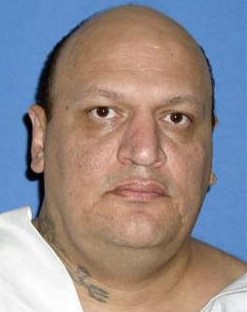 Ricardo Samaniego Ortiz
Murderer · USA · 1997
Ricardo Samaniego Ortiz was convicted of capital murder and sentenced to death…
1 victim
Ricardo Samaniego Ortiz
Murderer · USA · 1997
Ricardo Samaniego Ortiz was convicted of capital murder and sentenced to death…
1 victim
 Dana Ewell
Murderer · USA · 1992
Dana Ewell (born January 28, 1971, Fresno, California) — American convicted tri…
3 victims
Dana Ewell
Murderer · USA · 1992
Dana Ewell (born January 28, 1971, Fresno, California) — American convicted tri…
3 victims
 Frank James Coppola
Murderer · USA · 1978
Frank James Coppola (1944–August 10, 1982) was a former police officer from Por…
1 victim
Frank James Coppola
Murderer · USA · 1978
Frank James Coppola (1944–August 10, 1982) was a former police officer from Por…
1 victim
- Gender
- male
- Country
- USA
- Location
- Dallas County , Texas, USA
- Date of birth
- February 28, 1972
- Age at first offence
- 27
- Characteristics
- revenge, alcohol, drug dealer, drug addict, domestic violence
- Victim profile
- Sandra Estes Scott / Rhoda Wheeler, 45; Augustin Villasenor, 36; Benjamin Villasenor, 32; Roberto Jimenez Jr., 15, and Dennis Lee, 48 ( former co-workers )
- Method of murder
- Shooting
- Date(s) of murder
- November 29, 1999 / March 20, 2000
- Years active
- 1999–2000
- Date of arrest
- March 21, 2000
- Status
-
Executed
Sentenced to death on October 6, 2000; executed by lethal injection in Texas on September 20, 2012
Case record: Robert Wayne Harris
Timeline
- March 15, 2000 — Robert Wayne Harris masturbated in front of a female customer at Mi-T-Fine Car Wash in Irving; the customer reported the incident to a manager and a cashier called the police.
- March 21, 2000 — Harris was arrested.
- March 22, 2000 — Harris was interviewed again to clarify questions about the instant offense; he volunteered that he had murdered Sandra Scott.
- April 10, 2000 — Harris was indicted for the murder of Agustin Villasenor and Rhoda Wheeler.
- May 1991 — Harris was sentenced to five years in prison on two counts of burglary of a building.
- June 1991 — Harris was sentenced to eight years on a third count of burglary of a building.
- May 1999 — Harris was paroled.
- June 1991 — Harris was discharged in June 1999.
- September 15, 2004 — The Texas Court of Criminal Appeals denied habeas relief.
- September 29, 2000 — A Dallas County jury found Harris guilty of murdering Agustin Villasenor and Rhoda Wheeler.
- October 6, 2003 — The U.S. Supreme Court denied writ of certiorari.
- February 12, 2003 — The Texas Court of Criminal Appeals affirmed Harris’s conviction and sentence.
- September 10, 2008 — The district court ordered an evidentiary hearing set on a retardation claim.
- November 13, 2009 — The district court ordered an independent evaluation of Harris.
- March 24, 2011 — The district court denied Harris’s habeas petition and refused to issue a COA.
- April 21, 2011 — Harris filed a motion to alter or amend the judgment in the district court.
- April 25, 2011 — The district court denied the motion.
- March 15, 2012 — The U.S. Court of Appeals for the Fifth Circuit denied the COA.
- August 27, 2012 — Harris filed a successive petition for habeas corpus in the 282nd District Court.
- September 17, 2012 — A media advisory stated Robert W. Harris was scheduled for execution after 6 p.m. on September 20, 2012.
- September 20, 2012 — Harris was executed by lethal injection in Texas; he was pronounced dead at 6:43 p.m.
- September 19, 2012 — Harris was reported as set for execution that evening.
Background
Robert Wayne Harris was born 02/28/1972 and was Black, male, with black hair and brown eyes. His height was 6'00" and his weight was 182. His education was 9 years and his occupation was laborer. The county of offense was Dallas. He was a native of Dallas. His Texas Department of Criminal Justice (TDCJ) number was 999364.
Harris had three previous convictions for burglary of a building and also had a history of assault and battery and drug dealing. During incarceration, he resided mostly in administrative segregation due to several violations and aggressive behavior. He attended the Program for the Aggressive Mentally Ill Offender, but the incidents continued and he was discharged from the program for non-compliance. Fifteen prison personnel testified regarding behavioral problems during his incarceration, including setting fire to his cell, threatening to kill prison personnel, assaulting prison personnel and other inmates, dealing drugs, refusing to follow orders, and engaging in sexual misconduct.
The offence
Harris worked at Mi-T-Fine Car Wash for about ten months prior to the offense. An armored car picked up cash receipts from the car wash every day except Sunday, and Harris knew that on Monday morning the safe would contain cash receipts from the weekend and the cash register would contain $200–$300 for making change.
On March 15, 2000, Harris masturbated in front of a female customer at the car wash. The customer reported the incident to a manager, and a cashier called the police. Harris was arrested and fired. Four days later, Harris borrowed a car from a friend, borrowed a handgun from another friend, and drove to the car wash on a Monday morning before it opened.
On March 20, 2000, Harris returned to the car wash at 7:15 a.m. before it opened for business. He forced manager Dennis Lee, assistant manager Augustin Villasenor (also spelled Agustin Villasenor / Augustin Villaseñor), and cashier Rhoda Wheeler into the office. He instructed Wheeler to open the safe. Wheeler complied and gave Harris the cash.
Harris forced all three victims to the floor and shot each of them in the back of the head at close range. Harris also slit Lee’s throat.
Before Harris could leave, three other employees arrived for work. Harris forced them to kneel on the floor of the lobby area and shot each of them in the back of the head at close range.
- Benjamin Villasenor, 32 — died.
- Roberto Jimenez, 15 — died.
- The third victim survived but was left permanently disabled.
Shortly thereafter, seventh employee Jason Shields arrived. Shields noticed the three bodies in the lobby and saw Harris standing near the cash register. After a brief exchange in which Harris claimed to have discovered the crime scene, pointed out the bodies of the other victims, and pulled a knife from a nearby bookshelf, Shields became nervous and told Harris he needed to step outside for fresh air. Shields hurried to a nearby doughnut shop to call authorities. Harris followed Shields to the doughnut shop, spoke to the 911 operator, and then fled the scene.
Harris returned the vehicle to Junior Herrera and told Herrera that he had discovered some bodies at the car wash. Harris then took a taxi to the home of Billy Brooks.
At Brooks’s house, Harris separated the money from the other objects and disposed of metal lock boxes, a knife, a crowbar, and pieces of a cell phone in a wooded area. Harris purchased new clothing, checked into a motel, and sent Brooks to purchase a gold cross necklace for him. Harris made about $4,000 in the robbery.
Later that afternoon, Harris drove to the home of another friend and remained there until the following morning, when he was arrested.
Victims
The victims killed in the car wash shootings included:
- Agustin Villasenor (assistant manager; age stated as 36 in the trial reporting)
- Rhoda Wheeler (cashier; age stated as 45 and 46 in different parts of the record)
- Benjamin Villasenor, 32
- Dennis Lee (car wash manager; age stated as 48 in trial reporting, and also stated as a victim without an age in other parts)
- Roberto Jimenez Jr., 15 (also stated as Roberto Jimenez, 15)
A survivor from the lobby area shooting was left permanently disabled.
Investigation and arrest
The description included that Harris never denied his involvement in the March 2000 massacre. Harris fled the scene and was captured the next day at a friend’s house in Dallas. Harris directed authorities to the body of Sandra Estes Scott, 37, who had been missing since November 29, 1999 and whose remains were found in the Trinity River floodplain. Harris confessed after his arrest.
During the arrest and subsequent interviews, Detective Jeff Spivey gave Harris warnings at the time of arrest and repeated Harris’s rights at 11:25 a.m. in the police department sally-port. Spivey obtained a written statement from Harris denying responsibility initially. Appellant then provided a second incriminating statement. Harris later led officers to where he had deposited a duffel bag containing tools and cash boxes, directing them to a wooded area where police later retrieved the bag. On March 22, Harris volunteered that he had murdered Sandra Scott and led officers to a field where he had disposed of Scott’s body.
Detective Johnson was involved in connection with the Scott murder investigation; Johnson did not read or recite any warnings to Harris.
Trial
Harris pleaded innocent at the start of the trial.
A Dallas County jury convicted Harris of capital murder. The conviction was for killing Agustin Villasenor and Rhoda Wheeler in the same criminal transaction. The record described that prosecutors tried Harris specifically for two of the slayings, and Harris was charged but not tried for the killings of:
- Benjamin Villasenor, 32
- Dennis Lee
- Roberto Jimenez Jr., 15
The trial included a punishment phase in which the trial judge sentenced Harris to death by lethal injection after the jury recommended capital punishment.
In the direct appeal opinion, the Texas Court of Criminal Appeals described and addressed multiple points of error, including:
- Sufficiency of the evidence to support the future dangerousness issue.
- Absence of the defendant during trial proceedings related to voir dire and qualification of an expert.
- Venire issues relating to challenges for cause and peremptory strikes.
- Admission of written confessions and autopsy photographs.
- Jury charge issues regarding parole instructions and definitions in special issues.
- Constitutional challenges to Texas death penalty scheme.
- Cumulative error.
Sentencing
On September 29, 2000, the jury found Harris guilty and recommended capital punishment. The trial judge sentenced Harris to death by lethal injection pursuant to the jury’s answers to the special issues set forth in Texas law.
Appeals
The Texas Court of Criminal Appeals affirmed Harris’s conviction and sentence on February 12, 2003. The U.S. Supreme Court denied writ of certiorari on October 6, 2003.
In federal habeas proceedings, the district court denied Harris’s petition on March 24, 2011, refused to issue a COA, and the Fifth Circuit denied the COA on March 15, 2012.
Harris raised a claim that he could not be executed because he was mentally retarded under Atkins v. Virginia. A federal court denied a certificate of appealability and held that reasonable jurists could not debate the district court’s conclusion that Harris failed to show he was ineligible for a death sentence under Atkins.
Outcome
The legal outcome was that Harris was sentenced to death and the conviction and sentence were affirmed on direct appeal and denied on subsequent review, and he was executed.
Aftermath and execution details
on September 20, 2012** and was executed by lethal injection in Texas on September 20, 2012. He was pronounced dead at 6:43 p.m.
In his last statement, Harris expressed love and comfort to his brother and three friends who attended his execution:
"I'm going home. I'm going home,"
He did not look in the direction of the friends and relatives of his victims, who watched from another room. He said:
"Don't worry about me."
He also stated:
"I'll be alright. God bless, and the Texas Rangers, Texas Rangers."
He snored briefly as the lethal dose of pentobarbital began, then all breathing stopped.
Other details
Harris had prior criminal history described as:
- An 8 year sentence from Dallas County for 3 counts of burglary of a building.
- Released on mandatory supervision on 5/3/1999.
- Discharged 6/27/1999.
- He had also been charged with unauthorized use of a motor vehicle; a court revoked his probation for absconding from a residential treatment program, and he spent eight years in prison.
Regarding the car wash murders, the defense characterized the murders as an immediate reaction to provocation after one of his former co-workers called him a “pervert.” Harris had been fired three days prior after exposing himself to two women at the business.
The record referenced that on the day Harris was arrested for the car wash murders, testimony indicated he was planning to drive to Florida to kill an old girlfriend.
During the punishment hearing and related proceedings, there were assertions that:
- Prosecutors engaged in purposeful racial discrimination and used jury challenges to exclude potential black jurors.
- Harris was mentally impaired and should not be put to death based on a Supreme Court prohibition against executing the mentally impaired.
- State attorneys opposed the appeals, including that IQ tests disputed the mental impairment claims and that there was no racial component involved in jury selection.
A last meal policy was also referenced indicating Texas no longer offered a special last meal to condemned inmates; the inmate was offered the same meal served to the rest of the unit.
Co-defendants were listed as none.
Spotted an error, or have more information about this case?