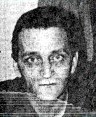
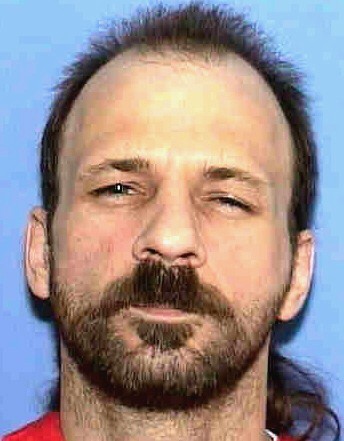
Donald Eugene Harding
Serial killer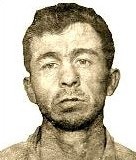 Donald Henry Gaskins
Serial killer · USA · 1969
Donald Henry Gaskins, also known as Donald “Pee Wee” Gaskins, was a serial kill…
200 victims
Donald Henry Gaskins
Serial killer · USA · 1969
Donald Henry Gaskins, also known as Donald “Pee Wee” Gaskins, was a serial kill…
200 victims
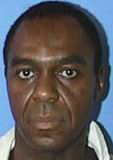 Carl Eugene Watts
Serial killer · USA · 1974
Carl Eugene Watts (born November 7, 1953; died September 21, 2007), also known…
100 victims
Carl Eugene Watts
Serial killer · USA · 1974
Carl Eugene Watts (born November 7, 1953; died September 21, 2007), also known…
100 victims
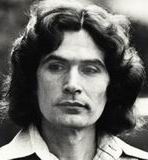 Rodney Alcala
Serial killer · USA · 1977
Rodney James Alcala (born August 23, 1943) was also known as Rodrigo Jacques Al…
100 victims
Rodney Alcala
Serial killer · USA · 1977
Rodney James Alcala (born August 23, 1943) was also known as Rodrigo Jacques Al…
100 victims
 Donald Harvey
Serial killer · USA · 1970
Donald Harvey was known as an American serial killer and a self-professed “Ange…
87 victims
Donald Harvey
Serial killer · USA · 1970
Donald Harvey was known as an American serial killer and a self-professed “Ange…
87 victims
 Donald Leroy Evans
Serial killer · USA · 1975
Donald Leroy Evans (born July 5, 1957) was an American serial killer who murder…
60 victims
Donald Leroy Evans
Serial killer · USA · 1975
Donald Leroy Evans (born July 5, 1957) was an American serial killer who murder…
60 victims
 Michael Swango
Serial killer · USA · 1981
Michael Swango (Joseph Michael Swango) was a physician and American serial kill…
60 victims
Michael Swango
Serial killer · USA · 1981
Michael Swango (Joseph Michael Swango) was a physician and American serial kill…
60 victims
 Arthur Martin Boyd
Murderer · USA · 1982
Arthur Martin Boyd was executed by lethal injection in North Carolina on Octobe…
1 victim
Arthur Martin Boyd
Murderer · USA · 1982
Arthur Martin Boyd was executed by lethal injection in North Carolina on Octobe…
1 victim
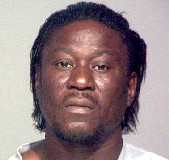 Walter Ellis
Serial killer · USA · 1986
Walter E. Ellis was a serial killer known as the Milwaukee North Side Strangler…
7 victims
Walter Ellis
Serial killer · USA · 1986
Walter E. Ellis was a serial killer known as the Milwaukee North Side Strangler…
7 victims
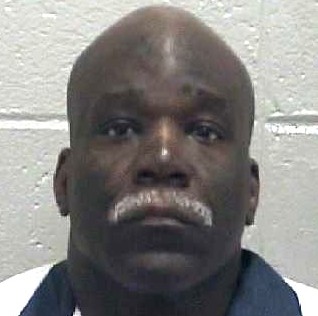 Michael Anthony Cohen
Murderer · USA · 1985
Michael Anthony Cohen, 40, was sentenced to death in Glynn County in December 1…
1 victim
Michael Anthony Cohen
Murderer · USA · 1985
Michael Anthony Cohen, 40, was sentenced to death in Glynn County in December 1…
1 victim
- Gender
- male
- Country
- USA
- Location
- Arkansas/New Mexico/California/Arizona, USA
- Date of birth
- March 1, 1949
- Age at first offence
- 30
- Characteristics
- robbery
- Victim profile
- Men
- Method of murder
- Shooting - Asphyxiation
- Date(s) of murder
- 1979 - 1980
- Years active
- 1979–1980
- Date of arrest
- January 26, 1980
- Status
-
Executed
Executed by asphyxiation-gas in Arizona on April 6, 1992
Case overview
Donald Eugene Harding was convicted of the January 25, 1980 murders of Robert Wise and Martin Concannon. He was executed in 1992 by the State of Arizona by gas chamber.
Timeline
- Sept. 17, 1979 — Harding sawed his way out of an Arkansas jail.
- Sept. 27, 1979 — Harding was accused of attempting to rob a prostitute in Chicago.
- Sept. 30, 1979 — Harding was accused of robbing a steakhouse in Omaha of $83,000 in cash and jewels, and pistol-whipping a patron.
- Oct. 23, 1979 — Harding was accused of holding up a Knoxville, Tenn., bank.
- Dec. 10, 1979 — Harding was accused of murdering Stanton Winston Blanton in Dallas.
- Dec. 11, 1979 — Harding was accused of kidnapping and robbing the B.R. Baker family in their north Dallas home.
- Dec. 18, 1979 — Harding was accused of using a phony security guard's badge to enter insurance agent Ronald Svetgoff's motel room in Waco, Texas, tying and gagging him, and stealing his car.
- Dec. 24, 1979 — Harding was accused of tying up Clayton Hall, his wife and another couple, and robbing them in Dallas.
- Dec. 31, 1979 — Harding was accused of robbing, hogtying and gagging Phillip Buss in a Salt Lake City hotel and stealing his car.
- Jan. 3, 1980 — Harding was accused of robbing and murdering Charles Dickerson in a motel in South Lake Tahoe, Calif.
- Jan. 5, 1980 — Harding was accused of pulling a .25-caliber automatic pistol on Frank Palmer of Sacramento, tying him with cord and neckties, stealing his car and credit card.
- Jan. 6, 1980 — Harding was accused of forcing Joseph Wohlers and his uncle, Robert Stoick, into their Los Angeles hotel room at gunpoint and hogtying them before taking their credit cards, luggage and car.
- Jan. 10, 1980 — Harding was accused of murdering and stealing a car from Gerald Huth, a businessman from Minnesota, on U.S. 101 near Paso Robles, Calif.
- Jan. 21, 1980 — Harding was accused of kidnapping and robbing Shirley Land and four others in her husband's San Diego optometry clinic.
- Jan. 25, 1980 — Harding gained entrance to a Tucson motel room of Robert Wise and Martin Concannon, hogtied both men with multiple ligatures, and shot each in the head and chest from close range. Harding beat Wise with a lamp and stuffed sock into Concannon's mouth. Harding then took various articles belonging to both men and departed in Concannon's car. About 8:00 p.m. Harding appeared at Wise's home in Mesa, knocked on the door, asked Wise's wife whether "Bob" was there, used a business card in his left hand, and left when he learned a child and a large dog were present.
- Jan. 26, 1980 — Harding was arrested in Flagstaff while driving Concannon's car.
- April 21, 1982 — Start of trial.
- April 27, 1982 — Verdict.
- May 26, 1982 — Sentencing.
- Oct. 16, 1985 — Harding filed an amended petition for a writ of habeas corpus.
- April 6, 1992 — Harding was executed by gas chamber.
- Mar. 27, 1992 — Arizona was checking its gas chamber for the scheduled April 6 execution of Donald Harding.
- Apr. 7, 1992 — Arizona conducted its first execution in 29 years, putting to death Donald Eugene Harding.
- Dec. 21, 1987 — Harding v. Lewis was decided by the Ninth Circuit (Habeas corpus dismissal affirmed).
Background
Donald Eugene Harding was born March 1, 1949 and died April 6, 1992.
Harding had represented, during the period before trial, by a public defender named Dan Cooper. Cooper filed thirty motions seeking, inter alia, to exclude evidence, to delay the trial, and to develop an insanity defense.
The offence
Tucson motel room murders (Jan. 25, 1980)
On January 25, 1980, Harding managed to gain entrance to “5: Tucson motel room” of Robert Wise and Martin Concannon, “probably by posing as a security guard.” Harding hogtied both men with multiple ligatures and shot each “A the head and chest from close range.” Harding beat Wise with a lamp and stuffed sock into Concannon's mouth.
After the killings, Harding took various articles belonging to both men and departed in Concannon's car.
Visit to Wise’s home (Jan. 25, 1980)
About 8:00 p.m. that same day, Harding appeared at Wise's home in Mesa and knocked on the door. He asked Wise's wife whether “Bob” was there. He had one of Wise's business cards in his left hand and kept his right hand in his pocket while he spoke with Mrs. Wise at the door. Harding left, “probably because a child and a large dog were present.”
Nature of the killings as presented to the jury
On January 26, 1980, the Tucson Police Department was called to investigate suspicious circumstances at the La Quinta Motel in Tucson, Arizona. Officers discovered two bodies, one located next to the bed and the other in the bathroom. The bodies were identified as Martin L. Concannon and Robert A. Wise.
The jury was shown approximately 150 pictures depicting the room where the crime occurred and the autopsies performed on the victims. The pictures demonstrated that the victims were bound repeatedly with various types of ligatures.
The body of Martin L. Concannon was found on the floor of the bathroom covered with a bedspread. His body had been repeatedly bound, two men's socks stuffed into his mouth and a pillow placed under his head.
Robert Wise's head was tethered to the bed and he was hog-tied with his feet bound together and tied with a sheet to his elbows. A belt had been wrapped around his wrists which constricted his hands. Blood splattered on the walls indicated that Wise was beaten repeatedly. Pieces of teeth were found underneath his head. Small chips of synthetic wood were found under the body which were identified as pieces from the base of the hotel room lamp. Chemical analysis showed human blood on the base of this lamp. The harp of the lamp was found near Wise's body. The lamp itself had been plugged back into the wall.
The identifiable prints were taken from the do-not-disturb sign found outside the door, a small glass on the table near the bed, cellophane wrapping from a package of Winston cigarettes and off the top part of the lampshade. All four of these fingerprints were identified as matching those of Donald Harding.
Fingerprints were also removed from the telephone receiver, a light bulb and an ashtray. These prints were also identified as matching those of Donald Harding.
The pathologist testified that Robert Wise was shot in the chest from front to back and in the left temple. The wounds revealed that he was shot with the muzzle of the gun only a few inches from the skin. He sustained a multiple fracture to the jaw and his teeth had been broken by repeated impacts with a blunt object. A tether had been placed around Wise's neck with enough force to create a U-shaped abrasion, which penetrated the skin, causing the blood vessels to rupture. The victims wrists had been tightly bound. Wise's death was caused by the bullet wound to the chest which perforated the spinal cord. The time of death was estimated by the pathologist at between 1 p.m. and 7 p.m. on January 25, 1980.
The autopsy performed on Martin Concannon showed that his death was also caused by a shot to the chest which perforated the spinal cord. He had also been shot in the temple. The autopsy revealed that the two socks which had been pushed to the back of his throat had covered all breathing passages. Hemorrhaging in the scalp tissue, caused by lack of oxygen, indicated that Concannon had not died immediately.
Witness identification of Harding at the door
Jeri Wise testified that her husband was the district manager for KAR Products. She testified that he left the 24th of January to see Marty Concannon, one of his salesmen, and to make a call in Ft. Huachuca. Mrs. Wise expected him to return the next day, January 25, around 6:30 p.m.
At approximately 8:40 on that night a man came to the Wise's home and asked if Bob was there. Mrs. Wise testified that the man was holding one of her husband's business cards and acting very nervous. She stated that he was wearing a rust colored jacket and a burgundy shirt. The man left the Wise's home when she told him she expected her husband home soon as he was already overdue.
Mrs. Wise positively identified Donald Harding as the man at her door that night.
Other crimes accused in the weeks after Harding escaped (Sept. 17, 1979)
These were the other crimes that Donald Eugene Harding was accused of committing in the weeks after he sawed his way out of an Arkansas jail on Sept. 17, 1979:
- Attempting to rob a prostitute in Chicago on Sept. 27, 1979.
- Robbing a steakhouse in Omaha of $83,000 in cash and jewels, and pistol-whipping a patron on Sept. 30, 1979.
- Holding up a Knoxville, Tenn., bank on Oct. 23, 1979.
- The murder of Stanton Winston Blanton in Dallas on Dec. 10, 1979.
- The kidnapping and robbery of the B.R. Baker family in their north Dallas home on Dec. 11, 1979.
- Using a phony security guard's badge to enter insurance agent Ronald Svetgoff's motel room in Waco, Texas, before tying and gagging him, and stealing his car on Dec. 18, 1979.
- Tying up Clayton Hall, his wife and another couple, and robbing them in Dallas on Dec. 24, 1979.
- Robbing, hogtying and gagging Phillip Buss in a Salt Lake City hotel on Dec. 31, 1979, and stealing his car.
- Robbing and murdering Charles Dickerson on Jan. 3, 1980, in a motel in South Lake Tahoe, Calif.
- Pulling a .25-caliber automatic pistol on Frank Palmer of Sacramento, and tying him with cord and neckties from Palmer's apartment before stealing his car and credit card on Jan. 5, 1980.
- Asking to rent an apartment from Lyle and Margaret Murphy of Bakersfield, Calif., and then stealing their money and their car.
- Forcing Joseph Wohlers and his uncle, Robert Stoick, into their Los Angeles hotel room at gunpoint on Jan. 6, 1980, and hogtying them before taking their credit cards, luggage and car.
- Murdering and stealing a car from Gerald Huth, a businessman from Minnesota, on U.S. 101 near Paso Robles, Calif., on Jan. 10, 1980.
- Kidnapping and robbing Shirley Land and four others in her husband's San Diego optometry clinic Jan. 21, 1980.
- Using adhesive tape from Allan Gage's colostomy bag to tie his hands and feet while robbing him in a Phoenix motel room on Jan. 25, 1980.
- Gage suffocated on a sock stuffed in his mouth and secured with tape, and Harding later was convicted of the murder.
Investigation
Arrest location and circumstances (Flagstaff; Jan. 26, 1980)
January 26, 1980, a Northern Arizona University police guard was assigned to a parking lot near the athletic dome on the NAU campus to ensure that only members of the booster club parked in the lot. He observed a man driving an Oldsmobile, with Ohio plates, pull into the lot. The guard told the driver that he would not be allowed to park in the lot.
The driver asked if there was a place he could park and the guard suggested a lot north of the dome. The guard identified the driver of the car as Donald Harding. The Oldsmobile he was driving belonged to Martin Concannon.
The guard testified that Harding appeared a little strange because he spoke with a Southern accent but was driving a car with Ohio plates. He testified Harding was also wearing two jackets and had numerous articles in the back seat. The guard ran a warrants check on the car and was told that it had been stolen from Tucson. He called for back up units and they arrested Harding.
A body search revealed a .25 automatic in Harding's jacket pocket. A ballistics check run on the gun showed that it was the same weapon used to kill Concannon and Wise in Tucson.
Two security badges, a wallet and an identification card issued to Ronald Svetgoff were also found on Harding.
Harding told the NAU police that he was Svetgoff but looked different because he had lost some weight and changed his hair.
Evidence in Concannon’s car
The Tucson police executed a search warrant on the car that Harding was driving when he was arrested.
In it were found: 1) a tan attache case (which Mrs. Wise identified at trial as her husband's), 2) loose credit cards in the name of Robert Wise and 3) a box of pens and a memo pad with KAR logo.
The Tucson police obtained clothing from the Coconino County Jail which included a burgundy colored long-sleeved shirt, a pair of black shoes and two jackets. Jeri Wise identified the burgundy shirt as the one Harding was wearing when he came to her house. Chemical tests performed on this shirt showed the presence of human blood.
Inside one of the jackets was Robert Wise's drivers license and page C-D torn out of an address book with the names of Pam and Martin Concanon circled.
Arrest and custodial statements
Two statements made by Harding were introduced into evidence at the trial.
The first was made while Harding was being transported from Flagstaff to Tucson. A Tucson police detective testified that it was a cold day and Harding was wearing only a short-sleeved shirt. The detective opened his suitcoat to protect him from the wind while they waited for the airplane.
The detective testified that Harding looked at him and said:
"you don't need to do that, I deserve whatever I get."
Harding made a second statement in Tucson. The same detective testified that Harding asked if he could get some of his clothes returned and that the detective told him that the police had to keep the clothes in order to look for evidence.
Harding told the detective that he might find something on the burgundy shirt and shoes but the rest of the clothing had not been worn.
Trial
Proceedings
Presiding Judge: Harry Gin Prosecutor: Victor Wild
Start of Trial: April 21, 1982 Verdict: April 27, 1982 Sentencing: May 26, 1982
Harding was convicted of two counts of first degree murder, two counts of armed robbery, two counts of kidnapping, and one count of theft. He was sentenced to death on each of the murder convictions.
For two years while awaiting trial, Harding was represented by Dan Cooper.
Cooper filed thirty motions during this period, including motions to exclude evidence, delay the trial, and develop an insanity defense.
Competency and self-representation
Harding contended on habeas review that he was not competent to waive his right to counsel at his criminal trial and that his waiver was not made knowingly and intelligently. He also argued that he waived his right to counsel at the recommendation of his attorney, Dan Cooper, and that this advice constituted per se ineffective assistance of counsel. The denial of the writ of habeas corpus was affirmed.
Request to represent himself
On March 15, 1982, Harding asked the state court to allow him to represent himself on an unrelated charge of deadly assault by a prisoner. Judge Gin questioned Harding about his education, his experiences with the criminal justice system, and the reasons for his wanting to defend himself. The court allowed Harding to represent himself on the assault charge and appointed Cooper as advisory counsel at Harding's request.
On March 23, 1982, eight days after Harding made his request to represent himself on the assault charge, Cooper asked Judge Gin to allow him to withdraw from the present case because Harding wanted to act as his own attorney.
Judge Gin reviewed Harding's statements about his education and his familiarity with criminal procedure and warned Harding that he might receive the death penalty if convicted of the murders. Judge Gin denied the request when Harding refused to sign the waiver of counsel form because it included the appointment of Cooper as advisory counsel.
On April 15, 1982, Harding renewed his request to represent himself. Cooper filed a motion to withdraw for ethical reasons at approximately the same time. The presiding judge of the state court, Judge Druke, held a hearing with Cooper in his chambers and off the record. Judge Druke informed Judge Gin that Harding had told Cooper that he (Harding) intended to commit a crime and Harding had refused to waive any potential conflict of interest that might arise during Cooper's continued representation.
Judge Gin discussed with Harding his desire to represent himself and whether Harding would have to accept advisory counsel. The judge then permitted Harding to represent himself but appointed Cooper as advisory counsel, stating that "the problem of threats" would persist no matter who represented Harding or acted as advisory counsel.
Cooper continued to pursue pretrial motions he had filed and served as advisory counsel throughout the trial, which started on April 20, 1982.
Sentencing hearing
The court held a hearing on aggravating and mitigating circumstances for purposes of sentencing on May 26, 1982. The court had ordered a psychiatric evaluation before the hearing, but Harding would not speak to the doctor. The judge twice offered to reappoint counsel, but Harding refused. At the hearing the court again offered to appoint counsel and to permit more time to marshal evidence of mitigating circumstances. Harding declined counsel and presented no mitigating evidence.
The court found four aggravating circumstances. Harding was sentenced to death on each of the murder counts.
Appeals
Direct appeal and certiorari
The Arizona Supreme Court affirmed the convictions and the sentences: State v. Harding, 137 Ariz. 278, 670 P.2d 383 (1983). The Supreme Court of the United States denied certiorari: 465 U.S. 1013, 104 S.Ct. 1017, 79 L.Ed.2d 246 (1984).
Post-conviction habeas proceedings
Harding filed for post-conviction relief under Arizona's rules of criminal procedure (Ariz.R.Crim.P. 32). The state court held an evidentiary hearing on the issue of whether Harding was denied a fair trial or effective assistance of counsel. The court denied relief and a subsequent petition for reconsideration; the Arizona Supreme Court declined to review the decision.
On October 16, 1985, Harding filed an amended petition for a writ of habeas corpus. The district court dismissed the petition.
Ninth Circuit decision
Harding v. Lewis, 834 F.2d 853 (9th Cir.), affirmed dismissal of Harding’s petition for a writ of habeas corpus. The decision stated:
Harding’s appeal to the Ninth Circuit contended that he was not competent to waive counsel and that his waiver was not made knowingly and intelligently, and that Cooper’s recommendation of self-representation constituted per se ineffective assistance of counsel.
The Ninth Circuit concluded that Harding was competent to waive his right to counsel, did so knowingly and intelligently, and was not prejudiced by Cooper's advising him to do so.
The Ninth Circuit also referenced procedural standards for competency and knowing and intelligent waiver, and it concluded that Cooper’s advice should not be presumed prejudicial.
Outcome
Harding’s gas-chamber execution occurred on April 6, 1992. His execution took more than 11 minutes before death was finally confirmed, and it included obscenity gestures while strapped in the gas chamber.
The Arizona Board of Pardons and Paroles refused to recommend that Gov. Fife Symington grant Harding a reprieve or commute his sentence to life in prison. Late-hour appeals were rejected in turn by the state Supreme Court, a Federal judge in Tucson, a Federal appeals court and the United States Supreme Court.
Aftermath
Arizona voters approved changing the method of execution from gas to lethal injection after Harding’s gas chamber execution. The change still allowed prisoners condemned after November 1992 to be executed by lethal injection, while prisoners sentenced to death prior to November 15, 1992 could still choose the gas chamber.
Harding became the last prisoner executed in Arizona's gas chamber without having lethal injection as an option.
Execution details and related factual account
On April 6, 1992, Harding was executed in the gas chamber at the state prison in Florence. He was not pronounced dead until 10 1/2 minutes after two cyanide pellets were dropped into a bowl of sulfuric acid beneath his chair to release the gas.
Witnesses described that Harding gasped, shuddered, and made obscene gestures with both strapped-down hands. He extended his middle finger at least twice, once while in the throes of death. His straps were across his forearms.
A later account described:
When the fumes enveloped Don's head he took a quick breath. A few seconds later he again looked in my direction. His face was red and contorted as if he were attempting to fight through tremendous pain. His mouth was pursed shut and his jaw was clenched tight. Don then took several more quick gulps of the fumes. At this point Don's body started convulsing violently . . . . His face and body turned a deep red and the veins in his temple and neck began to bulge until I thought they might explode. After about a minute Don's face leaned partially forward, but he was still conscious. Every few seconds he continued to gulp in. He was shuddering uncontrollably and his body was racked with spasms. His head continued to snap back. His hands were clenched. After several more minutes, the most violent of the convulsions subsided. At this time the muscles along Don's left arm and back began twitching in a wave-like motion under his skin. Spittle drooled from his mouth . . . . Don did not stop moving for approximately eight minutes, and after that he continued to twitch and jerk for another minute. Approximately two minutes later, we were told by a prison official that the execution was complete. Don Harding took ten minutes and thirty-one seconds to die.
The account added:
Cruel and unusual? It takes one cold, mean s.o.b. to say it is not.
Meal and identification
Harding’s last meal was: Several Fried Eggs, Several Strips of Bacon Toast, Butter, Honey and Orange Juice.
Other details: criminal counts and aggravating circumstances
Harding was convicted of the January 25, 1980 murders of two businessmen: Robert Wise of Mesa and Martin Concannon of Tucson, who were robbed, hogtied, beaten and shot in a Tucson hotel in 1980.
Harding was also convicted of killing a man in similar fashion a day earlier in a Phoenix motel.
Aggravating Circumstances:
- Prior conviction punishable by life imprisonment
- Prior conviction involving violence
- Pecuniary gain
- Especially depraved
Mitigating Circumstances:
- None
Sources of trial evidence (appendix content relevant to record)
La Quinta Motel scene evidence and identification of Harding’s prints
The jury was shown pictures depicting the room where the crime occurred and autopsies. Prints were identified as matching Donald Harding from:
- do-not-disturb sign outside the door
- a small glass near the bed
- cellophane wrapping from a package of Winston cigarettes
- off the top part of the lampshade
- telephone receiver
- light bulb
- ashtray
Evidence regarding Waco robbery (Dec. 18, 1979)
Robert Svetgoff testified that he was robbed in a motel in Waco, Texas on December 18, 1979 by a man he identified as Donald Harding. Svetgoff said Harding approached him, showed him a security badge, identified himself as a security officer and demanded that Svetgoff produce identification. Svetgoff identified one of the badges found on Harding as the one used during this robbery.
When Svetgoff opened the door to his hotel room, Harding pulled a gun, forced Svetgoff onto the floor and tied him up with a tie, a torn dress shirt and his jumprope. Harding put a sock in Svetgoff's mouth, wrapped a t-shirt around that and then tied a belt around his mouth. Harding then rolled Svetgoff in a bedspread, dragged him into the bathroom and placed a pillow under his head. Harding stole all of Svetgoff's clothes and left in his car.
NAU guard testimony (Jan. 26, 1980)
The NAU police guard identified the driver of the car as Donald Harding and identified the Oldsmobile as Martin Concannon’s car. The guard testified Harding appeared strange due to his Southern accent while driving an Ohio-plated vehicle. The guard testified Harding wore two jackets and had numerous articles in the back seat. The guard ran a warrants check and learned the car was stolen from Tucson.
Appellate decision citations and related procedural history
The record included these published opinions and decisions:
- State v. Harding, 137 Ariz. 278, 670 P.2d 383 (1983).
- Harding v. Lewis, 641 F. Supp. 979 (D. Ariz. 1986).
- Harding v. Lewis, 834 F.2d 853 (9th Cir. 1987).
It also included references to:
- Harding's gas-chamber execution lasted more than 11 minutes.
- Arizonans voted to require prisoners condemned after November 1992 to be executed by lethal injection.
- California, Maryland, and California’s scheduled executions were mentioned in relation to the broader pace of executions.
Quotations used in the record
"Bob"
— Harding’s question to Mrs. Wise when he asked whether "Bob" was there.
— A Tucson police detective testified that Harding said it while being transported from Flagstaff to Tucson.
"the problem of threats"
— Judge Gin, appointing Cooper as advisory counsel, stated that "the problem of threats" would persist no matter who represented Harding or acted as advisory counsel.
"the denial of the writ of habeas corpus is therefore AFFIRMED."
— The Ninth Circuit concluded the denial was AFFIRMED.

Spotted an error, or have more information about this case?