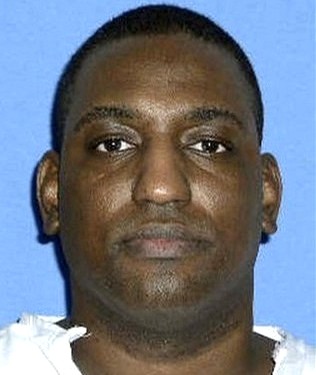
Allen Winslow Bridgers
Murderer Dr. Wouter Basson
Murderer · 1992
Wouter Basson (born July 6, 1950) was a South African cardiologist and the form…
230 victims
Dr. Wouter Basson
Murderer · 1992
Wouter Basson (born July 6, 1950) was a South African cardiologist and the form…
230 victims
 Ershad Sikder
Murderer · Bangladesh · 1990
Ershad Sikder was an influential political figure in the south-western city of…
30 victims
Ershad Sikder
Murderer · Bangladesh · 1990
Ershad Sikder was an influential political figure in the south-western city of…
30 victims
 Russell Ellwood
Murderer · USA · 1991
Russell Ellwood was a former taxi driver. Authorities suspected him of killing…
20 victims
Russell Ellwood
Murderer · USA · 1991
Russell Ellwood was a former taxi driver. Authorities suspected him of killing…
20 victims
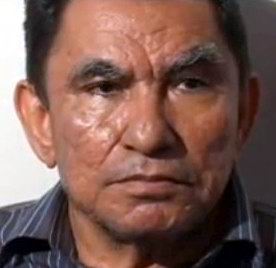 Anisio Ferreira de Sousa
Murderer · Brazil · 1989
September 4, 2003 — Anísio Ferreira de Sousa was sentenced to 77 years in priso…
19 victims
Anisio Ferreira de Sousa
Murderer · Brazil · 1989
September 4, 2003 — Anísio Ferreira de Sousa was sentenced to 77 years in priso…
19 victims
 Umesh Reddy
Murderer · India · 1998
Umesh Reddy was sentenced to death on October 27, 2006. The Karnataka High Cour…
18 victims
Umesh Reddy
Murderer · India · 1998
Umesh Reddy was sentenced to death on October 27, 2006. The Karnataka High Cour…
18 victims
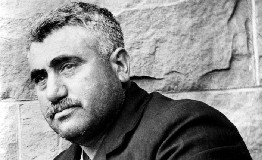 Emilio Picarielo
Murderer · Canada · 1922
Emilio Picariello was also known as Emileo Picariello and Emil Picariello. Emil…
1 victim
Emilio Picarielo
Murderer · Canada · 1922
Emilio Picariello was also known as Emileo Picariello and Emil Picariello. Emil…
1 victim
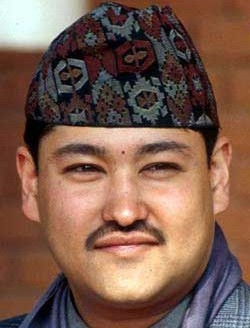 Dipendra Bir Bikram Shah
Mass murderer · Nepal · 2001
Name: Dipendra Bir Bikram Shah · Lifespan: 27 June 1971 – 4 June 2001 · Role: M…
9 victims
Dipendra Bir Bikram Shah
Mass murderer · Nepal · 2001
Name: Dipendra Bir Bikram Shah · Lifespan: 27 June 1971 – 4 June 2001 · Role: M…
9 victims
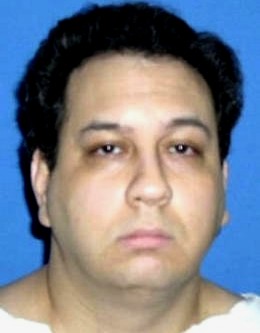 Virgil Martinez
Mass murderer · USA · 1996
Virgil Martinez was executed by lethal injection in Texas on January 29, 2009.…
4 victims
Virgil Martinez
Mass murderer · USA · 1996
Virgil Martinez was executed by lethal injection in Texas on January 29, 2009.…
4 victims
 Yesenia Patino
Murderer · Mexico · 1991
Yesenia Patino was a transgender woman who was convicted in Mexico in connectio…
1 victim
Yesenia Patino
Murderer · Mexico · 1991
Yesenia Patino was a transgender woman who was convicted in Mexico in connectio…
1 victim
 Thomas Doty
Mass murderer · USA · 1962
Thomas G. Doty was a passenger on Continental Airlines Flight 11. He was a marr…
44 victims
Thomas Doty
Mass murderer · USA · 1962
Thomas G. Doty was a passenger on Continental Airlines Flight 11. He was a marr…
44 victims
 Alex Baranyi
Homicide · USA · 1997
Alex Baranyi and David Anderson were 17-year-old high-school dropouts from Bell…
4 victims
Alex Baranyi
Homicide · USA · 1997
Alex Baranyi and David Anderson were 17-year-old high-school dropouts from Bell…
4 victims
- Gender
- male
- Country
- —
- Location
- —
- Date of birth
- March 6, 1971
- Age at first offence
- 26
- Characteristics
- robbery, crack addict, drug addict, fugitive, armed robbery, the bodies were never found
- Victim profile
- Mary Amie, 53
- Method of murder
- Shooting Loca tion : Smith County, Texas, USA
- Date(s) of murder
- May 23, 1997
- Years active
- 1997
- Date of arrest
- 5 days after
- Status
-
Sentenced to death
Sentenced to death on May 14, 1998
Case identification
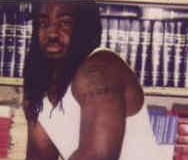
Allen Winslow Bridgers (also listed as Allen W. Bridgers and Allen Winslow Bridgers) was recorded with TDCJ Number 999267 and a date of birth of 6/3/1971. He was male. His race was Black. He had Black hair. His height was 5-8 and his weight was 153. His eye color was Brown. He had prior occupation listed as Unknown. His prior prison record was None.
He was received on 5/14/98, with age listed as 27 and education level listed as 0. His date of offense was 5/23/97, with age at the offense listed as 27. His county was Smith, with county state listed as Native County and Native State listed as Native.
Victim
Mary Amie was described as a 53-year-old Black female. The case recorded that her body was discovered on May 25 by a niece. Her home was in Tyler, Texas. Her niece discovered the body at her home in Tyler, Texas. The case also recorded that Mary Amie had borrowed about sixteen-hundred dollars from a bank to build a fence and kept that money inside her purse. She owned about two or three thousand dollars worth of jewelry that she kept inside her pocketbook. The case recorded that Bridgers confessed he killed Mary Amie for the money and jewelry.
Timeline
- May 23, 1997 — Allen Bridgers killed Mary Amie at her home in Tyler; he had been living with Mary Amie, and he confessed he killed her for the money and jewelry.
- May 25, 1997 — Mary Amie’s body was discovered on May 25 by a niece at her home in Tyler; Bridgers was arrested the same day by a Texas arrest warrant according to the procedural narrative; Bridgers took her .38-caliber revolver and then fled.
- May 28, 1997 — Fort Lauderdale Police Department received information from Crime Stoppers regarding a possible suspect wanted in Texas for murder; Bridgers was arrested in Ft. Lauderdale, Florida and gave police a taped statement; the case recorded he was arrested and confessed to murdering Mary and taking her purse, jewelry and car.
- Aug. 21, 1997 — A grand jury indicted Bridgers for the capital murder of Mary Amie.
- Apr. 9, 1998 — Judgment was entered in the 114th Judicial District of Smith County after a jury found Bridgers guilty of capital murder; after a separate punishment hearing, the court assessed a sentence of death.
- Dec. 29, 1999 — Bridgers filed a state writ application in the trial court, concurrent with his direct appeal.
- Oct. 25, 2000 — Bridgers’ conviction and sentence were affirmed on direct appeal by the Texas Court of Criminal Appeals.
- May 31, 2000 — The Court of Criminal Appeals denied Bridgers’ application for state habeas relief and adopted the findings of the trial court.
- Apr. 15, 2002 — Bridgers filed a petition for writ of habeas corpus in the federal district court.
- Mar. 30, 2005 — The federal district court denied habeas relief.
- Dec. 2, 2005 — The 5th U.S. Circuit of Appeals denied Bridgers a certificate of appealability.
- Mar. 24, 2006 — Bridgers petitioned the U.S. Supreme Court for certiorari review.
- June 26, 2006 — The U.S. Supreme Court denied certiorari review.
- July 18, 2006 — Texas Attorney General Greg Abbott issued a media advisory stating Allen Bridgers was scheduled to be executed after 6 p.m. Tuesday, July 25, 2006.
- Tuesday, July 25, 2006 — The media advisory stated Bridgers was scheduled to be executed after 6 p.m.
- Friday — The Texas Court of Criminal Appeals ordered Bridgers’ case back to Smith County for the trial court to consider whether he is mentally handicapped.
- Tuesday night — The narrative recorded Bridgers had been scheduled to die by lethal injection.
- last seven years of his life — Bridgers described being confined to Texas’s death row and discussing hope and hopelessness during the period.
The offence
On May 23, 1997, Allen Bridgers killed Mary Amie at her home in Tyler, Texas. Bridgers had been living with Mary Amie.
The case recorded that Bridgers took a .38-caliber revolver and fatally shot Mary Amie in the throat. In his confession, Bridgers said he shot Mary Amie after she got into bed with him, then grabbed her purse and the keys to her Lincoln Town Car and ran out the front door.
The confession narrative recorded the sequence of gunfire as follows: the first shot misfired; a second wounded her in the back; Bridgers told police he fired two more times into her throat because he “didn’t want nobody to hear her hollering.”
After the shooting, Bridgers grabbed Mary Amie’s purse and the keys to her Lincoln Town Car and drove off. The case recorded that he used money from the purse for crack, took two women to a motel room, then drove to Dallas where he left the car parked near a bus station. The case recorded that he pawned jewelry that was in the purse and bought a plane ticket to Florida.
Investigation and arrest
Mary Amie’s body was discovered on May 25 by a niece at her home in Tyler, Texas. Five days after Mary Amie was murdered, police in Fort Lauderdale, Florida took Bridgers into custody on a Texas arrest warrant. Bridgers gave police a taped statement.
A narrative portion recorded that Bridgers flew from the Dallas-Fort Worth airport to Fort Lauderdale, Florida on May 25, 1997. Three days later on May 28, Fort Lauderdale Police Department received information from Crime Stoppers regarding a possible suspect wanted in Texas for murder.
The case recorded that police arrested Bridgers three days after Mary Amie’s body was found by a niece and that he confessed to murdering Mary and taking her purse, jewelry and car. The confession narrative stated that Bridgers said he knew Mary Amie was carrying in her purse several thousand dollars, including money she had borrowed from a bank to build a fence around her place.
The narrative also recorded that Bridgers had been living with Mary at her trailer home for several weeks after being introduced by the woman’s nephew, a truck driver who brought Bridgers to Texas from Norfolk, Va., where Bridgers’ family lived. The narrative further recorded that after killing Mary Amie, Bridgers used some of the money for crack and then left the car parked near a bus station, pawned jewelry, and bought a plane ticket to Florida.
Confession
Bridgers confessed that he killed Mary Amie for the money and jewelry. Bridgers told police that he shot Mary Amie after she got into bed with him, then grabbed her purse and the keys to her Lincoln Town Car and ran out the front door.
The taped statement narrative recorded Bridgers’ explanation of the shooting:
“didn’t want nobody to hear her hollering.”
The narrative also recorded that he said he pulled out a .38-caliber revolver she kept beside her bed and pulled the trigger; the first shot misfired; a second wounded her in the back; then he fired two more times into her throat.
Bridgers also confessed that he took Mary Amie’s purse, jewelry and car and that he used some of the money for crack, took two women to a motel room, left the Lincoln Town Car in Dallas near a bus station, pawned jewelry that was in the purse, and bought a plane ticket to Florida.
Trial
A grand jury indicted Bridgers for the capital murder of Mary Amie on Aug. 21, 1997.
On Apr. 9, 1998, judgment was entered in the 114th Judicial District of Smith County after a jury found Bridgers guilty of capital murder. Following a separate punishment hearing, the court assessed a sentence of death.
Sentencing
Bridgers was sentenced to death on Apr. 9, 1998, and the case status field recorded the sentence as “Sentenced to death on May 14, 1998.”
Appeals
Bridgers filed a state writ application in the trial court on Dec. 29, 1999, concurrent with his direct appeal.
On May 31, 2000, the Court of Criminal Appeals denied Bridgers’ application for state habeas relief and adopted the findings of the trial court.
On Oct. 25, 2000, Bridgers’ conviction and sentence were affirmed on direct appeal by the Texas Court of Criminal Appeals.
Bridgers filed a petition for writ of habeas corpus in the federal district court on Apr. 15, 2002.
On Mar. 30, 2005, the federal district court denied habeas relief.
On Dec. 2, 2005, the 5th U.S.
On Mar. 24, 2006, Bridgers petitioned the U.S.
On June 26, 2006, the U.S.
The narrative recorded that the Texas Court of Criminal Appeals on Friday ordered Bridgers’ case back to Smith County for the trial court to consider whether he is mentally handicapped. The narrative further recorded that the U.S. Supreme Court has ruled that mentally handicapped people cannot be executed.
Outcome
The case recorded that Bridgers had been scheduled to be executed after 6 p.m. Tuesday, July 25, 2006, and that he had been scheduled to die by lethal injection Tuesday night. The narrative recorded a temporary reprieve after lawyers argued that Bridgers is mentally handicapped and that the Texas Court of Criminal Appeals ordered the case back to Smith County for the trial court to consider the question of mental handicapped status.
The narrative recorded Bridgers’ quoted statement:
“I’m guilty of the crime but I wasn’t in the right frame of mind,” Bridgers said. “I took a life but I shouldn’t go pay for it with my life. It’s like them playing God. I just want people to understand I’m not a bad person. I’m no serial killer. I just made a mistake.”
The narrative recorded that Bridgers’ case would go before District Judge Cynthia Kent, who presided over his trial.
Media advisory
Texas Attorney General Greg Abbott issued a media advisory stating:
“Allen Bridgers Scheduled For Execution”
The media advisory text included the following statement:
“Texas Attorney General Greg Abbott offers the following information about Allen Bridgers, who is scheduled to be executed after 6 p.m. Tuesday, July 25, 2006.”
The media advisory included a statement that in April 1998, Bridgers was convicted and sentenced to death for his involvement the robbery and shooting death of Mary Amie in Tyler, Texas.
Prior criminal history
The case recorded that Bridgers was previously convicted in federal court of reckless driving, attempting to evade police officers, and carrying a concealed weapon.
The case also recorded that he had prior convictions in the State of Georgia for burglary and credit card fraud.
Other details
A narrative portion recorded that Bridgers had been living with Mary Amie at her trailer home for several weeks after being introduced by the woman’s nephew, a truck driver who brought Bridgers to Texas from Norfolk, Va., where Bridgers’ family lived.
The narrative recorded that when Bridgers was arrested in Fort Lauderdale, Florida, Fort Lauderdale Police Department took him into custody on a Texas arrest warrant, and he gave police a taped statement.
The case recorded that co-defendants were None. The case recorded the victim as Mary Amie, a 53-year-old Black female, and described the Texas Attorney General and a media advisory date of Tuesday, July 18, 2006.
The narrative included a “UPDATE” stating that “A man convicted of fatally shooting a Tyler woman at her home and stealing jewelry, money and her car has won a temporary reprieve from execution after his lawyers argued he is mentally handicapped.”
Bridgers also submitted a personal statement beginning:
“My name is Allen Winslow Bridgers and I am currently confined to Texas’s notorious death row.”
Within that personal statement, Bridgers wrote that he had been confined for “the last seven years of my life,” and described being able to read and write by spelling words from the dictionary. He stated:
“I’m not afraid to dies, yet I am afraid I’ll never get out and share the world with the man I’ve grown into.”
He stated his birthday was on the 6th of March and wrote:
“so I’m 34 years old.”
He described his religion as “a strong non-denominational Christian believer,” and listed hobbies of “old and fast cars, basketball, football, reading and just having fun in life.” He wrote that his favorite author was James Patterson and that his favorite books were “the Alex Cross series,” and he wrote:
“I am currently reading his latest called Hollywood.”
He wrote that his favorite food was seafood and that he loved butter pecan ice cream. He wrote about listening to all types of music from his cell and that his favorite music was Jazz, stating:
“because it helps me relax my mind and body.”
He wrote:
“Ay favorite musician is Sade because every song she sings makes me feel as though I were sharing the same feelings, so I feel very close to her music.”
He stated that Texas death row inmates are not allowed to have a television and that he spent “a lot of time listening to my radio or reading a good book.”
He stated:
“I welcome all sexes, races, and religions to write.”
He also wrote:
“Thank you for your time and consideration.”
The personal statement included the names and numbers:
“Allen W. Bridgers #999267” “Allen Winslow Bridgers”

Spotted an error, or have more information about this case?