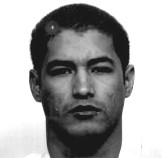
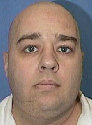
Pedro Cruz Muniz
Murderer Ervil LeBaron
Murderer · USA · 1972
Ervil Morrell LeBaron (1925 to August 16, 1981) was the leader of a polygamous…
35 victims
Ervil LeBaron
Murderer · USA · 1972
Ervil Morrell LeBaron (1925 to August 16, 1981) was the leader of a polygamous…
35 victims
 Brian Kevin Rosenfeld
Murderer · USA · 1985
Brian Kevin Rosenfeld Brian Kevin Rosenfeld was sentenced to three concurrent l…
23 victims
Brian Kevin Rosenfeld
Murderer · USA · 1985
Brian Kevin Rosenfeld Brian Kevin Rosenfeld was sentenced to three concurrent l…
23 victims
 Marvin Gray
Murderer · USA · 1975
Marvin Gray was convicted killer who claimed responsibility for 23 slayings and…
23 victims
Marvin Gray
Murderer · USA · 1975
Marvin Gray was convicted killer who claimed responsibility for 23 slayings and…
23 victims
 Yahweh ben Yahweh
Murderer · USA · 1980
Yahweh ben Yahweh was born and legally named Hulon Mitchell Jr. (October 27, 19…
23 victims
Yahweh ben Yahweh
Murderer · USA · 1980
Yahweh ben Yahweh was born and legally named Hulon Mitchell Jr. (October 27, 19…
23 victims
 Byron Looper
Murderer · USA · 1998
Byron Looper (also “Byron (Low Tax) Looper”), a former Republican politician in…
1 victim
Byron Looper
Murderer · USA · 1998
Byron Looper (also “Byron (Low Tax) Looper”), a former Republican politician in…
1 victim
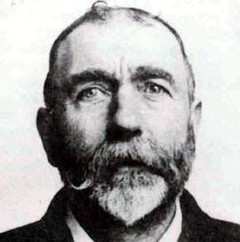 Samuel Herbert Dougal
Murderer · United Kingdom · 1898
Samuel Herbert Dougal was tried for the murder of Camille Cecile Holland, a qui…
1 victim
Samuel Herbert Dougal
Murderer · United Kingdom · 1898
Samuel Herbert Dougal was tried for the murder of Camille Cecile Holland, a qui…
1 victim
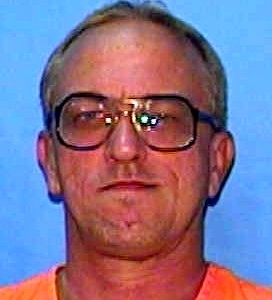 Edward T. James
Murderer · USA · 1993
Edward T. James, also known as Edward James, Edward T. James, or Edward Matlack…
2 victims
Edward T. James
Murderer · USA · 1993
Edward T. James, also known as Edward James, Edward T. James, or Edward Matlack…
2 victims
 George Sodini
Murderer · USA · 2009
George Sodini committed suicide by shooting himself the same day. · August 4, 2…
3 victims
George Sodini
Murderer · USA · 2009
George Sodini committed suicide by shooting himself the same day. · August 4, 2…
3 victims
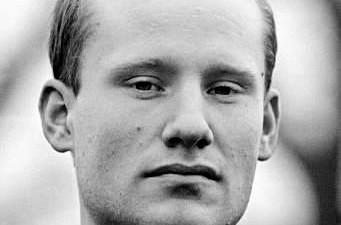 Volkert Van der Graaf
Murderer · Netherlands · 2002
Volkert van der Graaf (born July 9, 1969) was a confessed murderer of Dutch pol…
1 victim
Volkert Van der Graaf
Murderer · Netherlands · 2002
Volkert van der Graaf (born July 9, 1969) was a confessed murderer of Dutch pol…
1 victim
- Gender
- male
- Country
- USA
- Location
- Williamson County, Texas, USA
- Date of birth
- September 25, 1956
- Age at first offence
- 20
- Characteristics
- kidnapping, rape
- Victim profile
- Janis Carol Bickham, 19 (fine arts student)
- Method of murder
- Beating with a log
- Date(s) of murder
- December 20, 1976
- Years active
- 1976
- Date of arrest
- 2 days after
- Status
-
Executed
Executed by lethal injection on May 19, 1998 in Texas
Case record: Pedro Cruz Muniz
Timeline
- Dec. 20, 1976 — Janis Carol Bickham was abducted while walking about a mile from Southwestern University in Georgetown.
- Dec. 22, 1976 — Pedro Cruz Muniz was arrested late at night after witnesses told police they saw him in the area that evening.
- Dec. 23, 1976 — Police questioned Muniz, and the interview that led to his confession was conducted in the early hours of the day.
- 1976 — Muniz raped and murdered Janis Bickham; her body was buried in a pile of wood after he fled.
- 1977 — Muniz originally was convicted and sentenced to death.
- 1985 — Muniz’s conviction was overturned when the U.S. Supreme Court ruled defendants must be warned that a psychiatric examination could be used against them in court.
- 1986 — A jury convicted Muniz of capital murder and sentenced him to death.
- 1985 — The Texas Court of Criminal Appeals affirmed Muniz’s conviction at 851 S.W.2d 238 (as referenced in the appeals history provided).
- 1994 — The Texas Court of Criminal Appeals denied Muniz’s state habeas corpus petition.
- 1996 — Muniz’s federal habeas petition was denied.
- Jan. 2, 1998 — The U.S. Court of Appeals for the Fifth Circuit affirmed the denial of Muniz’s petition for a writ of habeas corpus and vacated the stay of execution.
- May 19, 1998 — Muniz was executed by lethal injection in Texas.
Background
Pedro Cruz Muniz was convicted of the murder of Janis Carol Bickham, a fine arts student at Southwestern University in Georgetown. Muniz was a 10th-grade dropout. He was 41 when he made a brief final statement at execution. Muniz had been 19 at the time of the abduction and death. At the time of his arrest, he was already free on bail on a rape charge.
The offence
Janis Carol Bickham was abducted on Dec. 20, 1976 while walking about a mile from Southwestern University in Georgetown. The events described included Muniz following her down a city street and over a bridge; when she reached the end of the bridge, Muniz grabbed her, dragged her down a ravine, over a stream, and through a fence. Muniz then took her to an abandoned cabana, where he raped her and beat in her head with a log. After he finished, he buried her body in a pile of wood and fled.
Janis Bickham was 19. The case narrative also described that she was raped in an abandoned building and beaten to death with a large rock. She was from Matagorda County and was abducted a few days before Christmas in 1976 while walking across a bridge over the San Gabriel River about a mile from the campus.
Investigation
After witnesses told police they saw Muniz in the area that evening, police arrested Muniz two days later. After the arrest, Muniz was taken before a magistrate and then placed in a local jail. The next day, police questioned Muniz; the interview that followed led to Muniz’s confession.
During the interview, Officer William Shirley questioned Muniz. Muniz gave the statement while in police custody after receiving his Miranda warnings. During the interrogation, Shirley suggested that Muniz might want to call a lawyer; Muniz agreed, and Shirley picked up the telephone to place the call. When asked for his lawyer’s number, Muniz indicated he would contact the lawyer later. Shirley then hung up the phone and continued the interview. During the interview that led to the confession, Shirley showed Muniz photos of Bickham’s body and of the crime scene.
At the pre-trial hearings on Muniz’s motion to suppress the confession, Muniz testified that Shirley had coerced him into giving the confession. Muniz claimed that Shirley played on his fears for his family, promised him leniency in exchange for the confession, and offered to help his family if he signed the statement.
Shirley testified in response that he told Muniz that sometimes when a defendant confesses, the state shows leniency, but Shirley denied that he guaranteed a reduced charge or sentence in exchange for Muniz’s statement. Shirley testified that he offered to contact social service agencies for Muniz’s family but did not condition the offer on whether Muniz confessed. Shirley also testified that he spoke with Muniz about religion and offered to get him a priest, which he stated was not conditioned on a confession. The trial judge credited Shirley’s testimony over Muniz’s and admitted the confession into evidence.
Muniz testified that he invoked his right to counsel on multiple occasions, but the state trial and appellate courts found that he invoked his right to counsel only once, and the Fifth Circuit concluded that this finding was supported by the record. The appellate court noted confusion in the record about how many times Muniz invoked his right to counsel and described the state court finding as supported by the testimony and record.
The appellate court also described that, in addition to Muniz’s allegations about coercion, Muniz claimed he was deprived of a meal before entering the interview in which he confessed; the appellate court stated there was no evidence in the record that Muniz requested food and no explanation for why he decided not to request it.
Arrest
Muniz was arrested after witnesses told police they saw him in the area that evening; this was described as occurring two days after the abduction, including that he was arrested late at night on Dec. 22, 1976. After arrest, Muniz was taken before a magistrate and then placed in a local jail.
Trial
Muniz was convicted and originally sentenced to death in 1977. He later received a retrial after his conviction was overturned. At the suppression hearing before the second trial, the trial judge reincorporated testimony from the suppression hearing preceding the first trial and heard new testimony from relevant actors.
At trial in 1986, a jury convicted Muniz of capital murder and sentenced him to death. At his execution, Muniz made a brief final statement in which he said he did not kill your sister and asked that investigators be hired to know the truth.
Sentencing
Muniz was condemned for the rape and beating death of Janis Carol Bickham. After the retrial, the jury in 1986 convicted him of capital murder and sentenced him to death. The federal appellate opinion described issues raised regarding the sentencing phase, including challenges to the admission and exclusion of mitigating evidence and the constitutionality of certain jury instructions and evidentiary matters.
At the sentencing stage, Muniz wanted to call Merrill Person to testify. The appellate opinion described that Person worked for the state court system, had gotten to know Muniz during his first trial in 1977, made visits to him in prison, and contributed money to his prison account so he could purchase art supplies. Person swore in an affidavit that she would have testified that Muniz was remorseful, to rebut the prosecutor’s argument that he showed no remorse for the crime and to negate the state’s argument that Muniz was likely to commit crime in the future. The appellate opinion concluded that the defense would have had to issue a subpoena for Person’s testimony because of the Texas Code of Judicial Conduct, and it stated that this did not violate the Eighth or Fourteenth Amendment as applied at capital sentencing.
The appellate opinion also addressed a claim involving the jury’s knowledge of a prior death sentence. It described that the jury learned of the prior death sentence only because defense counsel elicited it. During questioning at the 1986 sentencing phase, counsel asked a police officer if he knew whether Muniz had committed crimes since 1978; the officer said he did not know of any offenses. When the prosecutor questioned the officer, the officer said he had no knowledge because Muniz was incarcerated at the time. The appellate opinion quoted the prosecutor’s closing argument: “there are no nineteen-year-old girls walking across bridges at night on death row in [the state prison].” The appellate court found the claim without merit, describing the comments as isolated and not misleading in the sentencing role.
The appellate opinion also addressed Muniz’s challenges related to parole instructions and Teague retroactivity. It described that under Texas law at the time of conviction, capital defendants were eligible for parole with a life sentence after a period of time, and it concluded that the claim had no merit under controlling law of the circuit as described in the opinion.
Appeals
Muniz’s conviction was overturned in 1985 after the U.S. Supreme Court ruled defendants must be warned that a psychiatric examination could be used against them in court; the warnings were not required at the time of Muniz’s arrest. The appellate record described that the case was retried after the Supreme Court ruling.
Muniz’s conviction was affirmed by the Texas Court of Criminal Appeals at 851 S.W.2d 238 (as referenced in the appeals history provided). Muniz filed a state habeas corpus petition; this was denied by the Texas Court of Criminal Appeals in 1994. Two months later Muniz filed a federal habeas petition; it was denied in 1996.
In the federal proceedings, the appellate record described a Certificate of Probable Cause (CPC) being granted after denial of the habeas petition, allowing appeal. After remand and application of procedural steps, the Fifth Circuit discussed the AEDPA, Lindh v. Murphy, and the conversion of the COA grant as a CPC grant. The Fifth Circuit then addressed multiple claims raised in habeas proceedings and concluded there was no reversible error.
U.S. Court of Appeals for the Fifth Circuit (Jan. 2, 1998)
The Fifth Circuit decision is described with citation “132 F.3d 214.” It stated the case caption as: “Pedro Cruz Muniz , Petitioner-appellant, v. Gary L. Johnson, Director, Texas Department of Criminal Justice, Institutional Division, Respondent-appellee United States Court of Appeals, Fifth Circuit.”
It described the appellate panel and provided the judicial statement: “JERRY E. SMITH, Circuit Judge: Pedro Muniz appeals the denial of his petition for a writ of habeas corpus under 28 U.S.C. § 2254. Finding no reversible error, we affirm and vacate the stay of execution.”
Outcome
Muniz’s federal habeas petition denial was affirmed by the U.S. Court of Appeals for the Fifth Circuit on Jan. 2, 1998, and the stay of execution was vacated. Muniz was executed by lethal injection in Texas on May 19, 1998.
Aftermath
The case involved a final statement by Muniz at execution. In that brief final statement, Muniz said: “I know you can’t hear me now but I know that it won’t matter what I have to say. I want you to know that I did not kill your sister. If you want to know the truth, and you deserve to know the truth, hire your own investigators. That’s all I have to say.”
A statement in the narrative also quoted Ed Walsh, the former Williamson County district attorney who prosecuted the case, describing Muniz: “It's still very vivid in my mind. I can still see that girl and the way she was beaten and left. I remember him as being, in my view, very arrogant, very cold. I never saw him exhibiting any kind of remorse.”
The narrative also quoted Williamson County District Attorney Ken Anderson regarding the Supreme Court’s Miranda-warning ruling: “The judge and district attorney at the time made all the right choices, except they didn't anticipate a psychiatrist would be required to give Miranda warnings. Obviously no one did. We had no choice but to retry him.”
Other details
- Muniz’s last statement was delivered while looking toward the brother of the victim standing a few feet away.
- The narrative described that witnesses told police they saw Muniz in the area on the evening of the abduction.
- The appellate record described that Muniz’s argument challenged the trial court’s factual finding that he made only one request for a lawyer rather than several; the appellate court applied a standard from Edwards v. Arizona and concluded the record supported the state court’s finding.
- The appellate record included multiple procedural-default discussions regarding Muniz’s claims, including that some claims were barred for not being preserved and for successive-petition procedural rules described under Texas law and art. 11.071.
Spotted an error, or have more information about this case?