Joseph Mitchell Parsons
Murderer Brian Kevin Rosenfeld
Murderer · USA · 1985
Brian Kevin Rosenfeld Brian Kevin Rosenfeld was sentenced to three concurrent l…
23 victims
Brian Kevin Rosenfeld
Murderer · USA · 1985
Brian Kevin Rosenfeld Brian Kevin Rosenfeld was sentenced to three concurrent l…
23 victims
 Yahweh ben Yahweh
Murderer · USA · 1980
Yahweh ben Yahweh was born and legally named Hulon Mitchell Jr. (October 27, 19…
23 victims
Yahweh ben Yahweh
Murderer · USA · 1980
Yahweh ben Yahweh was born and legally named Hulon Mitchell Jr. (October 27, 19…
23 victims
 Russell Ellwood
Murderer · USA · 1991
Russell Ellwood was a former taxi driver. Authorities suspected him of killing…
20 victims
Russell Ellwood
Murderer · USA · 1991
Russell Ellwood was a former taxi driver. Authorities suspected him of killing…
20 victims
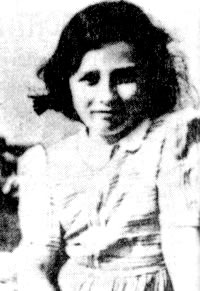 William Hepper
Murderer · United Kingdom · 1954
William Sanchez de Pina Hepper was a 62-year-old painter. He had a studio in Br…
1 victim
William Hepper
Murderer · United Kingdom · 1954
William Sanchez de Pina Hepper was a 62-year-old painter. He had a studio in Br…
1 victim
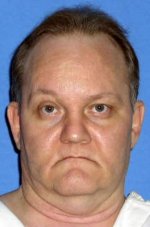 Douglas Alan Roberts
Murderer · USA · 1996
Douglas Alan Roberts was convicted of capital murder and sentenced to death for…
1 victim
Douglas Alan Roberts
Murderer · USA · 1996
Douglas Alan Roberts was convicted of capital murder and sentenced to death for…
1 victim
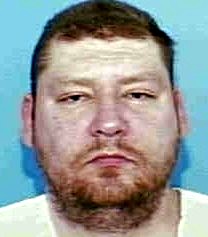 John William Byrd
Murderer · USA · 1983
John William Byrd, Jr. was executed by lethal injection for the murder of conve…
1 victim
John William Byrd
Murderer · USA · 1983
John William Byrd, Jr. was executed by lethal injection for the murder of conve…
1 victim
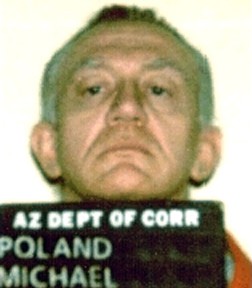 Michael Poland
Murderer · USA · 1977
Michael Poland was executed by lethal injection in Arizona on June 16, 1999. He…
2 victims
Michael Poland
Murderer · USA · 1977
Michael Poland was executed by lethal injection in Arizona on June 16, 1999. He…
2 victims
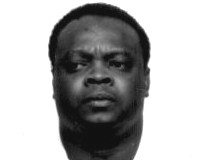 Charles Milton
Murderer · USA · 1977
Charles Milton was convicted of capital murder by a Fort Worth, Texas jury and…
1 victim
Charles Milton
Murderer · USA · 1977
Charles Milton was convicted of capital murder by a Fort Worth, Texas jury and…
1 victim
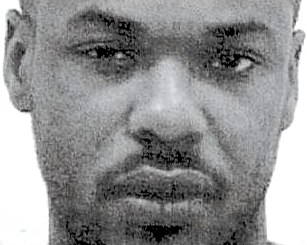 Kevin Cardwell
Murderer · USA · 1991
Kevin DeWayne Cardwell was executed by lethal injection in Virginia on December…
1 victim
Kevin Cardwell
Murderer · USA · 1991
Kevin DeWayne Cardwell was executed by lethal injection in Virginia on December…
1 victim
- Gender
- male
- Country
- USA
- Location
- Iron County, Utah, USA
- Date of birth
- 1964
- Age at first offence
- 23
- Characteristics
- robbery, hitchhiking
- Victim profile
- Richard Ernest (male, 30)
- Method of murder
- Stabbing with knife
- Date(s) of murder
- August 31, 1987
- Years active
- 1987
- Date of arrest
- —
- Status
-
Executed
Executed by lethal injection in Utah on October 15, 1999
Case summary
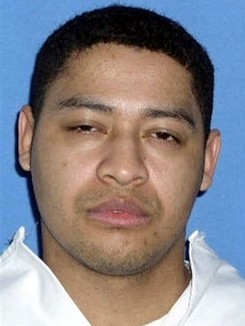
Joseph Mitchell Parsons was executed by lethal injection in Utah on October 15, 1999. He was sentenced to die for the stabbing death of Richard Ernest, a 30-year-old California man. Parsons was 35 at the time of execution. Parsons had walked away from a halfway house in Nevada, where he had been paroled for armed robbery.
Timeline
- 1987-08-31 — Joseph Mitchell Parsons, then 23, hitchhiked outside Barstow, Calif., and Richard Ernest picked him up.
- 1987-08-31 — After Parsons and Ernest rested outside Cedar City, Parsons stabbed Ernest at least 18 times, took his wallet, and threw the body from the car; Parsons later drove away with Ernest’s car and credit cards.
- 1987 — Within 24 hours of the slaying, Parsons was arrested in Las Vegas and failed to convince authorities he was Richard Ernest.
- 1999-10-14 — A walkthrough was held for transporting government and media witnesses and family members of the victim to the execution chamber; Parsons spent the day in a death watch cell watching science fiction movies and was to shoot baskets and walk under the stars.
- 1999-10-15 — Parsons told a magistrate: "I've been under a sentence of death for 11 years and I honestly don't see anything good coming out of it," and said: "I've made my peace with myself and my family and it's time to move on."
- 1999-10-15 — Parsons was executed by the State of Utah by lethal injection; the execution took place in Utah and Richard Ernest’s widow, Beverley Ernest, watched.
- 1999-10-15 — Parsons’ letter to the Deseret News included his statement: "My name is Joseph Mitchell Parsons and I am dead."
- 1999 — In July, a judge granted Parsons’ motion to fire his attorneys, drop his appeals, and expedite his execution.
Background
Richard Ernest was traveling through Utah on his way to Colorado. Ernest was from Loma Linda. Parsons was a Nevada parolee at the time of the murder and had walked away from a halfway house in Nevada, where he had been paroled for armed robbery.
The offence
On the night of August 31, 1987, after hitchhiking outside Barstow, Calif., Parsons was picked up by Richard Ernest. As they rested outside Cedar City, Parsons stabbed Ernest at least 18 times. Parsons took Ernest’s wallet and threw the body from the car, and took off with Ernest’s car and credit cards.
Parsons argued that he stabbed Ernest in self-defense after Ernest made a homosexual advance. Prosecutors said a medical examiner reported that the wounds appeared to have been inflicted while Ernest was sleeping.
Investigation
Police caught up with Parsons after he used Ernest’s credit card to charge merchandise at a discount store.
Arrest and pre-trial
Within 24 hours of the slaying, Parsons was arrested in Las Vegas. He failed in efforts to convince authorities he was Richard Ernest.
During the early prosecution, Parsons admitted to the crime and said it was senseless to continue in the courtroom when everyone knew he did it.
Trial
During the sentencing phase, medical testimony indicated the victim had no defensive wounds and more than likely was stabbed as he slept. Iron County Attorney Scott Burns put the case before a jury to determine if Parsons would receive life in prison or a death sentence. The jury opted for death. Burns said the jury was to “smell and to feel and to hear and see what happened on that day, and it was violent, and it was bloody, and it was heartless.”
Burns described his view of the case in remarks that included:
"I think I was able to impress upon them that this was not only a senseless killing, but it was a very cold-hearted, selfish act. The fact that Richard Ernest befriended him and had given him a ride, the fact that they shared a meal together not too long before the murder," Burns said. "It was obvious Richard had confided in him personal things, and with all of that, he not only killed him, but within an hour of the killing, he is stuffing food down his mouth at a gas station in Beaver. I think that gives you an idea of who Joseph Mitchell Parsons is and what he is about."
Burns also described his sentencing-phase approach:
"I remember telling them to try to set aside the warm confines of this courtroom. We are here with carpet and wood, and we are all dressed nice and on our best behavior, but your job is to smell and to feel and to hear and see what happened on that day, and it was violent, and it was bloody, and it was heartless."
Jonathan Woods, the victim’s brother-in-law, stated he would not argue against Parsons’ death but did not believe it accomplished anything:
"This will never be done, this will never be over because he will never be back," Woods told the Deseret News from his home in Nevada.
Sentencing
Parsons had been sentenced to die for the stabbing death of Richard Ernest. His scheduled execution came 12 years after the murder at a rest stop in southern Utah.
In July, a judge granted Parsons’ motion to fire his attorneys, drop his appeals, and expedite his execution.
Parsons had told a magistrate earlier in the year:
"I've been under a sentence of death for 11 years and I honestly don't see anything good coming out of it,"
Parsons told a magistrate earlier this year.
"I've made my peace with myself and my family and it's time to move on."
Appeals and legal status
Execution and final day
In Utah early Friday, 35-year-old Joseph Mitchell Parsons was executed by injection for fatally stabbing Richard Ernest in 1987. Parsons remained in good spirits, according to Department of Corrections spokesman Jack Ford:
"He's doing real well. He's amazing actually," Ford said.
"He's real set on doing this and pretty upbeat even. He's not having any problems at all and is determined to go ahead."
A walkthrough was held to establish a timeframe to transport government and media witnesses and family members of the victim to the execution chamber so executioners would know when to strap Parsons to the gurney. Ford said:
"The only thing we're trying to do is make it so we don't have the condemned man brought in a half-hour before he needs to be and strapped down to the table and lay there longer than he has to be," Ford said.
"We want to make it efficient as possible and hopefully painless as possible. We don't want it to have him have a heart attack on the table."
Officials decided it would take a maximum of 14 minutes to transport witnesses from a waiting area, through security checks and to the execution chamber. They devised a way to close a gap in the curtains that screen witnesses from the execution chamber until Parsons was strapped to the gurney and the IVs carrying the lethal dose hooked to his arms.
Parsons spent his final day in a death watch cell watching science fiction movies. He also was to be allowed to shoot baskets in a small gymnasium and walk under the stars.
The execution procedure included that Parsons would be asked if he had any last words and at 12:01 a.m. he would be left to die by lethal injection.
Aftermath
Beverley Ernest, the victim’s widow, watched the execution and had said she was not looking forward to it:
"I have never watched anybody die," she said.
"Not that I don't think he deserves it, but it will be hard to watch somebody else die."
Beverley Thurston said she planned to watch the execution and wanted to hear Parsons’ last words:
"There is no question I want to be there. I want to see him go in, and I want to see him come out. I really want to hear his last words, too. I am hoping his last words answer some questions."
She also said:
"And today is very hard day. It is 12 years ago today that it happened. You would think it would get easier after 12 years, but it doesn't."
On the anniversary of Ernest’s death, Jana Salais and Beverley Thurston were among the women closest to the murder victim. Jana Salais said Parsons’ execution would help close a chapter in their lives:
"For 12 years he has been able to talk to his family, see his family, and all I have are two dozen photos of my brother because we were together for a short time," Jana Salais, Ernest's sister, said Tuesday.
Salais said she and her brother were abandoned by their mother and it took 15 years to find each other:
"My mother left him on the doctor's desk on the day I was born," Salais said.
Salais said she planned to watch Parsons die:
"I think my brother would have been there if it had been me," Salais said.
"With his death, his family will know how I have felt. I feel empathy for them, but it is still justice. There is a large part of me that will celebrate his passing because it is justice after all this time."
Salais also said:
"I am not excited at the coming execution but resolved that it will bring closure and bring peace to her brother."
"It is something I have to do. Once he is executed, I will know it is over. My brother can be at peace, and I can get on with my life."
Salais said she wrote Parsons a letter to be delivered to the death row inmate at the discretion of the warden, and quoted questions she asked:
"I asked him, 'What happened in your life to make you do what you did? Have you made peace with God? Do you feel remorse?' "
Don Rafuse, located in Washington state, would listen for word that the execution was over and that Parsons was dead:
"I am not anxious to see people die," he said.
"I will not feel happy, but it will be a relief to know the system did persist and prevail."
In comments about the killings, Rafuse said:
"Everybody who knew Richard knew that was the biggest lie in the world," Rafuse said.
Parsons refused to grant interviews to all but one reporter and insisted details couldn’t be released until after his death. Prison authorities said Parsons had intended to shield his relatives from notoriety of the crime.
Other details
Victim details
Richard Ernest was a 30-year-old California man from Loma Linda who was traveling through Utah on his way to Colorado. Parsons stabbed Ernest at least 18 times and the body was thrown from the car.
Ernest was described as having been seated in the front seat of his Dodge Omni at a rest area near Cedar City.
Ernest’s widow, Beverley Ernest, said her husband was leaving California because of their troubled marriage and that she wondered if they could have repaired the damage:
"I think we could have been good friends. I know Brian, our son, would have had a better life. There isn't a time that goes by that I don't think about what my son missed. When Brian graduated from high school, you can't share that pride with anybody but the other parent. Brian doesn't get to see that in Richard's eyes, that he would have been proud of him."
Parsons’ statements and positions
Parsons’ letter to the Deseret News included extended statements. Complete letter content:
My name is Joseph Mitchell Parsons and I am dead.
On October 15, 1999 I was executed by the State of Utah.
My crime was killing a man who put me in a position in which my reactions overwhelmed my good sense. It is said I "murdered" Richard Ernest but the truth is I "killed" Richard Ernest. Yes, I did overreact to his homosexual advances so I do take some of the responsibility, but not all. If Ernest had not put his hands on me, he would be alive today and so would I . . . then again, fate can be a harsh destiny.
A lot has been written about how I never expressed any remorse. The media has portrayed me in numerous articles as cold-blooded. Many false statements and made up facts have been reported by sensationalists. I haven't read one single article that was accurate. The fact is, in retrospect, I do wish I could turn the clock back and change my reaction, and I do regret the anguish I've caused to all those who cared about Richard Ernest. But, know this, I feel no remorse towards Ernest himself as I am dead, in part, because of his actions.If you ask those who know me the idea of me being a cold-blooded murderer is utterly ridiculous. The evidence used to kill me does have inconsistencies and the truth was clouded by indifference. Does a person deserve to die because of a reflex overruling reason? I guess in my case that's a moot point. My death served only one purpose, to quench the thirst of vengeance.
To those who rejoice in my demise, I say be careful, bad karma can rebound ten-fold.
There are many who are asking, "why did he drop his appeals and allow himself to be executed?" The answer to that question is simple, "frustration," in the court system and specifically the judges who are so egotistical they blind themselves to the truth. Magistrate Ronald Boyce delayed making a ruling on one phase of my appeals for over "3 1/2" years. My case is not the exception, in Elroy Tillman's death penalty case, Boyce took over "3" years to make his ruling.
The majority of society believe the delays in death penalty cases are the fault of those who have the death sentences, but, in reality, it's the judges who are at fault. It's baffling how incompetent some of these judges are. When the realization hit me that no judge was going to rule in my favor I decided to take matters into my own hands. I'm not like some guys who can sit on Death Row for 15 or 20 years living on false hope. I'm also not someone who would play childish games by dropping his appeals to get attention. In other words, I am not Ronnie Lee Gardner.
After being here, in the Utah State Prison, for over "11 1/2" years, I decided to see what's next. Negative quotes written or said about those with death sentences are by enlarge exaggerated. I wish to say something about the tarnished image of Death Row inmates. Here at the Utah State Prison, for a long time, because of the stupid antics of Ronnie Lee Gardner the rest of Death Row suffered the negative attitude of prison officials. That attitude has changed in the last couple of years. Why, because the fact is the majority of Death Row are model inmates. Yes, our crimes resulted in death sentences but if we act accordingly, following prison rules and regulations then we should be allowed the same justified privileges as other model inmates.
Some might say, we should be treated as miserable as possible, even go as far as torture, in that our crimes deserve harsh treatment. Our deaths are not enough for some but that's because those people are not much different than what they perceive us to be. We might be killers or murderers but we are still human beings. To treat us as animals will result in losing ones humanity. Is it worth it?
The truth is there are those of us who are not monsters, we do have honor, integrity, and compassion. The problem is most people believe what they read or are told. I'm glad there are open-minded individuals, at the Utah State Prison, who see through the ignorant babble.
I would like to thank Clint Friel, Jerry Pope, Carl Jacobson, Kent DeMill, Eugene Bartell, Don Carpenter, Ron Ortis, Alan Zimmerman, Jason Allison, Aaron Horsely, Darren Ringel, Robert Miller, Roland Senior, Peter Vogl, Louis Poleate, Jeff Hardman, Kevin Arledge, Kirk Moncrief, Curtis McKee, Kim Johnson, Aaron Burdge, Monty Strand, Ron Kelly and the others who's names I've forgotten to mention. Thank you for seeing me as a human being and treating me as such.
Thanks to Greg Sanders for his efforts. I would say thanks to Ron Yengich but I felt it was not earned. To visit me but once, and that was court ordered, in the eight years you were my lawyer is sad.
I am "extremely" grateful to my family who stood by me with unconditional love and support, I've come to learn that family is everything. My mistake was, I learned that lesson too late. All of you, Mom, Eric, Jen, Tony, Dinah, Karen, Johnny, Esther, Olga, Ada, and yes even you Lou helped me in different ways. We missed out on a lot of good times and I'm sorry about that. Thank you for allowing me to be a part of your lives. I love you all and am hopeful you will live long, fulfilling lives.
And to Doug Lovell, whom I consider family, your friendship kept me sane. If not for your constant humor I would have dried up and withered away long ago. Take care and good luck. Goodbye for now, for I'm sure our friendship will transcend our recent parting.
To Beverly DeVoy, thank you for letting me voice my final thoughts. I hope I expressed myself in a dignified manner.
Respectfully
Joseph M. Parsons #18678
Parsons’ letter referenced that he overreacted to homosexual advances, and that he wrote that he took some responsibility but not all.
Parsons’ earlier life as stated in the case text
When Parsons was arrested in Las Vegas at 18 for pulling a robbery, he told Nevada authorities he was an orphan. Five years later, when he was arrested for murdering Ernest, he repeated the same story. The text stated his mother was alive and well in Florida and he had a sister.
The text said that prison authorities said Parsons, through low-key nature, had been intent on shielding his relatives from notoriety of his crime.
Legal and prison procedure details
The text stated Parsons becomes the first condemned inmate to be executed this year in Utah and the sixth overall since Utah resumed capital punishment on Jan. 17, 1977, when Gary Gilmore was shot to death by a firing squad in the Utah State Penitentiary.
Parsons was scheduled to be strapped to the gurney with four straps and was to have IVs carrying the lethal dose hooked to his arms.
Final meal and last-day accommodations
At Parsons’ request, his brother and his cousin would share his last meal with him at the Utah State Prison. The trio would dine on three Burger King Whoppers and two large orders of fries, plus a chocolate shake, chocolate chip ice cream, and a package of grape Hubba Bubba bubblegum.
Named individuals and roles
- Joseph Mitchell Parsons — defendant; executed on October 15, 1999.
- Richard Ernest — victim; a 30-year-old California man from Loma Linda.
- Beverley Thurston / Beverley Ernest — victim’s widow.
- Jana Salais — Ernest’s sister.
- Steven Thurston — Ernest’s widow’s husband (described as her husband, Steven Thurston).
- Jonathan Woods — victim’s brother-in-law.
- Iron County Attorney Scott Burns — prosecutor.
- Jack Ford — Department of Corrections spokesman.
- Magistrate Ronald Boyce — referenced by Parsons regarding delays in rulings.
- Elroy Tillman — referenced by Parsons in his letter.
- Greg Sanders — Parsons’ former attorney; thanked in Parsons’ letter.
- Ron Yengich — referenced by Parsons in his letter.
- Don Rafuse — mentioned as listening for word in Washington state.
- Doug Lovell — referenced by Parsons as family in his letter.
- Beverly DeVoy — referenced by Parsons in his letter as someone who let him voice final thoughts.
- Gary Gilmore — referenced as the first case in Utah’s resumed capital punishment history on Jan. 17, 1977.
- Clint Friel, Jerry Pope, Carl Jacobson, Kent DeMill, Eugene Bartell, Don Carpenter, Ron Ortis, Alan Zimmerman, Jason Allison, Aaron Horsely, Darren Ringel, Robert Miller, Roland Senior, Peter Vogl, Louis Poleate, Jeff Hardman, Kevin Arledge, Kirk Moncrief, Curtis McKee, Kim Johnson, Aaron Burdge, Monty Strand, Ron Kelly — thanked in Parsons’ letter.
- #18678 — appears in Parsons’ letter signature line.
- Brian — referenced as Ernest’s son in Beverley Ernest’s statements.

Spotted an error, or have more information about this case?