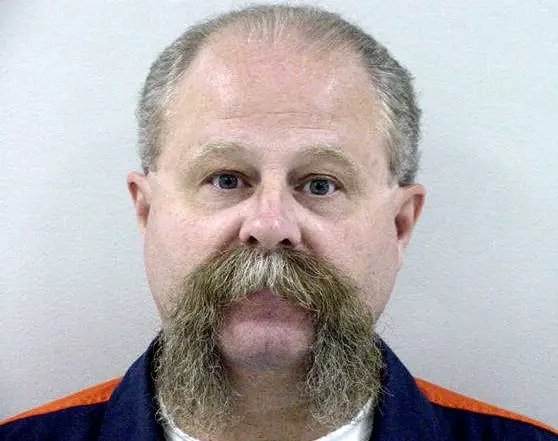
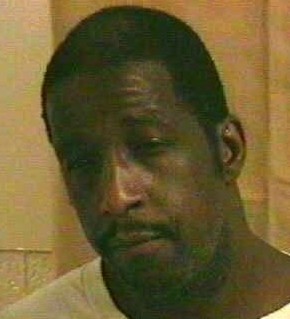
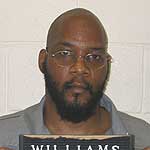
Leslie Allen Williams
Serial killer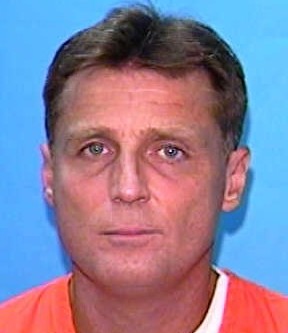 Glen Edward Rogers
Serial killer · USA · 1993
Glen Edward Rogers was a spree killer whose cross-country rampage in 1994-95 le…
70 victims
Glen Edward Rogers
Serial killer · USA · 1993
Glen Edward Rogers was a spree killer whose cross-country rampage in 1994-95 le…
70 victims
 Michael Swango
Serial killer · USA · 1981
Michael Swango (Joseph Michael Swango) was a physician and American serial kill…
60 victims
Michael Swango
Serial killer · USA · 1981
Michael Swango (Joseph Michael Swango) was a physician and American serial kill…
60 victims
 Efren Saldivar
Serial killer · USA · 1989
Efren Saldivar (born 30 September 1969) was an American serial killer who murde…
50 victims
Efren Saldivar
Serial killer · USA · 1989
Efren Saldivar (born 30 September 1969) was an American serial killer who murde…
50 victims
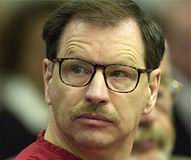 Gary Ridgway
Serial killer · USA · 1982
Gary Leon Ridgway Ridgway was born 18-February-1949 in Salt Lake City, UT. He w…
49 victims
Gary Ridgway
Serial killer · USA · 1982
Gary Leon Ridgway Ridgway was born 18-February-1949 in Salt Lake City, UT. He w…
49 victims
 Charles Cullen
Serial killer · USA · 1984
Charles Cullen (born February 22, 1960) was a former nurse and the most prolifi…
45 victims
Charles Cullen
Serial killer · USA · 1984
Charles Cullen (born February 22, 1960) was a former nurse and the most prolifi…
45 victims
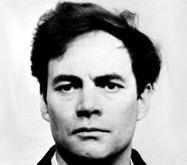 Donald Neilson
Serial killer · United Kingdom · 1974
Donald Neilson was born as Donald Nappey on August 1, 1936. He was nicknamed th…
5 victims
Donald Neilson
Serial killer · United Kingdom · 1974
Donald Neilson was born as Donald Nappey on August 1, 1936. He was nicknamed th…
5 victims
 James Michael Isom
Murderer · USA
James Michael Isom was an Oregon death row inmate. He died in prison in 1997. I…
1 victim
James Michael Isom
Murderer · USA
James Michael Isom was an Oregon death row inmate. He died in prison in 1997. I…
1 victim
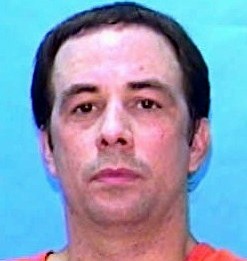 Michael Robinson
Murderer · USA · 1994
Michael Robinson was prosecuted in the Ninth Judicial Circuit, Orange County, u…
1 victim
Michael Robinson
Murderer · USA · 1994
Michael Robinson was prosecuted in the Ninth Judicial Circuit, Orange County, u…
1 victim
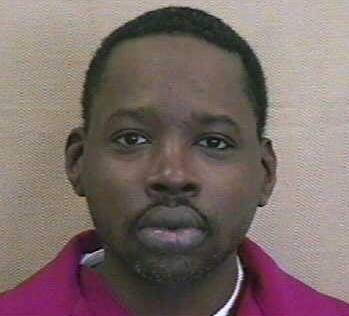 Kenneth Bernard Rouse
Murderer · USA · 1991
Kenneth Bernard Rouse was convicted by a North Carolina jury of first-degree mu…
1 victim
Kenneth Bernard Rouse
Murderer · USA · 1991
Kenneth Bernard Rouse was convicted by a North Carolina jury of first-degree mu…
1 victim
- Gender
- male
- Country
- USA
- Location
- Oakland/Genessee, Michigan, USA
- Date of birth
- J uly 4, 1953
- Age at first offence
- 38
- Characteristics
- serial rapist, rape, kidnappings, sexual abuse, convicted rapist
- Victim profile
- Kami Villanueva, 18 / Sisters Melissa and Michelle Urbin, 14 and 16 / Cynthia Marie Jones, 15
- Method of murder
- ???
- Date(s) of murder
- 1991 - 1992
- Years active
- 1991–1992
- Date of arrest
- May 29, 1992
- Status
-
Life imprisonment
Sentenced to life in prison without parole on one count in 1992
Case record: Leslie Allen Williams
Status and sentencing outcome
Leslie Allen Williams was sentenced to life in prison without parole on one count in 1992.
Background
Leslie Allen Williams of Detroit had a history of being paroled and sent back to prison over the last 20 years. Over the years, he received numerous breaks from the justice system, getting relatively light sentences or early paroles after guilty pleas on various charges of breaking and entering, rape and assault since 1971. His last sentencing was in 1983, when he threatened and abducted a woman, releasing her unharmed. He served seven years and was paroled in 1990.
Michigan Parole Board members were appointed by the state corrections director. Their salaries ranged from $63,000 to $68,000, and they served at the pleasure of the director. In 1990, the board considered more than 11,000 cases and paroled 8,888 offenders. Corrections officials said about 20 percent of those paroled ended up back in prison after new arrests, and another 20 percent returned because of parole violations.
The offence
Leslie Allen Williams confessed to abducting and killing four teen-age girls in southeastern Michigan, described as sexual attacks and a rape-slayer of teenage girls. He had threatened to rape and kill a 35-year-old woman before abducting her, and the confession led officials to their shallow graves in rural Oakland and Genesee counties, northwest of Detroit.
Three teen-age victims had been missing since last fall:
- Kami Villanueva, 18
- Melissa Urbin, 14
- Michelle Urbin, 16
The fourth victim disappeared in January:
- Cynthia Marie Jones, 15
Investigation
After Williams was arrested, police said he confessed to a series of sexual attacks and said he had kidnapped and killed four teen-agers. Officials located their shallow graves in rural Oakland and Genesee counties, both northwest of Detroit.
Arrest
Police said Leslie Allen Williams was arrested Sunday after abducting a 35-year-old woman whom he had threatened to rape and kill.
Trial
Williams was arraigned Friday for two of the slayings.
Sentencing
In 1983, Williams threatened and abducted a woman and released her unharmed. He was sentenced to concurrent terms of 5 to 10 years in prison for the assault and 7 to 30 years under the state's habitual offender law.
He was later sentenced to life in prison without parole on one count in 1992.
Appeals
No appeal information appeared in the provided material.
Outcome
Prison and legal status
Leslie Allen Williams received a sentence of life in prison without parole on one count in 1992.
Aftermath
Criticism of the parole system
The confession of Williams triggered criticism of Michigan's criminal justice system, particularly the parole board.
John Nichols, sheriff of Oakland County, criticized the parole release:
"Leslie Allen Williams represents a failure of this entire criminal justice system, particularly the parole system," said John Nichols, the sheriff of Oakland County. "Leslie Allen Williams never should have been on the street. Four young ladies are dead because of that."
Legislators and law-enforcement officials called for an overhaul of Michigan's parole system, saying Williams should not have been cycled through the system to prey on other people outside. Nichols said:
"People like this should not be cycled through the system, in and out, to prey on other people on the outside," Sheriff Nichols said.
George Ward, Wayne County's Chief Assistant Prosecutor, said Williams’s parole history was typical and criticized the parole board:
"The parole board represents the bureaucratic interests of emptying beds and not one of them represents the public safety interest," Mr. Ward said.
Changes suggested for parole board accountability
State legislators drafted legislation to make the parole panel more accountable. Under one plan described, the panel would be expanded to nine members, who would serve three-year terms upon appointment by the corrections director but would not be civil service employees, allowing the Governor to seek removal.
Parole board defense
Parole board members defended their decision to release Williams, saying they had no reason to keep him longer. Gail Light, a spokeswoman for the parole board, said:
"They looked at all the things they are supposed to consider and made the best decision based on all those factors," said Gail Light, a spokeswoman for the parole board.
Light said Williams had “positive” factors, including completion of his high school degree and work toward an associate degree, employment in a prison factory for five years, and participation in psychological therapy for 14 months:
Ms. Light said Mr. Williams had "positive" factors, including completion of his high school degree and work toward an associate degree, employment in a prison factory for five years and participation in psychological therapy for 14 months.
Statements from a victim’s family member
Patrick Urbin, whose two daughters' bodies were found in a shallow grave this week, criticized the early release:
"The system has failed us by letting this person out early," Mr. Urbin said. "He should be behind bars for the rest of his life."
Other details
Williams represented himself as a paroled rapist at the time of the confession, and the described motive was sex. The described method of committing the killings was “Rape-slayer of teenage girls.”
Spotted an error, or have more information about this case?