Ellen Etheridge
Serial killer Bertha Gifford
Serial killer · USA · 1909
Bertha Gifford (1872- August 20, 1951) was a farmwife in rural Catawissa, Misso…
17 victims
Bertha Gifford
Serial killer · USA · 1909
Bertha Gifford (1872- August 20, 1951) was a farmwife in rural Catawissa, Misso…
17 victims
 Della Sorenson
Serial killer · USA · 1918
Della Sorenson was a Nebraska woman who killed relatives by poisoning. She was…
8 victims
Della Sorenson
Serial killer · USA · 1918
Della Sorenson was a Nebraska woman who killed relatives by poisoning. She was…
8 victims
 Tillie Klimek
Serial killer · USA · 1914
Ottilie “Tillie” Klimek, also known as Ottilie “Tillie” Klimek (or Tillie Gbure…
6 victims
Tillie Klimek
Serial killer · USA · 1914
Ottilie “Tillie” Klimek, also known as Ottilie “Tillie” Klimek (or Tillie Gbure…
6 victims
 Tillie Klimek
Serial killer · USA · 1914
Ottilie “Tillie” Klimek (also known as Tillie Gburek) was a Polish American ser…
6 victims
Tillie Klimek
Serial killer · USA · 1914
Ottilie “Tillie” Klimek (also known as Tillie Gburek) was a Polish American ser…
6 victims
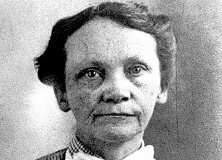 Amy Archer-Gilligan
Serial killer · USA · 1908
Amy Archer-Gilligan (1868–1962) was a serial killer in Windsor and Connecticut…
5 victims
Amy Archer-Gilligan
Serial killer · USA · 1908
Amy Archer-Gilligan (1868–1962) was a serial killer in Windsor and Connecticut…
5 victims
 Anna Cunningham
Serial killer · USA · 1918
Mrs. Anna Cunningham was a Chicago widow. She lived on a farm at Bachley Corner…
5 victims
Anna Cunningham
Serial killer · USA · 1918
Mrs. Anna Cunningham was a Chicago widow. She lived on a farm at Bachley Corner…
5 victims
 Robert Benjamin Smith
Mass murderer · USA · 1966
Robert Benjamin Smith was sentenced to death in October 1967 for first-degree m…
5 victims
Robert Benjamin Smith
Mass murderer · USA · 1966
Robert Benjamin Smith was sentenced to death in October 1967 for first-degree m…
5 victims
 Charlene Dorcy
Murderer · USA · 2004
Charlene Dorcy, diagnosed as a paranoid schizophrenic, pleaded guilty to two co…
2 victims
Charlene Dorcy
Murderer · USA · 2004
Charlene Dorcy, diagnosed as a paranoid schizophrenic, pleaded guilty to two co…
2 victims
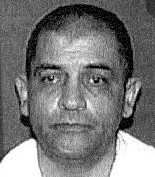 Jorge Villanueva
Murderer · USA · 1994
Jorge Villanueva was tried for the 1994 murder of an elderly neighbor, Maria Jo…
1 victim
Jorge Villanueva
Murderer · USA · 1994
Jorge Villanueva was tried for the 1994 murder of an elderly neighbor, Maria Jo…
1 victim
 Abdullah Hameen
Homicide - Murderer · USA · 1980
Abdullah Hameen was executed by lethal injection in Delaware on May 25, 2001. H…
2 victims
Abdullah Hameen
Homicide - Murderer · USA · 1980
Abdullah Hameen was executed by lethal injection in Delaware on May 25, 2001. H…
2 victims
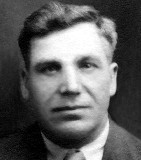 Jacob Bentz
Murderer · USA · 1931
Jacob Bentz was the second husband of Sophia Eberlein. Sophia Eberlein was beat…
1 victim
Jacob Bentz
Murderer · USA · 1931
Jacob Bentz was the second husband of Sophia Eberlein. Sophia Eberlein was beat…
1 victim
 Darrell Glenn Carr
Murderer · 1991
Darrell Glenn Carr was sentenced to death on March 10, 1993.
1 victim
Darrell Glenn Carr
Murderer · 1991
Darrell Glenn Carr was sentenced to death on March 10, 1993.
1 victim
- Gender
- female
- Country
- USA
- Location
- Bosque County, Texas, USA
- Date of birth
- 1866
- Age at first offence
- 47
- Characteristics
- poisoner, jealousy, domestic violence
- Victim profile
- F our of her stepchildren
- Method of murder
- Poisoning (arsenic)
- Date(s) of murder
- June/October 1913
- Years active
- 1913
- Date of arrest
- October 1913
- Status
-
Life imprisonment
Pleaded guilty; sentenced to life imprisonment on December 23, 1913
Background
Ellen Etheridge was married to J. D. Etheridge. She was 22 years old when she married a Texas millionaire and inherited an instant family of 8 stepchildren. She was married to her present husband last Spring. She was described as the second wife of J. D. Etheridge, a farmer, of Bosque county. She was a daughter of the Rev. John Walker of Matagorda County.
H. K. Dillard, prosecuting attorney of Bosque, assigned jealousy because her husband showered all his affections upon his eight children as the reason for her act. Jealousy was described as giving way to envy, then to hatred. The home in Bosque County was described as “his Iarge Bosque County home, northwest of Waco.” She tended house, warmed his lonely bed, and cooked his meals and cleaned his large Bosque County home.
The offence
Ellen Etheridge was convicted of poisoning her step-child and was sentenced to life imprisonment on December 23, 1913. She was also described as having murdered two of her stepchildren last June and two on Oct. 2 by administering poison.
An autopsy-based account stated that poison was discovered by post-mortem tests in the latter pair, and that she poisoned “4 of them, two at a time, about six months apart.” She was also described as being charged with killing three other step-children by the poison route at the time of being sentenced. Another later account described that she allegedly poured lye down the children’s throat and that she was found guilty in Bosque county of murder of four of her stepchildren and attempted murder of a fifth, with four life sentences and one of five years assessed. The later account described the fifth child as a boy of 13 who ran for medical treatment and later became “the state’s leading witness.”
Investigation
Authorities were curious, and poison was discovered by post-mortem tests. Mrs. Etheridge was arrested and confessed. In custody, the second Mrs. Etheridge confessed her crimes and drew a term of life imprisonment.
Trial
Ellen Etheridge was convicted of poisoning her step-child.
On December 23, 1913, she was convicted and sentenced to life imprisonment. Another account later described that she “still awaits a trial on the charge of killing three other step-children by the poison route” at the time of the December 23, 1913 sentencing.
Sentencing
On December 23, 1913, Mrs. Ellen Etheridge was sentenced to life imprisonment.
A later account described that she was found guilty in Bosque county of murder of four of her stepchildren and attempted murder of a fifth and assessed four life sentences and one of five years. It also described “seventeen years ago” in relation to her conviction and sentencing.
Appeals
No appeal information was provided.
Outcome
Ellen Etheridge pleaded guilty.
A later account described that she had a longer sentence than any other convict in the Texas prison system.
Aftermath
On February 21, 1930, Mrs. Ellen Etheridge was described as “A-64-year-old woman” in the Texas prison system. The later account stated that she had “a longer sentence than any other convict in the Texas prison system” and that she had entered prison “Seventeen years ago.” It also stated that she still hoped for a pardon that she might die a free woman.
She was described as being “at the Goree state farm for women, four miles south of here,” and as having the privilege of roaming the woods and farm without a guard. It stated that she returned to be locked behind the bars. The account stated that in her spare time she made lace and sold it to the public, acquiring enough money to have her body sent home if she should die in prison.
Quotations (verbatim)
“Slew Four Step-Children. – Woman Says Jealousy of Her Husband’s Affection Prompted Her to Act.” The New York Times Oct. 16, 1913 Waco, Tex., Oct 16. – Mrs. Ellen Etheridge, second wife of J. D. Etheridge, a farmer, of Bosque county, confessed she murdered two of her stepchildren last June and two on Oct. 2 by administering poison, according to a statement given out by H. K. Dillard, prosecuting attorney of Bosque. Jealousy because her husband showered all his affections upon his eight children was assigned by the assigned as the reason for her act. Mrs. Etheridge was married to her present husband last Spring. She is a daughter of the Rev. John Walker of Matagorda County.
“Woman Gets Life - Sentence Mrs. Ellen Etheridge Convicted Of Poisoning One Of Her Children Today.” Corsicana Daily Sun Dec. 23, 1913 Meridian, Texas, Dec. 23. – Mrs. Ellen Etheridge today was convicted of poisoning her step-child and sentenced to life imprisonment. She still awaits a trial on the charge of killing three other step-children by the poison route.
“Aged Woman Faces Longest Sentence, of Any Convict Now in Penitentiary of Texas; Entered Pen 17 Years Ago” Denton Record-Chronicle Feb. 21, 1930 HUNTSVILLE, Tex., Feb. 21 – A-64-year-old woman, Mrs. Ellen Etheridge, has a longer sentence than any other convict in the Texas prison system. Seventeen years ago Mrs. Etheridge was found guilty in Bosque county of murder of four of her stepchildren and attempted murder of a fifth and assessed four life sentences and one of five years. The woman allegedly poured lye down the children’s throat. The fifth child, a boy of 13, ran for medical treatment and later was the state’s leading witness. When she arrived at the Goree state farm for women, four miles south of here, Mrs. Etheridge’s complexion was fair and her hair was dark. Today her hair is streaked with silver and her shoulders are stooped. A model prisoner during the long confinement, Mrs. Etheridge still hopes for a pardon that she may die a free woman. She is given the privilege of roaming the woods and farm without a guard. She returns to be locked behind the bars. In her spare time she makes lace and sells it to the public, acquiring in this way enough money to have her body sent home if she should die in prison.


Spotted an error, or have more information about this case?