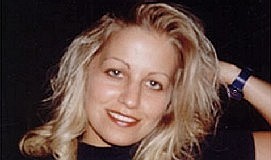
Karla Homolka
Serial killer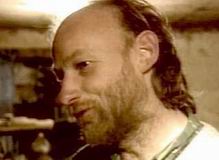 Robert Pickton
Serial killer · Canada · 1995
Robert William "Willie" Pickton (born October 26, 1949) of Port Coquitlam, Brit…
49 victims
Robert Pickton
Serial killer · Canada · 1995
Robert William "Willie" Pickton (born October 26, 1949) of Port Coquitlam, Brit…
49 victims
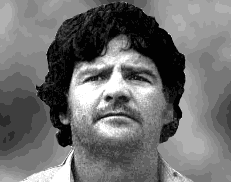 Clifford Olson
Serial killer · Canada · 1980
Clifford Robert Olson was a Canadian serial killer who abducted, sexually abuse…
11 victims
Clifford Olson
Serial killer · Canada · 1980
Clifford Robert Olson was a Canadian serial killer who abducted, sexually abuse…
11 victims
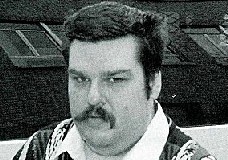 John Martin Crawford
Serial killer · Canada · 1981
John Martin Crawford was a Canadian serial killer. · 1981 — John Martin Crawfor…
4 victims
John Martin Crawford
Serial killer · Canada · 1981
John Martin Crawford was a Canadian serial killer. · 1981 — John Martin Crawfor…
4 victims
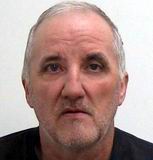 Camille Cleroux
Serial killer · Canada · 1990
Camille Cleroux, 58, pleaded guilty in an Ottawa court to the first-degree murd…
3 victims
Camille Cleroux
Serial killer · Canada · 1990
Camille Cleroux, 58, pleaded guilty in an Ottawa court to the first-degree murd…
3 victims
 Paul Bernardo
Serial killer · Canada · 1990
Paul Kenneth Bernardo (born August 27, 1964 in Toronto, Ontario) was a Canadian…
3 victims
Paul Bernardo
Serial killer · Canada · 1990
Paul Kenneth Bernardo (born August 27, 1964 in Toronto, Ontario) was a Canadian…
3 victims
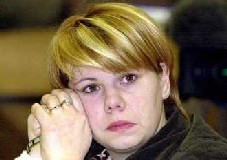 Christine Malèvre
Serial killer · France · 1997
Christine Malèvre Christine Malèvre (born 1970) was a French serial killer. She…
30 victims
Christine Malèvre
Serial killer · France · 1997
Christine Malèvre Christine Malèvre (born 1970) was a French serial killer. She…
30 victims
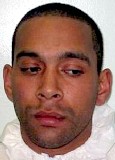 Wayne Edwards
Murderer · United Kingdom · 2009
Wayne Edwards was 33 years old and lived with his grandfather, Paul Peters, in…
1 victim
Wayne Edwards
Murderer · United Kingdom · 2009
Wayne Edwards was 33 years old and lived with his grandfather, Paul Peters, in…
1 victim
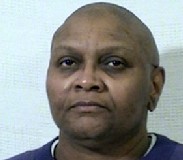 Celeste Carrington
Murderer · USA · 1992
Celeste Carrington Celeste Simone Carrington was Black and was 30 at the time o…
2 victims
Celeste Carrington
Murderer · USA · 1992
Celeste Carrington Celeste Simone Carrington was Black and was 30 at the time o…
2 victims
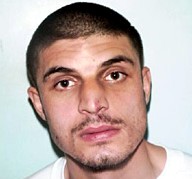 Daniel Gonzalez
Spree killer · United Kingdom · 2004
Daniel Gonzalez (1980 - 9 August 2007) was an offender who was sentenced to lif…
4 victims
Daniel Gonzalez
Spree killer · United Kingdom · 2004
Daniel Gonzalez (1980 - 9 August 2007) was an offender who was sentenced to lif…
4 victims
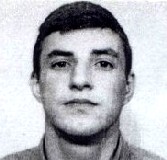 Alexander Greb
Spree killer · Russia · 2004
Alexander Greb was arrested by law enforcement officers of the Rakitinsky depar…
4 victims
Alexander Greb
Spree killer · Russia · 2004
Alexander Greb was arrested by law enforcement officers of the Rakitinsky depar…
4 victims
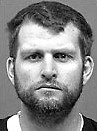 Keith Jesperson
Serial killer · USA · 1990
Name: Keith Jesperson · Also known as: “Happy Face Killer” · Born: April 6, 195…
8 victims
Keith Jesperson
Serial killer · USA · 1990
Name: Keith Jesperson · Also known as: “Happy Face Killer” · Born: April 6, 195…
8 victims
- Gender
- female
- Country
- Canada
- Location
- Ontario, Canada
- Date of birth
- May 4, 1970
- Age at first offence
- 20
- Characteristics
- rape, convicted rapist
- Victim profile
- Tammy Homolka, 15 (her sister) / Leslie Mahaffy, 14 / Kristen French, 15
- Method of murder
- Poisoning - Strangulation
- Date(s) of murder
- December 1990 - April 1992
- Years active
- 1990–1992
- Date of arrest
- February 19, 1993
- Status
-
Released
Released from Ste-Anne-des-Plaines prison on 4 July 2005 after serving a 12-year prison sentence in exchange for a guilty plea for manslaughter; restrictions were imposed as a condition of release under section 810.2 of the Criminal Code and were lifted on 30 November 2005
Case overview
Karla Leanne Homolka, also known as Karla Leanne Teale and Leanne Bordelais, was born 4 May 1970 in Port Credit, Ontario, Canada. She was a convicted Canadian serial killer. She attracted worldwide media attention when she was convicted of manslaughter following a plea bargain in the 1991 and 1992 rape-murders of two Ontario teenage girls, Leslie Mahaffy and Kristen French, as well as the rape and death of her sister Tammy.
Homolka and Paul Bernardo, her husband and partner in crime, were arrested in 1993. In 1995, Bernardo was convicted of the two teenagers' murders and received life in prison and a dangerous offender designation. During the 1993 investigation, Homolka stated to investigators that Bernardo had abused her and that she had been an unwilling accomplice to the murders. As a result, she struck a deal with prosecutors for a reduced prison sentence of 12 years in exchange for a guilty plea for manslaughter.
Videotapes of the crimes were later found that demonstrated that she was a more active participant than she had claimed, and the deal was dubbed in the Canadian press the "Deal with the Devil".
Timeline
- 17 October 1987 — Karla Homolka, 17, met Paul Bernardo, 23, at a Scarborough hotel while they were both attending a convention in Toronto.
- 24 December 1987 — Paul Bernardo proposed to Homolka.
- 23 July 1990 — Bernardo told his fiancee: "they got drunk and began making out."
- 24 July 1990 — According to Bernardo's testimony at his trial, Karla Homolka laced spaghetti sauce with crushed Valium she had stolen from her employer, Martindale Animal Clinic, served dinner to Tammy Homolka, and Tammy soon lost consciousness; Bernardo began to rape Tammy while Karla watched.
- 23 December 1990 — Homolka and Bernardo administered sleeping pills to the 15-year-old Tammy in a rum-and-eggnog cocktail; after Tammy was unconscious, Homolka and Bernardo undressed her and Karla applied a Halothane soaked cloth to her sister's nose and mouth.
- 15 June 1991 — Early in the morning, Bernardo took a detour through Burlington halfway between Toronto and St. Catharines to steal license plates, found Leslie Mahaffy, and abducted her.
- 14 June 1991 (as described in the narrative) — Leslie Mahaffy missed her curfew after attending a funeral; she was locked out of her house and unable to find anyone to stay with overnight.
- 29 June 1991 — A father and son on a fishing expedition discovered concrete blocks in Lake Gibson.
- 29 June 1991 (as described in the narrative) — Bernardo and Homolka wed.
- 23 December 1990 (as described in the narrative) — Paul and Karla videotaped themselves while raping Tammy with Karla wearing Tammy's clothing and pretending to be her.
- 16 April 1992 — Bernardo and Homolka were driving through St. Catharines to look for potential victims and attacked Kristen French; Homolka got out with a map in hand pretending to need assistance.
- April 18 1992 — While Bernardo was out buying pizza, he was spotted by Kerry Patrich.
- 30 April 1992 — French's nude body was found in a ditch in Burlington.
- 12 May 1992 — An NRP sergeant and constable interviewed Bernardo briefly after an officer filed a report.
- 30 April 1992 (as described in the narrative) — Kristen French's body was found in a ditch.
- 5 February 1993 — Metro Toronto Sexual Assault Squad investigators interviewed Homolka on 9 February 1993 (as described); the narrative otherwise records that Toronto police were informed and surveillance was placed.
- 9 February 1993 — Metro Toronto Sexual Assault Squad investigators interviewed Homolka.
- 11 February 1993 — Homolka met with Niagara Falls lawyer George Walker who sought full immunity from St Catharines's Crown Attorney Ray Houlahan in exchange for her cooperation.
- 13 February 1993 — The couple's name change was approved.
- 14 February 1993 — George Walker met with Murray Segal, Director of the Crown Criminal Law Office.
- 17 February 1993 — Metro Sexual Assault Squad and Green Ribbon Task Force detectives arrested Bernardo on numerous charges and obtained search warrants.
- 30 April 1993 — The search warrants expired.
- 17 May 1993 — Homolka led police through the house, leading them to find pertinent DNA evidence and a receipt for excess cement tied Bernardo to Leslie Mahaffy's murder.
- 18 May 1993 — Homolka was arraigned on two counts of manslaughter.
- 28 June 1993 — Homolka was tried on the manslaughter charges.
- 5 May 1993 — Walker was informed that the government was offering Homolka a 12-year sentence plea bargain.
- 14 May 1993 — The plea agreement between Homolka and the Crown was finalized.
- 5 July 1993 — The Crown applied for the publication ban by Mr. Justice Francis Kovacs of the Ontario Court (General Division).
- 18 May 1993 — Homolka was charged with two counts of manslaughter in the French and Mahaffy slayings after striking deal with Crown (timeline fragment).
- 19 May 1993 — Bernardo was charged with two counts each of first-degree murder, kidnapping, forcible confinement and aggravated sexual assault, and one count of committing an indignity to a body (timeline fragment).
- 6 July 1993 — Homolka pleaded guilty to manslaughter and was sentenced to 12 years in prison (timeline fragment).
- 12 September 1994 — Cooper attended Bernardo's trial and advised Justice Patrick LeSage of the Ontario Court's General Division about what the law society had directed Murray to do.
- 1 September 1995 — Bernardo was convicted on all the charges against him regarding the kidnappings, rapes and murders of Leslie Mahaffy and Kristen French.
- 11 January 2008 (as described in narrative) — The Canadian Press reported that letters written by Homolka to Lutczyn had been pulled from eBay.
- 27 December 1992 — Bernardo severely beat Homolka with a flashlight on the limbs, head and face (event stated in narrative).
- 4 January 1993 — Homolka returned to work after claiming she had been in an automobile accident (narrative event).
- 3 March 2000 (as described in narrative) — Homolka returned to Kingston Prison For Women for 1995 testimony (timeline fragment otherwise).
- 30 April 1993 (as described in narrative) — The search warrants expired (already included above; also supported by narrative).
- 10 May 1995 (as described) — Trial context; timeline includes “May 18, 1995 — Trial begins...” (not repeated as a separate entry).
- 2001 (as described) — Homolka's safety became a concern due to an internet death pool and threats; she was housed at Pinel Institute after being transferred from Saskatoon for evaluation ahead of a parole hearing.
- March 8 2001 — Homolka was officially denied early statutory release.
- June 3 2005 — A Quebec judge agreed that Karla Homolka was a risk to reoffend when released from prison.
- 4 July 2005 — Homolka was released from Ste-Anne-des-Plaines prison.
- 30 November 2005 — Quebec Superior Court Judge James Brunton lifted all restrictions imposed on Homolka; on 6 December 2005 the Quebec Court of Appeal upheld Brunton's decision.
- 6 December 2005 — Quebec Court of Appeal upheld Brunton's decision lifting restrictions.
- 6 August 2006 (as described) — TVA reported that her request to have her name changed was rejected.
- 14 December 2007 — CityNews reported that Homolka left Canada for the Antilles so that her then one-year-old could lead a more normal life.
- 21 June 2012 — Journalist Paula Todd published Finding Karla: How I Tracked Down an Elusive Serial Killer and Discovered a Mother of Three.
Background
Karla Leanne Homolka was the eldest of Karel and Dorothy Homolka's three daughters. Her sisters were Lori (b. 1971) and Tammy (1975–1990). The family lived in St. Catharines, Ontario. Homolka began working part-time at a pet shop while attending Sir Winston Churchill Secondary School. After graduation in 1988, she was hired by Thorold Veterinary Clinic to work as a veterinary assistant. She later took a similar job at the Martindale Animal Clinic, from which she stole drugs that were to be used in her crimes.
Homolka and Paul Bernardo met at a Scarborough restaurant on October 17, 1987 while both were attending a convention in Toronto. She was 17 and he was 23. Paul Bernardo proposed to Homolka on 24 December, and the narrative notes that the age of majority in Ontario was 18 and the age of consent in Canada was 14.
The offence
Tammy Homolka
By 1990, Bernardo spent large amounts of time with the Homolka family and was engaged to the eldest daughter while flirting constantly with the youngest one. The narrative describes that Bernardo had not told them that he had lost his job as an accountant and instead was smuggling cigarettes across the US–Canadian border. The narrative also describes that Bernardo became obsessed with Tammy Homolka by peeping into her window and entering her room to masturbate while she slept. Karla Homolka helped him by breaking the blinds in her sister's window to allow Bernardo access.
The narrative says that Bernardo took Tammy across the border in July to get beer for a party; while there, Bernardo later told his fiancee: "they got drunk and began making out."
According to Bernardo's testimony at his trial, on July 24, 1990, Homolka laced spaghetti sauce with crushed Valium she had stolen from her employer, Martindale Animal Clinic. She served dinner to her sister, who soon lost consciousness. Bernardo began to rape Tammy while Karla watched. Over the summer, the narrative says he supplied Tammy and her friends with gifts, food, and sodas and that Bernardo and Homolka videotaped themselves as they raped her in the basement. The narrative includes that Tammy began to vomit. The pair tried to revive her, then called 911, but not before they hid evidence, dressed Tammy, and moved her into her basement bedroom. A few hours later Tammy Homolka was pronounced dead at St. Catharines General Hospital without having regained consciousness.
The narrative says the official cause of Tammy Homolka's death was accidental—choking on her vomit after consumption of alcohol. The narrative says the pair later videotaped themselves with Karla wearing Tammy's clothing and pretending to be her, and also moved out of the Homolka house to a rented Port Dalhousie bungalow to let her parents cope with their grief.
The narrative also says that six months before their 1991 wedding, Homolka stole the anaesthetic agent Halothane from the clinic; on December 23, 1990, Homolka and Bernardo administered sleeping pills to Tammy in a rum-and-eggnog cocktail, and after Tammy was unconscious, they undressed her and Karla applied a Halothane-soaked cloth to Tammy's nose and mouth. The narrative says Karla wanted to "give Tammy's virginity to Bernardo for Christmas" and that according to Homolka, Bernardo was disappointed by not having been Karla's first sex partner. The narrative also says that the couple videotaped themselves while raping her in the basement.
Leslie Mahaffy
The narrative says that early in the morning on June 15, 1991, Bernardo took a detour through Burlington to steal license plates. He found Leslie Mahaffy, who was 14. The narrative says she missed her curfew after attending a funeral, was locked out of her house, and had been unable to find anyone with whom she could stay overnight. The narrative says Bernardo told her he was looking to break into a neighbour's house, blindfolded her, forced her into the vehicle, and drove her to Port Dalhousie where he informed Homolka that they had a playmate.
The narrative states that Bernardo and Homolka videotaped themselves torturing and sexually abusing Mahaffy while listening to Bob Marley and David Bowie. It includes that Bernardo said: "You're doing a good job, Leslie, a damned good job." and then added: "The next two hours are going to determine what I do to you. Right now, you're scoring perfect."
The narrative says that on a segment of tape played at Bernardo's trial, Mahaffy cried out in pain and begged Bernardo to stop, and that the Crown description said he was sodomizing her while her hands were bound with twine. The narrative says that Mahaffy told Bernardo that her blindfold seemed to be slipping, which the narrative says signaled the possibility she could identify her tormentors if permitted to live.
The narrative says that the following day Bernardo claimed Homolka fed her a lethal dose of Halcion, while Homolka claimed instead that Bernardo strangled her. The narrative says the pair put her body in their basement, and after the Homolkas and their remaining daughter, Lori, left, Bernardo and Homolka decided to dismember Leslie Mahaffy and encase each piece in cement. The narrative says Bernardo bought a dozen bags of cement at a hardware store the following day and kept receipts; it says Bernardo used his grandfather's circular saw to cut the body; it says Bernardo and Homolka then made numerous trips to dump the cement blocks in Lake Gibson, 18 kilometers south of Port Dalhousie.
The narrative says at least one block weighed 90 kg (200 pounds) and proved not to sink. It says it rested near the shore and was discovered on June 29, 1991 by a father and son fishing expedition, and that Leslie Mahaffy's orthodontic appliance proved instrumental in identifying her.
Kristen French
The narrative describes that on the afternoon of April 16, 1992, Bernardo and Homolka were driving through St. Catharines to look for potential victims and, after passing Holy Cross Secondary School, spotted Kristen French, a 15-year-old student. The couple pulled into the parking lot of nearby Grace Lutheran Church and Homolka got out holding a map, pretending to need assistance. The narrative says Bernardo attacked French from behind, brandishing a knife, and forcing her into the front seat of their car; it says from the back seat, Homolka controlled the girl by pulling down her hair.
The narrative says French took the same route home every day and that her parents became convinced within a short time that she had met with foul play and notified police. The narrative says that within 24 hours Niagara Regional Police had assembled a team and searched along her route and found witnesses who had seen the abduction from different locations, giving police a fairly clear picture, and that one of Kristen's shoes recovered from the parking lot underscored the seriousness of the abduction.
The narrative says that over the three days of Easter weekend, Bernardo and Homolka videotaped themselves torturing, raping and sodomizing Kristen French, forcing her to drink large amounts of alcohol and to behave submissively to Bernardo. The narrative includes that Crown prosecutor Ray Houlahan said that Bernardo always intended to kill her because she was never blindfolded and was capable of identifying her captors.
The narrative says that while Bernardo was out buying pizza on April 18 he was spotted by Kerry Patrich, who he had stalked the previous month. The narrative states that her report to Niagara Regional Police was mishandled by police, as noted by Judge Archie Campbell in his 1995 inquiry into the police investigation of Bernardo's crimes, thus negating any chance of Kristen French's being discovered at the Bernardo house.
The narrative says that on the following day the couple murdered French before going to the Homolkas' for Easter dinner. It states that Homolka testified at her trial that Bernardo strangled French for exactly seven minutes while she watched, and that Bernardo said Homolka beat her with a rubber mallet because she tried to escape and that French ended up being strangled on a noose tied around her neck secured to a hope chest. Immediately thereafter, Homolka went to fix her hair.
The narrative says French's nude body was found in a ditch on April 30, 1992 in Burlington, approximately 45 minutes from St. Catharines, and a short distance from the cemetery where Leslie Mahaffy is buried. It says she had been washed and her hair had been cut off. The narrative says it was originally thought the hair removal was a trophy, but Homolka testified that the hair had been cut to impede identification.
Investigation and police actions
The narrative says Homolka and Bernardo had been questioned by police several times before the death of Kristen French, in connection with the Scarborough Rapist investigation, Tammy Lyn Homolka's death, Bernardo's stalking of Sydney Kershen and the Patrich sisters.
The narrative says that an officer filed a report and on 12 May 1992 an NRP sergeant and constable interviewed Bernardo briefly. It says the officers decided he was an unlikely suspect, although Bernardo admitted having been questioned in connection with the Scarborough rapes.
The narrative says three days later the Green Ribbon Task Force was created to investigate the murders of Leslie Mahaffy and Kristen French. It says the couple applied to have their names changed legally from Bernardo and Homolka to Teale, and that at the end of May John Motile, an acquaintance of Bernardo, reported Bernardo as a possible murder suspect. The narrative says that in December 1992 the Centre of Forensic Sciences began testing DNA samples provided by Bernardo three years earlier.
The narrative states that on 27 December 1992, Bernardo severely beat Homolka with a flashlight on the limbs, head and face. It says that claiming she had been in an automobile accident, Homolka returned to work on 4 January 1993, and that her skeptical co-workers called her parents. The narrative says her parents assumed they were "rescuing" her and physically removed her from the house, and that Homolka went back in searching for something. It says her parents took her to St. Catharines General Hospital where her injuries were documented, and she gave a statement to NRP claiming she had been a battered spouse and filed charges against Bernardo. It says Bernardo was arrested but later released on his own recognizance and that Homolka moved in with relatives in Brampton.
The narrative states that Toronto police were informed that Bernardo's DNA matched that of the Scarborough Rapist and immediately placed him under 24-hour surveillance. It says Metro Toronto Sexual Assault Squad investigators interviewed Homolka on 9 February 1993. It says that despite telling investigators their suspicions about Bernardo, Homolka concentrated on his abuse of her. The narrative says that later that night she told her aunt and uncle that her husband was the Scarborough Rapist and that they were involved in the rapes and murders of Leslie Mahaffy and Kristen French, and that the rapes were recorded on videotape.
The narrative says that the NRP reopened the investigation into Tammy Homolka's death. It says that on 11 February 1993 Homolka met with Niagara Falls lawyer George Walker who sought full immunity from St Catharines's Crown Attorney Ray Houlahan in exchange for her cooperation. It says Homolka was placed under 24-hour surveillance and that the couple's name change was approved on 13 February 1993.
The narrative says that the next day George Walker met with Murray Segal, Director of the Crown Criminal Law Office. It says Walker told Segal of videotapes of the rapes and Segal advised Walker that, considering Homolka's involvement in the crimes, full immunity was not a possibility. It says Metro Sexual Assault Squad and Green Ribbon Task Force detectives arrested Bernardo on numerous charges on 17 February 1993 and obtained search warrants.
The narrative includes details of limitations in the warrant, including that no damage could be done to the house interior, that videotapes had to be viewed in the house, and that police could not tear down walls to look for videotapes. It says the search lasted 71 days and that the only tape found had a short segment depicting Homolka performing oral sex on "Jane Doe". It says on 21 February 1993 police found a tape depicting Bernardo, Homolka and an unnamed American prostitute having oral sex with an unconscious, unidentified young woman believed at first to have been Kristen French; it says the unidentified girl would later be called "Jane Doe" after discovery of full tapes and that her identity remained covered by the publication ban.
The narrative says Walker was informed on 5 May 1993 that the government was offering Homolka a 12-year sentence plea bargain with one week to accept; it says that if she declined, the government would charge her with two counts of first degree murder, one count of second degree murder and other crimes. It says Walker accepted the offer and Homolka later agreed. It says on 14 May 1993 the plea agreement between Homolka and the Crown was finalized and she began giving her statements to police investigators.
Arrest and bail
Homolka and Bernardo were arrested in 1993. The narrative says Bernardo was arrested and later released on his own recognizance after Homolka filed charges after the beating. It also says that Metro Sexual Assault Squad and Green Ribbon Task Force detectives arrested Bernardo on numerous charges on 17 February 1993 and obtained search warrants.
The timeline fragment says Homolka was freed on bail on 18 May 1993 after pleading arrangement with the Crown (timeline fragment).
Trial
Homolka arraignment and trial
On 18 May 1993, Homolka was arraigned on two counts of manslaughter. The narrative says publication ban limited details released to the public. It says Homolka was tried on 28 June 1993 though the publication ban barred public access to proceedings details.
The narrative includes that Murray said the videotapes showed Homolka sexually assaulting four female victims, having sex with a female prostitute in Atlantic City, and at another point drugging an unconscious victim.
Plea agreement and sentencing
Homolka's plea bargain was finalized on 14 May 1993 and she began giving statements. The timeline fragment says on 6 July 1993 Homolka pleaded guilty to manslaughter and was sentenced to 12 years in prison.
The current status field states: "Sentenced to 12 years in prison in exchange for a guilty plea for manslaughter." The narrative also describes that Homolka struck a deal for a reduced prison sentence of 12 years in exchange for a guilty plea for manslaughter.
Appeals and legal proceedings related to evidence
The narrative describes publication ban and later destruction of tapes.
It says a publication ban was imposed on Homolka's preliminary inquiry, citing protection of Bernardo's right to a fair trial. It states the Crown applied for the ban imposed on 5 July 1993 by Mr. Justice Francis Kovacs, and that Homolka, through her lawyers, supported the ban.
The narrative describes search warrants and evidence, including "Jane Doe" and the videotapes depicting torture and rape.
It says in December 2001 Canadian authorities determined there was no possible future use of the videotapes and that six videotapes depicting the torture and rape of Bernardo's and Homolka's victims were destroyed, while the disposition of videotapes showing Homolka watching and commenting on the tapes remained sealed.
Aftermath and release
After her 1995 testimony against Bernardo, Homolka returned to Kingston's Prison For Women and her mother suffered annual breakdowns between Thanksgiving and Christmas, sometimes requiring hospitalization.
The narrative says Homolka was moved from Kingston in the summer of 1997 to Joliette Institution in Joliette, Quebec, described by critics as "Club Fed". It says psychologists and psychiatrists examined her and agreed she showed symptoms of spousal abuse, while some believed she simulated with coaching and books.
It states Homolka sued the government after her transfer to a Montreal halfway house was denied. It states that in 2000 she had evaluations by psychiatrists and mental health officials, including that Homolka was described as "remains something of a diagnostic mystery. Despite her ability to present herself very well, there is a moral vacuity in her which is difficult, if not impossible, to explain."
The narrative includes allegations and discussion about a sexual relationship with Lynda Véronneau, who was serving time for armed robberies and reoffended to be sent back to Joliette to be with Homolka; it also includes details about Homolka's letters, psychiatrist statements quoted, and later reported eBay removal of letters.
Statutory release denial and continued detention
The narrative says Homolka refrained from applying for parole at the first opportunity and was denied statutory release two-thirds of the way through her sentence. It says in 2004 the Canadian Broadcasting Corporation reported the National Parole Board ruled she must stay in prison for her full sentence, warning she remained a risk to commit another violent crime.
It states on 11 January 2008 the Canadian Press reported on letters pulled from eBay and that Homolka continued to blame Bernardo for misdeeds, including a quoted letter of apology: "He wanted me to get sleeping pills from work… threatened me and physically and emotionally abused me when I refused… I tried so hard to save her."
It also states that on March 8, 2001 Homolka was officially denied early statutory release; it quotes the board order: "The board is satisfied that, if released, you are likely to commit an offence causing the death of or serious harm to another person before the expiration of the sentence you are now serving," and includes narrative quotation from the board report about the judge describing acts as monstrous and depraved and Homolka's difficulty controlling violent sexual impulses.
Release conditions and lifting of restrictions
On June 2, 2005 the network said the Ontario Crown would ask a Quebec judge to impose conditions under Section 810 of the Criminal Code on Homolka's release. The narrative includes a two-day hearing before Judge Jean R. Beaulieu in June 2005 and that Homolka's release on July 4, 2005 would still pose a risk to the public-at-large.
The narrative lists restrictions imposed under section 810.2 of the Criminal Code as conditions of her release, including requirements to:
- tell police her home address, work address and with whom she lives;
- notify police as soon as any of the above changed;
- notify police of any change to her name;
- give 72 hours' notice if planned to be away from home more than 48 hours;
- not contact Paul Bernardo, the families of Leslie Mahaffy and Kristen French, or that of Jane Doe;
- not contact or be with violent criminals;
- not be with people under the age of 16;
- not consume drugs other than prescription medicine;
- continue therapy and counselling;
- provide police with a DNA sample; and it states there was a maximum two-year prison term for violating an order.
It states on July 4, 2005 Homolka was released from Ste-Anne-des-Plaines prison and granted her first interview to Radio-Canada television in French, including that she chose Radio Canada because she found it less sensational than English-language media and that she would live within Quebec but refused to say where. It states her solicitor Sylvie Bordelais sat beside her and that her mother was also present off-screen.
Relocation and name changes
The narrative says after her release Homolka settled in Quebec, where she married and gave birth to a boy. It says 2007 reporting indicated she left Canada for the Antilles with her husband and their baby and changed her name to Leanne Teale. It says in 2012 journalist Paula Todd found her living in Guadeloupe under the name Leanne Bordelais with her husband and three children.
It also states that on November 30, 2005 Quebec Superior Court Judge James Brunton lifted all restrictions and that on December 6, 2005 the Quebec Court of Appeal upheld Brunton's decision.
People, relations, and victims
Homolka’s family and partner
- Karla Homolka: convicted Canadian serial killer; sister of Lori and Tammy; husband/partner relationship with Paul Bernardo; later married to Thierry Bordelais as described.
- Paul Bernardo: husband and partner in crime.
- Lori Homolka (b. 1971): sister.
- Tammy Homolka (1975–1990): sister and victim.
- George Walker: Niagara Falls lawyer who sought full immunity for Homolka in exchange for cooperation.
- Ray Houlahan: Crown prosecutor referenced in the narrative.
- Judge Archie Campbell: referenced in the narrative for a 1995 inquiry into police investigation of Bernardo's crimes.
- Judge Patrick T. Galligan: reported to the Attorney General on plea bargain conduct inquiry.
- Judge Patrick LeSage: referenced in trial context.
- John Rosen: defence counsel who replaced Murray as Bernardo's defence counsel.
- Ken Murray: Bernardo’s lawyer referenced in withholding evidence and returning tapes.
Victims named
- Leslie Mahaffy (14): abducted on 15 June 1991; tortured and sexually abused; body later disposed of in cement blocks dumped in Lake Gibson.
- Kristen French (15): abducted on 16 April 1992; tortured, raped and sodomized; body found on 30 April 1992 in Burlington; hair cut off to impede identification.
- Tammy Homolka (15 in narrative statements): raped; later died and death was ruled accidental, choking on vomit after alcohol.
Additional named individuals in the narrative
The narrative includes references to Kerry Patrich, Sydney Kershen, the Patrich sisters, Gordon Domm, John Motile, Kerry Patrich, Michelle Shephard, Candice Skrapec, Dr. Hubert Van Gijseghem, Lynda Véronneau, Christiane Desjardins, Tim Danson, Michael Bryant, Senator Michel Biron, Joyce Napier, Sylvie Bordelais, George Walker, Murray Segal, Roy Hazelwood, FBI profiler Roy Hazelwood, Austin Cooper, Carolyn MacDonald, Dr. Malcolm, Dr. Robin Menzies, Dr. Louis Morisette, Wendy Lutczyn, Chantel Meuneer, Thierry Bordelais, and Paula Todd.
Quotations (verbatim, attributed)
- Bernardo told his fiancee about Tammy: "they got drunk and began making out."
- Bernardo said during the Mahaffy abuse: "You're doing a good job, Leslie, a damned good job."
- Bernardo added during the Mahaffy abuse: "The next two hours are going to determine what I do to you.
- Homolka wanted to “give Tammy's virginity to Bernardo for Christmas”.
- Crown prosecutor Ray Houlahan said: Bernardo always intended to kill her because she was never blindfolded and was capable of identifying her captors.
- The National Parole Board order quoted in narrative: "The board is satisfied that, if released, you are likely to commit an offence causing the death of or serious harm to another person before the expiration of the sentence you are now serving,"
- The board report quotes (as included): "The judge described those acts as monstrous and depraved," and "All these crimes are extremely grave ... the fact that you continued your crimes after the death of your sister, which occurred during your sexual abuse of her, demonstrates clearly your difficulty in controlling your violent sexual impulses to the point of putting in danger the safety of others. Your modus operandi demonstrates a high degree of indifference to the consequences of your acts."
- Homolka apology letter quoted in narrative: "He wanted me to get sleeping pills from work… threatened me and physically and emotionally abused me when I refused… I tried so hard to save her."
- Meuneer recounting a statement by Homolka: "I don't let go right now because I want my clothes and I want my computer."
- Senator Michel Biron declared: "totalitarian".
- Panel stated in narrative about secret emotional relationship: "you have secretly undertaken an emotional relationship with another inmate, and evidence gathered seems to indicate that this relationship rapidly became sexual,"
- Homolka told Paula Todd (as quoted in the current case summary narrative): "Nobody cares, and everything I’ve said is off the record," and also: "Why should I trust you? I have everything to lose,"
- Homolka snapped back in the interview narrative: "That’s funny that you think you can judge that after seeing me this short time."
Other details (including publication ban, evidence handling, and cultural references)
The narrative includes that after videotapes of the crimes were found, Murray consulted a professional-conduct committee; the law society directed Murray to seal tapes in a package and turn them over to the judge presiding at Bernardo's trial, and to remove himself as Bernardo's counsel and tell Bernardo what he had been instructed to do. Cooper attended and advised Justice Patrick LeSage and prosecutor(s) about the law society directions.
It states that the tapes were not allowed to be shown to spectators; only the audio portion was available.
It includes discussion that the contents of videotapes destroyed in December 2001 included torture and rape scenes, and that tapes of Homolka watching and commenting remained sealed.
The narrative includes that in December 2001 the six videotapes depicting torture and rape were destroyed and that later the disposition of the other tapes remained sealed.
It also mentions that Homolka received death threats while at Joliette Institution and was transferred to Ste-Anne-des-Plaines prison north of Montreal.
The narrative includes references to cultural portrayals, including Law & Order, Law & Order: Special Victims Unit, Close to Home, Inspector Lynley Mysteries, documentaries, and film Karla released in 2004, with characters and inspiration described.
Current status and final outcome
Homolka was sentenced to 12 years in prison in exchange for a guilty plea for manslaughter. She was released from Ste-Anne-des-Plaines prison on 4 July 2005. Restrictions under section 810.2 were imposed as conditions of release and were later lifted when Quebec Judge James Brunton lifted restrictions on 30 November 2005, with the Quebec Court of Appeal upholding the decision on 6 December 2005. After release she lived in Quebec, changed her name, and later relocated to Guadeloupe under the name Leanne Bordelais with her husband and three children as described.
Spotted an error, or have more information about this case?