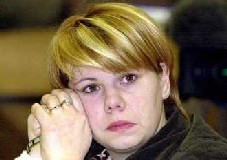
Christine Malèvre
Serial killer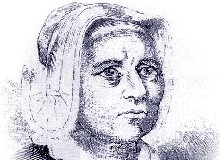 Hélène Jégado
Serial killer · France · 1833
Hélène Jégado (1803–1852) was a French domestic servant and poisoner. She was e…
23 victims
Hélène Jégado
Serial killer · France · 1833
Hélène Jégado (1803–1852) was a French domestic servant and poisoner. She was e…
23 victims
 Antoinette Scieri
Serial killer · France · 1924
Antoinette Scieri was born in Italy and emigrated to France as a child. In the…
12 victims
Antoinette Scieri
Serial killer · France · 1924
Antoinette Scieri was born in Italy and emigrated to France as a child. In the…
12 victims
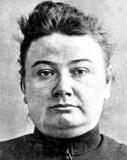 Jeanne Weber
Serial killer · France · 1905
Jeanne Weber (born 7 October 1874) was a French child-care provider and serial…
10 victims
Jeanne Weber
Serial killer · France · 1905
Jeanne Weber (born 7 October 1874) was a French child-care provider and serial…
10 victims
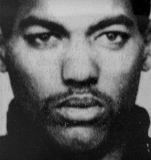 Guy Georges
Serial killer · France · 1991
Guy Georges was a French rapist and serial killer who preyed on attractive, you…
7 victims
Guy Georges
Serial killer · France · 1991
Guy Georges was a French rapist and serial killer who preyed on attractive, you…
7 victims
 Claude Lastennet
Serial killer · France · 1993
Claude Lastennet (born January 19, 1971 at Brest, France) was a French serial k…
5 victims
Claude Lastennet
Serial killer · France · 1993
Claude Lastennet (born January 19, 1971 at Brest, France) was a French serial k…
5 victims
 Patrice Alègre
Serial killer · France · 1989
Patrice Alègre was 32 years old when he was arrested on September 5, 1997, in P…
5 victims
Patrice Alègre
Serial killer · France · 1989
Patrice Alègre was 32 years old when he was arrested on September 5, 1997, in P…
5 victims
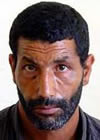 Abdelali Amer
Serial killer · Morocco · 2004
01 Aug 2005 — A corpse violently bitten was found near the wholesale market in…
14 victims
Abdelali Amer
Serial killer · Morocco · 2004
01 Aug 2005 — A corpse violently bitten was found near the wholesale market in…
14 victims
 Jesse Wise
Mass murderer · USA · 2006
Jesse Dee Wise, also known as “Jay,” lived with his grandparents at the home wh…
6 victims
Jesse Wise
Mass murderer · USA · 2006
Jesse Dee Wise, also known as “Jay,” lived with his grandparents at the home wh…
6 victims
 Michele Anderson
Mass murderer · USA · 2007
Michele Kristen Anderson was charged in connection with the Carnation Massacre,…
6 victims
Michele Anderson
Mass murderer · USA · 2007
Michele Kristen Anderson was charged in connection with the Carnation Massacre,…
6 victims
- Gender
- female
- Country
- France
- Location
- Paris, France
- Date of birth
- 1970
- Age at first offence
- 27
- Characteristics
- abuser, nurse, mentally ill
- Victim profile
- Men and women aged between 72 and 88 ( terminally ill patients)
- Method of murder
- Poisoning (Morphine - Potassium)
- Date(s) of murder
- 1997 - 1998
- Years active
- 1997–1998
- Date of arrest
- July 25, 1998
- Status
-
Released
Released in 2007
Name
Christine Malèvre
Background
Christine Malèvre (born 1970) was a French serial killer. She was a former nurse who worked at François Quesnay Hospital in Mantes-la-Jolie, a Paris suburb.
The offence
Christine Malèvre was arrested in 1998 on suspicion of having killed as many as 30 patients. She confessed to some of the murders and said she acted at the request of terminally ill patients, but she later recanted most of her confessions. Families of several victims strongly denied that their relatives had expressed any will to die, or had asked Malèvre to kill them.
The deaths dated back to January 1997. Her alleged victims were aged between 72 and 88 and were all in the terminal phase of incurable lung diseases. The deaths were alleged to have been put to death at their own request or that of relatives. At trial, she was sentenced for the murders of six patients and was acquitted of a seventh count of murder due to lack of evidence. She also denied responsibility for the death of three patients.
Investigation
The nurse was questioned after an inquiry by hospital officials who were surprised by an abnormal number of deaths in the pneumology department of the hospital.
Psychiatric reports concluded she had a “morbid fascination” with death and disease, and that she was aware of what she was doing. Another report showed that patients were three times as likely to die when Malèvre was on duty. A psychiatric report also said the nurse had a “morbid fascination” with death and disease.
Arrest
On July 25, 1998, after attempting to kill herself, Christine Malèvre confessed to helping about 30 patients to die. She was arrested in 1998 and released on bail awaiting a decision on whether she should stand trial for murder, with the prosecutor saying she was granted bail because there had been no formal complaint from the families of the patients.
Trial
A court in Versailles sentenced Christine Malèvre to 10 years in prison for the deaths of six hospital patients. She had been charged with the murder of seven patients at a lung hospital in Mantes-la-Jolie near Paris in 1997 and 1998, and she faced life in prison.
Ms. Malèvre initially said she had helped about 30 terminally ill patients end their lives. Later, she said she had helped only two patients die at their requests. She spoke of accidents involving two others and denied responsibility for the death of three patients. She later recanted her first confession and admitted to only four cases.
Prosecution counsel Alain Junillon rejected her insistence that she acted out of compassion, stating:
"These cases shatter the legend of Christine Malèvre as an angel of mercy bringing relief to patients at the end of their life,"
The BBC account quoted Olivier Morice as stating:
"Morice told French television during the trial. "Christine Malevre is not the Madonna of euthanasia she makes herself out to be, but on the contrary a woman who is unbalanced and who deliberately overstepped her authority," Mr Morice told French television during the trial."
In a statement attributed to Charles Libman, her lawyer stated:
"Christine Malèvre is neither the Madonna of euthanasia nor a serial killer. She is just a nurse who let her compassion rule her,"
During the proceedings, she was “variously labeled a serial killer and a nurse with a gift and compassion in dealing with the sick.” Benoit Chabert described Malèvre with a “perverted” relationship and a “morbid fascination” with death.
Olivier Morice, representing the families of three of the victims, said:
"If Christine Malevre had been tried for killing seven people in good health, we'd be far from 10 years and closer to life in prison,"
Olivier Morice also stated:
"The judge has realised that we are dealing with a serial killer more than with a Madonna of euthanasia," Olivier Morice, a lawyer for five patients' families told the newspaper Le Parisien.
Before the verdict, defence lawyer Charles Libman stated:
"Christine Malevre is neither the Madonna of euthanasia nor a serial killer. She is just a nurse who let her compassion rule her,"
It was reported that the court did not hold her responsible for the death of a seventh patient due to lack of evidence. She was banned from practicing nursing.
Conditions and timeline within trial reporting
Christine Malèvre worked at the Francois-Quesnay hospital in the Paris suburb of Mantes-la-Jolie from February 1997 to May 1998. In July 1998, she was arrested after an investigation into suspicious deaths at the hospital. She was released pending her trial after being charged with manslaughter. On the basis of psychiatric reports, the charges were upgraded to murder.
In the final report, 11 suspicious deaths were recorded, but in four of these there was insufficient evidence to press charges.
Sentencing
On January 31, 2003, Christine Malèvre was sentenced to 10 years in prison for the deaths of six hospital patients. The prosecutor Alain Junillon had recommended against a sentence for life, and it was reported she received a minimum sentence of 10 years.
On October 15, 2003, she was sentenced to 12 years in prison in appeal.
She was permanently banned from working as a nurse.
Appeals
On October 15, 2003, Christine Malèvre was sentenced to 12 years in prison in appeal.
Outcome
She was convicted and sentenced for murders of six patients, and she was acquitted of a seventh count of murder due to lack of evidence. She received 5,000 letters of support. She recanted most of her confessions and admitted to only four cases by the time of reporting.
Aftermath
Christine Malèvre became a symbol for the civil movement in France in favour of joining The Netherlands in legalising euthanasia. The debate was rekindled by the case. It was reported that France does not allow euthanasia and does not recognize a “right to die.” French doctors were reported to have come forward to say they had helped patients with incurable diseases die.
Olivier Morice said the judge had realized the case involved a serial killer more than a Madonna of euthanasia. Edith Deyris, secretary general of the Paris-based Association for the Right to Die in Dignity, said:
"It's exactly this type of action we are fighting against,"
"We want transparency. We want a realization and concerted action within hospitals -- based on written demands of patients who want to die."
"In other words," Deyris added in an interview, "the complete opposite of the shadows and impreciseness we found ourselves with the trial of Christine Malèvre."
Other details
Christine Malèvre attempted to kill herself before confessing on July 25, 1998. She had written a book about the incidents titled “My Confessions.” She was described as being questioned following an abnormal number of deaths in the pneumology department at the hospital. During sentencing reporting, it was stated she sat stony-faced as the verdict was read and later began to cry.


Spotted an error, or have more information about this case?