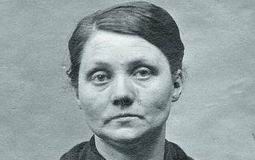
Hilda Nilsson
Serial killer Júlia Fazekas
Serial killer · Hungary · 1911
Júlia Fazekas was a midwife in Nagyrév, Hungary, who arrived in Nagyrév in 1911…
45 victims
Júlia Fazekas
Serial killer · Hungary · 1911
Júlia Fazekas was a midwife in Nagyrév, Hungary, who arrived in Nagyrév in 1911…
45 victims
 Dagmar Overbye
Serial killer · Denmark · 1913
Dagmar Johanne Amalie Overbye (April 23, 1887 – May 6, 1929) was a Danish seria…
25 victims
Dagmar Overbye
Serial killer · Denmark · 1913
Dagmar Johanne Amalie Overbye (April 23, 1887 – May 6, 1929) was a Danish seria…
25 victims
 Bertha Gifford
Serial killer · USA · 1909
Bertha Gifford (1872- August 20, 1951) was a farmwife in rural Catawissa, Misso…
17 victims
Bertha Gifford
Serial killer · USA · 1909
Bertha Gifford (1872- August 20, 1951) was a farmwife in rural Catawissa, Misso…
17 victims
 Antoinette Scieri
Serial killer · France · 1924
Antoinette Scieri was born in Italy and emigrated to France as a child. In the…
12 victims
Antoinette Scieri
Serial killer · France · 1924
Antoinette Scieri was born in Italy and emigrated to France as a child. In the…
12 victims
 Jeanne Weber
Serial killer · France · 1905
Jeanne Weber (born 7 October 1874) was a French child-care provider and serial…
10 victims
Jeanne Weber
Serial killer · France · 1905
Jeanne Weber (born 7 October 1874) was a French child-care provider and serial…
10 victims
 Della Sorenson
Serial killer · USA · 1918
Della Sorenson was a Nebraska woman who killed relatives by poisoning. She was…
8 victims
Della Sorenson
Serial killer · USA · 1918
Della Sorenson was a Nebraska woman who killed relatives by poisoning. She was…
8 victims
 Gabriel Socley
Murderer · France · 1935
Gabriel Socley was sentenced to death for the rape, and the later status of the…
1 victim
Gabriel Socley
Murderer · France · 1935
Gabriel Socley was sentenced to death for the rape, and the later status of the…
1 victim
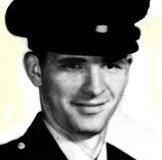 Dean Corll
Serial killer · USA · 1970
Dean Corll was shot dead by his accomplice Elmer Henley on August 8, 1973. Dean…
27 victims
Dean Corll
Serial killer · USA · 1970
Dean Corll was shot dead by his accomplice Elmer Henley on August 8, 1973. Dean…
27 victims
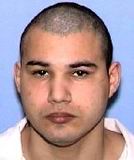 John Allen Rubio
Murderer · USA · 2003
John Allen Rubio was a Hispanic male born August 12, 1980. His education level…
3 victims
John Allen Rubio
Murderer · USA · 2003
John Allen Rubio was a Hispanic male born August 12, 1980. His education level…
3 victims
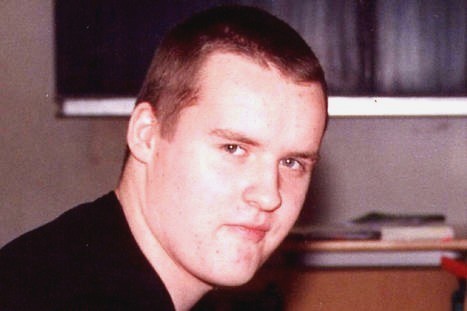 Robert Steinhäuser
Mass murderer · Germany · 2002
Robert Steinhäuser committed suicide by shooting himself the same day. The Erfu…
16 victims
Robert Steinhäuser
Mass murderer · Germany · 2002
Robert Steinhäuser committed suicide by shooting himself the same day. The Erfu…
16 victims
- Gender
- female
- Country
- Sweden
- Location
- Helsingborg, Sweden
- Date of birth
- May 24, 1876
- Age at first offence
- 39
- Characteristics
- babysitter, child abuse, child killer
- Victim profile
- Children
- Method of murder
- One method Nilsson used for murdering the children was to put them into a washtub and then place heavy objects—such as a washboard and coal scuttle—on top of them. She then left the room and returned hours later when the children were dead
- Date(s) of murder
- 1915 - 1917
- Years active
- 1915–1917
- Date of arrest
- —
- Status
-
Died in custody
Sentenced to death on June 15, 1917; committed suicide while in jail in Landskrona on 10 August 1917 by hanging herself with a linen cloth tied to a cell door
Case overview
Hilda Nilsson (1876 – 10 August 1917) was a Swedish serial killer from Helsingborg who became known as "the angel maker on Bruks Street". In 1917 she was imprisoned for murdering eight children. She was sentenced to death on 15 June 1917, but she died before the punishment could be carried out after committing suicide while in jail in Landskrona on 10 August 1917.
Background
Hilda Nilsson and her husband Gustaf lived in Helsingborg, Sweden. The couple had accrued large debts and needed a way to pay their bills. Nilsson cared for infants in return for money from mothers who were not married and needed help. This practice was known as baby farming. Nilsson kept her home in a good, clean condition, which made mothers more willing to leave their unwanted children in her care.
The offence
Nilsson murdered the children she took care of shortly after their mothers left them in her care. The murders were possible because the authorities rarely knew of these babies' existence, and the mothers almost never wanted to come back to learn how their children were doing.
One method Nilsson used for murdering the children was to put them into a washtub and then place heavy objects—such as a washboard and coal scuttle—on top of them. She then left the room and returned hours later when the children were dead.
After the killings, Nilsson burned their bodies. On occasions when she did not burn them, she dug graves and buried them. She was different from other baby-farmer child killers of that time, in that she actively killed the children; other similar killers mostly left the children with insufficient food and unhealthy living conditions, which led to their death.
Investigation
Nilsson's crimes were discovered when a woman named Blenda Henricsson wanted to contact her child. When Nilsson refused contact, Henricsson asked the police to investigate. The police soon found ample incriminating evidence of the murders.
Trial
Nilsson's trial included a mental examination. Her trial began on 2 June 1917. At the conclusion of the trial on 15 June 1917, she was sentenced to death.
Sentencing
Nilsson was sentenced to death by guillotine on 15 June 1917. Before the punishment could be carried out, she committed suicide.
On the same day, and without Nilsson's knowledge, the court had commuted her death sentence to life imprisonment.
Appeals
She was the last death penalty prisoner in Swedish history not to be pardoned. She died before the pardon could be officially carried out.
Outcome
Before the guillotine execution could be carried out, Nilsson committed suicide while in jail in Landskrona on 10 August 1917. She hanged herself with a linen cloth, which she had tied to a cell door.
Aftermath
Nilsson died before any officially carried out pardon could occur.

Spotted an error, or have more information about this case?