
Amy Wilkerson
Murderer Miranda Barbour
Murderer · USA · 2013
Miranda Barbour, 19, defendant. · Elytte Barbour, 22, defendant and husband of…
100 victims
Miranda Barbour
Murderer · USA · 2013
Miranda Barbour, 19, defendant. · Elytte Barbour, 22, defendant and husband of…
100 victims
 Megan Huntsman
Murderer · USA · 1996
Megan Huntsman was 40 at sentencing. She was a mother of three children who wer…
6 victims
Megan Huntsman
Murderer · USA · 1996
Megan Huntsman was 40 at sentencing. She was a mother of three children who wer…
6 victims
 Michele Kalina
Murderer · USA · 1996
Michele Kalina pleaded guilty to murder for one of five infants she initially w…
5 victims
Michele Kalina
Murderer · USA · 1996
Michele Kalina pleaded guilty to murder for one of five infants she initially w…
5 victims
 Tiffany Hall
Murderer · USA · 2006
Tiffany Hall was 24 when she was charged in September 2006. She later entered a…
5 victims
Tiffany Hall
Murderer · USA · 2006
Tiffany Hall was 24 when she was charged in September 2006. She later entered a…
5 victims
 Banita Jacks
Murderer · USA · 2007
Banita Jacks was a Washington, DC resident convicted of murdering her four daug…
4 victims
Banita Jacks
Murderer · USA · 2007
Banita Jacks was a Washington, DC resident convicted of murdering her four daug…
4 victims
 Holly Grigsby
Murderer · USA · 2011
Holly Grigsby was sentenced to life in prison without parole on July 15, 2014.…
4 victims
Holly Grigsby
Murderer · USA · 2011
Holly Grigsby was sentenced to life in prison without parole on July 15, 2014.…
4 victims
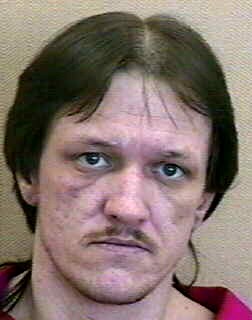 Joseph Timothy Keel
Murderer · USA · 1986
Joseph Timothy Keel was convicted in Edgecombe County Superior Court in the sho…
2 victims
Joseph Timothy Keel
Murderer · USA · 1986
Joseph Timothy Keel was convicted in Edgecombe County Superior Court in the sho…
2 victims
 Alexander Spesivtsev
Serial killer · Rusia · 1991
Alexander Nikolayevich Spesivtsev (Russian: Александр Николаевич Спесивцев ), a…
19 victims
Alexander Spesivtsev
Serial killer · Rusia · 1991
Alexander Nikolayevich Spesivtsev (Russian: Александр Николаевич Спесивцев ), a…
19 victims
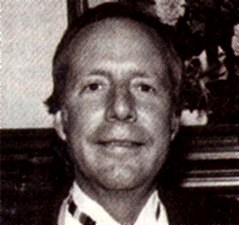 John Eleuthère DuPont
Homicide · USA · 1996
John Eleuthère duPont (November 22, 1938 – December 9, 2010) was an American bi…
1 victim
John Eleuthère DuPont
Homicide · USA · 1996
John Eleuthère duPont (November 22, 1938 – December 9, 2010) was an American bi…
1 victim
 Jeffrey David Matthews
Murderer · USA · 1994
Jeffrey David Matthews was executed by lethal injection in Oklahoma on January…
1 victim
Jeffrey David Matthews
Murderer · USA · 1994
Jeffrey David Matthews was executed by lethal injection in Oklahoma on January…
1 victim
 Sipho Dube
Serial killer · South Africa · 2001
Sipho Dube was convicted of seven murders and three rapes and was sentenced to…
7 victims
Sipho Dube
Serial killer · South Africa · 2001
Sipho Dube was convicted of seven murders and three rapes and was sentenced to…
7 victims
 Humberto Garza
Mass murderer · USA · 2003
Name: Humberto Garza · Also known as: “Gallo” · TDCJ number: 999495 · Date of b…
6 victims
Humberto Garza
Mass murderer · USA · 2003
Name: Humberto Garza · Also known as: “Gallo” · TDCJ number: 999495 · Date of b…
6 victims
- Gender
- female
- Country
- USA
- Location
- Latimer, Jackson County, Mississippi, USA
- Date of birth
- 1976
- Age at first offence
- 29
- Characteristics
- babysitter
- Victim profile
- Tristan Chinn, 8-week-old
- Method of murder
- Shaken to death
- Date(s) of murder
- July 18, 2005
- Years active
- 2005
- Date of arrest
- Same day
- Status
-
Life imprisonment
Pleaded guilty to depraved-heart murder; sentenced to life in prison on May 23, 2007; eligible for parole in 30 years; post-conviction relief appeal dismissed and summary dismissal of her PCR motion affirmed
Background
Amy Danielle Wilkerson was a Jackson County woman who pleaded guilty in circuit court to the death of an eight-week-old baby, Tristan Chinn. She was initially charged with capital murder. Prosecutors said the baby was shaken to death. Her guilty plea to murder followed agreement with the Chinn family after the capital murder charge was reduced to murder.
The offence
Tristan Chinn was eight weeks old when he died. During the early morning hours of July 18, 2005, his parents followed their normal routine. Tristan’s mother awoke and played with him before going to work. His father then dropped Tristan off at Wilkerson’s home so Wilkerson could babysit him that day. Tristan was in perfect health when his father left him under Wilkerson’s care.
Wilkerson gave several conflicting accounts of the events surrounding the infant’s death. At the hospital, Wilkerson told Tristan’s mother that Tristan had been injured while riding in the car. Wilkerson later told police detectives that Tristan’s injury occurred when he fell from the couch and hit his head. Wilkerson eventually confessed that her “couch story” was false and that she had shaken Tristan to death.
Investigators started questioning Wilkerson after Tristan’s injuries turned out to be consistent with that of other victims of shaken baby syndrome. District Attorney Tony Lawrence said investigators determined that Wilkerson had shaken Tristan, causing massive brain hemorrhaging. During the 2007 plea hearing, Wilkerson admitted to Judge Dale Harkey that she shook Tristan the day he died and that shaking him caused Tristan’s death.
Investigation
At 2:10 p.m. on July 18, 2005, Wilkerson called 911 and reported that while babysitting Tristan, he stopped breathing. Paramedics arrived and found Wilkerson attempting to perform CPR on the infant. Tristan was taken to the hospital and died a short time later.
Wilkerson initially provided accounts that placed the injury during car travel or after a fall from the couch. She later admitted that her “couch story” was false and that she had shaken Tristan to death.
A Jackson County grand jury indicted Wilkerson for capital murder.
Arrest
Wilkerson was questioned by Jackson County investigators after Tristan’s injuries were found to be consistent with shaken baby syndrome victims. Wilkerson eventually confessed that she had shaken Tristan to death.
Trial
Wilkerson entered into a plea agreement after initially pleading not guilty. She pleaded guilty to depraved-heart murder.
During her guilty-plea colloquy, Wilkerson agreed to the factual basis recited by the State. She acknowledged providing several conflicting accounts of the child victim’s injury, including that Tristan was hurt while riding in the car and that he had fallen off of the couch. She admitted to law enforcement that she shook Tristan and that her “couch story” was not true. She also acknowledged that Tristan died as a result of her shaking him. When asked by the circuit judge whether she had shaken Tristan, Wilkerson responded, “Yes, sir.” In her plea petition, she admitted, “I shook the child.”
Wilkerson argued later that her guilty plea was involuntary because: (1) the circuit court failed to explain the minimum and maximum sentences she faced; (2) she was not given an opportunity to explain during the plea colloquy her “own version of the alleged [baby] shaking”; and (3) she only had thirty minutes to contemplate her plea.
Wilkerson contended she had thirty minutes to decide whether to plead guilty. The affidavit attached to her PCR motion did not support this claim.
Sentencing
Judge Dale Harkey sentenced Wilkerson to life in prison. She was sentenced on May 23, 2007.
At sentencing-related discussion during the plea proceedings, the trial judge emphasized that she “would not be eligible for parole considerations until the age of 65.” The judge also stated that her age at the time meant she was “looking at some 34 years in the penitentiary [at] a minimum.” When asked if she understood the terms of her sentence, Wilkerson replied, “Yes, sir.”
Wilkerson was eligible for parole in 30 years when she turned 65.
Appeals
Post-conviction relief proceedings and Mississippi Court of Appeals decision
Exactly three years later, Wilkerson filed a post-conviction relief (PCR) motion arguing ineffective assistance of trial counsel. The circuit court found that from reviewing Wilkerson’s motion it was plain that she was not entitled to relief and summarily dismissed her PCR motion without holding an evidentiary hearing.
On appeal, Wilkerson argued (1) her guilty plea was involuntary and (2) her trial counsel was ineffective. The appeal found her voluntariness issues procedurally barred because she failed to raise the voluntariness of her plea in her PCR motion.
The Court of Appeals affirmed the circuit court’s summary dismissal. It found that Wilkerson was properly advised of the consequences of her plea, and that no error by her counsel rendered her plea involuntary. It also found that Wilkerson did not show that any alleged error by trial counsel rendered her plea involuntary or that her attorneys were constitutionally ineffective.
The Court of Appeals described the procedural bar as follows: Wilkerson failed to raise issues related to the voluntariness of her plea in her PCR motion, which was a procedural bar.
The Court of Appeals stated its analysis of the plea voluntariness and factual basis. It found that the trial judge thoroughly explained the consequences of her plea and that Wilkerson’s sworn statements showed she understood the minimum and maximum penalties. The Court of Appeals also found a factual basis for the plea because Wilkerson admitted shaking Tristan and acknowledged that his death resulted from her shaking him, and she did not disagree with the facts offered by the State or request an opportunity to provide a different version.
Wilkerson’s complaints about trial counsel focused on pretrial preparation, communication, and mitigation testimony. The Court of Appeals found she did not explain how additional investigation would have aided her defense or resulted in her deciding to exercise her right to a jury trial, and she did not identify exculpatory witnesses or that anyone else witnessed the incident. The Court of Appeals also found she did not plead with specificity how alleged lack of communication about the State’s evidence affected her decision to plead guilty. The Court of Appeals further found that any mitigation testimony argument was waived because it did not relate to the voluntariness of the plea.
The Court of Appeals concluded by affirming the circuit court’s dismissal of Wilkerson’s PCR motion. It assessed all costs of the appeal to Wilkerson.
Mississippi Court of Appeals judgment text and procedural history
The case was “Wilkerson v. State, 89 So.3d 610 (2011)” and the docket was “No. 2010-CA-01102-COA.” The decision date was “November 8, 2011.” Rehearing was denied on “February 28, 2012.” Certiorari was denied on “June 7, 2012.”
In the appeal, the Court included the following determination in its discussion of voluntariness in the response it quoted:
“We find from reviewing Wilkerson's guilty-plea transcript, her motion and the accompanying affidavits that the trial judge advised her of the consequences of her guilty plea, and she voluntarily pled guilty. Wilkerson has not shown that any alleged error by her trial counsel rendered her plea involuntary or that her attorneys were constitutionally ineffective. We affirm the circuit court's summary dismissal of her motion,” the appeal court response stated.
The appeal also reported the Court’s procedural and merits findings, including that her first argument was procedurally barred because she failed to raise voluntariness in her PCR motion, but that the Court nevertheless found no error on plea-voluntariness issues presented.
Wilkerson’s counsel and the appellee representation were described as: “George S. Shaddock, Pascagoula, Attorney for Appellant. Office of the Attorney General by Lisa Lynn Blount, attorney for appellee.” The panel included “IRVING, P.J., MAXWELL and RUSSELL, JJ,” with “MAXWELL, J., for the Court.”
The Court’s conclusion stated:
“We find from reviewing Wilkerson's guilty-plea transcript, her PCR motion and the accompanying affidavits that the trial judge advised her of the consequences of her guilty plea, and she voluntarily pled guilty. Wilkerson has not shown that any alleged error by her trial counsel rendered her plea involuntary or that her attorneys were constitutionally ineffective. We affirm the circuit court's summary dismissal of her PCR motion.”
“THE JUDGMENT OF THE JACKSON COUNTY CIRCUIT COURT DISMISSING THE MOTION FOR POST-CONVICTION RELIEF IS AFFIRMED. ALL COSTS OF THIS APPEAL ARE ASSESSED TO THE APPELLANT.”
The concurrence noted: “LEE, C.J., IRVING AND GRIFFIS, P.JJ., BARNES, ISHEE, ROBERTS, CARLTON AND RUSSELL, JJ., CONCUR. MYERS, J., NOT PARTICIPATING.”
Outcome
Wilkerson’s post-conviction relief motion was dismissed by the circuit court without an evidentiary hearing, and the Court of Appeals affirmed that summary dismissal. All costs of the appeal were assessed to Wilkerson.
Other details
Wilkerson’s appeal arguments in her brief included a claim that the plea colloquy was missing her version of the alleged baby shaking, which she described as:
“The colloquy was precise and textbook, and all points were covered but one. The one missing was [Wilkerson's] own version of the alleged shaking of [the child victim].”

Spotted an error, or have more information about this case?