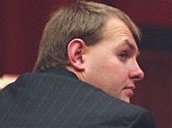
John Walter Bardgett
Homicide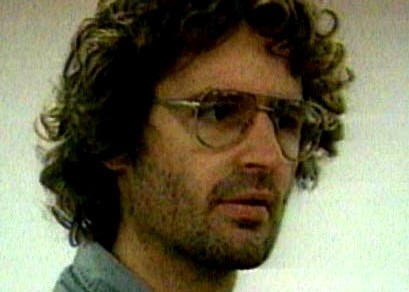 David Koresh
Homicide · USA · 1993
David Koresh (born Vernon Wayne Howell; August 17, 1959 – April 19, 1993) led t…
79 victims
David Koresh
Homicide · USA · 1993
David Koresh (born Vernon Wayne Howell; August 17, 1959 – April 19, 1993) led t…
79 victims
 Todd Hall
Homicide · USA · 1996
Todd Hall was described by neighbors as "mentally slow" and was said to have su…
9 victims
Todd Hall
Homicide · USA · 1996
Todd Hall was described by neighbors as "mentally slow" and was said to have su…
9 victims
 Joshua Jenkins
Homicide · USA · 1996
Joshua Jenkins was a 15-year-old American killer who killed five members of his…
5 victims
Joshua Jenkins
Homicide · USA · 1996
Joshua Jenkins was a 15-year-old American killer who killed five members of his…
5 victims
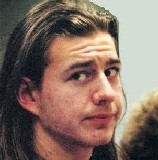 Alex Baranyi
Homicide · USA · 1997
Alex Baranyi and David Anderson were 17-year-old high-school dropouts from Bell…
4 victims
Alex Baranyi
Homicide · USA · 1997
Alex Baranyi and David Anderson were 17-year-old high-school dropouts from Bell…
4 victims
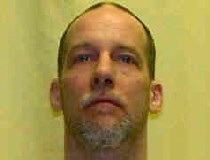 Mark Wiles
Murderer · USA · 1985
Mark Wiles was a White male convicted in Portage County of an aggravated murder…
1 victim
Mark Wiles
Murderer · USA · 1985
Mark Wiles was a White male convicted in Portage County of an aggravated murder…
1 victim
 Kevin Lee Zimmerman
Murderer · USA · 1987
Defendant: Kevin Lee Zimmerman Victim: Leslie Gilbert Hooks, Jr. (33) Place: Mo…
1 victim
Kevin Lee Zimmerman
Murderer · USA · 1987
Defendant: Kevin Lee Zimmerman Victim: Leslie Gilbert Hooks, Jr. (33) Place: Mo…
1 victim
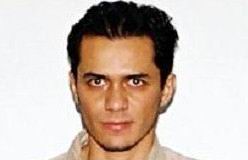 Raul Osiel Marroquin
Serial killer · Mexico · 2005
Raúl Osiel Marroquín Reyes was born around 1981 in Tampico, Tamaulipas. At the…
4 victims
Raul Osiel Marroquin
Serial killer · Mexico · 2005
Raúl Osiel Marroquín Reyes was born around 1981 in Tampico, Tamaulipas. At the…
4 victims
 Wesley Eugene Baker
Murderer · USA · 1991
Wesley Eugene Baker was convicted of murdering Jane Tyson in the course of a ro…
1 victim
Wesley Eugene Baker
Murderer · USA · 1991
Wesley Eugene Baker was convicted of murdering Jane Tyson in the course of a ro…
1 victim
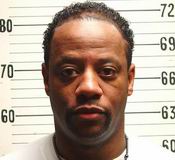 Pervis Tyrone Payne
Murderer · USA · 1987
Pervis T. Payne was convicted in Shelby County of killing Charisse Christopher…
2 victims
Pervis Tyrone Payne
Murderer · USA · 1987
Pervis T. Payne was convicted in Shelby County of killing Charisse Christopher…
2 victims
- Gender
- male
- Country
- USA
- Location
- Hillsborough County, New Hampshire, USA
- Date of birth
- September 10, 1976
- Age at first offence
- 25
- Characteristics
- nurse, angel of death
- Victim profile
- Clara Hamm, 92 / Dorothy Koch, 91 (patients)
- Method of murder
- Poisoning ( lethal doses of morphine )
- Date(s) of murder
- September 9/10, 2001
- Years active
- 2001
- Date of arrest
- —
- Status
-
Acquitted / overturned
Acquitted of murder, negligent homicide and manslaughter in February 2003; in November 2003 pleaded guilty to administering morphine without a doctor's orders and was sentenced to two consecutive 12-month jail terms with all time suspended; gave up his nursing license.
Case details
John Walter Bardgett was a 25-year-old nurse.
Background
Bardgett worked at Harborside-Northwood Nursing Home in Bedford, New Hampshire.
Bardgett grew up in Kingston. He previously worked for both the Kingston and Danville fire departments.
Bardgett was fired from Holy Family Hospital in Methuen, Mass. in June 2001 after working three months in the intensive care unit. Hospital President William Lane said Bardgett was fired because hospital officials felt he needed more basic nursing training. Hospital officials reviewed patient records after Bardgett was arrested in New Hampshire, but found nothing improper, Lane said.
The offence
Bardgett was accused of administering unauthorized doses of morphine to elderly nursing home residents, including intravenous injections despite doctors’ orders specifying slower-acting ways or administration under the skin rather than intravenously.
The state alleged that Bardgett intravenously injected two patients, Dorothy Koch, 91, and Clara Hamm, 92, with lethal doses of morphine. Both were terminally ill: Koch was suffering from end-stage liver cancer, while Hamm was being treated as a hospice patient. The women died within an hour on September 9, 2001, after receiving the injections, and they died within seven hours of each other.
The state also alleged that Bardgett told others he killed patients at the nursing home and referred to himself as “Angel of Death” or “Angel of Mercy.” One person said that Bardgett had bragged about killing three patients, and that the body of one patient had been cremated before it could be investigated for traces of morphine.
Bardgett’s statements included verbatim remarks that prosecutors and the defence treated differently:
- He was allegedly heard bragging to nurses about the deaths, saying: “I killed another. I just killed Clara.”
- He referred to himself as “Angel of Death” or “Angel of Mercy.”
- A nurse accused Bardgett, saying: “You just killed Clara.”
- Bardgett responded: “I’ve taken care of Helen. I’ve taken care of Clara, and now I’m going to take care of Dorothy... I killed another one, I killed Clara."
- In a recorded conversation described during investigations, Bardgett said: “Tell me, which is more invasive?”
- In that same conversation, he said: “I did it that night. I did it, killed her.”
- In the conversation, he also qualified his remarks: “Not really. I helped her to her grave.”
- Bardgett told the informant in a police affidavit: “I did it. I killed her. Not literally. I helped her to her grave,” and an additional statement from the affidavit included: “But you know, that's how I killed (name blacked out)”
- In the recorded conversation, when asked about injection method, he replied: “Only myself and the Good Lord knows what I did.”
- When discussing Hamm and intravenous access, Bardgett was heard saying he started an intravenous drip on Hamm so he wouldn’t have to “stick her in the arm every hour.”
- In the recorded conversation, Bardgett said: “stabbing them every hour” (in the context of protocol for shots to the muscle).
- When asked about Dorothy, Bardgett replied: “Dead,” and said: “I did it that night.” (as presented in the narration of the conversation)
- In opening statement testimony described at trial, Carey said a witness would testify that Bardgett told her he killed three patients at the nursing home, the third being Helen Peyant, 71, who died on Sept. 1, 2001, and that her body had been cremated before it could be tested for morphine.
- Bardgett also said after the verdict: “I never intended to harm either of their loved ones,” directing his remarks at the women’s families after the verdict.
Doctors had instructed nurses to administer morphine to these patients under the skin rather than intravenously, and Bardgett gave both women morphine intravenously.
Bardgett’s lawyer argued that Bardgett had authorization and that the women died from terminal illnesses rather than morphine overdoses. The defence also argued that Bardgett’s comments and nickname “Angel of Death” had no sinister meaning and referred to the fact that he had encountered many deaths while working as an emergency medical technician.
Investigation
Authorities recorded conversations in which Bardgett implicated himself in the deaths.
In one conversation described by investigators, Bardgett was recorded discussing that he started an intravenous drip on Hamm so he wouldn’t have to “stick her in the arm every hour,” complaining about another nurse’s complaint, and describing the injection and death of Dorothy Koch.
A police affidavit stated that investigators recorded a conversation Tuesday in which Bardgett implicated himself in the death of Dorothy Koch, 91.
Investigators were investigating three deaths and could upgrade criminal charges after autopsies were complete.
The state’s chief medical examiner, Dr. Thomas A. Andrew, testified that the cause of death of both women was acute opiate intoxication and the manner of their death was homicide.
Bardgett’s attorney Peter Anderson asserted that “Experts will be giving opposing opinions on the cause of death,” and urged jurors to decide which side’s experts were correct.
Arrest
Bardgett was arrested in September 2001 on second-degree assault charges.
He was arraigned Friday afternoon on a charge of second-degree assault and was ordered held on $30,000 bail. A hearing was set for Sept. 25.
After he was arrested, he was forbidden to enter a medical facility unless he had an appointment or an emergency need for treatment. This order still stood until the state decided whether to retry him.
Trial
The trial began in January 2003 in Hillsborough County Superior Court.
Bardgett faced charges including two counts of second-degree murder for the September 9, 2001 death of Clara Hamm, 92, and the September 10, 2001 death of Dorothy Koch, 91, as well as additional charges described during trial including first-degree assault and manslaughter and negligent homicide.
The state alleged:
- Assistant Attorney Gen. Robert S. Carey said: “The evidence will show he murdered Dorothy Koch and Clara Hamm,”
- Prosecutors alleged Bardgett used a common scheme to kill both women.
The defence position was stated through Peter Anderson:
- Anderson argued that the elderly women both died of terminal illnesses and did not expire from morphine overdoses while patients in the nursing home.
- Anderson said: “He acknowledges it was wrong to give them morphine intravenously,” and argued that the jury should consider whether this was criminal conduct or a matter that should have been dealt with by state nursing regulators.
- Anderson said the jury should weigh whether Bardgett intended to kill his patients, or give them comfort at the end of life.
- Anderson said: “Experts will be giving opposing opinions on the cause of death,” and later urged jurors: “Use your common sense to determine which side’s experts have got it right.”
- Anderson argued that the morphine dosages administered to Koch and Hamm were consistent with what their doctors ordered, but the method was not consistent.
- Anderson said: “These women ... were very sick,” and argued: “For the state medical examiner and state to claim the defendant's actions are the cause of death, (that's) a real stretch.”
- Anderson said Bardgett called Hamm’s physician and got permission to give her morphine.
- Anderson said Bardgett only gave Hamm half the dose that was prescribed by the doctor.
- Anderson said there were standing orders that nurses could administer morphine to Koch, which they had done in the 10 days before she died.
- Anderson said: “The morphine injections at issue were administered at least 50 percent by other nurses,” and said: “There were no statements during the course or before a crime that would be indicative of intent,” and argued Bardgett’s comments were “ill-advised,” but not indicative of intent to kill.
- Anderson urged jurors to “make a murder case of the careless comments of a 25-year-old” be rejected (as presented in the narrative).
- Anderson also argued the cases should be split because Bardgett may want to testify in one case but not the other, and said: “The court should sever these matters,”
During trial, Karen Turner, a licensed practical nurse, was described as the state’s first witness, and she alerted authorities after she saw Bardgett inject morphine into the wrist of Koch without a doctor’s order to give morphine intravenously. Turner telephoned Bardgett to get him to discuss his care of patients, and State Police investigators recorded the conversation.
As prosecutors played the recording in court, Bardgett was heard stating the intravenous drip on Hamm, questioning which method was “more invasive,” and discussing Koch’s death, including: “Dead,” and “I did it that night,” and “Not really. I helped her to her grave,” and answering about injection method with: “Only myself and the Good Lord knows what I did.”
The state’s account included a claim that Bardgett injected morphine into Koch intravenously despite doctors’ orders that Koch receive pain medication by injection under her skin, not in her veins, and that prosecutors alleged he lied to Hamm’s doctor to get the morphine prescription and gave her the drug without alerting her family as required.
The jury outcome:
- The trial ended with acquittal on eight charges, including second-degree murder, negligent homicide, first-degree assault, and manslaughter.
- The jury was deadlocked on one count of negligent homicide and on three counts of first-degree assault.
- The state had to decide whether it would retry Bardgett on those four counts.
Sentencing
In November 2003, Bardgett pleaded guilty to administering morphine without a doctor’s orders.
As part of a plea agreement, he was sentenced to two consecutive 12-month jail terms with all time suspended.
He gave up his nursing license.
Appeals
The state had to decide whether to retry him on the four counts on which the jury had deadlocked.
Outcome
Bardgett was acquitted of murder, negligent homicide and manslaughter in February 2003.
The jury deadlocked on one count of negligent homicide and on three counts of first-degree assault, and the state had to decide about a retrial.
Aftermath
A continuing prohibition prevented Bardgett from entering a medical facility unless he had an appointment or an emergency need for medical treatment.
Bardgett said he would eventually like to get back into the medical profession.
People mentioned
- John Walter Bardgett — nurse and defendant
- Dorothy Koch, 91 — patient; alleged victim
- Clara Hamm, 92 — patient; alleged victim
- Helen Peyant, 71 — patient mentioned as a third victim whose body had been cremated
- Karen Turner — licensed practical nurse; described as the first witness
- Dr. Thomas A. Andrew — chief medical examiner
- Peter Anderson — defence lawyer
- Assistant Attorney Gen. Robert S. Carey — prosecutor
- Prosecutor Michael Delaney (also referenced as Michael Delaney) — prosecutor
- David Ross — administrator at Northwood Harborside Healthcare in Bedford
- Judge James J. Barry Jr. — referenced as the judge
- William Lane — hospital President at Holy Family Hospital
- Nancy Meersman — named in a label line about “Angel of Death”
- Krista Zanin — named in a label line about “Prosecutor: Nurse admitted mercy killings”
- Harry R. Weber — named in a label line for an Associated Press piece about “Nurse Charged in Morphine Death”
Spotted an error, or have more information about this case?