
Jake Lee Eakin
Homicide David Koresh
Homicide · USA · 1993
David Koresh (born Vernon Wayne Howell; August 17, 1959 – April 19, 1993) led t…
79 victims
David Koresh
Homicide · USA · 1993
David Koresh (born Vernon Wayne Howell; August 17, 1959 – April 19, 1993) led t…
79 victims
 Todd Hall
Homicide · USA · 1996
Todd Hall was described by neighbors as "mentally slow" and was said to have su…
9 victims
Todd Hall
Homicide · USA · 1996
Todd Hall was described by neighbors as "mentally slow" and was said to have su…
9 victims
 Joshua Jenkins
Homicide · USA · 1996
Joshua Jenkins was a 15-year-old American killer who killed five members of his…
5 victims
Joshua Jenkins
Homicide · USA · 1996
Joshua Jenkins was a 15-year-old American killer who killed five members of his…
5 victims
 Alex Baranyi
Homicide · USA · 1997
Alex Baranyi and David Anderson were 17-year-old high-school dropouts from Bell…
4 victims
Alex Baranyi
Homicide · USA · 1997
Alex Baranyi and David Anderson were 17-year-old high-school dropouts from Bell…
4 victims
 Juanita Spinelli
Murderer · USA · 1940
Juanita Spinelli was known as "The Duchess". She was first woman to die in San…
1 victim
Juanita Spinelli
Murderer · USA · 1940
Juanita Spinelli was known as "The Duchess". She was first woman to die in San…
1 victim
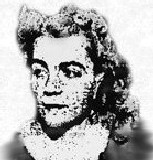 Violet Berling
Murderer · USA · 1950
Violet John Berling was an accordion teacher. The deceased child was Kay France…
1 victim
Violet Berling
Murderer · USA · 1950
Violet John Berling was an accordion teacher. The deceased child was Kay France…
1 victim
 Billi Jo Smallwood
Murderer · USA · 2007
Billi Jo Smallwood was sentenced to 25 years in prison on December 12, 2012, af…
2 victims
Billi Jo Smallwood
Murderer · USA · 2007
Billi Jo Smallwood was sentenced to 25 years in prison on December 12, 2012, af…
2 victims
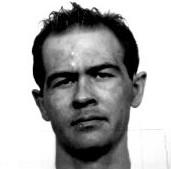 Noble Mays
Murderer · USA · 1979
Noble Mays had been convicted once for burglary and once for assault, which was…
1 victim
Noble Mays
Murderer · USA · 1979
Noble Mays had been convicted once for burglary and once for assault, which was…
1 victim
 Donnie Lee Roberts
Murderer · USA · 1991
Donnie Lee Roberts was convicted in Texas of capital murder and was sentenced t…
2 victims
Donnie Lee Roberts
Murderer · USA · 1991
Donnie Lee Roberts was convicted in Texas of capital murder and was sentenced t…
2 victims
- Gender
- male
- Country
- USA
- Location
- Ephrata, Grant County, Washington, USA
- Date of birth
- 1990
- Age at first offence
- 13
- Characteristics
- juvenile (12)
- Victim profile
- Craig M. Sorger , 13 (special education student)
- Method of murder
- Stabbing with knife
- Date(s) of murder
- February 15, 2003
- Years active
- 2003
- Date of arrest
- 2 days after
- Status
-
Imprisoned
Plead guilty to second-degree murder by complicity and was sentenced to 14 years in prison on April 27, 2005
Case record: Jake Lee Eakin
Background
Jake Lee Eakin was a teenager involved in the killing of Craig M. Sorger. Eakin was then-12 and was later described as 14 at the time of his plea hearing. Eakin was from Ephrata, Washington and was a playmate of Craig Sorger.
The offence
Craig M. Sorger (February 10, 1990 — February 15, 2003) was found murdered after being beaten and stabbed.
Evan Drake Savoie and Jake Lee Eakin were charged with first-degree murder. After changing his story, Eakin confessed to his role in the killing and later pleaded guilty to second-degree murder by complicity.
During Eakin’s testimony, Eakin described that Sorger repeatedly cried out, “Why are you doing this to me?” and said he was dying. Eakin described a sequence in which Evan Savoie dropped a rock on Sorger’s neck, knocked the boy to the ground, and then repeatedly hit Sorger. Eakin described that after the attack began and Sorger tried to get away, Eakin later picked up a stick and began hitting Sorger in the head and legs more than 20 times before throwing the stick to the ground. Eakin also described that Savoie walked to him and shook his hand. Eakin said Savoie then mentioned that police would probably talk to them and that he and Savoie had planned to tell police they were playing football and that Craig went home.
Eakin described changes in the boys’ accounts during the investigation, including that they initially said Sorger had fallen from a tree while climbing or from a tree while they were nearby. Eakin also described that after the attack, Savoie threw something in the pond and then washed his clothes and hands, face and hair in the water, and that Savoie left a shirt and sweatshirt in the pond.
In Eakin’s confession recited by his lawyer, Eakin described watching Evan Savoie drop a rock on Sorger’s head, then standing by as Savoie repeatedly stabbed Sorger. As part of that confession, Eakin said that after being taunted by Savoie, he picked up a stick and pummeled Sorger until it broke, and then picked up another stick and continued the beating. Grant County prosecutors said they found that Eakin’s confession matched the physical evidence of the killing.
In a series of interviews with prosecutors, Eakin said Savoie planned to kill Sorger and the owner of a trailer court near the park that day, and that the second part of the plan was not carried out. In those interviews, Eakin said Savoie told him, “I'm going to do it today, I'm going to do it now.”
The punishment decision was tied to Eakin’s guilty plea to being an accomplice to the killing.
Investigation
When police questioned Savoie and Eakin the night Sorger’s body was discovered, each told a similar story.
Savoie said Sorger fell while climbing a tree. Eakin said he and Savoie were on the same branch in the tree with Sorger when the fall occurred.
Eakin later changed his story, and his confession matched physical evidence, according to Grant County prosecutors.
The autopsy findings included that Sorger had been beaten approximately 16 times about the head and neck and stabbed 34 times in the same areas where he had been beaten, and had 8 stab wounds to his torso.
Savoie's clothes were soaked with Sorger’s blood, and police later found a murder weapon in the park’s pond. Eakin’s confession and subsequent statements included that Eakin led investigators to the weapon.
A taped interview included admissions discussed in the trial reporting. Prosecutors alleged Savoie lied to investigators and deliberately led searchers away from Sorger’s body at one point.
Arrest
Evan Savoie and Jake Eakin were arrested and charged with first-degree murder in the killing of Craig Sorger.
Trial
Eakin pleaded guilty to second-degree murder by complicity and later testified against Evan Savoie, who maintained his innocence.
In the first-degree murder trial of Evan Savoie, Eakin testified for a little more than two hours. Eakin was wearing handcuffs and eyeglasses and described the rainy day he and Savoie went to the park to play.
During Eakin’s testimony, he said Savoie pulled a knife out of his pocket and told Eakin he “wanted to go on a killing spree.” Eakin described that Sorger was asked to feel the ground to see if it was wet, and described a sequence in which Savoie dropped a rock on the back of Sorger’s neck “the size of a basketball,” knocking the boy to the ground. Eakin described trying to stop Savoie, saying: “Stop,” and that Savoie pushed him. Eakin described Sorger trying to escape and crying out: “Why are you doing this to me,” and that Sorger was saying he was dying.
Eakin described he did not see anything in Savoie's hand, but he saw blood coming from Savoie’s neck as Sorger cried out. Eakin said: “He was saying that he was dying,” and described Sorger face down with Savoie on top on his knees.
Eakin described that the attack lasted just minutes, after which Sorger remained motionless on the ground.
Eakin described that after the attack, Savoie washed his clothes and hands and then left a shirt and sweatshirt in the pond.
Eakin described a plan to tell police they were playing football and that Craig went home. Eakin said: “We just came up with a plan, that we would tell the police we were playing football and that Craig went home.”
In trial statements reported during Savoie’s trial, Eakin was described as the key witness in the prosecution’s case against Savoie.
Sentencing
Eakin pleaded guilty to being an accomplice to the killing and was sentenced to 14 years in prison. The sentencing occurred on April 27, 2005.
The deal described included that Grant County Prosecutor John Knodell agreed to ask for an exceptionally low eight-year sentence, less than the standard-range penalty of between 10 and 18 years, and that the deal would have kept Eakin solely in juvenile facilities. Judge Ken Jorgensen ignored that recommendation and instead sentenced Eakin to more than 14 years, with reporting stating Eakin received a sentence of 14 years.
During the sentencing hearing, Eakin apologized to Sorger’s parents. Eakin said:
“I just wish that I could do something to fill in the missing hole in your family, but I made a mistake that made that hole, but I want to tell your family that I, I'm sorry and didn't know what I was doing. I wish that one day I might get forgived for what I have done, but I know deep down that will never happen. Because of all the tears that have been cried since that day. Some from me, the night mares that I have had, and I new that they would always be there, because I was lying, laying to everyone and making more pane for everyone. But then I thought that it was about time I came forward with what happened so long ago, I didn't want you family to wonder what happened any longer and since that I day I have regreded my part of everything. I don't want your family to wonder any longer, I want you to know the truth, I couldn't hold it in any longer, couldn't hide the pane that I had made, so I tell you that I'm sorry for makeing this pane. I'm sorry Mrs. Sorger. I'm sorry Mr. Sorger. I'm sorry Keith Sorger, and everyone that has been hurt by what I have done.”
In connection with the sentencing hearing, it was reported that Eakin’s lawyer, Michele Shaw, argued in court filings that Eakin’s learning disabilities and physical and emotional immaturity made him a good candidate for juvenile rehabilitation. After hearing, it was reported that the prosecutor agreed to jointly ask the judge to reconsider the sentence.
Judge Ken Jorgensen’s remarks included that Eakin was “a lot smarter than his IQ, which was tested to be 93, would indicate,” and that his age and competency level were not mitigating factors. The judge also said:
“There's been a lot of discussion about the maturity of the boys involved. By 12, you understand what it means to hurt, and to hurt someone. So that doesn't enter into a court's thinking at all.”
Appeals
Attorneys for Eakin and a co-defendant, Evan Savoie, asked the state Court of Appeals to overturn a ruling related to whether they would be tried as adults. Reporting described that the issue involved a March ruling making Eakin eligible for trial as an adult for murder in Washington, and that the appeals process included a process described as “declination process.” It was reported that the case would be accepted for review by Court of Appeals Commissioner Joyce McCown, and that the case was scheduled for September for trial.
It was also reported that this spring, they ran out of appeals and their case would remain in adult court.
Outcome
Eakin pleaded guilty to second-degree murder by complicity and was sentenced to 14 years in prison on April 27, 2005.
Evan Savoie was convicted of first-degree murder on April 29, 2006 and was sentenced to 26 years in prison, the maximum sentence that could be imposed.
Aftermath
During reporting on Savoie’s trial and sentencing, it was stated that Sorger’s mother, Lisa Sorger, was not in court when the verdict was read but hugged prosecutors outside immediately afterward and later said, “Nothing's going to bring Craig back, but at least we've finally gotten justice.”
It was also reported that Sorger said her family had forgiven Eakin, and that Eakin’s family pledged to regularly clean up the wooded area where Craig was killed to help maintain a memorial there. Eakin’s remorse included his confession and apology statements.
Eakin was described as being in custody and receiving visits from his mother, Tammy Vickery, and his step-father and three brothers. It was reported that Eakin understood about half of his legal proceedings and had asked why some kids were tried as adults while others went to juvenile court. It was reported that before the declination hearing, Eakin said to his mother: “There's no way they'll try me as an adult, I'm a kid,” and that it “blew him away.”
Eakin was described as having a journal called “Sniper” in which he wrote about the sniper killed 13 people and that they couldn’t find out who it was, and the reporting described this as disturbing to police.
Spotted an error, or have more information about this case?