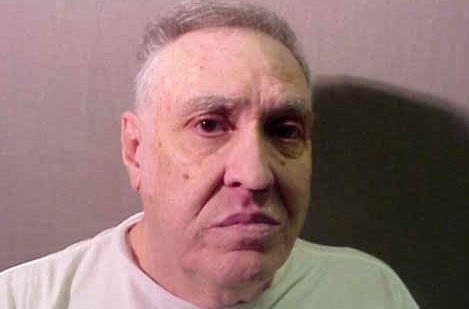
John Martini
Serial killer Donald Henry Gaskins
Serial killer · USA · 1969
Donald Henry Gaskins, also known as Donald “Pee Wee” Gaskins, was a serial kill…
200 victims
Donald Henry Gaskins
Serial killer · USA · 1969
Donald Henry Gaskins, also known as Donald “Pee Wee” Gaskins, was a serial kill…
200 victims
 Carl Eugene Watts
Serial killer · USA · 1974
Carl Eugene Watts (born November 7, 1953; died September 21, 2007), also known…
100 victims
Carl Eugene Watts
Serial killer · USA · 1974
Carl Eugene Watts (born November 7, 1953; died September 21, 2007), also known…
100 victims
 Rodney Alcala
Serial killer · USA · 1977
Rodney James Alcala (born August 23, 1943) was also known as Rodrigo Jacques Al…
100 victims
Rodney Alcala
Serial killer · USA · 1977
Rodney James Alcala (born August 23, 1943) was also known as Rodrigo Jacques Al…
100 victims
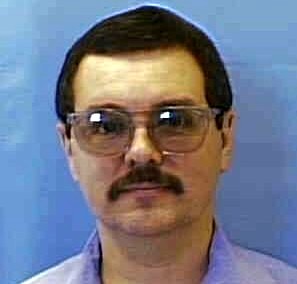 Donald Harvey
Serial killer · USA · 1970
Donald Harvey was known as an American serial killer and a self-professed “Ange…
87 victims
Donald Harvey
Serial killer · USA · 1970
Donald Harvey was known as an American serial killer and a self-professed “Ange…
87 victims
 Donald Leroy Evans
Serial killer · USA · 1975
Donald Leroy Evans (born July 5, 1957) was an American serial killer who murder…
60 victims
Donald Leroy Evans
Serial killer · USA · 1975
Donald Leroy Evans (born July 5, 1957) was an American serial killer who murder…
60 victims
 Michael Swango
Serial killer · USA · 1981
Michael Swango (Joseph Michael Swango) was a physician and American serial kill…
60 victims
Michael Swango
Serial killer · USA · 1981
Michael Swango (Joseph Michael Swango) was a physician and American serial kill…
60 victims
 James Duquette
Murderer · USA · 1980
James Duquette Jr. was convicted of murder and was also sentenced in connection…
2 victims
James Duquette
Murderer · USA · 1980
James Duquette Jr. was convicted of murder and was also sentenced in connection…
2 victims
 Julie Corey
Murderer · USA · 2009
Julie Corey was 39 years old and of Worcester, Massachusetts. She had five chil…
1 victim
Julie Corey
Murderer · USA · 2009
Julie Corey was 39 years old and of Worcester, Massachusetts. She had five chil…
1 victim
 Kirt Wainwright
Murderer · USA · 1988
Kirt Douglas Wainwright was convicted of killing Barbara Smith, who was an atte…
2 victims
Kirt Wainwright
Murderer · USA · 1988
Kirt Douglas Wainwright was convicted of killing Barbara Smith, who was an atte…
2 victims
 Carl Moseley
Murderer · USA · 1991
Carl Moseley was tried for first-degree murder. The State’s evidence included t…
2 victims
Carl Moseley
Murderer · USA · 1991
Carl Moseley was tried for first-degree murder. The State’s evidence included t…
2 victims
- Gender
- male
- Country
- USA
- Location
- New Jersey/Arizona/Pennsylvania, USA
- Date of birth
- July 30, 1930
- Age at first offence
- 47
- Characteristics
- kidnapping, armed robbery
- Victim profile
- H is aunt and her husband / Anna Mary "Paulie" Duvall / Teresa Marie Dempster, 27, and David Richard Uhl, 42 / Irving Flax
- Method of murder
- Shooting
- Date(s) of murder
- 1977 - 1989
- Years active
- 1977–1989
- Date of arrest
- January 1989
- Status
-
Sentenced to death
Died in his prison cell at New Jersey State Prison on September 10, 2009; sentenced to death in New Jersey on December 12, 1990, with the death sentence upheld by the State Supreme Court on July 26, 2006
Case record: John Martini
John Martini Sr. was sentenced to death in New Jersey on December 12, 1990. The death sentence was upheld by the State Supreme Court in a 6-to-1 ruling on July 26, 2006. A state moratorium on the death penalty was imposed in January, and an execution date was later cancelled pending federal appeals. John Martini died in his prison cell at New Jersey State Prison on September 10, 2009.
Timeline
- December 12, 1990 — John Martini was sentenced to die in New Jersey for the kidnap and murder of businessman Irving Flax of Fair Lawn.
- July 26, 2006 — The State Supreme Court upheld John Martini’s death sentence in a 6-to-1 ruling.
- January — A state moratorium on the death penalty was imposed.
- August 26, 1999 — The State Supreme Court issued an order to formally cancel the Sept. 22 execution for John Martini.
- August 27, 1999 — A newspaper reported that John Martini was a longtime Government informer.
- September 10, 2009 — John Martini died in his prison cell at New Jersey State Prison.
Background and relationships
John Martini Sr., 75 at the time of the July 26, 2006 appeal reporting, killed businessman Irving Flax in 1989. Martini worked in a bar and left his home in Glendale, Ariz., to return to the Bronx, his birthplace. Martini subsequently divorced his wife, Alice.
Marilyn Flax was Irving Flax’s wife. She delivered ransom money at the Forum Diner in Paramus and later received a telephone call from a man who called himself “Tony”. Alice came from Arizona to testify at Martini’s trial for Irving Flax’s murder.
Martini was on the run with his girlfriend, Theresa Afdahl, under assumed identities while living in New Jersey under assumed identities.
The offence
Kidnap and murder of Irving Flax (1989)
On Monday morning, January 23, 1989, Marilyn Flax kissed her husband Irving goodbye as he left for his job as supervisor in a warehouse in Secaucus. She never saw him again. Instead, she received a telephone call from a man who called himself “Tony”, who told her that he had kidnapped her husband and was holding him for ransom. Despite threats to her life and her family’s lives by the man on the phone if she called the police, Mrs. Flax contacted authorities. The FBI advised her to comply with the ransom demand and formulated a plan to follow the kidnapper after he picked up the money.
That evening, Mrs. Flax delivered the ransom at the Forum Diner in Paramus, but the kidnapper managed to elude the pursuit by the FBI. “Tony” had promised to release her husband if she complied with his demands, but Mrs. Flax waited in vain all that night. The next morning, Irving Flax was found sitting in his car, at the Garden State Plaza in Paramus. He had been slain, execution style, with three bullets to the back of his head.
The actions of the kidnapper were linked to a wanted fugitive from Arizona named John Martini. Martini and his girlfriend, Theresa Afdahl, were on the run from two murders they committed three months earlier in Arizona.
Martini’s death sentence was for the kidnap and murder of businessman Irving Flax of Fair Lawn. The reporting stated that Irving Flax’s wife paid $25,000 of the $100,000 ransom.
Investigation and arrest
Martini and Afdahl were recognized and arrested by Fort Lee police at a local motel two days after the killing. They were arrested when they attempted to leave a motel in Fort Lee on Wednesday night, January 25, 1989, in possession of the ransom money and a gun.
While awaiting trial, Martini threatened his lawyer and Afdahl’s lawyer, causing the appointment of new counsel by the court. Martini planned two separate escape attempts from the Bergen County jail, and nearly succeeded in the second attempt when he bribed a guard to smuggle in diamond wire so that he could cut the bars in the jail’s law library.
Martini was subsequently moved to state prison pending his capital trial.
Trial and conviction in New Jersey
In November of 1990, Martini was tried for this murder in New Jersey. He did not deny the crime but blamed drug addiction. Alice came from Arizona to testify. Martini was convicted and sentenced to death in December 1990.
During the New Jersey proceedings, a capital case first involved a jury deciding on guilt or innocence and then a separate proceeding deciding whether to impose the death penalty. Factors the jury could consider in deciding whether to impose the death penalty included the defendant’s character, and cooperation with law enforcement officials could be cited as a mitigating factor warranting a less severe sentence than death.
Sentencing in New Jersey and appeals
Martini was sentenced to die for the 1989 kidnap and murder of businessman Irving Flax of Fair Lawn on December 12, 1990.
After the mandatory state appeals process was completed and Martini’s conviction was upheld on July 27 (reported in the August 26, 1999 account), the New Jersey Department of Corrections scheduled his execution for Sept. 22. A nun visiting Martini at the New Jersey State Prison in Trenton persuaded him to allow lawyers to file further appeals in Federal court. Two weeks before August 26, 1999, Martini changed his mind about being willing to die and decided to have the Public Defender’s office file a Federal appeal.
The State Supreme Court issued an order to formally cancel the Sept. 22 execution on August 26, 1999. The order cancelled the execution pending the outcome of the Federal appeals. The State Supreme Court on July 27 denied Martini’s third and final state appeal; a death warrant had been issued after that denial.
Martini had been trying for four years to end his appeals, calling prison life intolerable. He had asked the courts to permit him to stop his appeals and bring on his execution date because he found prison existence intolerable. However, with less than 6 weeks to go before his appointment with the death chamber, Martini changed his mind and decided he does not want to die, resuming his appeals.
One of his lawyers, Alan Zegas, said Martini had a change of heart after a meeting with the prison’s Catholic chaplain, Sister Elizabeth Gnam, who opposes capital punishment. A psychiatrist testified Martini was competent to understand the choice he made.
In 6-to-1 ruling on July 26, 2006, the State Supreme Court upheld his death sentence.
Other convictions and related proceedings
Conviction of boyfriend/girlfriend in Flax death (April 1991)
In April of 1991, a jury convicted Martini’s girlfriend, Therese Afdahl, of felony murder and other charges in Flax's death but not of the maximum murder charge. Part of her defense was the claim Martini had beaten her and intimidated her. She was sentenced to 50 years.
Guilty plea in Arizona to the Dempster-Uhl murders (August 1992)
In August of 1992, Martini pled guilty in Arizona to the Dempster-Uhl murders in a deal to spare him the death penalty. He got 50 years.
In November of 1988, Martini killed Teresa Marie Dempster, 27, a suspected drug supplier, and salesman David Richard Uhl, 42, near Glendale.
Trial for execution-style murder of Anna Mary “Paulie” Duvall (November 1997)
In 1994, Martini was moved to 114-year-old Holmesburg prison in Philadelphia to stand trial for a fourth murder charge. He decided death was preferable to life behind bars.
In November of 1997, Martini was convicted in Philadelphia of the execution-style murder of Anna Mary “Paulie” Duvall, with whom he had business dealings, in 1977 near the airport.
Prior alleged killings not brought to trial
In January of 1987, Martini allegedly killed his aunt and her husband at their home in Atlantic City, although these were crimes for which he was never brought to trial. Investigators questioned him about his involvement in the slayings of four relatives between 1981 and 1987. He was never charged, and those killings remained unsolved.
Government informer claim (August 1999)
On August 27, 1999, The New York Times reported that John Martini, the convicted murderer who declined until recently to file an appeal that would postpone his execution, was a longtime Government informer. The Philadelphia Inquirer reported that the jurors who imposed the death sentence were never told that Martini had worked with the F.B.I. for two decades.
The reporting said that in New Jersey, a jury in a capital case first decided on guilt or innocence and then decided in a separate proceeding whether to impose the death penalty. Among the factors the jury could consider in deciding whether to impose the death penalty was the defendant's character, and cooperation with law enforcement officials could be cited as a mitigating factor warranting a less severe sentence than death.
Government records showed that Martini, a truck driver, gave Federal investigators information on mob-related thefts in the trucking industry in northern New Jersey. The F.B.I. dropped him as an informer in 1986 after he made what the agency believed was a false claim about a money-laundering scheme.
The reporting stated that Martini’s role as a Government informer began in the mid-1960’s after he was convicted of stealing a load of women's underwear in Hudson County. It said that Martini provided agents with information about mob-related truck thefts and hijackings and the location of contraband in New Jersey and New York. The reporting also stated that it was unclear how valuable Martini’s tips were and whether authorities compensated him by not prosecuting him for crimes he was suspected of committing during that period.
The New Jersey Office of the Public Defender, representing Martini in his appeal, said it would not comment on the newspaper report.
Other details
Girlfriend and lawyer threats; counsel changes; escape plans
Martini planned two separate escape attempts from the Bergen County jail and nearly succeeded in the second attempt by bribing a guard to smuggle in diamond wire so he could cut the bars in the jail’s law library.
Acceptance of wanting to die and later reversal
The reporting described that Martini had asked to stop his appeals and bring on his execution date because he found prison existence intolerable. In October of 1995, Martini told Superior Court Judge Bruce Gaeta, who handled his trial, that he wants to die and wants all appeals stopped. A psychiatrist subsequently testified Martini was competent to understand the choice he made. In the later period before his scheduled death chamber appointment, Martini changed his mind and decided he does not want to die, resuming his appeals. This later shift led to the filing of further appeals in Federal court and cancellation of the scheduled execution.
Charge and sentencing summary across states
Martini was sentenced to death in New Jersey for the 1989 kidnap and murder of businessman Irving Flax of Fair Lawn. Since his death sentence, Martini had been convicted of three other murders in Arizona and Pennsylvania. In April of 1991, his girlfriend Therese Afdahl received a 50-year sentence. In August of 1992, Martini received 50 years after a guilty plea in Arizona to the Dempster-Uhl murders.
Names and victims mentioned
Victims mentioned included Irving Flax, Teresa Marie Dempster, David Richard Uhl, and Anna Mary “Paulie” Duvall. Martini’s girlfriend was Therese Afdahl, and Martini’s wife was Alice. The reporting also mentioned Martini’s Catholic chaplain, Sister Elizabeth Gnam, and his lawyer Alan Zegas.


Spotted an error, or have more information about this case?