Lazarus Mazingane
Serial killer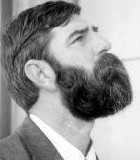 Louis Van Schoor
Serial killer · South Africa · 1986
Louis van Schoor was a security guard and an ex-policeman who was convicted and…
39 victims
Louis Van Schoor
Serial killer · South Africa · 1986
Louis van Schoor was a security guard and an ex-policeman who was convicted and…
39 victims
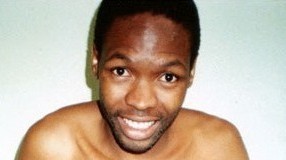 Moses Sithole
Serial killer · South Africa · 1994
Moses Sithole (November 17, 1964) was a serial rapist and serial killer in Sout…
38 victims
Moses Sithole
Serial killer · South Africa · 1994
Moses Sithole (November 17, 1964) was a serial rapist and serial killer in Sout…
38 victims
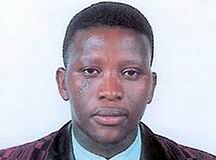 Norman Afzal Simons
Serial killer · South Africa · 1986
Norman Afzal Simons was a former teacher. He later converted to Islam in 1993,…
22 victims
Norman Afzal Simons
Serial killer · South Africa · 1986
Norman Afzal Simons was a former teacher. He later converted to Islam in 1993,…
22 victims
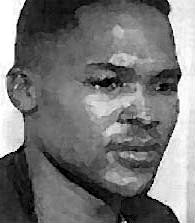 Velaphi Ndlangamandla
Serial killer · South Africa · 1998
Velaphi Ndlangamandla, known as the “saloon killer”, was convicted in connectio…
19 victims
Velaphi Ndlangamandla
Serial killer · South Africa · 1998
Velaphi Ndlangamandla, known as the “saloon killer”, was convicted in connectio…
19 victims
 Jimmy Maketta
Serial killer · South Africa · 2005
Jimmy Maketta was born in 1964 or 1965. He was a South African rapist and seria…
16 victims
Jimmy Maketta
Serial killer · South Africa · 2005
Jimmy Maketta was born in 1964 or 1965. He was a South African rapist and seria…
16 victims
 Michael Anthony Taylor
Murderer · USA · 1995
Defendant: Michael Anthony Taylor · Co-defendant: Roderick Nunley · Victim: Ann…
1 victim
Michael Anthony Taylor
Murderer · USA · 1995
Defendant: Michael Anthony Taylor · Co-defendant: Roderick Nunley · Victim: Ann…
1 victim
 Kim Dae-Han
Mass murderer · South Korea · 2003
Name: Kim Dae-Han · Age: 56 · Occupation/background: He was an unemployed forme…
198 victims
Kim Dae-Han
Mass murderer · South Korea · 2003
Name: Kim Dae-Han · Age: 56 · Occupation/background: He was an unemployed forme…
198 victims
 Gerald James Holland
Murderer · USA · 1986
Defendant: Gerald James Holland · Victim: Krystal Dee King (15) · Victim’s sist…
1 victim
Gerald James Holland
Murderer · USA · 1986
Defendant: Gerald James Holland · Victim: Krystal Dee King (15) · Victim’s sist…
1 victim
 Steinie Morrison
Murderer · United Kingdom · 1911
Steinie Morrison was a 30-year-old, 6' 3 tall professional burglar at the time…
1 victim
Steinie Morrison
Murderer · United Kingdom · 1911
Steinie Morrison was a 30-year-old, 6' 3 tall professional burglar at the time…
1 victim
 Tasmiyah & Yasmiyah Whitehead
Homicides · USA · 2010
Jarmecca “Nikki” Whitehead was the mother of identical twin daughters, Tasmiyah…
1 victim
Tasmiyah & Yasmiyah Whitehead
Homicides · USA · 2010
Jarmecca “Nikki” Whitehead was the mother of identical twin daughters, Tasmiyah…
1 victim
- Gender
- male
- Country
- South Africa
- Location
- Nasrec, Johannesburg, South Africa
- Date of birth
- 1976
- Age at first offence
- 19
- Characteristics
- rape, robbery, taxi driver
- Victim profile
- Margaret Mollo Dineo / An unidentified woman / Lindileni Paulina Mahlangu / Kedibone Catherine Maepe / Prudence Miller / Gladys Mabaso / Queen Mnguni / Glen-Rose Vilakazi / Minah Msimanga / Prudence Mohomane / Maria Tshabalala / Utlwang Dorah Koma / Gert Aspeling / Joaquim Manuel Ferreira / Palesa Molapisi / Susan Mlaba
- Method of murder
- Strangulation - Shooting
- Date(s) of murder
- 1995 - 1998
- Years active
- 1995–1998
- Date of arrest
- October 1998
- Status
-
Life imprisonment
Sentenced to 17 life sentences + 700 years in prison on December 2, 2002
Case record: Lazarus Mazingane
Background
Lazarus Mazingane was described as a Nasrec serial killer and rapist. He worked as a taxi driver, and many victims were attacked along his route or when seeking transport.
The offence
Mazingane was alleged to have committed a pattern of crimes in Johannesburg’s Nasrec area, including murder, rape, and aggravated robbery. Many of the murders were linked after Superintendent Piet Byleveld of the Serious and Violent Crimes Unit picked up a pattern in the so-called Nasrec murders.
Modus operandi
Mazingane’s earlier victims were described as being grabbed around the throat, throttled into submission and raped in the bushes near the Southgate shopping mall. His later victims, from 1996 onwards, were described as being raped and then strangled.
The court heard that items used to strangle the victims included the victims’ own personal items, such as bras, panties or belts. In some cases the victims had been tied up. A few survivors described details of their assaults, including that their panties were shoved in their mouths and their hands were tied behind their backs. One victim was described as being urinated on.
Strangulation was described as Mazingane’s preferred method of killing. Pathologist Dr Patricia Klepp gave evidence that it could take four minutes for a person to die from strangulation, and the judge referred to such killings as “barbaric”. Klepp also testified that if the person struggled, death would take longer despite irreversible brain damage after four minutes, and that in some instances blood would flow to the brain, causing increased pressure and the bursting of blood vessels.
Injuries and deaths
The court heard that one victim was shot three times but survived. Another killing involved a shooting when a victim refused to hand over car keys after stopping to change a wheel.
Crimes described in the indictment and evidence summaries
Mazingane was alleged to have started killing in April 1993 and continued a murderous spree until mid-1998.
Prosecution allegations included that Mazingane witnessed an argument between his employer, Sydney Nobele, and Sydney Nobele’s wife, Busisiwe Tshabalala, at their home in Palm Springs, Sebokeng, on April 13, 1993. During the argument, Nobele was alleged to have hit Tshabalala on the head with an iron bar. He and Mazingane were then alleged to have poured paraffin over Tshabalala and placed her body near a heater, leading to Tshabalala dying of burns after part of the house burnt down.
It was also alleged that about two years later, on March 6, 1995, Mazingane struck again and, acting with an accomplice, raped, robbed and murdered Margaret Dineo Mollo. This murder was followed by another the following day.
The indictment was described as including details that, allegedly using victims’ underwear or anything he could find at the scene, Mazingane would strangle victims, rape them and often leave them dead. Only six of his 22 alleged rape victims survived the attacks.
Another murder that captured media attention was the brutal rape and murder of schoolgirl Prudence Miller. On May 6, 1996, the teenager took a taxi to Parktown Girls’ High but never arrived. Her body was found near the intersection of Sport and Nasrec roads.
As the years passed, Mazingane was described as having started using a firearm, and he was also described as hijacking motorists along highways in the Nasrec area.
It was alleged that on July 24, 1997, Mazingane hijacked Gert Aspeling, 66, and his wife Elsie, 62, when they pulled over on a highway after a tyre got a puncture. Mazingane and an accomplice were alleged to have offered to help change the wheel. When Aspeling refused the help, he was ordered to hand over the car keys. Aspeling allegedly ignored the order, got back into his car and was shot several times. His body was thrown out of the car, and Mazingane and the accomplice allegedly drove off with Elsie Aspeling in the car. The crippled Elsie Aspeling was offloaded in a mealie field near Eikenhof, south of Johannesburg, where she was found at noon the following day.
The 17 murder charges (as listed)
Murder 1: April 13, 1993 — Busiswe Rosetta Tshabalala was struck on the head and burnt to death after her body was left next to a heater. Murder 2: March 1995 — Margaret Mollo Dineo disappeared on March 6, 1995; her body was discovered in the veld near the intersection of Nasrec and Aerodrome roads on June 6, 1995; she had been raped and strangled. Murder 3: March 7, 1995 — an unidentified woman was raped and strangled; her body was found at the intersection of Nasrec and Sport roads. Murder 4: March 24–31, 1996 — Lindileni Paulina Mahlangu was robbed, raped and murdered; her body was found at the intersection of Akker and Brandybush streets in Ormonde. Murder 5: May 1, 1996 — Kedibone Catherine Maepe was raped and strangled; her body was found near the intersection of Spencer and Main Reef roads in Roodepoort. Murder 6: May 4, 1996 — Prudence Miller took a taxi to Parktown Girls’ High but never arrived; she was raped and strangled; her body was found near the intersection of Sport and Nasrec roads. Murder 7: May 1 and Aug 10, 1996 — Gladys Mabaso was robbed, raped and strangled; her body was found in the veld in Naturena. Murder 8: May 2, 1996 — Queen Mnguni was robbed, raped and murdered; her body was found near New Canada Road in Soweto. Murder 9: May 6, 1996 — Glen-Rose Vilakazi was assaulted, robbed, raped and strangled; her body was found in the veld in the Nasrec-Aeroton area. Murder 10: May 17, 1996 — Minah Msimanga was raped and strangled; her body was found near a road intersection with Pat Mbatha highway on the outskirts of Ophirton. Murder 11: June 6, 1996 — Prudence Mohomane was robbed, raped and strangled; her body was found alongside the N1 highway in the Nasrec area. Murder 12: July 5–15, 1996 — Maria Tshabalala was robbed, raped and strangled; her body was found near the corner of Rifle Range Road and the Golden Highway. Murder 13: Nov 26, 1996 — Utlwang Dorah Koma was raped and strangled; her body was found near the M2 West, near Crown Mines. Murder 14: July 24, 1997 — Gert Aspeling was hijacked and shot dead when he stopped to change a tyre on the N12 near the Old Potchefstroom Road. Murder 15: Oct 23, 1997 — Joaquim Manuel Ferreira was shot when he stopped his bakkie on the N1 near the Rand Show offramp; he died in hospital of his injuries four days later. Murder 16: February 27, 1998 — Palesa Molapisi was robbed, raped and strangled; her body was found in Meadowlands Ext 4, Soweto. Murder 17: April 23, 1998 — Susan Mlaba was attacked, raped and murdered; her body was found near Mzimhlope women’s hostel, Orlando, Soweto.
Charges described before sentencing and during conviction
During the trial, Mazingane faced 75 charges including 17 murders, attempted murder, rape, robbery, assault and possession of an illegal firearm. Later reports described his convictions and the charge counts on which he was convicted and sentenced.
Investigation
Superintendent Piet Byleveld linked Mazingane by linking cases after previously solved proceedings and by identifying a pattern in the Nasrec murders. DNA evidence was described as linking Mazingane to nine of the cases in which victims had been raped.
The case was described as culminating in a nine-month High Court trial in which 270 witnesses were called. During conviction on the 74 charges, the trial was described as having taken nine months, with 27 witnesses testifying and more than 30 box files of documents for the 75 charges, and judgement took four days.
Trial
Plea and scope of trial
Mazingane pleaded not guilty to 75 charges including 17 murders, attempted murder, rape, robbery, assault and possession of an illegal firearm.
Court proceedings and observing the verdict
Mazingane was described as impassive during the proceedings, with his eyes fixed on his Tswana interpreter, and he neither looked at the families of his victims nor at his counsel, advocate Evelyn Magoloane. He glanced at Superintendent Piet Byleveld once.
The court heard from relatives of murder victims and survivors, and defence closing address commentary included public gallery reactions during closing arguments.
acquittal on one murder charge
Judge Joop Labuschagne acquitted Mazingane on the first of the 75 charges against him: the murder of Busisiwe Rosetta Tshabalala, of Evaton, in April 1993, described as being burnt to death after her home was doused with petrol and a heater was deliberately left on to ignite the fumes. Labuschagne said there was not enough evidence to prove guilt beyond reasonable doubt.
On all 74 of the other charges, Labuschagne said Mazingane was guilty beyond reasonable doubt, noting striking similarities in the murders and stating that the deceased were young women, discovered naked or semi-naked, and that they were all raped, robbed and strangled, with victims found close to a known taxi route.
Items used to strangle victims were described as being their own personal items, including bras, panties or belts, and in some cases victims had been tied up.
The judge rejected a defence explanation that the investigating officer must have planted his sperm on the victims, stating: “We reject his ridiculous explanation that the investigating officer must have planted his sperm on the victims.”
Evidence and expert evidence
State advocate Gerrit Roberts called on pathologist Patricia Klepp to describe the horror of the last four minutes of a strangled victim’s life. Klepp described irreversible brain damage setting in after four minutes and described blood flow to the brain and resultant increased pressure and bursting of blood vessels.
Defence and mitigation content
Mazingane’s lawyers told the court he had obtained a certificate in bible studies while he was in Leeuwkop Prison. His mother was described as having described him as well disciplined and softly spoken.
Advocate Evelyn Magoloane asked the court to consider lack of parental supervision and control, stating: “Lack of parental supervision contributed towards his personality defect,” and the court heard about Mazingane being raised by his grandmother in Diepkloof.
Sentencing
On Tuesday, the Johannesburg High Court sentenced Mazingane to life imprisonment on multiple counts as described below, resulting in an overall disposition of 17 life sentences plus over 700 years imprisonment.
Judicial statements at sentencing
Judge Joop Labuschagne said Mazingane was a “cruel and inhuman person” who showed no remorse, and that he should be permanently removed from society to which he was a menace.
The court rejected defence claims described as “false beyond reasonable doubt” that Mazingane was in poor health following torture by police.
Labuschagne stated:
“With inner vice he (Mazingane) stalked defenceless women whom he robbed and raped before he killed them.”
The judge said murder, rape and aggravated robbery were prevalent throughout the country, and said Mazingane had no respect for the sanctity of life and property, making a living from robbing the people he stalked and attacked to satisfy greed.
Labuschagne stated:
“We are determined to protect the dignity, equality and freedom of all women and show no mercy to those who seek to invade their rights.”
The judge also stated about victims’ losses:
“I listened to the evidence of mothers... and loved ones who told me of their tragic losses. Nothing I do or say today can compensate them, but perhaps they can find some compensation in the conviction of the accused and these sentences I am imposing.”
On rehabilitation, the court described the chances as “very poor if not non-existent”.
Sentence structure and counts
Mazingane was convicted on 74 charges and sentenced on Tuesday.
The sentencing descriptions included:
- Life imprisonment on each of the 16 murder counts on which he was convicted.
- Life imprisonment for the most recent rape, falling under the new legislation.
- On each of the remaining 21 charges of rape he was sentenced to 18 years.
- On the 20 counts of robbery with aggravating circumstances, he was sentenced to 25 years for the most recent one, and 15 years for each of the remaining 19.
- He received 10 years on each of five counts of attempted murder.
- One victim was shot three times but survived.
- He received eight years on each of five counts of kidnapping.
- He received two years for assault.
- He received three years on each of the two charges of illegal possession of a firearm.
- He received three years on each of the four charges of illegal possession of ammunition.
Another sentencing-related reporting included that the prosecution sought life sentences for each of 16 murder counts and long sentences for the rest of the 74 charges, and that sentencing was to be delivered in the high court on Tuesday.
Prior imprisonment referenced at sentencing
The court heard that Mazingane was already serving 35 years imprisonment for a crime committed late in 1998, described as kidnapping, rape and robbery on an attorney’s wife and an attack on a motorist who stopped to help her.
Specific non-typical murder described at sentencing
The court noted that some victims were men, including Gert Aspeling, and described that Aspeling was shot dead when he refused to hand over his car keys after stopping to change a wheel. Mazingane then drove off with Aspeling’s paralysed wife in the car and dumped her in the veld without her wheelchair.
Trial timeline and outcome immediately prior to sentencing
The prosecution had asked for life sentences to be imposed for each of the 16 murder counts on which he was convicted. Mazingane was found guilty on 74 charges and acquitted on only one charge: the murder of Busisiwe Rosetta Tshabalala.
Appeals
No appeal information was provided in the material.
Outcome
Mazingane was sentenced to 17 life sentences and over 700 years imprisonment.
Aftermath
Superintendent Piet Byleveld was described as investigating all the unsolved Nasrec killings after Mazingane’s earlier conviction, and the case was described as resulting in a nine-month High Court trial with 270 witnesses called.
Relatives of the murder victims and survivors and their families crowded the public gallery during the trial and made comments during the defence’s closing address.
Other details
People named in the proceedings
- Lazarus Mazingane — accused.
- Judge Joop Labuschagne — presiding judge at conviction and sentencing.
- Gerrit Roberts — state advocate/prosecutor.
- Patricia Klepp — pathologist.
- Evelyn Magoloane — advocate for the defence at conviction report; also named counsel.
- Superintendent Piet Byleveld — serial murder investigator/Superintendent, involved in investigation linkage by DNA evidence and pattern recognition.
- Sydney Nobele — witness; husband of Busisiwe Tshabalala.
- Busisiwe Tshabalala (Busisiwe Rosetta Tshabalala) — named as the first victim in the account; also linked to the acquitted murder charge.
- Tshidiso Lazarus Mazingane — name variant used in reports; accused.
- Margaret Dineo Mollo — a named victim.
- Prudence Miller — a named victim.
- Gert Aspeling — a named victim; shot dead when he refused to hand over car keys after stopping to change a tyre.
- Elsie Aspeling — Gert Aspeling’s wife; paralysed wife described as being driven off and later found.
- Joaquim Manuel Ferreira — a named victim.
- Palesa Molapisi — a named victim.
- Susan Mlaba — a named victim.
- Lindileni Paulina Mahlangu — a named victim.
- Kedibone Catherine Maepe — a named victim.
- Gladys Mabaso — a named victim.
- Queen Mnguni — a named victim.
- Glen-Rose Vilakazi — a named victim.
- Minah Msimanga — a named victim.
- Prudence Mohomane — a named victim.
- Maria Tshabalala — a named victim.
- Utlwang Dorah Koma — a named victim.
- Utlwang Dorah Koma (spelled as such in the list) — included in the murder-charge list.
- Prosecution and court noted that “some of the victims were men such as Gert Aspeling”.
Quotations preserved
“false beyond reasonable doubt”
“cruel and inhuman person”
“barbaric”
“very poor if not non-existent”
“We reject his ridiculous explanation that the investigating officer must have planted his sperm on the victims,”
“Lack of parental supervision contributed towards his personality defect”
Locations and settings named
Nasrec, Johannesburg; Southgate; Diepkloof; Soweto; Evaton; Palm Springs; Sebokeng; Ormonde; Roodepoort; Parktown Girls’ High; Sport and Nasrec roads; Sport and Nasrec roads; Naturena; New Canada Road in Soweto; Nasrec-Aeroton area; Ophirton; Nasrec area near the N1 highway; Rifle Range Road and the Golden Highway; M2 West near Crown Mines; N12 near the Old Potchefstroom Road; N1 near the Rand Show offramp; Meadowlands Ext 4, Soweto; Mzimhlope women’s hostel, Orlando, Soweto; Leeuwkop Prison; Eikenhof (south of Johannesburg); veld near Eikenhof; Palm Springs near Vereeniging; Palm Springs, Sebokeng; Palm Springs near Vereeniging; Diepkloof coal yard; Orange Farm; Leeuwkop Prison.
Spotted an error, or have more information about this case?