
Jerry Lynn McCracken
Mass murderer Gameel Al-Batouti
Mass murderer · USA · 1999
Gameel Al-Batouti (also rendered “Gamil ElBatouty” or “El Batouty” in U.S. offi…
216 victims
Gameel Al-Batouti
Mass murderer · USA · 1999
Gameel Al-Batouti (also rendered “Gamil ElBatouty” or “El Batouty” in U.S. offi…
216 victims
 Timothy McVeigh
Mass murderer · USA · 1995
Timothy James McVeigh (April 23, 1968 – June 11, 2001) was a United States Army…
168 victims
Timothy McVeigh
Mass murderer · USA · 1995
Timothy James McVeigh (April 23, 1968 – June 11, 2001) was a United States Army…
168 victims
 Julio Gonzalez
Mass murderer · USA · 1990
Julio Gonzalez was sentenced to 174 twenty-five-year sentences (a total of 4,35…
87 victims
Julio Gonzalez
Mass murderer · USA · 1990
Julio Gonzalez was sentenced to 174 twenty-five-year sentences (a total of 4,35…
87 victims
 David Burke
Mass murderer · USA · 1987
David Augustus Burke (May 18, 1952–December 7, 1987) was an employee of USAir,…
43 victims
David Burke
Mass murderer · USA · 1987
David Augustus Burke (May 18, 1952–December 7, 1987) was an employee of USAir,…
43 victims
 George Jo Hennard
Mass murderer · USA · 1991
George Jo Hennard carried out a mass killing at a Luby’s Cafeteria in Killeen,…
23 victims
George Jo Hennard
Mass murderer · USA · 1991
George Jo Hennard carried out a mass killing at a Luby’s Cafeteria in Killeen,…
23 victims
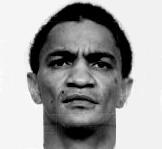 Dwight Adanandus
Murderer · USA · 1988
Dwight Adanandus (offender #940) was executed by lethal injection in Texas on O…
1 victim
Dwight Adanandus
Murderer · USA · 1988
Dwight Adanandus (offender #940) was executed by lethal injection in Texas on O…
1 victim
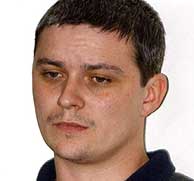 Ian Huntley
Murderer · United Kingdom · 2002
Ian Huntley was a former school caretaker in 2003. Maxine Carr was his girlfrie…
2 victims
Ian Huntley
Murderer · United Kingdom · 2002
Ian Huntley was a former school caretaker in 2003. Maxine Carr was his girlfrie…
2 victims
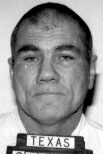 James Paul Collier
Murderer · USA · 1995
James Paul Collier was executed by lethal injection in Texas on December 11, 20…
2 victims
James Paul Collier
Murderer · USA · 1995
James Paul Collier was executed by lethal injection in Texas on December 11, 20…
2 victims
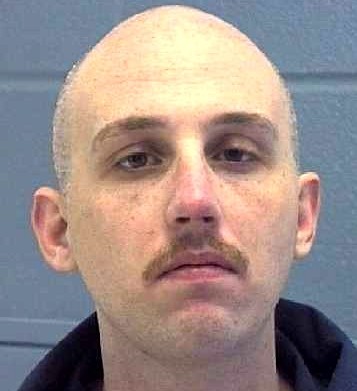 David Phillip Smith
Murderer · USA · 1995
David Phillip Smith was 20 years old when he was sentenced to death. He was sen…
1 victim
David Phillip Smith
Murderer · USA · 1995
David Phillip Smith was 20 years old when he was sentenced to death. He was sen…
1 victim
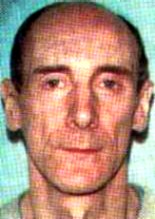 Edward Alexander CRrowley
Murderer · United Kingdom · 2000
Defendant: Edward Alexander Crowley (also described as “Edward Alexander CRrowl…
1 victim
Edward Alexander CRrowley
Murderer · United Kingdom · 2000
Defendant: Edward Alexander Crowley (also described as “Edward Alexander CRrowl…
1 victim
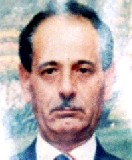 Ali Hassan Abu Kamal
Murderer · USA · 1997
Ali Hassan Abu Kamal opened fire on the observation deck of the Empire State Bu…
1 victim
Ali Hassan Abu Kamal
Murderer · USA · 1997
Ali Hassan Abu Kamal opened fire on the observation deck of the Empire State Bu…
1 victim
- Gender
- male
- Country
- USA
- Location
- Tulsa, Oklahoma, USA
- Date of birth
- September 28, 1967
- Age at first offence
- 23
- Characteristics
- robbery, alcohol
- Victim profile
- Steve Allen Smith, 34, Tyrell Lee Boyd, 27, Timothy Edward Sheets, 37, and Carole Ann McDaniels, 41
- Method of murder
- Shooting (.22-caliber pistol)
- Date(s) of murder
- October 14, 1990
- Years active
- 1990
- Date of arrest
- —
- Status
-
Executed
Executed by lethal injection in Oklahoma on December 10, 2002
Case overview
Jerry Lynn McCracken was an Oklahoma death row inmate executed by lethal injection on December 10, 2002. He was convicted in Tulsa County District Court of the murders of Tyrrell Lee Boyd, Steve Allen Smith, Timothy Edward Sheets, and Carol Ann McDaniels, which occurred during a robbery at the Ferndale Lounge in Tulsa.
Timeline
- October 13, 1990 — McCracken and co-defendant David Lawrence went to the Ferndale Lounge after drinking and smoking marijuana with friends at an apartment in Tulsa; they later drank heavily for several hours at the lounge.
- October 14, 1990 — The shootings occurred at the New Ferndale Lounge/ Ferndale Lounge; McCracken and Lawrence were charged with four counts of first degree murder.
- July 1990 — McCracken was released from prison for his involvement in stabbing and wounding three people in a Lawton bar.
- September 1991 — McCracken told a jury, “I am not the one who pulled the trigger,” and explained he gave Dave the gun; the jury later found him guilty.
- September 2, 1991 — McCracken accepted Christ.
- 1991 — The jury found the existence of all six aggravating factors alleged by the prosecution and sentenced McCracken to death.
- 1994 — The Oklahoma Court of Criminal Appeals affirmed McCracken’s convictions and sentences on direct appeal (McCracken v. State, 887 P.2d 323 (Okla. Crim. App. 1994) (McCracken I)).
- 1995 — The United States Supreme Court denied McCracken’s petition for writ of certiorari (McCracken v. Oklahoma, 516 U.S. 859 (1995)).
- 1997 — McCracken’s application for post-conviction relief was denied by the OCCA (McCracken v. State, 946 P.2d 672 (Okla. Crim. App. 1997) (McCracken II)).
- October 20, 1997 — McCracken filed a pro se motion requesting appointment of counsel for a federal habeas proceeding.
- December 12, 1997 — Appointed counsel filed a “preliminary petition for writ of habeas corpus” asserting fourteen grounds for relief.
- February 11, 1998 — Appointed counsel filed an amended petition asserting fourteen grounds for relief.
- May 16, 2000 — The district court denied McCracken’s request for habeas relief.
- 2001 — As the end of his appeals process neared, McCracken confessed in an interview, “I am guilty. I have no excuse.”
- 2002 — The Oklahoma Court of Criminal Appeals set December 10 as the execution date for McCracken; the state Pardon and Parole Board rejected clemency at a hearing where he apologized to Lawrence for talking him into helping with the robbery; the U.S. Supreme Court denied a last-minute bid to stay the execution.
Background
McCracken was an Army veteran and was 35 at the time of execution. He dropped out of high school to join the Army and said he was not aware that he could receive the death penalty.
While on death row, McCracken watched television, read his Bible, attended church services, and drew. He devoted himself to his Christian faith and corresponded with a variety of prison ministries.
McCracken said he had attempted suicide. He said he had been through alcohol treatment and other programs while in jail, and that “They didn’t help me.”
McCracken said he took medication to control his temper and that he had been told he was bipolar and antisocial. He described his anger:
“At times, I would get so angry,” he said. “Now, it is controlled with the medication.”
At the time of the murders, McCracken was on pre-parole release from prison for his involvement in stabbing and wounding three people in a Lawton bar. He said the stabbing was self-defense.
The offence
McCracken and David Keith Lawrence entered the New Ferndale Lounge at 1216 W. Archer St. Between 7 pm and 8 pm on the evening of October 13, 1990, they consumed alcohol until they were “very drunk.”
After approximately midnight, they shot all four people remaining in the lounge during a robbery attempt.
The four victims killed during the robbery were:
- Steve Allen Smith, 34
- Tyrrell Lee Boyd, 27
- Timothy Edward Sheets, 37
- Carol Ann McDaniels, 41
They were shot during the robbery at the Ferndale Lounge/New Ferndale Lounge, and they were shot with a .22-caliber pistol. About $350 was taken during the robbery.
In the proceedings described in the federal habeas record, the jury found four victims were killed in the bar; all of whom appeared to have been shot in the head.
Investigation and arrest
A witness entered the bar at approximately 1:05 a.m. and found a man lying on the floor, covered in blood. The witness ran out of the bar and across the street to a convenience store and told three policemen what he had seen. Police found four victims inside the bar, all of whom appeared to have been shot in the head. Two victims were dead. The bartender, Carol McDaniels, and a third patron, Timothy Sheets, were transferred to a local hospital where they both died.
An inventory of the bar revealed $350 had been taken from the cash register, along with two beer pitchers and four beer mugs.
McCracken and Lawrence were arrested and charged with four counts of first degree murder. McCracken was also charged with one count of possession of a firearm after former conviction of a felony.
Trial
Co-defendant plea and testimony
David Keith Lawrence pleaded guilty to the four murder charges and was sentenced to four concurrent life sentences, plus twenty years. As part of the plea agreement, Lawrence agreed to testify at trial against McCracken.
At trial, Lawrence testified it was McCracken’s idea to rob the Ferndale Lounge and that he was unaware that McCracken intended to kill anyone. Lawrence testified that McCracken pulled out a gun from his waistband and announced:
“This is a robbery.”
Tr. at 281.
Lawrence testified that McCracken directed the bartender to give him the cash from the register and directed Lawrence to pick up the mugs and pitcher from which they had been drinking. Lawrence testified that McCracken then shot the bartender and the three bar patrons.
Defence testimony and disputed account
McCracken testified in his own defense and disputed Lawrence’s story. McCracken testified he gave the gun to Lawrence. He testified that about thirty minutes later, Lawrence started talking about how he would like to rob the bar. McCracken testified that Lawrence stood up, pointed the gun, and directed the bartender to give Lawrence the money from the register. McCracken testified that after the bartender gave Lawrence the money, Lawrence shot the three bar patrons and the bartender.
McCracken told the jury in September 1991:
“I am not the one who pulled the trigger,”
blaming the murders on Lawrence.
McCracken also said:
“I am sorry I gave Dave the gun,”
adding,
“If I had known he would do this, I would have never given him that gun.”
Sentencing
At the conclusion of the second-stage proceedings, the jury found the existence of all six aggravating factors alleged by the prosecution:
- Previous conviction of a felony involving violence.
- That McCracken knowingly created a great risk of death to more than one person.
- That the murders were committed while McCracken was serving a sentence on a felony conviction.
- The probability that McCracken was a continuing threat to society.
- Two of the murders (McDaniels and Sheets) were especially heinous, atrocious and cruel.
- The murders were committed for the purpose of preventing lawful arrest and prosecution.
The jury passed a question to the judge asking:
“Does life without parole mean exactly that? He would never under any circumstances, get out of prison?”
The judge maintained the sentence was self-explanatory and would not clarify the instructions.
McCracken’s sentence was death, and he was convicted on four murder charges and the felon in possession of a firearm charge.
Appeals
McCracken challenged issues in federal appeals including ineffective counsel, aggravating evidence used to support the death penalty, and defective jury instructions in which a judge said McCracken was presumed “not guilty” instead of presumed innocent. The instruction was not objected to at trial, but state Court of Criminal Appeals granted automatic reversals to defendants who did, according to documents filed by McCracken’s attorney, David Autry.
Federal habeas review addressed a certificate of appealability for issues including:
- whether the trial court violated McCracken’s constitutional rights by instructing the jury that McCracken was presumed “not guilty”
- whether trial counsel’s performance was constitutionally deficient due to failure to obtain and present evidence concerning mental health issues
- whether the trial court erred by failing to direct the jury to determine whether McCracken satisfied the death eligibility standards of Enmund v. Florida and Tison v. Arizona
- whether the trial court violated McCracken’s constitutional rights by failing to explain, in response to a question from the jury, the meaning of life imprisonment without parole
- whether the evidence presented at trial was sufficient to support the jury’s finding of the “especially heinous, atrocious or cruel” aggravating factor
In the habeas proceedings described, the court stated:
The judgment of the district court is AFFIRMED.
Outcome
McCracken was executed by lethal injection in Oklahoma on December 10, 2002. He was pronounced dead at 6:06 p.m. Prison officials declared the time of death after a physician checked McCracken for vital signs.
In the death chamber, McCracken apologized to the victim’s family and asked for forgiveness. His last words included individual greetings to his witnesses and prayer and singing as the execution approached. He led his family in singing a hymn as the lethal drugs were administered and appeared to lose consciousness while singing. His mother told him “we’re proud of you” and said:
“Thank you, Jesus, for taking my boy home.”
McCracken told his mother:
“I’ll see you in heaven.”
Prison officials reported that McCracken said:
“I sincerely apologize to you. Please forgive me.”
Aftermath
The U.S.
The state Pardon and Parole Board rejected clemency at a hearing where he apologized to Lawrence for talking him into helping with the robbery.
At the time of execution, the coverage described McCracken as the fifth inmate executed by lethal drug injection in Oklahoma in that year and the 53rd since executions resumed in Oklahoma in 1990.
Other details
During a clemency appearance, McCracken admitted his guilt and refused to ask the panel to spare his life, saying it would be “disrespectful.” He said he was ready to die.
McCracken said he promised God he would not cut his hair, which hangs past his shoulders and mingles with a long beard.
At the time of the murders, lounge owner Patricia Harrington said McCracken and Lawrence were “very drunk.”
In 2001, McCracken was described as having confessed to the murders in an interview:
“I am guilty. I have no excuse.”
McCracken said his professed guilt in the murder did not justify the death penalty, in the sense that he was ready to die after finding Christ on Sept. 2, 1991, and that his jury’s misunderstanding of life without parole was addressed in later legal proceedings.
A question about life without parole and the meaning of sentencing instructions was discussed in relation to McCracken’s case and appellate outcomes.
Spotted an error, or have more information about this case?