
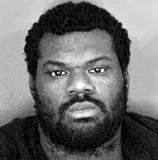
George Franklin Page
Homicide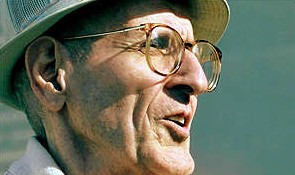 Jack Kevorkian
Homicide · USA · 1990
Jack Kevorkian (born May 26, 1928) was a controversial American pathologist. He…
130 victims
Jack Kevorkian
Homicide · USA · 1990
Jack Kevorkian (born May 26, 1928) was a controversial American pathologist. He…
130 victims
 David Koresh
Homicide · USA · 1993
David Koresh (born Vernon Wayne Howell; August 17, 1959 – April 19, 1993) led t…
79 victims
David Koresh
Homicide · USA · 1993
David Koresh (born Vernon Wayne Howell; August 17, 1959 – April 19, 1993) led t…
79 victims
 Todd Hall
Homicide · USA · 1996
Todd Hall was described by neighbors as "mentally slow" and was said to have su…
9 victims
Todd Hall
Homicide · USA · 1996
Todd Hall was described by neighbors as "mentally slow" and was said to have su…
9 victims
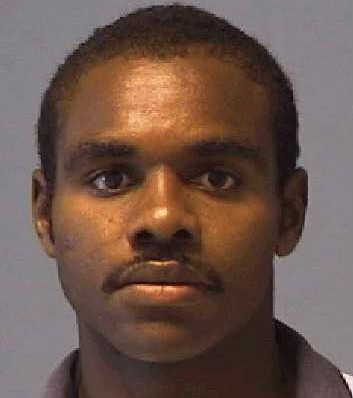 Clinton Bankston
Homicide · USA · 1987
15 August 1987 — Ann Morris (63), her sister Sally Nicholson (59), and Sally’s…
5 victims
Clinton Bankston
Homicide · USA · 1987
15 August 1987 — Ann Morris (63), her sister Sally Nicholson (59), and Sally’s…
5 victims
 Joshua Jenkins
Homicide · USA · 1996
Joshua Jenkins was a 15-year-old American killer who killed five members of his…
5 victims
Joshua Jenkins
Homicide · USA · 1996
Joshua Jenkins was a 15-year-old American killer who killed five members of his…
5 victims
 Alvaro Calambro
Homicide · USA · 1994
Alvaro Calambro was executed by lethal injection on April 5, 1999. He stated, “…
2 victims
Alvaro Calambro
Homicide · USA · 1994
Alvaro Calambro was executed by lethal injection on April 5, 1999. He stated, “…
2 victims
 Marybeth Davis
Murderer · USA · 1981
Marybeth Davis (born c. 1952) was an American nurse convicted in 1997 of the mu…
2 victims
Marybeth Davis
Murderer · USA · 1981
Marybeth Davis (born c. 1952) was an American nurse convicted in 1997 of the mu…
2 victims
 Assia Wevill
Murderer · United Kingdom · 1969
Assia Wevill (May 15, 1927 – March 23, 1969) was a German-born woman who escape…
1 victim
Assia Wevill
Murderer · United Kingdom · 1969
Assia Wevill (May 15, 1927 – March 23, 1969) was a German-born woman who escape…
1 victim
 Robert Jurado
Murderer · USA · 1991
Robert Jurado Jr. was sentenced to death on October 13, 1994. · May 15, 1991 —…
1 victim
Robert Jurado
Murderer · USA · 1991
Robert Jurado Jr. was sentenced to death on October 13, 1994. · May 15, 1991 —…
1 victim
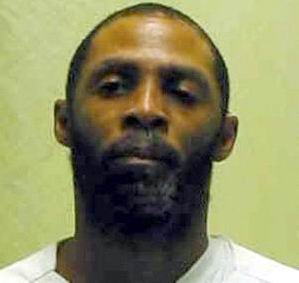 Darryl Durr
Murderer · USA · 1988
Darryl Durr was an Ohio death row inmate. Durr kidnapped 16-year-old Angel Vinc…
1 victim
Darryl Durr
Murderer · USA · 1988
Darryl Durr was an Ohio death row inmate. Durr kidnapped 16-year-old Angel Vinc…
1 victim
- Gender
- male
- Country
- USA
- Location
- Forsyth County, North Carolina, USA
- Date of birth
- March 15, 1940
- Age at first offence
- 55
- Characteristics
- history of mental illness, alcohol
- Victim profile
- Stephen Levi Amos ( Winston-Salem police officer )
- Method of murder
- Shooting (high-powered rifle)
- Date(s) of murder
- February 27, 1995
- Years active
- 1995
- Date of arrest
- Same day
- Status
-
Sentenced to death
Sentenced to death on April 26, 1996
Case record: George Franklin Page
Background
George Franklin Page was male, white, and aged 63. He served 16 years in the military, including service during the Vietnam War.
Page had a history of mental problems and alcoholism. His military service included time in an area of active conflict. His mental health records included suicide attempts and treatment for major depression. During his time on death row, he was prescribed medication, including drugs used to treat bipolar disorder.
Page’s former wife submitted an affidavit describing changes after his return from Vietnam. She stated: "when George returned from Vietnam, he had completely changed…When he got back, he was really standoffish and he just didn’t get close to people again. After he returned from Vietnam, there were many times when I would wake up in the middle of the night and George wouldn’t be in the bedroom. I would get up and would find him in the kitchen. He would usually be drinking. He would be sitting on the floor and crying…The next morning, he would never remember what had happened…Something traumatic must have happened to George while he was in Vietnam. He very rarely talked about his time in Vietnam but he seemed to be tortured by those experiences". She stated: "I wish I had been able to talk to George’s trial attorneys and to the jury that decided George’s fate. George had become a completely different man after he went to Vietnam". She did not testify at the trial because she was not contacted by his lawyers.
Page’s daughter submitted an affidavit recalling episodes after Vietnam. She stated: "when he seemed to have lost his mind and not know what was happening…I clearly remember this one time when my father started hollering, ‘I got him Charlie. I got him, Charlie.’…After he calmed down, he didn’t remember what had happened". She was not contacted by the trial lawyers either.
Page’s son-in-law submitted an affidavit and stated: "didn’t get a chance to tell the jury about…episodes that made it clear to me that George had serious mental health problems".
Page’s brother-in-law submitted an affidavit describing an incident. He stated that Page suddenly "jumped up from his chair and ran out of the house. He was yelling, ‘They’re going to kill me’".
A mental health expert evaluated George Page and concluded that he suffered from PTSD and bipolar disorder (manic depressive illness).
The offence
Page was sentenced to death in Forsyth County Superior Court for the murder of Winston-Salem police officer Stephen Levi Amos.
On the morning of February 27, 1995, police officers were called to the scene of a shooting in Winston-Salem. Officers found that George Page fired several shots from the window of his apartment using a high-powered rifle. He fired more shots, one of which ricocheted through two car windows before striking Officer Amos in the chest and fatally wounding him.
Page told a crisis negotiator during telephone negotiations that he wanted to speak with his psychologist and his psychiatrist, under whose treatment he had been for various mental disorders. Following further negotiations, Page agreed to leave his weapon and go with his psychiatrist and the officer to the psychologist’s office. He was taken into custody shortly thereafter.
At the time of the shooting, Page reportedly said he was surrounded by soldiers who were shooting at him, described as a possible sign of a PTSD flashback.
At trial, the jury was told by the state psychiatrist that Page did not have combat-related PTSD because he served as a mechanic in Vietnam and had not been in combat. The account also states that his military records reportedly showed he was stationed in an area of active conflict. The narrative states that research suggests that soldiers in various occupations can suffer PTSD.
Investigation
A crisis negotiator spoke by telephone with George Page during the incident.
Arrest
Page left his weapon and went with his psychiatrist and the officer to the psychologist’s office, and he was taken into custody shortly thereafter.
Trial
The trial jury was told by the state psychiatrist that Page did not have combat-related PTSD because he served as a mechanic in Vietnam and had not been in combat.
Sentencing
On April 26, 1996, Page was sentenced to death in Forsyth County Superior Court for the murder of Winston-Salem police officer Stephen Levi Amos.
Appeals
On January 12, 2004, the U.S. Supreme Court denied Page’s petition for a Writ of Certiorari.
On July 24, 1997, the North Carolina Supreme Court affirmed the conviction and sentence of death.
Outcome
George Franklin Page was sentenced to death in Forsyth County Superior Court for the murder of Police Officer Stephen Amos.
Timeline
- February 27, 1995 — Police officers were called to the scene of a shooting in Winston-Salem; George Page fired shots from his apartment window using a high-powered rifle, and Officer Stephen Levi Amos was struck in the chest by a ricocheted shot.
- February 28, 1995 — Officer Stephen Amos died the next day.
- April 26, 1996 — Page was sentenced to death in Forsyth County Superior Court for the murder of Officer Stephen Levi Amos.
- July 24, 1997 — The North Carolina Supreme Court affirmed the conviction and sentence of death.
- January 12, 2004 — The U.S.
- February 25, 2004 — Stay of execution issued by U.S. District Judge Terrence Boyle.
- February 25, 2004 — Stay of execution issued by Forsyth Superior Court Judge Catherine Eagles.
- February 27, 2004 — Execution date set for inmate George Franklin Page.
Aftermath
Correction Secretary Theodis Beck set February 27, 2004 as the execution date for inmate George Franklin Page. The execution was scheduled for 2:00 a.m. at Central Prison in Raleigh.
Central Prison Warden Marvin Polk stated he would explain the execution procedures during a media tour scheduled for Monday, February 23 at 10:00 a.m. Interested media representatives were instructed to arrive at Central Prison’s visitor center promptly at 10:00 a.m. on the tour date; the session was to last approximately one hour.
Witnesses were named for Page execution.
Spotted an error, or have more information about this case?