Henry Perry
Mass murderer Thomas Hamilton
Mass murderer · United Kingdom · 1996
Thomas Hamilton committed suicide by shooting himself on 13 March 1996. · 13 Ma…
17 victims
Thomas Hamilton
Mass murderer · United Kingdom · 1996
Thomas Hamilton committed suicide by shooting himself on 13 March 1996. · 13 Ma…
17 victims
 Derrick Bird
Mass murderer · United Kingdom · 2010
Derrick Bird committed a killing spree on 2 June 2010 in the county of Cumbria,…
12 victims
Derrick Bird
Mass murderer · United Kingdom · 2010
Derrick Bird committed a killing spree on 2 June 2010 in the county of Cumbria,…
12 victims
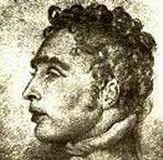 John Williams
Mass murderer · United Kingdom · 1811
John Williams (also known as Murphy) was a 27-year-old Scottish or Irish seaman…
7 victims
John Williams
Mass murderer · United Kingdom · 1811
John Williams (also known as Murphy) was a 27-year-old Scottish or Irish seaman…
7 victims
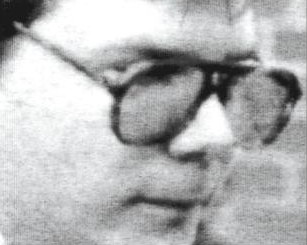 Albert Clozza
Murderer · USA · 1983
Albert Clozza was convicted of killing a 13-year-old girl, Patricia Beth Bolton…
1 victim
Albert Clozza
Murderer · USA · 1983
Albert Clozza was convicted of killing a 13-year-old girl, Patricia Beth Bolton…
1 victim
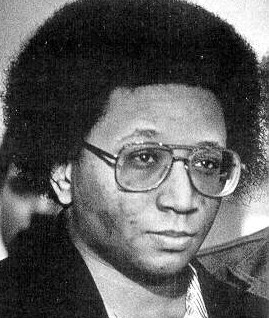 Wayne Williams
Serial killer? · USA · 1979
Wayne Bertram Williams was sentenced to two consecutive terms of life imprisonm…
24 victims
Wayne Williams
Serial killer? · USA · 1979
Wayne Bertram Williams was sentenced to two consecutive terms of life imprisonm…
24 victims
 Aaron McKinney
Murderer · USA · 1998
Aaron McKinney was convicted in the 1998 beating death of Matthew Shepard. · Ma…
1 victim
Aaron McKinney
Murderer · USA · 1998
Aaron McKinney was convicted in the 1998 beating death of Matthew Shepard. · Ma…
1 victim
 Shoko Asahara
Murderer · Japan · 1995
Shoko Asahara was the founder of Japan's controversial Buddhist religious group…
12 victims
Shoko Asahara
Murderer · Japan · 1995
Shoko Asahara was the founder of Japan's controversial Buddhist religious group…
12 victims
 L'ubomír Harman
Mass murderer · Slovakia · 2010
Ľubomír Harman (31 March 1962 – 30 August 2010) was a Slovak spree killer. He a…
7 victims
L'ubomír Harman
Mass murderer · Slovakia · 2010
Ľubomír Harman (31 March 1962 – 30 August 2010) was a Slovak spree killer. He a…
7 victims
- Gender
- male
- Country
- United Kingdom
- Location
- London, England, United Kingdom
- Date of birth
- 1881
- Age at first offence
- 38
- Characteristics
- robbery, armed robbery, history of mental illness
- Victim profile
- Walter Cornish, 47, and his wife Alice, 43, and their two children, Alice, 14, and Marie, 5
- Method of murder
- Beating with an axe
- Date(s) of murder
- April 28, 1919
- Years active
- 1919
- Date of arrest
- —
- Status
-
Executed
Executed by hanging in Pentonville on July 10, 1919
Outcome
Henry Perry was executed by hanging in Pentonville on July 10, 1919.
Timeline
- 28 April — Mrs Cornish invited Perry into the house and they argued again until Perry picked up an axe and beat her to death.
- 27 May — Perry was found guilty at the Old Bailey.
- 10 July 1919 — Perry was hanged by John Ellis and William Willis in Pentonville.
Background
Henry Perry was a soldier who returned home from fighting in the Middle East and murdered the Cornish family at Forest Gate, east London. He knew the family because Mrs Cornish was his stepfather’s sister. He lodged with them for a while until he was asked to leave following a row. Perry also used the alias “aka Beckett” and was referred to as “Henry Perry (aka Beckett)”.
Perry pleaded insanity at his trial. It was alleged that he was insane after being beaten and tortured at the hands of the Turks while a prisoner during the war. The defence proposed that he had war sufferings, including that he was bastinadoed, with the soles of his feet whipped, after which his captors whacked him on the head with a rifle butt and then put him in a Turk jail. The defence also referenced head injuries, with shrapnel embedded in his brain, and it included that Perry heard voices in his head that told him to commit the murders. The trial did not accept shell-shock as a defence because Perry had previous violent convictions. Perry had seventeen previous criminal convictions, including violence.
The offence
The Cornish family comprised Walter Cornish, his wife Alice Cornish (aged forty three), and their two children: Alice Cornish (aged fourteen) and Marie Cornish (aged five). Perry systematically killed each member of the family after waiting for each person to return home.
On 28 April, as Perry passed the house, Mrs Cornish invited him in. They were soon arguing again until Perry picked up an axe and beat her to death. Perry then waited for each member of the family to return home and systematically killed them.
During the murders, Perry also stole money and valuables from the house.
Investigation
Perry’s case involved the claim that he had been beaten and tortured by the Turks while a prisoner during the war, including bastinadoing and head injury. The defence also relied on hearing voices that told him to commit the murders, alongside allegations of head injuries from shrapnel embedded in his brain.
Trial
Perry was found guilty at the Old Bailey on 27 May. He was sentenced to death by Mr Justice Darling.
The trial prosecutor was Percival Clarke. Clarke remarked:
“The war has done great good for some persons, it has taught them discipline, and made honest and honourable men of people who started badly. But the brutalities of war may have made more vicious a person who was vicious before”.
Sentencing
Perry was sentenced to death by Mr Justice Darling after being found guilty at the Old Bailey on 27 May.
Arrest
The record did not describe the arrest.
Appeals
The record did not describe any appeal.
Aftermath
Perry was hanged on 10 July 1919 in Pentonville by John Ellis and William Willis. Perry was aged thirty six at execution. The record also described him as a “quadruple murderer” for wiping out the landlord and the family.
Spotted an error, or have more information about this case?