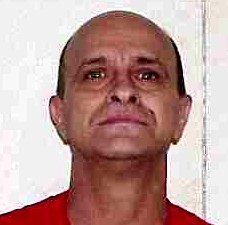
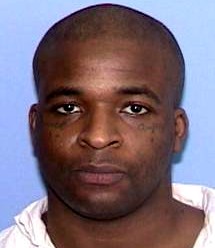
David Smith
Spree killer Paul John Knowles
Spree killer · USA · 1974
Paul John Knowles (April 17, 1946 – November 18, 1974) was an American spree ki…
35 victims
Paul John Knowles
Spree killer · USA · 1974
Paul John Knowles (April 17, 1946 – November 18, 1974) was an American spree ki…
35 victims
 Bobby Joe Maxwell
Spree killer · USA · 1978
Name: Bobby Joe Maxwell Sex: M Race: B Type: T Motive: PC-nonspecific Method of…
11 victims
Bobby Joe Maxwell
Spree killer · USA · 1978
Name: Bobby Joe Maxwell Sex: M Race: B Type: T Motive: PC-nonspecific Method of…
11 victims
 Manuel Pardo
Spree killer · USA · 1986
Manuel Pardo, Jr. was a former police officer who was convicted of nine counts…
9 victims
Manuel Pardo
Spree killer · USA · 1986
Manuel Pardo, Jr. was a former police officer who was convicted of nine counts…
9 victims
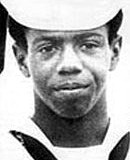 Mark Essex
Spree killer · USA · 1973
Mark James Robert Essex was a Navy veteran who engaged in a shooting and arson…
9 victims
Mark Essex
Spree killer · USA · 1973
Mark James Robert Essex was a Navy veteran who engaged in a shooting and arson…
9 victims
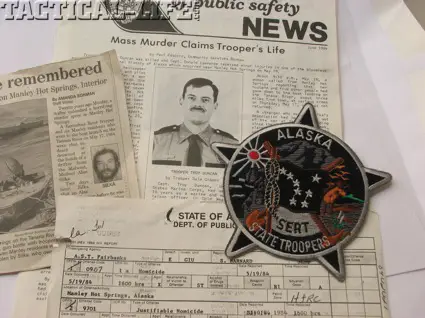 Michael Alan Silka
Spree killer · USA · 1984
Michael Alan Silka was killed during a shoot-out with the police on May 19, 198…
9 victims
Michael Alan Silka
Spree killer · USA · 1984
Michael Alan Silka was killed during a shoot-out with the police on May 19, 198…
9 victims
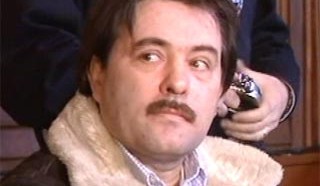 Jean-Pierre Roux-Durrafourt
Mass murderer · Franc e · 2001
Jean-Pierre Roux-Durrafourt was a former soldier and had been in trouble severa…
4 victims
Jean-Pierre Roux-Durrafourt
Mass murderer · Franc e · 2001
Jean-Pierre Roux-Durrafourt was a former soldier and had been in trouble severa…
4 victims
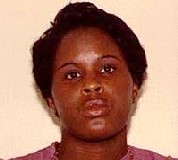 Debra Sue Tuggle
Murderer · USA · 1974
Debra Sue Tuggle was an African American woman born in Arkansas. She had a hist…
4 victims
Debra Sue Tuggle
Murderer · USA · 1974
Debra Sue Tuggle was an African American woman born in Arkansas. She had a hist…
4 victims
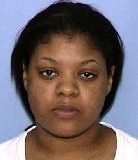 Kenisha Berry
Murderer · USA · 1998
Kenisha Berry was convicted in February 2004 of capital murder relating to the…
1 victim
Kenisha Berry
Murderer · USA · 1998
Kenisha Berry was convicted in February 2004 of capital murder relating to the…
1 victim
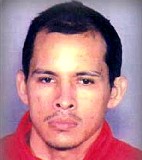 Cesar Rodriguez
Murderer · USA · 2006
Nixzmary Brown was a seven-year-old abused child and murder victim from the Bed…
1 victim
Cesar Rodriguez
Murderer · USA · 2006
Nixzmary Brown was a seven-year-old abused child and murder victim from the Bed…
1 victim
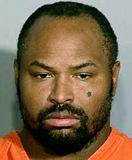 Maurice Clemmons
Mass murderer · USA · 2009
Name: Maurice Clemmons · Life dates: February 6, 1972 – December 1, 2009 · Alle…
4 victims
Maurice Clemmons
Mass murderer · USA · 2009
Name: Maurice Clemmons · Life dates: February 6, 1972 – December 1, 2009 · Alle…
4 victims
- Gender
- male
- Country
- USA
- Location
- Pike County, Kentucky, USA
- Date of birth
- 1948
- Age at first offence
- 32
- Characteristics
- domestic dispute
- Victim profile
- His girlfriend Becky Church, 17; her daughter Amanda Church, 18 months; her mother, Mary Thompson, 48, and her sister, Betty Maynard, 27
- Method of murder
- Shooting (hunting rifle)
- Date(s) of murder
- 1980
- Years active
- 1980
- Date of arrest
- Same day
- Status
-
Sentenced to death
Sentenced to death in 1983; federal judge blocked the planned execution and stayed it until courts could consider the issues raised in a federal appeal
Case record
David Smith was sentenced to death in 1983.
Background
Smith was angered because his girlfriend ended their relationship. Smith was convicted in 1983 of the Pike County murders of his teen-age girlfriend, her daughter, the girlfriend's mother, and the girlfriend's sister.
Smith’s lawyers contended that he was under the influence of drugs when the murders took place. Smith apologized for the killings.
The offence
In 1980, Smith executed a quadruple execution in Pike County with a gun.
Smith shot and killed his girlfriend’s mother, Mary Thompson, 48, and his girlfriend’s sister, Betty Maynard, 27, with a hunting rifle after a falling out with the girlfriend. While emergency medical workers were treating those victims, Smith returned and shot his 17-year-old girlfriend, Becky Church. One bullet left her body and struck her 18-month-old daughter, Amanda Church, killing her.
Victims:
- Mary Thompson, 48
- Betty Maynard, 27
- Becky Church, 17
- Amanda Church, 18 months
Arrest
Smith confessed at the scene of the quadruple execution.
Trial
Sentencing
Smith received a death sentence in 1983.
Appeals
A federal judge blocked a planned execution and stayed it so that courts could consider the issues raised in a federal appeal.
A U.S. District Judge Joseph Hood had refused to grant Smith a stay so his lawyers would have more time to file a federal appeal. Smith’s lawyer rushed to file a 323-page appeal with the court. Hood stayed the execution until courts had time to consider the issues it raised. The stay meant Smith was probably years away from execution, even though he had not yet exhausted his appeals.
The federal anti-terrorism bill, designed to streamline death-penalty appeals, allowed federal appeals to be filed within one year of state appeals being exhausted. The Department of Public Advocacy took that to mean death-row inmates should receive an automatic 12-month stay of execution while their lawyers worked on appeals, while the attorney general’s office contended that the provision meant only that defense lawyers had to file such an appeal within a year. Hood sided with the attorney general’s office and refused earlier that week to stay Smith’s execution.
Smith had been turned down in the 1st 2 levels of the appeals process and was at the 1st step of the 3rd and final level.
Outcome
Attorney General Ben Chandler asked Gov. Paul Patton to sign a death warrant in early May, less than a month after the U.S. Supreme Court declined to hear one of Smith’s earlier appeals. Patton signed the death warrant May 11.
The scheduled time for execution had been 7 a.m. Tuesday in the death chamber of the Kentucky State Penitentiary at Eddyville. Officials at Eddyville had already begun preparing for the execution. The Kentucky Press Association began the process of deciding what newspaper reporters would witness the execution.
Corey Bellamy, a spokesman for Chandler, said the attorney general sought the death warrant to keep the appeals process from stalling while waiting for Smith to file his next appeal.
Rebecca Ballard DiLoreto, Smith’s lawyer with the state Department of Public Advocacy, scrambled to assemble the appeal and get it filed in U.S. District Court in Frankfort in hopes of delaying the execution until federal courts had an opportunity to review the case. DiLoreto had asked Hood to stay the execution while she and attorney Steve Pence of Louisville completed the appeal.
Smith’s execution was not likely to take place on the planned date because there were still appeals pending.
Other details
Since taking office in 1996, Chandler’s policy had been to seek death warrants as soon as the U.S. Supreme Court ruled against the condemned at each level, which Chandler said kept the process moving and did not allow defense lawyers to delay. Although governors in the past had generally waited 90 days for defense lawyers to perfect their appeals, Patton had signed death warrants quickly.
A Maynard family member in Pike County declined on behalf of the victims’ family to comment.
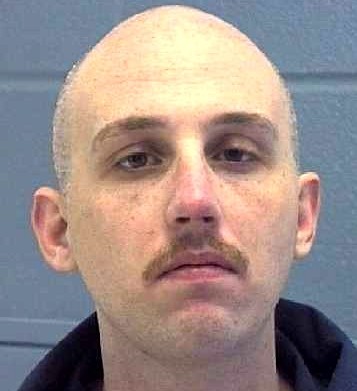
Spotted an error, or have more information about this case?