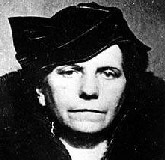
Marie Alexandrine Becker
Serial killer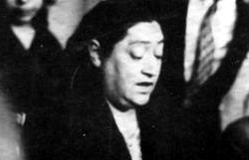 Felicitas Sanchez Aguillon
Serial killer · Mexico · 1930
Felícitas Sánchez Aguillón or Sánchez Neyra (1890 - June 16, 1941) was a Mexica…
50 victims
Felicitas Sanchez Aguillon
Serial killer · Mexico · 1930
Felícitas Sánchez Aguillón or Sánchez Neyra (1890 - June 16, 1941) was a Mexica…
50 victims
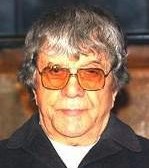 Andras Pandy
Serial killer · Belgium · 1986
András Pándy (born June 1, 1927, Chop, Ukraine) was a convicted Belgian serial…
13 victims
Andras Pandy
Serial killer · Belgium · 1986
András Pándy (born June 1, 1927, Chop, Ukraine) was a convicted Belgian serial…
13 victims
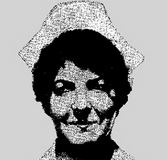 Antoinette Scieri
Serial killer · France · 1924
Antoinette Scieri was born in Italy and emigrated to France as a child. In the…
12 victims
Antoinette Scieri
Serial killer · France · 1924
Antoinette Scieri was born in Italy and emigrated to France as a child. In the…
12 victims
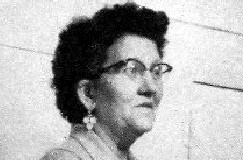 Rhonda Bell Martin
Serial killer · USA · 1937
Rhonda Bell Martin was an American serial killer known for poisoning multiple f…
6 victims
Rhonda Bell Martin
Serial killer · USA · 1937
Rhonda Bell Martin was an American serial killer known for poisoning multiple f…
6 victims
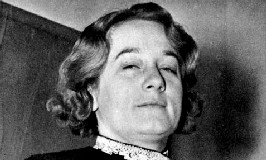 Anna Marie Hahn
Serial killer · USA · 1932
Anna Marie Hahn (née Filser; July 7, 1906 in Bavaria, Germany – December 7, 193…
5 victims
Anna Marie Hahn
Serial killer · USA · 1932
Anna Marie Hahn (née Filser; July 7, 1906 in Bavaria, Germany – December 7, 193…
5 victims
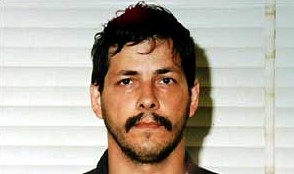 Marc Dutroux
Serial killer · Belgium · 1995
Marc Dutroux (born 6 November 1956 in Brussels) was a Belgian serial killer and…
5 victims
Marc Dutroux
Serial killer · Belgium · 1995
Marc Dutroux (born 6 November 1956 in Brussels) was a Belgian serial killer and…
5 victims
 Josephine Gray
Murderer · USA · 1974
Josephine Virginia Gray, also known as Josephine Stribbling and Josephine Mills…
3 victims
Josephine Gray
Murderer · USA · 1974
Josephine Virginia Gray, also known as Josephine Stribbling and Josephine Mills…
3 victims
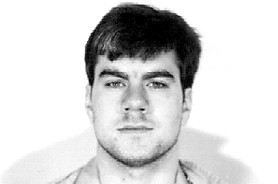 Jay Thompson
Murderer · USA · 1981
Richard Dillon was identified by a Deputy Sheriff as near the property at the t…
2 victims
Jay Thompson
Murderer · USA · 1981
Richard Dillon was identified by a Deputy Sheriff as near the property at the t…
2 victims
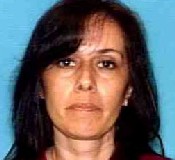 Angelica Vazquez
Murderer · USA · 2013
Angelica Vazquez — wife and mother; cafeteria worker for Mesquite Independent S…
3 victims
Angelica Vazquez
Murderer · USA · 2013
Angelica Vazquez — wife and mother; cafeteria worker for Mesquite Independent S…
3 victims
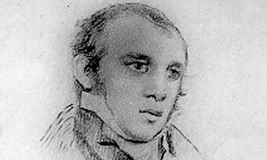 Mark Jefferies
Murderer · Australia · 1820
Mark Jefferies was an escaped convict who was described as a rapist and a canni…
5 victims
Mark Jefferies
Murderer · Australia · 1820
Mark Jefferies was an escaped convict who was described as a rapist and a canni…
5 victims
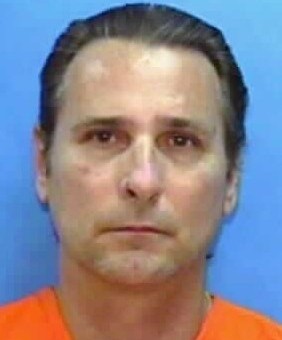 Ernest Downs
Murderer · USA · 1977
Ernest Downs was indicted in the Fourth Judicial Circuit, Duval County (Case #…
1 victim
Ernest Downs
Murderer · USA · 1977
Ernest Downs was indicted in the Fourth Judicial Circuit, Duval County (Case #…
1 victim
- Gender
- female
- Country
- Belgium
- Location
- Liege, Belgium
- Date of birth
- 1877
- Age at first offence
- 55
- Characteristics
- poisoner, robbery
- Victim profile
- Husband, male lover, and female customers
- Method of murder
- Poisoning (digitalis)
- Date(s) of murder
- 1932 - 1936
- Years active
- 1932–1936
- Date of arrest
- October 1936
- Status
-
Died in custody
Sentenced to life imprisonment in 1936; died in prison in 1938
Other details
Marie Alexandrine Becker was born in 1877 and was from Liege, Belgium. She spent most of her adult life as a housewife in Liege, Belgium.
Becker was married to a cabinetmaker. She later entered into an affair with Lambert Beyer, described as a local lothario and a known womanizer several years her junior.
Becker opened a dress shop in Liege. She poisoned her husband with digitalis and later poisoned Beyer with the same drug. She also poisoned female customers with digitalis, then stole money from patrons.
It was estimated that Becker murdered ten, at least. She was also described as having been convicted of murder and sentenced to life in prison. The death penalty was converted to a life sentence because of Belgian law at the time.
Becker attended the funerals of her victims and was described as gesturing wildly grief over their passing, including kneeling at gravesides and weeping hysterically before later performing erotic dances in Liege nightclubs.
Becker was arrested in October 1936. Tests and investigation connected digitalis to the bodies of her husband, Lambert Beyer, and a number of her female customers. Police found poison in the bodies and also found items belonging to victims during searches, including jewellery, clothes, personal possessions, and at least one bottle of digitalis in her house. A little green bottle was also found in her handbag.
Becker claimed the digitalis was for personal use. She maintained she was innocent even during her trial, but the jury thought her guilt was well proven. At trial, she gloated over details of the deaths. She was convicted of murder and sentenced to life imprisonment.
Becker died in prison in 1938, while World War II was underway.
Verbatim statements
Becker told a female friend who had said she wished her husband were dead: "If you really mean that, I can supply you with a powder that will leave no trace."
Becker described a victim as: "looked like an angel choked with sauerkraut."
Becker described another victim as: "dying beautifully, lying flat on her back."
Becker gloated over the murders and described, with arch disdain, the way her prey had died.
Background
Becker spent most of her adult life as a housewife in Liege, Belgium. She was outwardly described as a virtuous and proper housewife but was also described as being secretly bored with her husband.
A chance meeting with Lambert Beyer occurred while she bought vegetables at a street stall and while she was buying vegetables at a street stall. In another account, their first meeting occurred in a local grocery market. The affair began soon after their first meeting.
Becker was described as hating the idea of growing old and as deciding that it was not convenient to divorce in the 1930s, so she decided to murder her husband and start afresh.
After murdering her husband, Becker collected on his life insurance and used the cash to open her dress shop.
After Beyer died, Becker was described as being wealthy because of two inheritances, and then using money for personal pleasures. Her new lifestyle was described as expensive and as scandalising her neighbours.
The offence
Becker poisoned her husband with digitalis.
Becker poisoned Lambert Beyer with digitalis.
Becker poisoned elderly female patrons who patronized her dress shop by dropping digitalis into cups of tea. After poisoning them, Becker was described as stealing money the patrons had and taking the stricken women back to their own homes, where they died of "unknown causes."
She was described as having committed at least ten homicides, with an estimate that she actually killed twice as many people before her arrest.
Becker was also described as robbing her victims by obtaining minor sums of cash from each. Police found jewellery, clothes and personal possessions belonging to the victims.
Investigation
A female friend was described as Becker’s undoing by running to Becker with complaints about her husband and declaring that she wished the no-good rascal dead.
Becker suggested digitalis, offering a sample from her own supply. After several days of cooling off, the friend reported the discussion to the police.
In another description, the police had received anonymous letters accusing Becker of having poisoned two elderly women. An investigation started after Becker’s name appeared in the cases.
Police discovered suspicious deaths and exhumed the bodies of Becker’s husband, Lambert Beyer, and some of her friends and customers. Traces of the poison were found.
A search of Becker’s house revealed closets full of clothes that belonged to victims and a large amount of jewellery. Police also found at least one bottle of digitalis.
Arrest
She was taken into custody immediately after the police investigation and house search.
In her handbag, police found a little green bottle. It was identified as digitalis.
Becker claimed the drug was for personal use, but large doses had the same effect as lethal poison.
Trial
At trial, witnesses said Becker attended the funerals of her victims and dramatized grief, including kneeling at gravesides and weeping hysterically, followed shortly afterwards by performing erotic dances in Liege nightclubs and spending stolen money.
Becker made no pretence of innocence and gloated over the murders.
The jury thought her guilt was well proven. It was described that she was sentenced to death, but that the death penalty was converted to a life sentence according to Belgian law.
Sentencing
Becker was sentenced to life imprisonment in 1936.
Outcome
Becker died in prison in 1938, during World War II.
Timeline
- 1877 — Marie Alexandrine Becker was born.
- 1936 (October) — Becker was arrested; police tests and investigation connected digitalis to her husband, Lambert Beyer, and a number of female customers.
- 1936 — Becker was sentenced to life imprisonment.
- 1938 — Becker died in prison while World War II was underway.
Spotted an error, or have more information about this case?