Abel Clemmons
Mass murderer William Zeigler
Mass murderer · USA
William Thomas Zeigler Jr. was prosecuted in Florida for the murders of four pe…
1975 victims
William Zeigler
Mass murderer · USA
William Thomas Zeigler Jr. was prosecuted in Florida for the murders of four pe…
1975 victims
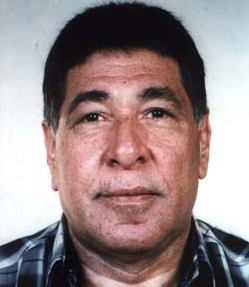 Gameel Al-Batouti
Mass murderer · USA · 1999
Gameel Al-Batouti (also rendered “Gamil ElBatouty” or “El Batouty” in U.S. offi…
216 victims
Gameel Al-Batouti
Mass murderer · USA · 1999
Gameel Al-Batouti (also rendered “Gamil ElBatouty” or “El Batouty” in U.S. offi…
216 victims
 Timothy McVeigh
Mass murderer · USA · 1995
Timothy James McVeigh (April 23, 1968 – June 11, 2001) was a United States Army…
168 victims
Timothy McVeigh
Mass murderer · USA · 1995
Timothy James McVeigh (April 23, 1968 – June 11, 2001) was a United States Army…
168 victims
 Julio Gonzalez
Mass murderer · USA · 1990
Julio Gonzalez was sentenced to 174 twenty-five-year sentences (a total of 4,35…
87 victims
Julio Gonzalez
Mass murderer · USA · 1990
Julio Gonzalez was sentenced to 174 twenty-five-year sentences (a total of 4,35…
87 victims
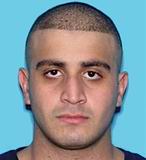 Omar Mateen
Mass murderer · USA · 2016
Omar Mir Seddique Mateen was an American mass murderer who killed 49 people and…
49 victims
Omar Mateen
Mass murderer · USA · 2016
Omar Mir Seddique Mateen was an American mass murderer who killed 49 people and…
49 victims
 Andrew Kehoe
Mass murderer · USA · 1927
Andrew P. Kehoe committed suicide the same day by killing himself in the explos…
44 victims
Andrew Kehoe
Mass murderer · USA · 1927
Andrew P. Kehoe committed suicide the same day by killing himself in the explos…
44 victims
 Carl Robert Brown
Mass murderer · USA · 1982
Carl Robert Brown was fatally shot and run down by two witnesses while cycling…
8 victims
Carl Robert Brown
Mass murderer · USA · 1982
Carl Robert Brown was fatally shot and run down by two witnesses while cycling…
8 victims
 Steven Craig James
Murderer · USA · 1981
Steven Craig James was sentenced to death on November 23, 1982. Juan Maya picke…
1 victim
Steven Craig James
Murderer · USA · 1981
Steven Craig James was sentenced to death on November 23, 1982. Juan Maya picke…
1 victim
 Ruben Ramirez Cardenas
Murderer · 1997
Ruben Ramirez Cardenas (TDCJ Number 999275) was a Mexican national. He was Hisp…
1 victim
Ruben Ramirez Cardenas
Murderer · 1997
Ruben Ramirez Cardenas (TDCJ Number 999275) was a Mexican national. He was Hisp…
1 victim
 Damian Monroe Williams
Murderer · USA · 2000
Damian Monroe Williams (also known as Football) was born March 17, 1973. Willia…
1 victim
Damian Monroe Williams
Murderer · USA · 2000
Damian Monroe Williams (also known as Football) was born March 17, 1973. Willia…
1 victim
 Alan Matheney
Murderer · USA · 1989
The case involved Alan Matheney and the murder of Lisa Bianco. Matheney murdere…
1 victim
Alan Matheney
Murderer · USA · 1989
The case involved Alan Matheney and the murder of Lisa Bianco. Matheney murdere…
1 victim
- Gender
- male
- Country
- USA
- Location
- Clarksburg, West Virginia, USA
- Date of birth
- 1772
- Age at first offence
- 33
- Characteristics
- —
- Victim profile
- H is wife far advanced in pregnancy, and their eight small children, the eldest about 12 years old
- Method of murder
- By striking them on the head with an axe, while they were asleep in their separate beds, laying in the same room
- Date(s) of murder
- November 10, 1805
- Years active
- 1805
- Date of arrest
- —
- Status
-
Executed
Sentenced to death; executed by hanging in 1806
Case record
Overview
Abel Clemmons murdered his wife and their eight children, for a total of nine family members. The killings occurred in a cabin on the lands of Col. George Jackson near Clarksburg, Virginia, when the victims were asleep in their separate beds in the same room.
Timeline
- November 1805 — Abel Clemmons murdered his wife and their eight children in the cabin at Clarksburg, Virginia.
- 28 November 1805 — Abel Clemmens was arraigned at a County Court, charged with murder; he pleaded not guilty and was directed to be sent to Morgantown for trial in the District Court.
- 1806 — Abel Clemmons was found guilty and hanged.
- 1806 — Abel Clemmons was executed by hanging in 1806.
The offence
Abel Clemmons struck his wife far advanced in pregnancy and their eight children on the head with an axe while they were asleep in their separate beds. The eldest child was believed to be about 12 years old. The victims were lying in the same room: “the wife and an infant in her arms lay in one bed, four daughters in another, two boys and one girl in a third,” and they were all “murdered by the husband and father.”
The wounds were believed to have produced instant death, with “dispatching one at a blow, and every circumstance induces a belief, that thus despatched, were unknowing to the catastrophe of the others.”
Abel Clemmons had always lived with the family in an affectionate manner, and they bore a character of honesty and industry.
Investigation and discovery
A man named Neisly went early on the morning of the discovery and was admitted by Clemmons, who was in great agitation and “apparently in a state of insanity.” The family were supposed to be asleep, except for a little girl niece of Clemmons who stayed all night in the house and knew nothing that occurred. After conversing with Clemmons, Neisly left the house “unsuspicious of what had happened.”
A brother of Clemmons who lived some miles off soon afterwards came to the house and found him there. The brother inquired where the family were. Clemmons said they were asleep. When the brother approached one of the beds to awaken the eldest boy, he immediately discovered that all the children in it were murdered.
Clemmons accused his brother with the crime and ran and alarmed the neighbors. Before the neighbors assembled, Clemmons had fled.
Flight and surrender
After committing the deed, Abel Clemmons fled to the woods and for several days hid in a cliff of rocks north of town, west of and near the present B&O Station, known as Clemmens Rocks. He was driven desperate by hunger and his own tortured feelings, and he came in and surrendered himself to the authorities.
Confession and motive
In his confession, Abel Clemmons stated he was driven to the act from fear that his children would starve. He also stated that a power “called to him to do it that he could not resist.”
He was probably insane, but “brain storms” and an insanity defence “cut no figure in the Courts of that day” and justice was meted out in strict compliance with the law.
Abel Clemmons had been in a gloomy melancholy mood for several weeks, occasioned, it was supposed, by his anxiety for the welfare of his family and by a total disregard of the moral precepts.
Background and residence details
After the killings, the family incident was described as occurring near Clarksburg, Virginia, on the lands of Col. George Jackson, within about half a mile of the town of Clarksburg, near the Philippi road.
Clemmons’ cabin stood at the East end of Clarksburg between Pike Street and the Philippi road near the old Jackson graveyard.
Trial
At a County Court held on the 28th of November 1805, Abel Clemmens was arraigned charged with murder. He pleaded not guilty. The Court directed that he be sent to Morgantown for trial in the District Court. He was tried and found guilty.
Sentencing and execution
Abel Clemmons was sentenced to death and was hanged in 1806.
The execution took place on a locust tree near the Decker’s Creek, Middle Bridge close to Morgantown.
People mentioned (as named in the record)
- Abel Clemmons — husband and father; charged with murder; convicted; executed.
- Barbara Carpenter Clemans — Clemmons’ wife; killed; far advanced in pregnancy.
- Col. George Jackson — associated with the location of the murders.
- Neisly — admitted to the house early; conversed with Clemmons; left unsuspicious.
- Clemmons’ brother — lived some miles off; came to the house and discovered the murders.
- Joseph Campbell — publisher of the Monongalia Gazette at Morgantown.
- Bob Stealey — author of an article mentioning the event.
Victims (names preserved as given)
- Elijah
- Hester
- Rachel
- Mary
- Elizabeth
- Benjamin
- Parthense
- Ann
- Barbara Carpenter Clemans (wife; killed alongside the children)
Verbatim quotations
“apparently in a state of insanity”
“He approached one of the beds to awaken the eldest boy when he immediately discovered that all the children in it were murdered!”
“Clemmens had been for several weeks in a gloomy, melancholy mood, occasioned, it was supposed, by his great anxiety for the welfare of his family and total disregard of the moral precepts for which we were made.”
“At a County Court, held on the 28th of November 1805, Abel Clemmens was arraigned, charged with murder. He plead not guilty and the court directed that he be sent to Morgantown for trial in the District Court. He was tried and found guilty and hanged in 1806 to a locust tree, which stood near the Decker’s Creek, Middle Bridge close to Morgantown.”
“After committing the deed, he fled to the woods, and for several days was hid(den) in a cliff of rocks north of town, west of and near the present B&O Station, which are still known as Clemmens Rocks.”
“Clemmens, in his confession, stated he was driven to this horrible act from fear that his children would starve and by a power that called to him to do it that he could not resist.”
“He was probably insane, but ‘brainstorms’ and the insanity dodge cut no figure in the courts of that day, and justice was meted out in strict compliance with the law.”
“dispatching one at a blow, and every circumstance induces a belief, that thus despatched, were unknowing to the catastrophe of the others,”
“The wife and an infant in her arms lay in one bed, four daughters in another, two boys and one girl in a third, all murdered by the husband and father.”
“And what is very remarkable, he had always lived with them in a most affectionate manner, and they bore a character of honesty and industry.”
Other details
Joseph Campbell issued a special “broadside” entitled “Murder--Horrible Murder!” shortly after the incident. Joseph Campbell later published a complete account of the event that included Clemmons’ confession, a letter Clemmons wrote his brother the day before he was hanged, and “the exhortation of the judge who tried and sentenced Clemmons.” The account of the Clemmons murders became a “horror classic” of the Frontier and was printed numerous times.
Spotted an error, or have more information about this case?