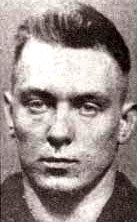
Juan Chavez
Serial killer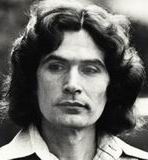 Rodney Alcala
Serial killer · USA · 1977
Rodney James Alcala (born August 23, 1943) was also known as Rodrigo Jacques Al…
100 victims
Rodney Alcala
Serial killer · USA · 1977
Rodney James Alcala (born August 23, 1943) was also known as Rodrigo Jacques Al…
100 victims
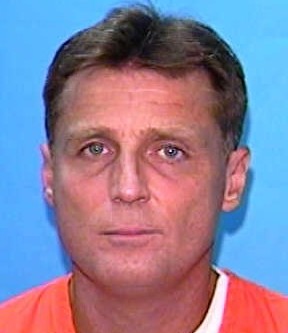 Glen Edward Rogers
Serial killer · USA · 1993
Glen Edward Rogers was a spree killer whose cross-country rampage in 1994-95 le…
70 victims
Glen Edward Rogers
Serial killer · USA · 1993
Glen Edward Rogers was a spree killer whose cross-country rampage in 1994-95 le…
70 victims
 Michael Swango
Serial killer · USA · 1981
Michael Swango (Joseph Michael Swango) was a physician and American serial kill…
60 victims
Michael Swango
Serial killer · USA · 1981
Michael Swango (Joseph Michael Swango) was a physician and American serial kill…
60 victims
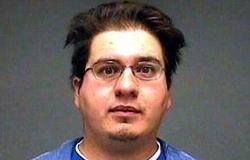 Efren Saldivar
Serial killer · USA · 1989
Efren Saldivar (born 30 September 1969) was an American serial killer who murde…
50 victims
Efren Saldivar
Serial killer · USA · 1989
Efren Saldivar (born 30 September 1969) was an American serial killer who murde…
50 victims
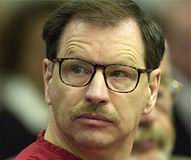 Gary Ridgway
Serial killer · USA · 1982
Gary Leon Ridgway Ridgway was born 18-February-1949 in Salt Lake City, UT. He w…
49 victims
Gary Ridgway
Serial killer · USA · 1982
Gary Leon Ridgway Ridgway was born 18-February-1949 in Salt Lake City, UT. He w…
49 victims
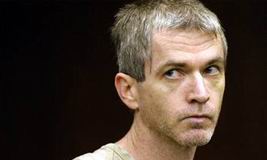 Charles Cullen
Serial killer · USA · 1984
Charles Cullen (born February 22, 1960) was a former nurse and the most prolifi…
45 victims
Charles Cullen
Serial killer · USA · 1984
Charles Cullen (born February 22, 1960) was a former nurse and the most prolifi…
45 victims
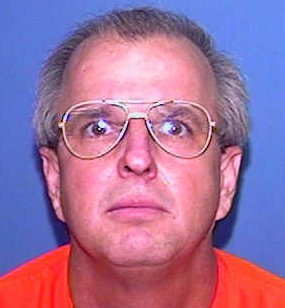 James Aren Duckett
Murderer · USA · 1987
Name: James Aren Duckett · Date of birth: 09/04/57 · Court: Supreme Court of Fl…
1 victim
James Aren Duckett
Murderer · USA · 1987
Name: James Aren Duckett · Date of birth: 09/04/57 · Court: Supreme Court of Fl…
1 victim
 Mark Allen Wisehart
Murderer · USA · 1982
Mark Allen Wisehart was a White male born on 11-21-1962. Wisehart was sentenced…
1 victim
Mark Allen Wisehart
Murderer · USA · 1982
Mark Allen Wisehart was a White male born on 11-21-1962. Wisehart was sentenced…
1 victim
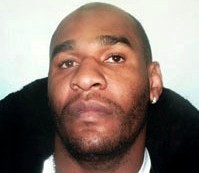 Gary Lloyd Nelson
Murderer · United Kingdom · 1993
Name: Gary Lloyd Nelson · Birth year: 1969 · Nationality: British · Residence/l…
2 victims
Gary Lloyd Nelson
Murderer · United Kingdom · 1993
Name: Gary Lloyd Nelson · Birth year: 1969 · Nationality: British · Residence/l…
2 victims
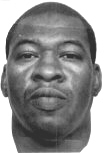 Edward Lagrone
Murderer · USA · 1977
Edward Lewis Lagrone was involved in a relationship with Pamela Lloyd in 1985,…
4 victims
Edward Lagrone
Murderer · USA · 1977
Edward Lewis Lagrone was involved in a relationship with Pamela Lloyd in 1985,…
4 victims
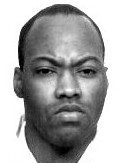 Clyde Smith
Murderer · USA · 1992
Clyde Smith was a Black male who was scheduled to be executed on February 15, 2…
2 victims
Clyde Smith
Murderer · USA · 1992
Clyde Smith was a Black male who was scheduled to be executed on February 15, 2…
2 victims
- Gender
- male
- Country
- USA
- Location
- Los Angeles, California, USA
- Date of birth
- 1966
- Age at first offence
- 20
- Characteristics
- rape, robbery, kidnapping, serial rapist, drugs
- Victim profile
- Alfred Rowswell, 45 / Ruben Panis, 57 / Donald Kleeman, 48 / Michael Allen Cates, 46 / Leo Hildebrand, 52 (gay men)
- Method of murder
- Ligature strangulation
- Date(s) of murder
- 1986 / 1989
- Years active
- 1986–1989
- Date of arrest
- —
- Status
-
Died in custody
Pleaded guilty; sentenced to life in prison without parole on June 22, 1999; committed suicide by hanging himself in his cell on September 9, 1999
Background
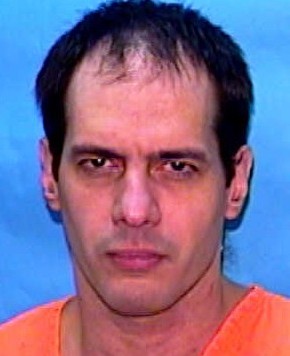
Juan Chavez was 35 when he was handed five consecutive life sentences for killing five gay men between 1986 and 1989. Chavez told police that he was angry that homosexuals were spreading AIDS and that he had killed the men to try to “stop them” from doing so.
Prosecutors described Chavez’s approach as luring victims by using the promise of sex and then committing killings and theft.
Chavez’s parents abandoned him in Mexico when he was very young, and he was taken in by his grandmother. He ran away at the age of 7, Chavez told authorities, after she beat him. Chavez came to the United States in 1980 and lived with a brother in Los Angeles. Chavez had a wife and two children.
Chavez worked a series of low-level jobs, from dishwasher to steam-iron operator, in Los Angeles. Prosecutors said he committed a string of petty crimes, and Deputy Dist. Atty. Michael Duarte said Chavez was “just a crook, stealing what he had to steal.”
The offence
Chavez persuaded five middle-aged men to take him to their apartments, where he tied them up and then strangled them.
Chavez used exercise ropes, neckties, and electrical cords to strangle victims. In the majority of cases, Chavez took bank cards and forced victims to disclose personal identification numbers. Prosecutors said he mostly stole cash, jewelry, or electronics, and in at least two cases he also took the victims’ vehicles.
Prosecutors and court accounts indicated that Chavez met victims at well-known gay pickup spots and targeted locations where men looking for sex offered him money, including Echo Park, Elysian Park, LaFayette Park, and MacArthur Park. His attorney, Ralph A. Courtney III, said men looking to have sex offered Chavez money in Echo, Elysian, LaFayette and MacArthur parks, though Chavez did not dress or act like a prostitute.
Deputy Dist. Atty. Michael Duarte said Chavez allowed himself to be picked up at locations frequented by gay Hispanic men and used the promise of sex to lure the men to their homes. Chavez also told investigators that the victims offered him money for sex and drove him to their homes. As the victims began disrobing at their homes, Chavez went to the bathroom so he could get out his knife and surprise them, Chavez said.
Court proceedings described several details that differed from case to case, while the general pattern remained similar.
Victims
Chavez killed five men.
- Alfred Rowswell, 46, who was found strangled in his LaFayette Park apartment in July 1986.
- Ruben Panis, 57, who was found in the master bedroom of his two-story Wilshire district home in 1989.
- Donald Leeman, 48, a 1989 victim.
- Michael Cates, 46, of West Hollywood, a 1989 victim.
- Leo Hildebrand, 52, of Alhambra, a 1989 victim.
Authorities originally did not consider the slayings related because the bodies were found in different places around Los Angeles County.
Investigation
Los Angeles police detectives found a photo of a man using one of the victims’ ATM cards and circulated it at local gay bars, but without more evidence the cases went nowhere.
Detectives said the break came in 1994, when they matched a fingerprint on Rowswell’s car to a prisoner in Washington state. The inmate said he got the car from Chavez.
Detectives later matched the ATM photo to Chavez’s half brother, whom they took into custody but never arrested. On Dec. 14, detectives interviewed Chavez in prison. The next day, Chavez confessed, according to court records. Chavez told police: “I thank God you guys found out about this, because you know what, that way I can clear my mind. My conscience has been bothering me for a long time.”
Chavez’s confession was contested in court. Courtney later asked the judge not to use Chavez’s confession as evidence, saying Chavez was coerced into giving it because he was afraid that his half brother would be arrested. The judge denied the request.
Deputy Dist. Atty. Michael Duarte said it took police four years to break the case. Duarte also said the court proceedings lasted five years due to the continuing investigation and the complexity of the case, including dozens of suspects investigated and hundreds of witnesses questioned.
Arrest and related custody
Chavez was already serving time in Folsom State Prison for kidnapping during the period when the murders were investigated further. The June 22, 1999 sentencing followed Chavez’s guilty plea in the middle of his trial.
Trial and guilty plea
Chavez pleaded guilty in exchange for an agreement by the district attorney’s office not to seek the death penalty. Deputy Dist. Atty. Michael Duarte said he made the deal because evidence in some of the cases was “week.” Duarte also said: “The victims’ families and the police all were in agreement on this one.”
Chavez pleaded guilty in the middle of his trial, and the robbery charges were dropped because they were too old to be prosecuted.
Chavez’s attorney, Ralph A. Courtney III, sought to prevent the use of Chavez’s confession as evidence, arguing coercion because Chavez feared his half brother would be arrested. The judge denied the request.
Sentencing
On June 22, 1999, Judge Jacqueline Connor sentenced Chavez to five life sentences without the possibility of parole.
Appeals
Outcome
Chavez pleaded guilty and was sentenced to life in prison without parole on June 22, 1999. Chavez committed suicide by hanging himself in his cell on September 9, 1999.
Other details
Chavez was charged with five counts of murder and five counts of robbery in 1994.
Court discussions included Chavez’s statements about motive and his anger about homosexuals. Chavez told police: “You don’t understand, I want to get these men before they get me. They’re spreading AIDS.” In another reported statement during a police interview at Folsom, Chavez said: “They pick people up. They don’t let them know that they are sick, and a lot of people be dying because of them,” and “So I better, you know, stop them.”
Chavez also told police in 1993: “Hey man, I don’t look for them. They come to me all the time.”
Chavez’s half brother was never charged in the murders.
Spotted an error, or have more information about this case?