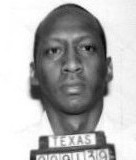
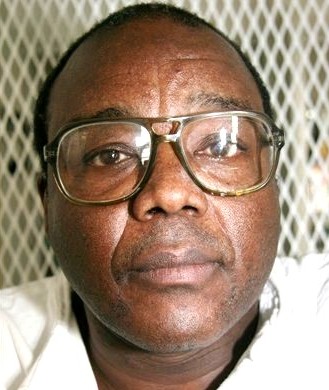
Kia Levoy Johnson
Murderer Brian Kevin Rosenfeld
Murderer · USA · 1985
Brian Kevin Rosenfeld Brian Kevin Rosenfeld was sentenced to three concurrent l…
23 victims
Brian Kevin Rosenfeld
Murderer · USA · 1985
Brian Kevin Rosenfeld Brian Kevin Rosenfeld was sentenced to three concurrent l…
23 victims
 Russell Ellwood
Murderer · USA · 1991
Russell Ellwood was a former taxi driver. Authorities suspected him of killing…
20 victims
Russell Ellwood
Murderer · USA · 1991
Russell Ellwood was a former taxi driver. Authorities suspected him of killing…
20 victims
 Robert Martines Perez
Murderer · USA · 1994
Name: Robert Martines Perez · Other name used in proceedings: Robert Martinez P…
15 victims
Robert Martines Perez
Murderer · USA · 1994
Name: Robert Martines Perez · Other name used in proceedings: Robert Martinez P…
15 victims
 Billy Frank Vickers
Murderer · USA · 1993
Billy Frank Vickers Vickers was executed by lethal injection in Texas on Januar…
14 victims
Billy Frank Vickers
Murderer · USA · 1993
Billy Frank Vickers Vickers was executed by lethal injection in Texas on Januar…
14 victims
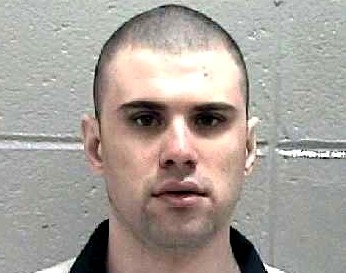 Dorian O'Kelley
Murderer · USA · 2002
Dorian Frank O’Kelley was an accused killer in Chatham County. He was accused o…
2 victims
Dorian O'Kelley
Murderer · USA · 2002
Dorian Frank O’Kelley was an accused killer in Chatham County. He was accused o…
2 victims
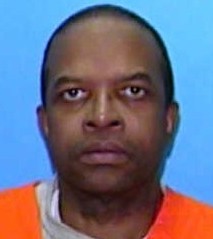 William T. Turner
Murderer · USA · 1984
William Turner was convicted and sentenced to death for the murder of his wife,…
2 victims
William T. Turner
Murderer · USA · 1984
William Turner was convicted and sentenced to death for the murder of his wife,…
2 victims
 Shawn Bentler
Mass murderer · USA · 2006
Shawn Bentler (born 1983 or 1984) was a convicted murderer from Bonaparte, Iowa…
5 victims
Shawn Bentler
Mass murderer · USA · 2006
Shawn Bentler (born 1983 or 1984) was a convicted murderer from Bonaparte, Iowa…
5 victims
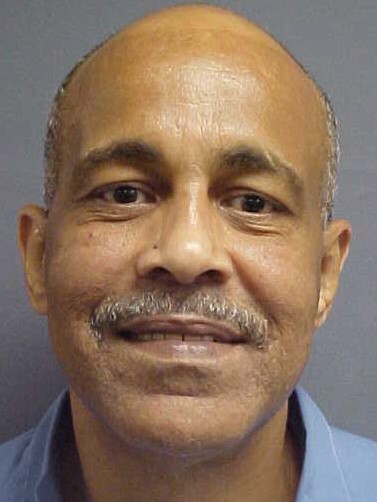 Kenneth Turrentine
Mass murderer · USA · 1994
Kenneth Turrentine was convicted in Oklahoma of four counts of first degree mur…
4 victims
Kenneth Turrentine
Mass murderer · USA · 1994
Kenneth Turrentine was convicted in Oklahoma of four counts of first degree mur…
4 victims
 Timothy Dale Bunch
Murderer · USA · 1982
Timothy Dale Bunch was convicted by jury trial and sentenced to death for murde…
1 victim
Timothy Dale Bunch
Murderer · USA · 1982
Timothy Dale Bunch was convicted by jury trial and sentenced to death for murde…
1 victim
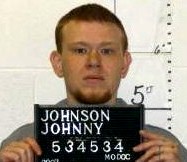 Johnny Johnson
Murderer · USA · 2002
Johnny Johnson was the defendant in the case styled State of Missouri, Responde…
1 victim
Johnny Johnson
Murderer · USA · 2002
Johnny Johnson was the defendant in the case styled State of Missouri, Responde…
1 victim
- Gender
- male
- Country
- USA
- Location
- Bexar County, Texas, USA
- Date of birth
- December 23, 1964
- Age at first offence
- 29
- Characteristics
- robbery, convicted rapist
- Victim profile
- William Matthew Rains, 32 (convenience store clerk)
- Method of murder
- Shooting (.32-caliber pistol)
- Date(s) of murder
- October 29, 1993
- Years active
- 1993
- Date of arrest
- November 1993
- Status
-
Executed
Executed by lethal injection in Texas on June 11, 2003
Case overview
Kia Levoy Johnson was convicted of capital murder of William Matthew Rains in the course of committing and attempting to commit robbery. Johnson was sentenced to death and later executed by lethal injection in Texas on June 11, 2003.
Timeline
- Oct. 29, 1993 — Johnson entered a Stop 'N Go convenience store in Bexar County, Texas, approached the counter, pulled a gun, and fired one shot at store clerk William Matthew Rains; Johnson demanded the register key and took $23 and left; Rains struggled for approximately 45 minutes after the robbery; Rains’ body was discovered in the early morning hours.
- Jan. 25, 1994 — Johnson was indicted for the capital offense of the intentional murder of William Matthew Rains in the course of committing and attempting to commit robbery on or about Oct. 29, 1993.
- Feb. 8, 1995 — A jury found Johnson guilty of capital murder.
- Feb. 13, 1995 — Following a separate punishment hearing, the jury answered “yes” to special issues numbers one and two, and the trial court sentenced Johnson to death.
- Nov. 13, 1997 — The state court entered findings of fact and conclusions of law recommending that relief be denied following a state application for writ of habeas corpus.
- Aug. 7, 1998 — Johnson filed a subsequent habeas application in state court based on a claim of newly discovered evidence; the Court of Criminal Appeals dismissed the application as an abuse of the writ.
- Dec. 4, 1998 — Johnson filed a federal application for writ of habeas corpus in the United States District Court for the Western District of Texas, San Antonio Division.
- April 3, 2002 — Johnson filed a request for certificate of appealability with the Fifth Circuit Court of Appeals.
- July 31, 2002 — The Fifth Circuit denied Johnson’s request for COA.
- Aug. 22, 2002 — Johnson requested a rehearing en banc.
- Dec. 12, 2002 — Johnson filed a petition for writ of certiorari in the United States Supreme Court.
- June 11, 2003 — Johnson was executed by lethal injection in Texas.
The offence
In the early morning hours of Oct. 29, 1993, Kia Levoy Johnson entered a Stop 'N Go convenience store and approached the counter. When store clerk William Matthew Rains came to the counter, Johnson pulled a gun from his waistband and fired one shot. Rains fell on the floor. Johnson then demanded that Rains give him the register key. Rains threw a key to Johnson, who attempted to use it to open the cash register. When the key broke, Johnson took the contents portion of the register and exited the store. Johnson took $23 and left the store.
For approximately 45 minutes after the robbery, Rains struggled to reach a phone but was unable to do so because he had lost his motor skills. Rains’ body was discovered in the early morning hours of Oct. 29, 1993, when another customer entered the Stop 'N Go. The details of the offence were captured on a store security camera, including Rains’ unsuccessful struggle for about 45 minutes after he had been shot. Rains bled to death.
Investigation
A store security camera captured the events of the robbery and killing. The videotape was admitted into evidence and played for the jury.
When the local news broadcast the video, a longtime friend identified Johnson and called Crime Stoppers. An officer of the San Antonio Police Department and another of Johnson’s acquaintances also recognized Johnson from the videotape. The police went to a home and showed a person the full videotape; the person again identified Johnson. A warrant was issued for Johnson’s arrest.
A police officer identified Johnson as the man in the tape because he was wearing the same distinctive clothing. Henry Wright, another acquaintance of Johnson, also identified him as the man portrayed in the tape. Prosecutors also stated that some tennis shoes found in Johnson’s closet at the time of his arrest matched the imprint left at the crime scene. Johnson’s claims of innocence included statements about being identified by people he said he did not know.
Arrest
After the warrant was issued, Johnson soon was located in the custody of police, having been arrested on an unrelated charge.
In his public statements, Johnson described being arrested on Oct. 29, 1993 for “failure to identify” and being taken to an undercover police operation office where he was interviewed on a murder.
Trial
Johnson was indicted on Jan. 25, 1994 for the capital offence of the intentional murder of William Matthew Rains in the course of committing and attempting to commit robbery on or about Oct. 29, 1993. The case was heard by a jury.
On Feb. 8, 1995, the jury found Johnson guilty of capital murder. Following a separate punishment hearing, the jury answered “yes” to special issues numbers one and two. On Feb. 13, 1995, the trial court sentenced Johnson to death.
During the penalty phase of the trial, Johnson’s attorney called William Rains’ father, Julian Rains, as a witness. Julian Rains testified to the qualities of his deceased son and stated:
“I want the guilty person punished, whether it be Mr. Johnson or whomever it may be because I don't think my son could rest until his murderer is taken care of.”
Johnson’s trial included identification of Johnson as the gunman on the videotape by multiple people, including a longtime acquaintance and other acquaintances.
Sentencing
After the punishment hearing, the jury answered “yes” to special issues numbers one and two. In accordance with Texas law, the trial court sentenced Johnson to death on Feb. 13, 1995.
Appeals
Johnson appealed his conviction and sentence to the Court of Criminal Appeals of Texas, which affirmed the conviction and sentence in an unpublished opinion. No motion for rehearing was filed and no writ of certiorari was filed in the Supreme Court in the direct appeal stage.
On April 23, 1997, Johnson filed a state application for writ of habeas corpus. On Nov. 13, 1997, the state court entered findings of fact and conclusions of law recommending that relief be denied. Based on these findings and conclusions, the Court of Criminal Appeals denied relief.
On Aug. 7, 1998, Johnson filed a subsequent habeas application in state court, based on a claim of newly discovered evidence. The Court of Criminal Appeals dismissed the application as an abuse of the writ.
On Dec. 4, 1998, Johnson filed a federal application for writ of habeas corpus in the United States District Court for the Western District of Texas, San Antonio Division. The district court denied the writ and denied Johnson’s request for a certificate of appealability.
On April 3, 2002, Johnson filed a request for certificate of appealability with the Fifth Circuit Court of Appeals. On July 31, 2002, the Fifth Circuit denied the request for a COA. On Aug. 22, 2002, Johnson requested a rehearing en banc. The Fifth Circuit denied the request in an unpublished order.
On Dec. 12, 2002, Johnson filed a petition for writ of certiorari in the United States Supreme Court. The Supreme Court denied the petition.
In the Fifth Circuit decision, 301 F.3d 234 Kia Levoy Johnson, Petitioner-Appellant, v. Janie Cockrell, Director, Texas Department of Criminal Justice, Institutional Division, Respondent-Appellee, the court denied the application for COA.
Outcome
Johnson’s conviction and sentence were affirmed on appeal, and subsequent habeas relief requests were denied or dismissed. Johnson was executed by lethal injection in Texas on June 11, 2003.
Aftermath and execution details
Johnson’s execution occurred in Huntsville, Texas by lethal injection.
Johnson was pronounced dead at 6:18 p.m. Reports in the record stated that the lethal injection began at 6:11 p.m.
Johnson’s final statement included:
“Tell mama I love her. Tell the kids I love them too. See y'all.”
Johnson declined to be interviewed by reporters and refused to speak with reporters from death row. He stated via a web site devoted to his case that he did not know about the murder and claimed innocence.
The record included details of Johnson’s last meal request: four fried chicken breasts, onion rings, fried shrimp, French fries, fried catfish, double-meat cheeseburger with grilled onions, strawberry fruit juice, and pecan pie.
The execution was watched by family members of William Matthew Rains, including his parents and siblings, as described in the account.
Criminal history
Johnson had a lengthy juvenile record, including arrests on seven occasions for seven different crimes. He also had arrests for four separate misdemeanor charges and, in 1984, was arrested on a charge of aggravated robbery with serious bodily injury.
On Oct. 3, 1986, Johnson was placed on probation for 10 years for burglary of a habitation. While on probation, he violated conditions including reporting to his officer and abstaining from drug use. While on probation, he again committed burglary of a habitation resulting in an additional 10-year sentence.
Johnson was paroled in 1990, but his parole was revoked on Nov. 21, 1991, for resisting arrest, evading arrest, and making terroristic threats. Johnson was again paroled on Nov. 18, 1992.
Johnson was arrested again on Oct. 29, 1993 for failing to identify himself. Two to three days later, he was found to be a suspect in the instant capital murder offence. His parole was last revoked on March 17, 1994 for failure to report as directed, the instant capital murder offence, and possession, use, and control of a firearm.
Other details
The record included discussion of Johnson’s claim that he was mentally retarded and should not be put to death. The Texas Court of Criminal Appeals rejected the appeal, stating there was no evidence to support the argument. The Fifth U.S. Circuit Court of Appeals also rejected the appeal, and Johnson’s attorney indicated he would take the argument to the Supreme Court; the Supreme Court denied the petition.
In the Fifth Circuit opinion, the court reviewed Johnson’s claim that his attorney’s examination of Julian Rains during the penalty phase constituted ineffective assistance of counsel, and it denied the application for a certificate of appealability.
Johnson’s case was described as under consideration by the Texas Board of Pardons and Paroles.

Spotted an error, or have more information about this case?