Joseph Briggen
Serial killer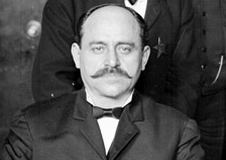 Johann Otto Hoch
Serial killer · USA · 1890
Johann Otto Hoch (1855 - 1906) was the most famous and last-used alias of a Ger…
15 victims
Johann Otto Hoch
Serial killer · USA · 1890
Johann Otto Hoch (1855 - 1906) was the most famous and last-used alias of a Ger…
15 victims
 John Frank Hickey
Serial killer · USA · 1883
John Frank Hickey, “The Postcard Killer,” was one of the first known and captur…
3 victims
John Frank Hickey
Serial killer · USA · 1883
John Frank Hickey, “The Postcard Killer,” was one of the first known and captur…
3 victims
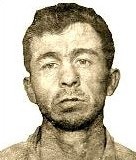 Donald Henry Gaskins
Serial killer · USA · 1969
Donald Henry Gaskins, also known as Donald “Pee Wee” Gaskins, was a serial kill…
200 victims
Donald Henry Gaskins
Serial killer · USA · 1969
Donald Henry Gaskins, also known as Donald “Pee Wee” Gaskins, was a serial kill…
200 victims
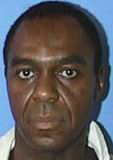 Carl Eugene Watts
Serial killer · USA · 1974
Carl Eugene Watts (born November 7, 1953; died September 21, 2007), also known…
100 victims
Carl Eugene Watts
Serial killer · USA · 1974
Carl Eugene Watts (born November 7, 1953; died September 21, 2007), also known…
100 victims
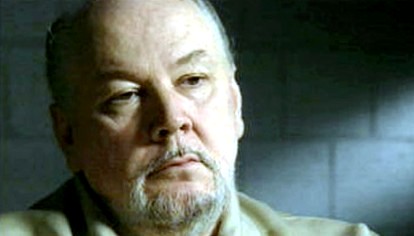 Richard Kuklinski
Serial killer · USA · 1949
Richard “Iceman” Kuklinski was sentenced to life in prison in 1988. He died in…
100 victims
Richard Kuklinski
Serial killer · USA · 1949
Richard “Iceman” Kuklinski was sentenced to life in prison in 1988. He died in…
100 victims
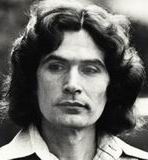 Rodney Alcala
Serial killer · USA · 1977
Rodney James Alcala (born August 23, 1943) was also known as Rodrigo Jacques Al…
100 victims
Rodney Alcala
Serial killer · USA · 1977
Rodney James Alcala (born August 23, 1943) was also known as Rodrigo Jacques Al…
100 victims
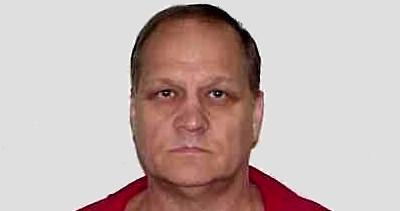 Roger Dale Epperson
Murderer · USA · 1985
Roger Dale Epperson Roger Dale Epperson (DOB 5-19-50) was sentenced to death Ju…
3 victims
Roger Dale Epperson
Murderer · USA · 1985
Roger Dale Epperson Roger Dale Epperson (DOB 5-19-50) was sentenced to death Ju…
3 victims
 James Carl Lee Davis
Murderer · USA · 1984
March 3, 1984 — James Carl Lee Davis entered the home of his neighbor, Pauline…
3 victims
James Carl Lee Davis
Murderer · USA · 1984
March 3, 1984 — James Carl Lee Davis entered the home of his neighbor, Pauline…
3 victims
 James Edward Martinez
Murderer · USA · 2000
James Edward Martinez was a Hispanic male. He was 34 at the time of execution.…
2 victims
James Edward Martinez
Murderer · USA · 2000
James Edward Martinez was a Hispanic male. He was 34 at the time of execution.…
2 victims
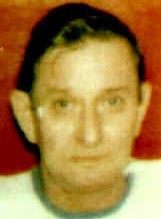 James Hutchins
Murderer · USA · 1979
Name: James W. Hutchins Full name used: James W. Hutchins; James W. Hutchins (A…
3 victims
James Hutchins
Murderer · USA · 1979
Name: James W. Hutchins Full name used: James W. Hutchins; James W. Hutchins (A…
3 victims
- Gender
- male
- Country
- USA
- Location
- California, USA
- Date of birth
- c.1850
- Age at first offence
- 30
- Characteristics
- abuse, domestic violence, murder for hire, mutilation, torture
- Victim profile
- H omeless men and transients
- Method of murder
- ???
- Date(s) of murder
- 1880 - 1902
- Years active
- 1880–1902
- Date of arrest
- —
- Status
-
Died in custody
Sentenced to life in prison in 1902; died in prison in 1903
Case overview
Joseph Briggen (1894–1902) was a rural California hog farmer who had prize pigs that drew the highest prices at the state fair. He became an odds-on favorite for winning honors at the annual state fair in Sacramento, and other breeders pestered him for his secret.
Briggen said his success was “all in the feeding,” and he repeatedly made trips to San Francisco to find homeless men and transients to work for him. He promised room and board as payment.
After a few weeks, employees grew suspicious and demanded something more than food and lodging for their pay. Briggen responded by killing the latest victim, chopping up the body, and feeding it to his hogs. He regarded the “special” diet as responsible for his success in raising swine and did not want to change his method.
Background
Briggen followed a family tradition of working rural land, living and working from his remote Sierra Morena Ranch in northern California. His crops were invariably poor, and he had little to show for his labor except for his prize Berkshire hogs.
So perfect were his swine that Briggen became a favorite at the annual state fair in Sacramento, and his pork brought top dollar. Briggen had “bad crops,” and he complained of an inability to keep ranch hands, so he recruited down-and-outs from the streets of San Francisco.
The offence
Briggen recruited workers from San Francisco with promises of room and board. When workers demanded back pay or cash, he killed them, chopped up their bodies, and fed them to his hogs. Police later uncovered multiple human remains on the ranch grounds, including skulls buried on the grounds and bones found inside the sty itself.
The police suggested that Briggen’s killings involved twelve victims and suspected there were more. Authorities did not present a final verified count, and the identity and final number of his victims were described as an enduring mystery.
Investigation
In early 1902, a worker’s discovery led to a police search. The latest worker/victim, Steven Konrad, noticed something down the side of the bed one night and found two severed fingers. Konrad went to the police.
When police conducted a proper search the next day, they found a full skull and various other human bones in the pig sty. Police also uncovered at least 12 skulls buried on the grounds.
Excavations at the ranch unearthed an estimated dozen victims in the next few days. Police had enough information to secure a conviction.
Arrest and prosecution
Briggen was found guilty of murder. Police suggested he killed at least twelve victims and suspected a lot more. He received a sentence of life imprisonment in 1902.
Trial
Briggen was tried in August. He drew a term of life imprisonment.
Briggen was linked to the killings through the discoveries made after Steven Konrad went to police, and through the human remains found in and around the hog facilities.
Sentencing
Briggen was sentenced to life in prison in 1902.
Outcome
Joseph Briggen died shortly after going to prison in San Quinten.
Quotes
“it’s all in the feeding”
“It's all in the feedin”
Other details
Briggen’s victims were described as numbering 13+ in the case narrative.
The case materials used multiple spellings for the worker, including Steven Konrad and Steven Korad. The worker who reported the remains was the latest employee killed by Briggen.
The animal that received the bodies was described as hog feed and as prize Berkshire hogs.
A concluding biographical entry listed:
- SEX: M
- RACE: W
- TYPE: S
- MOTIVE: CE
- MO: Rancher who fed farmhands to his prize hogs
- DISPOSITION: Life sentence, 1902; died in prison
Spotted an error, or have more information about this case?