Joseph Burns
Murderer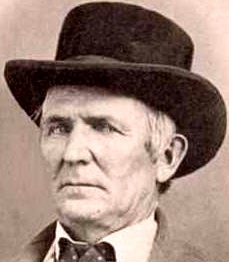 John Doyle Lee
Murderer · USA · 1857
Name: John Doyle Lee Lifespan: September 12, 1812 - March 23, 1877 Legal outcom…
120 victims
John Doyle Lee
Murderer · USA · 1857
Name: John Doyle Lee Lifespan: September 12, 1812 - March 23, 1877 Legal outcom…
120 victims
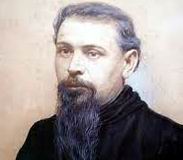 Juan Moreira
Murderer · Argentina · 1856
Juan Moreira (? - April, 1874) was a well-known figure in the history of Argent…
16 victims
Juan Moreira
Murderer · Argentina · 1856
Juan Moreira (? - April, 1874) was a well-known figure in the history of Argent…
16 victims
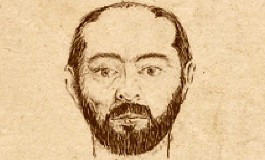 Manuel Blanco Romasanta
Murderer · Spain · 1845
Manuel Blanco Romasanta (18 November 1809 — 14 December 1863) was Spain’s first…
9 victims
Manuel Blanco Romasanta
Murderer · Spain · 1845
Manuel Blanco Romasanta (18 November 1809 — 14 December 1863) was Spain’s first…
9 victims
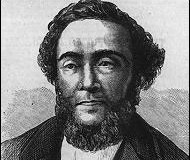 Edward Rulloff
Murderer · USA · 1845
Edward Rulloff was executed by hanging on May 18, 1871. His execution followed…
3 victims
Edward Rulloff
Murderer · USA · 1845
Edward Rulloff was executed by hanging on May 18, 1871. His execution followed…
3 victims
 Isaac Wood
Murderer · USA · 1855
Isaac L. Wood was a Livingston Republican mentioned in July 1858 execution cove…
2 victims
Isaac Wood
Murderer · USA · 1855
Isaac L. Wood was a Livingston Republican mentioned in July 1858 execution cove…
2 victims
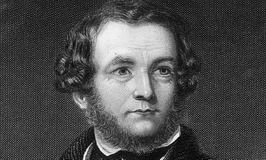 Thomas Simpson
Murderer · USA · 1840
Thomas Simpson was fatally shot at a wilderness camp in the U.S. territory of M…
2 victims
Thomas Simpson
Murderer · USA · 1840
Thomas Simpson was fatally shot at a wilderness camp in the U.S. territory of M…
2 victims
 Feltus Taylor
Murderer · USA · 1991
Feltus Taylor, Jr. was an American murderer who was executed by the state of Lo…
1 victim
Feltus Taylor
Murderer · USA · 1991
Feltus Taylor, Jr. was an American murderer who was executed by the state of Lo…
1 victim
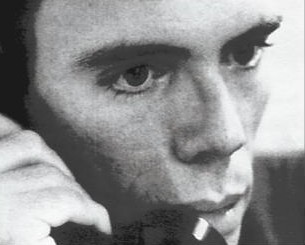 Timothy Dale Bunch
Murderer · USA · 1982
Timothy Dale Bunch was convicted by jury trial and sentenced to death for murde…
1 victim
Timothy Dale Bunch
Murderer · USA · 1982
Timothy Dale Bunch was convicted by jury trial and sentenced to death for murde…
1 victim
 John Glenn Moody
Murderer · USA · 1988
Name: John Glenn Moody · Sentence status: Executed by lethal injection in Texas…
1 victim
John Glenn Moody
Murderer · USA · 1988
Name: John Glenn Moody · Sentence status: Executed by lethal injection in Texas…
1 victim
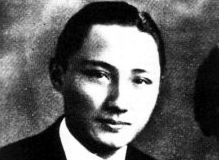 Miao Chung-yi
Murderer · United Kingdom · 1928
Chung Yi Miao was an American Chinese with a doctorate in law. He was 28 years…
1 victim
Miao Chung-yi
Murderer · United Kingdom · 1928
Chung Yi Miao was an American Chinese with a doctorate in law. He was 28 years…
1 victim
- Gender
- male
- Country
- —
- Location
- —
- Date of birth
- 1805/1806?
- Age at first offence
- 42
- Characteristics
- robbery, arson, mutilation
- Victim profile
- Lieutenant Robert Snow, his wife, and their baby daughter Mary
- Method of murder
- Tomahawked and stabbed to death Loca tion : Devonport, Auckland, N ew Zealand
- Date(s) of murder
- October 22, 1847
- Years active
- 1847
- Date of arrest
- —
- Status
-
Executed
Executed by hanging on June 17, 1848
Case record: Joseph Burns
Background
Joseph Burns (1805/1806?–1848) was born in Liverpool, England, in 1805 or 1806 of Irish parents. He joined the Royal Navy as a ship's carpenter at about the age of 20 and arrived at the Bay of Islands, New Zealand, on the Buffalo in 1840.
On 28 July the ship was wrecked at Mercury Bay, and Burns took his discharge. He was then employed by the government. He later moved to Auckland and his first employment there was with a local boatbuilder.
Burns won a reputation for heavy drinking. He maintained that the drinking was necessary to dull the pain of severe headaches caused by head injuries he had suffered previously in a fall from a mast.
Burns and Margaret Reardon, a married woman separated from her husband, lived in a shack Burns had built in Mechanics Bay. Two sons resulted from this liaison.
In 1845 Burns worked in a market garden until he was dismissed for assaulting the foreman. Settlers were reluctant to employ him, but he finally found work on the North Shore as a farm labourer for James Harp.
Early in 1847 Harp dismissed Burns for stealing and butchering his stock. Burns was evicted from the farm cottage and subsequently built a rough dwelling for his family at Shoal Bay. They survived on what Burns earned in casual labour for the chief Patuone, supplemented by vegetables grown by Margaret Reardon.
The offence
On 22 October 1847 Burns, desperate for money, murdered Lieutenant Robert Snow, his wife, and their daughter for the sake of £12 in naval pay kept in their house.
The bodies were mutilated to suggest a Maori attack, and the house was burned. Maori camped in the vicinity were suspected but, at the inquest, Dr John Johnson, coroner, returned a verdict of murder by person or persons unknown.
The violence left at least one child away from the house at the time and able to survive.
Investigation
The case raised fears of an imminent Maori attack on Auckland. An inquest was held and Dr John Johnson, coroner, returned a verdict of murder by person or persons unknown.
Able Seaman Thomas Duder testified that he had seen the cottage on fire from the signal station and had also seen two Maori canoes nearby. He also helped identify the Snows’ bodies.
Lt. Snow was alleged to have had run-ins with local Maoris and one had threatened to burn down his cottage.
The searchers found burnt and mutilated bodies of Lt. Snow, his wife, and their baby daughter Mary after the wreckage was sifted through following the fire. The bodies were described as brutally tomahawked and stabbed before the house was set on fire.
Events leading to arrest and trial
Margaret Reardon left Burns as a result of the murders. She took the children to her sister, Sophia Aldwell, in Shortland Crescent.
Burns joined the naval steamer Inflexible, which departed for Australia on 6 November 1847 and returned to Auckland on 11 December.
On 28 December he visited Margaret Reardon to persuade her to marry him so she could not be compelled to give evidence against him; she refused.
In a drunken fury he savagely attacked her and then attempted suicide. He was arrested.
Trial
Burns was at the Supreme Court criminal sessions on 1 March 1848. He was convicted of grievous bodily harm and sentenced the following day to transportation for life.
Burns was now fearful that Margaret Reardon would implicate him in the Snow murders. He asked her to visit him with the two boys and coerced her into backing up a false confession in which he accused Thomas Duder and William Oliver, his former shipmates from the Buffalo, of the crime. The two accused were exonerated after Burns retracted.
On 1 June he was charged with murder and accused Margaret Reardon, the chief prosecution witness, of inciting him to make the false confession.
Margaret Reardon admitted perjury and recounted the true sequence of events.
Burns was pronounced guilty of wilful murder by Chief Justice William Martin and sentenced to hang.
Sentencing and execution
On 17 June 1848, having made a full confession, which unfairly implicated Margaret Reardon, Burns was taken under escort from the gaol, across the harbour to the site of his crime, and hanged before a large crowd of settlers and Maori. He was the first European in the colony to be executed for a capital crime.
Aftermath
In September 1848 Margaret Reardon was convicted of perjury and sentenced to seven years' transportation.
Timeline
- 1840 — Burns arrived at the Bay of Islands, New Zealand, on the Buffalo.
- 28 July — The Buffalo was wrecked at Mercury Bay; Burns took his discharge.
- 1845 — Burns was dismissed from a market garden for assaulting the foreman.
- Early 1847 — James Harp dismissed Burns for stealing and butchering his stock.
- 22 October 1847 — Burns murdered Lieutenant Robert Snow, his wife, and their daughter for £12 in naval pay kept in their house; the bodies were mutilated to suggest a Maori attack and the house was burned.
- 6 November 1847 — The naval steamer Inflexible departed for Australia.
- 11 December 1847 — Inflexible returned to Auckland.
- 28 December — Burns visited Margaret Reardon to persuade her to marry him; she refused; he attacked her and attempted suicide.
- 1 March 1848 — Burns was at the Supreme Court criminal sessions and was convicted of grievous bodily harm.
- 2 March 1848 — Burns was sentenced to transportation for life.
- 1 June 1848 — Burns was charged with murder and accused Margaret Reardon of inciting him to make the false confession.
- 17 June 1848 — Burns made a full confession and was taken under escort from the gaol across the harbour to the site of his crime, where he was hanged.
Other details
People and relationships
- Margaret Reardon: a married woman separated from her husband; cohabited with Burns in a shack in Mechanics Bay; left Burns after the murders; admitted perjury; was later convicted of perjury and sentenced to seven years’ transportation.
- Sophia Aldwell: Margaret Reardon’s sister; received the children taken from Burns in Shortland Crescent.
- Robert Snow: naval lieutenant and victim of the triple murder; his wife and their baby daughter Mary were also victims.
- Thomas Duder: Able Seaman; testified about seeing the cottage on fire and seeing two Maori canoes; helped identify the Snows’ bodies; was falsely accused by Burns in a coerced false confession and was exonerated after Burns retracted.
- William Oliver: former shipmate from the Buffalo; was falsely accused by Burns in a coerced false confession and was exonerated after Burns retracted.
- Dr John Johnson: coroner who returned a verdict of murder by person or persons unknown at the inquest.
- Chief Justice William Martin: pronounced Burns guilty of wilful murder and sentenced him to hang.
- James Harp: employer who dismissed Burns in early 1847 for stealing and butchering his stock.
- Patuone: chief for whom Burns did casual labour after being evicted from the farm cottage.
- Benjamin Baker: ship's quartermaster who was on watch duty and spotted the fire around 1am.
- Thomas Duder and William Oliver are named as part of the coerced false confession context.
- Hannah: Lt. Snow’s wife.
Additional narrative details preserved
On Friday, October 22, 1847, the ship named HMS Dido was anchored off the North Shore. Benjamin Baker, the ship's quartermaster, spotted a fire on the North Shore Naval Base at around 1am and reported it to his Captain, who ordered they go ashore with a crew to assist if needed. They found Lt. Snow's cottage ablaze, could not vanquish the flames, and saw no sign of the occupants. After the flames died down, the wreckage was sifted through and the bodies were found.
At the site of the execution, a scaffold was built over the site of the crime, a practice afforded highwaymen in England.
Burns’ statement included that he “paid too much attention to bad women and drink.”

Spotted an error, or have more information about this case?