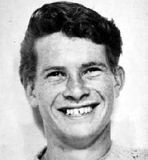
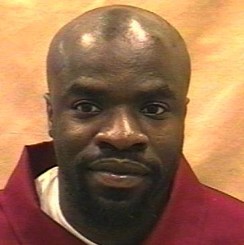
Leigh Robinson
Murderer Keith Faure
Murderer · Australia · 1976
Keith George Faure was born in June 1951. He was an Australian career criminal…
4 victims
Keith Faure
Murderer · Australia · 1976
Keith George Faure was born in June 1951. He was an Australian career criminal…
4 victims
 James Beauregard-Smith
Murderer · Australia · 1977
James Beauregard-Smith James George Beauregard-Smith was an Australian offender…
3 victims
James Beauregard-Smith
Murderer · Australia · 1977
James Beauregard-Smith James George Beauregard-Smith was an Australian offender…
3 victims
 Allan Baker
Murderer · Australia · 1973
Allan Baker was convicted with Kevin Crump for the murder of Ian James Lamb and…
2 victims
Allan Baker
Murderer · Australia · 1973
Allan Baker was convicted with Kevin Crump for the murder of Ian James Lamb and…
2 victims
 Kevin Crump
Murderer · Australia · 1973
Kevin Crump and Allan Baker were convicted of raping and murdering Ian James La…
2 victims
Kevin Crump
Murderer · Australia · 1973
Kevin Crump and Allan Baker were convicted of raping and murdering Ian James La…
2 victims
 Leonard Keith Lawson
Murderer · Australia · 1961
Leonard Keith Lawson (b. 16 August 1927) was a commercial artist and photograph…
2 victims
Leonard Keith Lawson
Murderer · Australia · 1961
Leonard Keith Lawson (b. 16 August 1927) was a commercial artist and photograph…
2 victims
 Billy Wayne Waldrop
Murderer · USA · 1982
Name: Billy Wayne Waldrop · Case: United States Court of Appeals for the Eleven…
1 victim
Billy Wayne Waldrop
Murderer · USA · 1982
Name: Billy Wayne Waldrop · Case: United States Court of Appeals for the Eleven…
1 victim
 John Wayne Conner
Homicide · USA · 1982
John Wayne Conner John Wayne Conner was sentenced to death in July 1982. · Janu…
1 victim
John Wayne Conner
Homicide · USA · 1982
John Wayne Conner John Wayne Conner was sentenced to death in July 1982. · Janu…
1 victim
 Lizzie Lloyd King
Murderer · USA · 1873
Elizabeth “Lizzie” Lloyd King (born 1847) was accused of murdering Charles Good…
1 victim
Lizzie Lloyd King
Murderer · USA · 1873
Elizabeth “Lizzie” Lloyd King (born 1847) was accused of murdering Charles Good…
1 victim
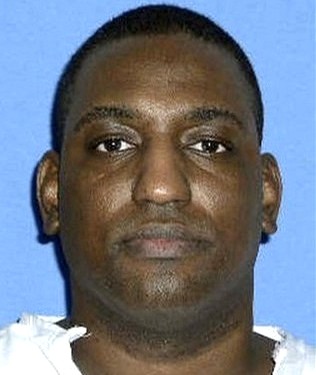 Allen Winslow Bridgers
Murderer · 1997
Allen Winslow Bridgers (also listed as Allen W. Bridgers and Allen Winslow Brid…
1 victim
Allen Winslow Bridgers
Murderer · 1997
Allen Winslow Bridgers (also listed as Allen W. Bridgers and Allen Winslow Brid…
1 victim
 John Albert Hinchey
Murderer · USA · 1985
Defendant: John Albert Hinchey · Victim: Tammy (17-year-old daughter of Hinchey…
1 victim
John Albert Hinchey
Murderer · USA · 1985
Defendant: John Albert Hinchey · Victim: Tammy (17-year-old daughter of Hinchey…
1 victim
 Mark Bridger
Murderer · United Kingdom · 2012
Mark Bridger was convicted of abduction and murder of April Jones, and of perve…
1 victim
Mark Bridger
Murderer · United Kingdom · 2012
Mark Bridger was convicted of abduction and murder of April Jones, and of perve…
1 victim
- Gender
- male
- Country
- Australia
- Location
- Melbourne, Victoria, Australia
- Date of birth
- 1948
- Age at first offence
- 20
- Characteristics
- convicted rapist
- Victim profile
- Valerie Ethel Dunn, 17 (his former girlfriend) / Tracey Greenbury, 33 (his former girlfriend)
- Method of murder
- St abbing with knife / Shooting (12-gauge shotgun)
- Date(s) of murder
- June 8, 1968 / April 28, 2008
- Years active
- 1968–2008
- Date of arrest
- Same day
- Status
-
Life imprisonment
Sentenced to death on November 28, 1968; commuted to 30 years’ hard labour in 1969; released in 1983; sentenced to life imprisonment without parole on January 28, 2010
Background
Leigh Robinson murdered Valerie Dunn, his teenage girlfriend, in 1968. He was originally sentenced to death for her murder. The death sentence was commuted to 30 years’ hard labour, and Robinson served just 15 years before being released on parole.
In April 2008, the murder of another girlfriend took place. Tracey Greenbury, who was 33 years old, was shot with a shotgun as she cowered in her neighbour’s doorway after an argument.
Robinson was described in court as having pursued Tracey into her neighbour’s house and shot her at point-blank range. He was sentenced to life imprisonment without parole.
Robinson had previously been involved in sexual offences. His former stepdaughter Louise Lesser said she hoped he would "just rot behind bars". Louise Lesser said she was 13 when Robinson, then her stepfather, first assaulted her. She said she was repeatedly raped and sexually assaulted by Robinson for five years. She also said Robinson threatened to kill her if she told anyone, saying, "if you go to the police, I'll kill you". Louise Lesser told reporters, "I'd had enough," and said it was "frightening" and that she used to sleep with a knife under her bed hoping one day she would have the guts to do something, including scream. Louise Lesser also said, "I miss my Mum, I miss her every day. All I wanted was my Mum. He's destroyed that."
Louise Lesser said her complaints and Robinson’s conviction alienated her from her mother, Gina. She said she endured Robinson’s assaults and remained in the house because of loyalty to her family, telling the court and media: "It was for my mum. I idolised her," and "I loved her and I loved my family." She said that most days were good but that at night "it was all different". She said she could not bring girlfriends over because he would make rude remarks or touch them.
Louise Lesser said she was in Tasmania in April 2008 when Robinson killed Tracey Greenbury and that a family member advised her to stay there. She said, "While Leigh was out of jail I constantly lived in fear that he was coming to kill me," and "You can get on with it, but you never get over it," adding, "You can get on with it, but you never get over it,".
Paula Dunn, who was listening to radio news bulletins, said: "I was in the kitchen and fainted". She said she then rang sisters Pam and Barbara and other family members, including her own children.
Des Grewar, Tracey’s former partner in the earlier murder case (valerie Dunn’s boyfriend), said: "I loved her and I'm pretty sure she loved me." He also said of continuing pain: "It'll never go away. It's something you carry for life," describing his scars. Des said: "I wanted revenge," and said he wanted to do everything he could to make sure Robinson stayed in prison or was hanged. He said he tried to get Robinson charged with attempted murder, including going to Russell Street (police headquarters). He said, "For years that's what I wanted to do. But life changes. I just got on with it," and said: "They should have hanged him there and then." Harold Dunn said: "They should have hanged him there and then."
Max Greenbury, Tracey’s father, said outside court: "He's gone now, he's never going to be released." His wife Pam added: "He'll never hurt anyone ever again." They hugged outside court as they spoke of their joy at the result. A supporter yelled: "It's all over, just remember that."
Justice Simon Whelan stated at sentencing that Tracey Greenbury "had been terrified and posed no threat to Robinson." He also said Robinson was "Motivated by annoyance at some aspects of your relationship with her" and that Robinson "chased her down a suburban street in broad daylight ... carrying a loaded and cocked shortened shotgun,'' and that "When you caught her you callously shot her in the back of the head as she was attempting to crawl away from you before the eyes of her petrified neighbour." Justice Whelan also said: "You have now taken the lives of two women who were in a relationship with you and have deeply damaged the lives of all of those who were close to them." He further said: "There is a pressing need to permanently protect the community from you.''
The offence
Murder of Valerie Dunn (1968)
In the afternoon of the day of the murder, Harold asked Leigh Robinson to drop some materials off at Margot St in his car and then return to collect him. Robinson never made it back.
Around 4pm, Robinson pulled up outside the Dunn family home. Valerie Dunn and her boyfriend, Des Grewar, were inside.
Robinson said he asked Valerie if she would go out with him and that she asked where they would be going. He told police he said: "Down to the Golden Bowl (a tenpin bowling venue) because I haven't got any money," and that Valerie "just pulled a face of not wanting to go to that sort of thing." He said: "What, aren't you coming out now?" and that she said her favourite saying: 'I don't know'. He said: "Then I said: 'What, aren't you coming out now?' " and that "She then said her favourite saying: 'I don't know'. "He said: "That used to get under my skin because every time you asked her something, she said: 'I don't know'. " "She gave me another of those looks and that's when it happened. "I was going to slap the look off her face, but I just grabbed the knife and swung it."
Valerie fell to the floor holding her side after being stabbed. Robinson told police that he went down to pick her up and that she was yelling out 'Help' and that Des came in. Robinson said: "He was yelling and I jumped up and Des shot out of the place then, and Valerie got up and tried to follow him. "And I tried to grab her. I didn't want her to go and to stop her I struck her a couple more times with the knife."
Des Grewar described what he saw and said he was in the lounge when he heard Valerie screaming and calling his name, and said she was also "screaming out Leigh's name,". Des said he raced into the kitchen and that he saw Leigh stabbing Valerie with a knife and that he was stabbed in the stomach. Des said: "Val half picked herself up off the floor and I helped her and we made for the front door. "While I was getting the door open Leigh got Val then. He was stabbing her in the back, in the hallway. "He was still stabbing Val and immediately after that I went out through the door. "I went to one of the neighbour's places. I looked back and Leigh was standing at the end of the driveway." Des said Robinson did not utter a word during the attack.
Robinson told police he had stumbled over Valerie in the hallway and that she was crying and called his name once. He said he then kissed her and that he "didn't know what to do" and that she was "crying and rolling on the floor" and he "just shot out the door." He said he jumped into Harold's car and drove around the corner into Waverley Rd, where he got out and tried to ring Valerie's house from a public phone box but could not get through.
Robinson was later said to have stabbed Valerie twice in the front and 14 times in the back with a black, long-handled kitchen knife. The attack on Valerie Dunn in her home in Margot St, Chadstone occurred on June 8, 1968. Des Grewar was also knifed in the frenzied attack. Robinson was then 20 and was arrested six hours later. Robinson pleaded not guilty to murder.
Robinson was never charged with attempted murder of Des Grewar.
Robinson headed to a friend’s house in Devon Meadows and confessed to the stabbings. The friend then accompanied him to police at Cranbourne where he gave himself up and handed over the murder weapon.
In November 1968, Robinson pleaded not guilty to murder despite evidence by Des Grewar and Ray Patterson.
Murder of Tracey Greenbury (2008)
On a cold, wet April morning in 2008, Robinson killed Tracey Greenbury.
Louise Lesser said that in the week before she was murdered, Max Greenbury had recalled how Tracey told him Robinson had viciously assaulted her in his caravan. Max said Tracey told him: "Dad, he held a gun to my head."
A week later, Robinson made good his threat. He aimed a 12-gauge shotgun at Tracey’s head and pulled the trigger at point-blank range. Tracey was 34 at the time of the sentencing report and 33 at the time described in the sentencing narrative.
Justice Simon Whelan said Robinson chased Tracey down a suburban street "in broad daylight" while carrying a "loaded and cocked shortened shotgun". Whelan stated that Robinson chased her into her neighbour’s doorway and that "When you caught her you callously shot her in the back of the head as she was attempting to crawl away from you before the eyes of her petrified neighbour."
Robinson was found guilty of murdering Tracey with a single shotgun blast to the back of her head. The sentencing occurred after Robinson had pursued Tracey into her neighbour’s house then shot her at point-blank range.
Investigation
Robinson had been arrested after a firearm incident in his car around the same time as the period described before Valerie’s murder. Harold Dunn, by police request, approached Robinson and persuaded him to hand over his gun.
In a police statement, a friend recounted a terrifying incident two months earlier when Robinson chased them in his car at high speed. The friend said: "When we got to my house Leigh Robinson got out of his car and spoke to my mother," and that he said: "He said 'I will kill anyone who gets in the way', and he dragged Val into his car and drove off."
Robinson’s interview with homicide detectives occurred six hours after Valerie’s murder. Robinson blamed the break-up on "every bastard who stuck their nose in". In the interview, he named one of Valerie’s close friends.
After Valerie’s murder, Robinson confessed to the stabbings at a friend’s house in Devon Meadows and then was taken to police at Cranbourne where he handed over the murder weapon.
Detective Sen-Sgt Rowland Legg was involved during Robinson’s custody after the 2008 murder, when Robinson mumbled to Det Sen-Sgt Rowland Legg: "Yeah, you could say that," and said, "If they'd hanged me, she'd still be alive." The narrative also states that Tracey Greenbury’s death warrant had been signed six years before she was born.
Robinson also rang Detective Roy Cooke, who he knew from a previous criminal matter, after trying to call from a public phone box.
Arrest
For Valerie Dunn’s murder, Robinson was arrested six hours after the June 8, 1968 attack.
After Tracey Greenbury’s murder, Robinson was in custody and was described as handcuffed in the back seat of a police car.
The narrative describes that Robinson pleaded not guilty to murder for Valerie Dunn and that he was later sentenced.
Trial
Valerie Dunn (1968)
In November 1968, Robinson pleaded not guilty to murder. A Criminal Court jury found him guilty and Justice George Lush sentenced him to death.
Ray Patterson and Des Grewar provided evidence used at trial.
Robinson later had his death sentence commuted by state Cabinet to 30 years’ hard labour after a mercy plea to the Bolte state government.
Tracey Greenbury (2008)
Robinson pleaded not guilty to murdering Ms Greenbury with a single shotgun blast to the back of her head.
Robinson was found guilty in September of murdering Ms Greenbury.
At sentencing, Supreme Court Justice Simon Whelan sentenced Robinson to life in jail without parole. The sentencing announcement was followed by supporters’ applause.
Sentencing
Valerie Dunn (1968)
Robinson was sentenced to death by Justice George Lush. The sentence was commuted by state Cabinet to 30 years’ hard labour after a mercy plea to the Bolte state government.
The death sentence was commuted to 30 years in prison in May 1969.
Robinson served 15 years.
Tracey Greenbury (2008)
On January 28, 2010, Robinson was sentenced to life imprisonment without parole.
Justice Simon Whelan made remarks including:
"Motivated by annoyance at some aspects of your relationship with her, you chased her down a suburban street in broad daylight ... carrying a loaded and cocked shortened shotgun,'' Justice Whelan said.
"When you caught her you callously shot her in the back of the head as she was attempting to crawl away from you before the eyes of her petrified neighbour. "
"You have now taken the lives of two women who were in a relationship with you and have deeply damaged the lives of all of those who were close to them. "
"There is a pressing need to permanently protect the community from you.''
Appeals
No appeal information was provided in the material.
Outcome
Robinson’s death sentence from the 1968 murder was commuted to 30 years’ hard labour and he was released in 1983.
For Tracey Greenbury’s murder, Robinson was sentenced to life imprisonment without parole on January 28, 2010 after being found guilty in September.
Louise Lesser said she hoped he would "just rot behind bars".
Aftermath
After his release in 1983, Robinson established a relationship with a mother of five whom he met while she taught prisoners how to make soft toys. One of her daughters was Louise Lesser.
Louise Lesser said that Robinson raped and indecently assaulted her in her own bed until she left home at 18, and that she then complained to police. She said: "I'd had enough," and said it was "frightening." She said she used to sleep with a knife under her bed hoping one day she would have the guts to do something, even scream, but "that moment never came."
Louise Lesser said she contacted the police because of what Robinson did to her and that she chose to reveal her identity. She said: "I have nothing to hide and I want people to know what he did to me,".
Louise Lesser said her crucial evidence put Robinson behind bars for five years in November 1994 for raping and sexually molesting her and another under-age girl.
The narrative states that Robinson had three months added to his term after his escape from the Morwell River minimum-security prison with the help of Colleen Thompson, his fiancée at the time. Their relationship had started as pen friends and blossomed when the mother of four visited him in Pentridge. It says Robinson tried several times to marry Thompson while serving his sentence, but each request was ignored by prison management. They were arrested after 24 hours, and Robinson had three months added to his term while Thompson received a good behaviour bond.
Robinson went back inside in 1991 for two years after pleading guilty to 14 counts of receiving stolen goods, including one burglary and two counts of unlawful possession.
In 1993, Robinson married Gena, a mother of five he met while serving time for Valerie Dunn’s murder. She taught prisoners how to make stuffed toys. The narrative says they started living together soon after his release and that they tied the knot after Robinson had been charged with sex offences dating back to 1987. In 1994, he was convicted and sentenced to five years. During the sentence, Tracey Greenbury gave birth to her first child, Harley, and would have another child, Jamie-Lee.
The narrative also describes Jeffrey Greenbury, and that in 1996 he murdered a 70-year-old man in a Seaford caravan park. Jeffrey served 10 years.
Robinson’s brief marriage to Gena ended after his release for Tracey Greenbury’s murder.
The narrative states Robinson phoned Gena while on the run after murdering Tracey Greenbury and that she had since been to prison to see him a number of times.
After Gena, Robinson had girlfriends and got a job carting chickens. He found digs in an old caravan and annex on the Pearcedale property of his trucking boss and was known to workmates as "Big Leigh".
Max Greenbury remembered what Tracey told him in the week before her murder, including that Robinson held a gun to her head.
Other details
People and relationships
Valerie Dunn was described as a sweet 17-year-old shop assistant. She had a boyfriend, Des Grewar.
Tracey Greenbury was described as a mother-of-two and as 33 years old in the sentencing narrative.
Tracey Greenbury’s neighbours and family members included Max Greenbury, Pam Greenbury, and supporters of Tracey in court. The narrative also included Jeffrey Greenbury, Tracey’s brother, and said Jeffrey was also a convicted murderer.
Louise Lesser was described as Robinson’s former stepdaughter and as a victim of sexual assaults by Robinson over five years beginning when she was 13. She later said she told police.
Gina was described as Louise Lesser’s mother and as a person who married Robinson before his conviction.
Gwendoline Helen Robinson divorced William George Robinson in June 1952 when Leigh was 4.
Ray Patterson was described as a witness who spoke of Robinson’s darker side, including an incident where Robinson kicked in the back window of a parked car, climbed in, and ripped the radio out of the dashboard, and also syphoned petrol from parked cars.
Harold Dunn told police he initially had no objection to Robinson seeing his daughter and that he was aware of turbulence in the relationship and Robinson’s anti-social behaviour. Harold Dunn worked with Robinson part-time as a carpet layer and provided bail money that was never repaid.
Robinson left school at 13 and his expulsion was from Oakleigh High School. The narrative says he had a high IQ but also a troubled personality. It also says he never knew his father.
Prior criminal history and incarceration details (as stated)
The narrative states that Robinson was convicted and sentenced to death for Valerie Dunn’s murder, commuted to 30 years’ imprisonment. It says he served just 15 years and was released.
It further states that Robinson was behind bars for theft, and later for rape and indecent assaults of two underage girls, with Justice Tony Smith acknowledging suffering as outlined in victim impact statements. It says the judge told Robinson:
"As might be expected, they (both) suffered much psychological trauma as a result of what you did. "
"Some of the effects of which persist down to the present time, and I fear may well last into the foreseeable future."
Justice Tony Smith accused Robinson of a "gross betrayal of the trust given to you as a father figure of Louise". The judge also accepted that Louise’s stated psychological problems—including "sleepless- ness, fear, drug and alcohol abuse, depression and even thoughts of suicide"—were the result of the sexual assaults.
Performing arts and character evidence
The narrative states Robinson’s time behind bars was spent mostly at Pentridge in A Division, where he became heavily involved in the performing arts.
It states Robinson established a strong bond with TV star Gil Tucker, who was described as Constable Roy Baker in the Cop Shop series. It says Tucker gave character evidence when Robinson was in court for theft and then for the rape and indecent assaults of two underage girls. It also states Tucker visited Robinson’s home and Tucker was a guest at Robinson’s wedding.
Escape
The narrative states Robinson escaped from Morwell River minimum-security prison with help from Colleen Thompson, his fiancée at the time. It says they were arrested after 24 hours. Robinson had three months added to his term; Thompson received a good behaviour bond.
Spotted an error, or have more information about this case?