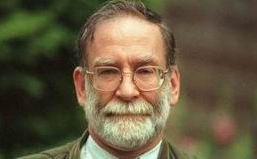
Dr. Harold Shipman
Serial killer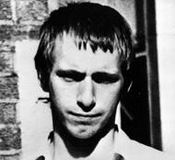 Bruce Lee
Serial killer · United Kingdom · 1973
Bruce Lee was born Peter George Dinsdale in 1960. He later changed his name to…
26 victims
Bruce Lee
Serial killer · United Kingdom · 1973
Bruce Lee was born Peter George Dinsdale in 1960. He later changed his name to…
26 victims
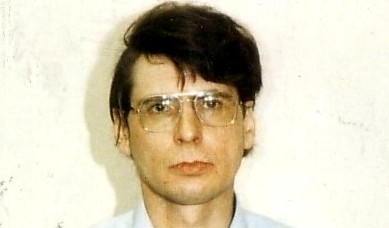 Dennis Nilsen
Serial killer · United Kingdom · 1978
Dennis Andrew Nilsen was born on November 23, 1945. He lived in London. He was…
16 victims
Dennis Nilsen
Serial killer · United Kingdom · 1978
Dennis Andrew Nilsen was born on November 23, 1945. He lived in London. He was…
16 victims
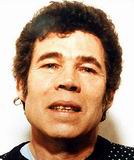 Frederick West
Serial killer · United Kingdom · 1967
Frederick West (29 September 1941 – 1 January 1995) was an English serial kille…
13 victims
Frederick West
Serial killer · United Kingdom · 1967
Frederick West (29 September 1941 – 1 January 1995) was an English serial kille…
13 victims
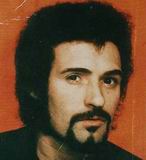 Peter Sutcliffe
Serial killer · United Kingdom · 1975
Peter William Sutcliffe (born 2 June 1946) was an English serial killer dubbed…
13 victims
Peter Sutcliffe
Serial killer · United Kingdom · 1975
Peter William Sutcliffe (born 2 June 1946) was an English serial killer dubbed…
13 victims
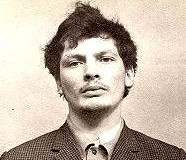 Patrick David Mackay
Serial killer · United Kingdom · 1973
Patrick David Mackay was born on September 25, 1952, in England. He was the son…
11 victims
Patrick David Mackay
Serial killer · United Kingdom · 1973
Patrick David Mackay was born on September 25, 1952, in England. He was the son…
11 victims
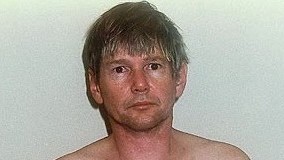 Peter Dupas
Serial killer · Australia · 1997
Peter Norris Dupas was an Australian serial killer known for violence against w…
6 victims
Peter Dupas
Serial killer · Australia · 1997
Peter Norris Dupas was an Australian serial killer known for violence against w…
6 victims
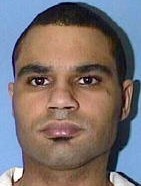 Marcus Bridger Cotton
Murderer · USA · 1996
Marcus Bridger Cotton was convicted of capital murder and sentenced to death fo…
1 victim
Marcus Bridger Cotton
Murderer · USA · 1996
Marcus Bridger Cotton was convicted of capital murder and sentenced to death fo…
1 victim
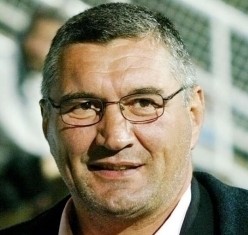 Marc Cécillon
Murderer · France · 2004
Marc Cécillon was a former French rugby union player who captained the national…
1 victim
Marc Cécillon
Murderer · France · 2004
Marc Cécillon was a former French rugby union player who captained the national…
1 victim
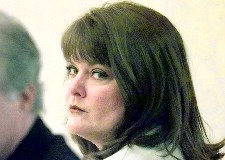 Susan Eubanks
Murderer · USA · 1996
Susan Dianne Eubanks, also referred to as Susan Eubanks, was convicted by a jur…
4 victims
Susan Eubanks
Murderer · USA · 1996
Susan Dianne Eubanks, also referred to as Susan Eubanks, was convicted by a jur…
4 victims
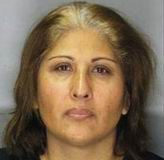 Shajia Ayobi
Murderer · USA · 2011
Shajia Ayobi was married to Ghulam Ayobi in an arranged marriage in 1993. She s…
1 victim
Shajia Ayobi
Murderer · USA · 2011
Shajia Ayobi was married to Ghulam Ayobi in an arranged marriage in 1993. She s…
1 victim
- Gender
- male
- Country
- United Kingdom
- Location
- West Yorkshire/Greater Manchester, England, United Kingdom
- Date of birth
- January 14, 1946
- Age at first offence
- 28
- Characteristics
- poisoner, nurse
- Victim profile
- Marie West, 81 / Irene Turner, 67 / Lizzie Adams, 77 / Jean Lilley, 59 / Ivy Lomas, 63 / Muriel Grimshaw, 76 / Marie Quinn, 67 / Kathleen Wagstaff, 81 / Bianka Pomfret, 49 / Norah Nuttall, 64 / Pamela Hillier, 68 / Maureen Ward, 57 / Winifred Mellor, 73 / Joan Melia, 73 / Kathleen Grundy, 81 (patients)
- Method of murder
- Poisoning (lethal injections of diamorphine)
- Date(s) of murder
- 1974-1975 / 1977-1998
- Years active
- 1974–1998
- Date of arrest
- September 7, 1998
- Status
-
Died in custody
Found guilty of 15 murders; sentenced to life imprisonment with a recommendation that he never be released; committed suicide by hanging himself in his cell at Wakefield Prison in West Yorkshire on January 13, 2004
Case overview
Harold Fredrick Shipman was an English doctor who was convicted as a serial killer. He was found guilty of 15 murders. The jury convicted him on January 31, 2000, and the judge sentenced him to life imprisonment with a recommendation that he never be released. Shipman died on January 13, 2004, after committing suicide by hanging himself in his cell at Wakefield Prison in West Yorkshire.
Timeline
- 21 June 1963 — Shipman’s mother died of cancer.
- 14 January 1946 — Harold Fredrick Shipman was born.
- 1970 — Shipman graduated from Leeds School of Medicine.
- 1974 — Shipman took a position as a general practitioner (GP) at the Abraham Ormerod Medical Centre in Todmorden, West Yorkshire.
- 1975 — Shipman was caught forging prescriptions of pethidine for his own use; he was fined £600 and briefly attended a drug rehabilitation clinic in York.
- 1977 — Shipman became a GP at the Donneybrook Medical Centre in Hyde, Greater Manchester.
- 1993 — Shipman founded his own surgery on Market Street in Hyde.
- 1983 — Shipman was interviewed on the Granada television documentary World in Action on how the mentally ill should be treated in the community.
- March 1998 — Dr. Linda Reynolds of the Brooke Surgery in Hyde expressed concerns to John Pollard, coroner for the South Manchester District, about the high death rate among Shipman’s patients.
- 17 April 1998 — The police abandoned the investigation.
- 24 June 1998 — Kathleen Grundy was found dead at her home.
- 7 September 1998 — Shipman was arrested.
- 5 October 1999 — Shipman’s trial began at Preston Crown Court.
- 11 February 2000 — The General Medical Council formally struck Shipman off its register.
- 31 January 2000 — The jury found Shipman guilty of killing 15 patients by lethal injections of diamorphine and forging the will of Kathleen Grundy; the judge sentenced him to 15 consecutive life sentences and recommended he never be released.
- June 2003 — Shipman was moved to Wakefield Prison.
- 13 January 2004 — Shipman was discovered hanging in his prison cell at Wakefield Prison; he was pronounced dead after being discovered.
Background
Harold Fredrick Shipman was born in Nottingham, England, on 14 January 1946. He was the second of four children of Vera and Harold Shipman. His father worked as a lorry driver. His parents were devout Methodists. Shipman was particularly close to his mother, who died of cancer when he was 17. Her death involved morphine being administered at home by a doctor, and later became similar to what later was described as Shipman’s modus operandi. Shipman received a scholarship to medical school and graduated from Leeds School of Medicine in 1970.
After graduating, Shipman started work at Pontefract General Infirmary in Pontefract, West Riding of Yorkshire. In 1974, he took his first position as a general practitioner at the Abraham Ormerod Medical Centre in Todmorden, West Yorkshire. In 1975, he was caught forging prescriptions of pethidine for his own use. He was fined £600 and briefly attended a drug rehabilitation clinic in York. After work as medical officer for Hatfield College, Durham, and temporary work for the National Coal Board, he became a GP at the Donneybrook Medical Centre in Hyde, Greater Manchester, in 1977. Shipman worked in Hyde throughout the 1980s and founded his own surgery on Market Street in 1993, becoming a respected member of the community.
In 1983, Shipman was interviewed on the Granada television documentary World in Action on how the mentally ill should be treated in the community.
The offence
Shipman was described as among the most prolific serial killers in recorded history. He was found guilty of the murders of 15 patients and the forgery of the will of Kathleen Grundy. The deaths involved lethal injections of diamorphine. The trial judge sentenced him to 15 consecutive life sentences for the murders and a four-year sentence for forgery, and recommended that he never be released.
The 15 murder convictions involved the following victims, each of whom had died between 1995 and 1998: Marie West, Irene Turner, Lizzie Adams, Jean Lilley, Ivy Lomas, Muriel Grimshaw, Marie Quinn, Kathleen Wagstaff, Bianka Pomfret, Norah Nuttall, Pamela Hillier, Maureen Ward, Winifred Mellor, Joan Melia, and Kathleen Grundy.
Shipman consistently denied his guilt. His defence disputed the scientific evidence against him. His defence tried to have the murder count of Mrs Grundy tried separately from the others.
Investigation
In March 1998, Dr. Linda Reynolds of the Brooke Surgery in Hyde raised concerns to John Pollard, coroner for the South Manchester District, about the high death rate among Shipman’s patients. She was concerned about a large number of cremation forms for elderly women that Shipman had needed countersigned. She suspected Shipman was, either through negligence or intent, killing his patients. The matter was brought to the attention of the police, who were unable to find sufficient evidence to bring charges. The Shipman Inquiry later blamed the police for assigning inexperienced officers to the case.
Between 17 April 1998, when the police abandoned the investigation, and Shipman’s eventual arrest, he killed three more people. His last victim described before the arrest was Kathleen Grundy, who was found dead at her home on 24 June 1998. Shipman was the last person to see her alive and later signed her death certificate, recording “old age” as cause of death.
Kathleen Grundy’s daughter, lawyer Angela Woodruff, became concerned after being told by solicitor Brian Burgess that a will had been made, apparently by her mother, and that the will excluded her and her children and left £386,000 to Shipman. Woodruff went to the police, and the investigation followed. Grundy’s body was exhumed and was examined and found to contain traces of diamorphine. Shipman was arrested on 7 September 1998, and was found to own a typewriter of the type used to make the forged will.
After his arrest, the police investigated other deaths Shipman had certified and created a list of 15 specimen cases to investigate. The police discovered a pattern of administering lethal overdoses of diamorphine, signing patients’ death certificates, and forging medical records indicating they had been in poor health.
Arrest
Shipman was arrested on 7 September 1998. During the investigation that followed, officers found that he owned a typewriter used to make the forged will.
Trial
Shipman’s trial presided over by Mr Justice Forbes began on 5 October 1999 at Preston Crown Court.
Charges
Shipman was charged with the murders of Marie West, Irene Turner, Lizzie Adams, Jean Lilley, Ivy Lomas, Muriel Grimshaw, Marie Quinn, Kathleen Wagstaff, Bianka Pomfret, Norah Nuttall, Pamela Hillier, Maureen Ward, Winifred Mellor, Joan Melia, and Kathleen Grundy. He was also charged with forging the will of Kathleen Grundy.
Jury verdict and deliberation
On January 31, 2000, after six days of deliberation, the jury found Shipman guilty. The jury found him guilty of killing 15 patients by lethal injections of diamorphine and forging the will of Kathleen Grundy.
Trial judge
The trial judge sentenced him to 15 consecutive life sentences for the murders and recommended that he never be released. Shipman also received four years for forging the will.
Shipman’s wife Primrose was said to have been in denial about his crimes as well. Shipman never made statements about his actions and consistently denied his guilt. His defence tried, but failed, to have the count of murder of Mrs Grundy tried separately from the others.
The judge also addressed evidence issues raised during trial preliminaries. The defence made applications to halt the trial and to have separate trials, and to exclude evidence referred to in “volume eight.” Mr Justice Forbes denied each application. Proceedings were adjourned until the following Monday, October 11, 1999.
Quotations (verbatim)
District nurse Marion Gilchrist, after taking the oath, testified about Shipman’s reaction when he realized he would be arrested:
"I read thrillers and on the evidence they have I would have me guilty,"
The nurse also said Shipman remarked: "The only thing I did wrong was not having her cremated. If I had had her cremated I wouldn't be having all this trouble."
Angela Woodruff spoke about what Shipman said during discussions about her mother’s death:
"Exactly what he said was difficult to remember... It's very hazy because I was very, very upset. Dr. Shipman said he had seen (my mother) on the morning of her death. He said he had seen her at home."
The trial judge gave sentencing remarks to Shipman:
"You have finally been brought to justice by the verdict of this jury. I have no doubt whatsoever that these are true verdicts. The time has now come for me to pass sentence upon you for these wicked, wicked crimes. "
"Each of your victims was your patient. You murdered each and every one of your victims by a calculated and cold-blooded perversion of your medical skills, for your own evil and wicked purposes. "
"You took advantage of, and grossly abused their trust. You were, after all, each victim's doctor. I have little doubt that each of your victims smiled and thanked you as she submitted to your deadly ministrations."
Sentencing
On January 31, 2000, Mr Justice Forbes sentenced Shipman to 15 consecutive life sentences for the murders and recommended that he never be released. The judge also sentenced him to four years for forging the will, and described that his recommendation would be that Shipman “spend the remainder of [his] days in prison.”
The whole life tariff was confirmed by the Home Secretary David Blunkett a little over two years later.
On 11 February 2000, ten days after his conviction, the General Medical Council formally struck Shipman off its register.
Appeals
The Home Secretary David Blunkett confirmed the judge’s recommendation that Shipman never be released.
Outcome
Shipman died on January 13, 2004. He committed suicide by hanging himself in his cell at Wakefield Prison in West Yorkshire. He was discovered at 06:20 and pronounced dead at 08:10. A Prison Service statement indicated that Shipman had hanged himself from the window bars of his cell using bed sheets.
Aftermath
Following the trial, the Shipman Inquiry investigated all deaths certified by Shipman. The inquiry was chaired by Dame Janet Smith. It investigated deaths and considered that many more suspicious deaths could not be definitively ascribed. The inquiry concluded Shipman was probably responsible for about 250 deaths, and later reports suggested probable numbers including 250.
In January 2001, Chris Gregg, a senior West Yorkshire detective, was selected to lead an investigation into 22 of the West Yorkshire deaths. A report submitted in July 2002 concluded that Shipman had killed at least 215 patients between 1975 and 1998, during which he practiced in Todmorden, West Yorkshire (1974–1975) and Hyde, Greater Manchester (1977–1998).
The General Medical Council charged six doctors who signed cremation forms for Shipman’s victims with misconduct; all were found not guilty.
Shipman’s widow, Primrose Shipman, was called to give evidence during the inquiry about two deaths. She maintained her husband’s innocence both before and after the prosecution. In October 2005, a similar hearing was held against two doctors who worked at Tameside General Hospital in 1994 for failing to detect that Shipman had deliberately administered a “grossly excessive” dose of morphine.
A 2005 inquiry into Shipman’s suicide found that it “could not have been predicted or prevented,” but that procedures should nonetheless be re-examined.
It came to light in 2005 that Shipman might have stolen jewellery from his victims. Over £10,000 worth of jewellery was found in his garage in 1998. In March 2005, with Primrose Shipman pressing for jewellery to be returned, police wrote to families of Shipman’s victims asking them to identify the jewellery. Unidentified items were handed to the Assets Recovery Agency in May. In August the investigation ended with 66 pieces returned to Primrose Shipman and 33 pieces auctioned that she confirmed were not hers. The proceeds went to Tameside Victim Support. The only piece returned to a murdered patient’s family was a platinum-diamond ring, for which the family provided a photograph as proof of ownership.
A memorial garden to Shipman’s victims, called the Garden of Tranquillity, opened in Hyde Park (Hyde) on 30 July 2005.
Media and popular culture references included Harold and Fred (They Make Ladies Dead), a 2001 strip cartoon in Viz featuring serial killer Fred West, with extracts merchandised as a coffee mug. Shipman, a television dramatisation of the case, was made in 2002 and starred James Bolam in the title role. The case was referenced in a 2003 episode of Diagnosis: Unknown titled “Deadly Medicine” (Season 2, Episode 17). Shipman’s activities inspired an episode of the American TV series Law & Order: Criminal Intent (D.A.W.), in which police investigate a physician who killed 200 of his patients. The Fall released a song “What About Us?” in 2005, and Jonathan King released a controversial song that was reported to be in Shipman’s defence.
In September 2009, it was announced that letters written by Shipman during his prison sentence were to be sold at auction, but after complaints they were removed from sale.
Quotations (verbatim) David Blunkett commented on reactions to Shipman’s suicide:
"You wake up and you receive a call telling you Shipman has topped himself and you think, is it too early to open a bottle? And then you discover that everybody's very upset that he's done it."
Spotted an error, or have more information about this case?