Basudev Thapa
Mass murderer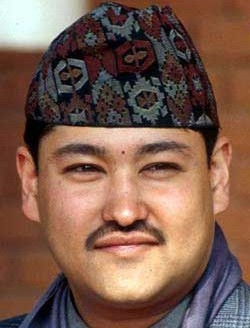 Dipendra Bir Bikram Shah
Mass murderer · Nepal · 2001
Name: Dipendra Bir Bikram Shah · Lifespan: 27 June 1971 – 4 June 2001 · Role: M…
9 victims
Dipendra Bir Bikram Shah
Mass murderer · Nepal · 2001
Name: Dipendra Bir Bikram Shah · Lifespan: 27 June 1971 – 4 June 2001 · Role: M…
9 victims
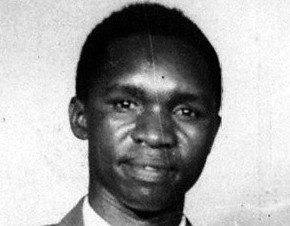 Joseph Kibweteere
Mass murderer · Uganda · 2000
Joseph Kibweteere led a breakaway sect known as the Movement for the Restoratio…
1000 victims
Joseph Kibweteere
Mass murderer · Uganda · 2000
Joseph Kibweteere led a breakaway sect known as the Movement for the Restoratio…
1000 victims
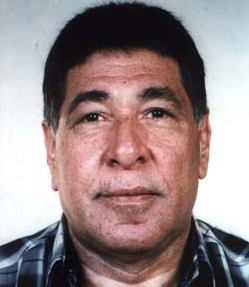 Gameel Al-Batouti
Mass murderer · USA · 1999
Gameel Al-Batouti (also rendered “Gamil ElBatouty” or “El Batouty” in U.S. offi…
216 victims
Gameel Al-Batouti
Mass murderer · USA · 1999
Gameel Al-Batouti (also rendered “Gamil ElBatouty” or “El Batouty” in U.S. offi…
216 victims
 Kim Dae-Han
Mass murderer · South Korea · 2003
Name: Kim Dae-Han · Age: 56 · Occupation/background: He was an unemployed forme…
198 victims
Kim Dae-Han
Mass murderer · South Korea · 2003
Name: Kim Dae-Han · Age: 56 · Occupation/background: He was an unemployed forme…
198 victims
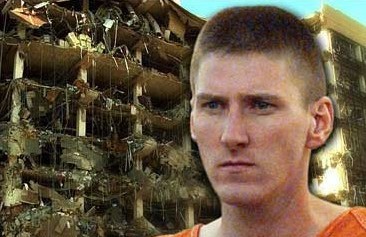 Timothy McVeigh
Mass murderer · USA · 1995
Timothy James McVeigh (April 23, 1968 – June 11, 2001) was a United States Army…
168 victims
Timothy McVeigh
Mass murderer · USA · 1995
Timothy James McVeigh (April 23, 1968 – June 11, 2001) was a United States Army…
168 victims
 Zhang Pilin
Mass murderer · China · 2002
Zhang Pilin (张丕林) died in the plane crash of China Northern Airlines Flight 613…
111 victims
Zhang Pilin
Mass murderer · China · 2002
Zhang Pilin (张丕林) died in the plane crash of China Northern Airlines Flight 613…
111 victims
 Melissa Drexler
Homicide · USA · 1997
Melissa Drexler was born in 1979 and was also known as “The Prom Mom.” She atte…
1 victim
Melissa Drexler
Homicide · USA · 1997
Melissa Drexler was born in 1979 and was also known as “The Prom Mom.” She atte…
1 victim
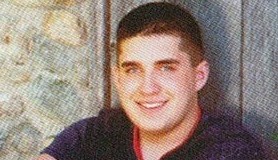 Tyler Peterson
Mass murderer · USA · 2007
Tyler Peterson committed suicide by shooting himself the same day victims. Tyle…
6 victims
Tyler Peterson
Mass murderer · USA · 2007
Tyler Peterson committed suicide by shooting himself the same day victims. Tyle…
6 victims
 The Bender family
Serial killers · USA · 1872
The Bender family was associated with serial killings in southeastern Kansas. T…
11 victims
The Bender family
Serial killers · USA · 1872
The Bender family was associated with serial killings in southeastern Kansas. T…
11 victims
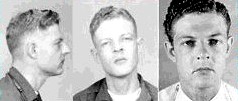 Richard Lewis Jordan
Murderer · USA · 1954
Richard Lewis Jordan was convicted of murder in Tucson, Arizona, involving the…
1 victim
Richard Lewis Jordan
Murderer · USA · 1954
Richard Lewis Jordan was convicted of murder in Tucson, Arizona, involving the…
1 victim
- Gender
- male
- Country
- Nepal
- Location
- Chihandanda, Nepal
- Date of birth
- 1979
- Age at first offence
- 26
- Characteristics
- argument
- Victim profile
- Ram Lal Nagarkoti, 40 / Nani Nagarkoti, 19 / Chola Kanta Panta / Sujan Shreshta / Aaite Tamang / Bhagwan Tamang / Dipak Tamang, 5 / Dhamai Singh Tamang, 11 / Kale Tamang / Maya Tamang / Niru Tamang
- Method of murder
- Shooting (assault rifle)
- Date(s) of murder
- December 14, 2005
- Years active
- 2005
- Date of arrest
- —
- Status
-
Died in custody
Killed during a shoot-out with his fellow soldiers the same day
Background
Off-duty RNA sergeant Basudev Thapa (वासुदेव थापा), 26, indiscriminately shot at villagers, celebrating at the Kali Devi temple in Chihandanda near Nagarkot, Nepal, with an assault rifle. The shooting was said to have been sparked by an argument between Thapa and some of the villagers.
The offence
Nearly 250 villagers were celebrating Mangsir Purnima at the Kali Devi temple in Chihandanda near Nagarkot. An argument broke out between Sergeant Basudev Thapa, stationed at the Nagarkot barrack, and youths from the nearby Pipalbot village with whom he had a long-standing enmity. When the youths began to beat him up, the allegedly drunk soldier attacked one of them with a knife.
Thapa, bruised from the fight, drove off in his motorcycle and returned to the barracks. He armed himself with an L1A1 SLR. Although he was off-duty at that time, Thapa was allowed to leave the barracks with the gun without fulfilling any formality.
After about half an hour, at 11.30 p.m., Thapa and three of his colleagues returned to the temple grounds. He fired a few shots in the air, before shooting indiscriminately at people who were trying to seek refuge within the temple from the gunman. More than 200 shots were fired.
Investigation
The official report stated that only 11 people were shot to death and 19 others wounded by the more than 200 shots fired before Thapa himself was killed. Although many initial news reports named 12 civilians killed, the official report stated 11.
According to RNA statements, Thapa committed suicide. Many witnesses said that he was killed by one of his colleagues while he was still firing at the villagers. An investigation of Thapa's body found that he died of a chest wound that could not possibly have been self-inflicted, contradicting the official version.
The next day the RNA commenced to clean the crime scene, deliberately destroying evidence, presumably in an attempt to cover up the incident. When a second rifle was found in a pool about 60 metres away from Thapa's body, questions arose if there might have been a second gunman.
Other details
Victims listed:
- Ram Lal Nagarkoti, 40
- Nani Nagarkoti, 19
- daughter of Ram Lal Nagarkoti
- Chola Kanta Panta
- Sujan Shreshta
- Aaite Tamang
- Bhagwan Tamang
- Dipak Tamang
- 5 Dhamai Singh Tamang
- 11 Kale Tamang
- Maya Tamang
- Niru Tamang
Aftermath
Human rights activists and opposition parties, as well as people from Nagarkot, demonstrated, demanding an impartial investigation and denouncing frequent human rights violations by and severe corruptness and indiscipline within the RNA.
As a response, the government formed a three-member judicial commission to investigate the incident and proposed to pay compensations of 150,000 Nepalese rupees to each of the victims' families and to bear the expenses for treating the injured. Further, the RNA established a probe committee to scrutinise the massacre.
The official report was released on January 3, 2006 and stated:
"Thapa committed suicide by shooting himself and no evidence was found of the involvement of any other person except Thapa in the incident"
The report also noted that Thapa had a history of indiscipline and obstructing work and that the leading officer of the Nagarkot barracks had failed to maintain discipline among his personnel. The report recommended compensating the victims and their families and taking care of their education and livelihood.
Victims of the massacre protested several times in Kathmandu because of the passivity of the government in providing the compensations recommended by the probe committee.
Spotted an error, or have more information about this case?