Elizabeth Broadingham
Murderer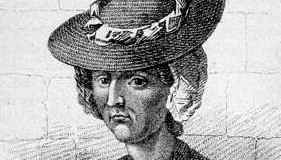 Elizabeth Brownrigg
Murderer · United Kingdom · 1767
Elizabeth Brownrigg was an eighteenth century murderer. Her victim, Mary Cliffo…
1 victim
Elizabeth Brownrigg
Murderer · United Kingdom · 1767
Elizabeth Brownrigg was an eighteenth century murderer. Her victim, Mary Cliffo…
1 victim
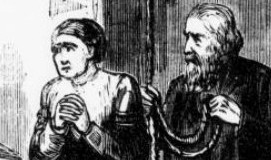 Margaret Waters
Murderer · United Kingdom · 1866
Margaret Waters was an English murderess who was hanged by executioner William…
19 victims
Margaret Waters
Murderer · United Kingdom · 1866
Margaret Waters was an English murderess who was hanged by executioner William…
19 victims
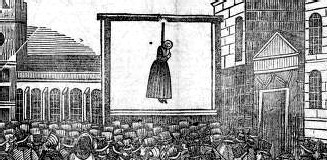 Catherine Wilson
Murderer · United Kingdom · 1854
Catherine Wilson was a British nurse who poisoned victims after befriending the…
7 victims
Catherine Wilson
Murderer · United Kingdom · 1854
Catherine Wilson was a British nurse who poisoned victims after befriending the…
7 victims
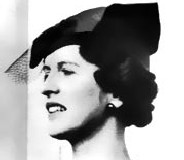 Florence Ransom
Murderer · United Kingdom · 1940
Florence Ransom was a middle-aged woman who was described as physically beautif…
3 victims
Florence Ransom
Murderer · United Kingdom · 1940
Florence Ransom was a middle-aged woman who was described as physically beautif…
3 victims
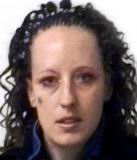 Joanna Dennehy
Murderer · United Kingdom · 2013
Name: Joanna Dennehy · March 2013 — Three murders were carried out in the Unite…
3 victims
Joanna Dennehy
Murderer · United Kingdom · 2013
Name: Joanna Dennehy · March 2013 — Three murders were carried out in the Unite…
3 victims
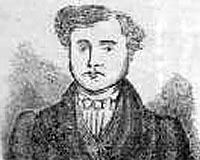 John Mapp
Murderer · United Kingdom · 1867
Name: John Mapp Catherine Lewis was the eldest of the five children of farm lab…
1 victim
John Mapp
Murderer · United Kingdom · 1867
Name: John Mapp Catherine Lewis was the eldest of the five children of farm lab…
1 victim
 Leroy Fears
Murderer · USA · 1994
Leroy Fears was 43 years old when Gov. Edward G. Rendell signed a warrant for h…
1 victim
Leroy Fears
Murderer · USA · 1994
Leroy Fears was 43 years old when Gov. Edward G. Rendell signed a warrant for h…
1 victim
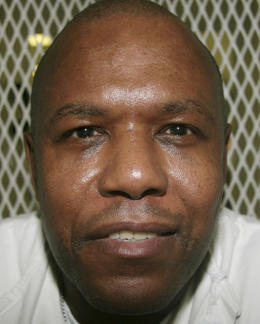 Larry Wayne Wooten
Murderer · USA · 1996
Defendant: Larry Wayne Wooten Status: Executed by lethal injection in Texas on…
2 victims
Larry Wayne Wooten
Murderer · USA · 1996
Defendant: Larry Wayne Wooten Status: Executed by lethal injection in Texas on…
2 victims
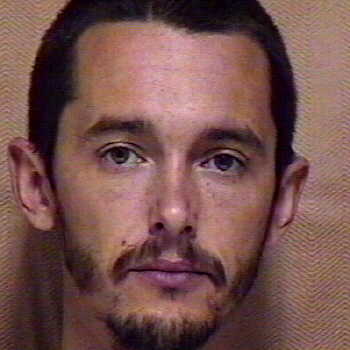 Christopher Wayne Pritchard
Murderer · USA · 1988
Christopher “Chris” W. Pritchard (born November 25, 1968) was an American man c…
1 victim
Christopher Wayne Pritchard
Murderer · USA · 1988
Christopher “Chris” W. Pritchard (born November 25, 1968) was an American man c…
1 victim
- Gender
- female
- Country
- United Kingdom
- Location
- York, North Yorkshire, England, United Kingdom
- Date of birth
- 1877
- Characteristics
- parricide, incest, abuse, motive unclear
- Victim profile
- John Broadingham (her husband)
- Method of murder
- Stabbing with knife
- Date(s) of murder
- February 13, 1776
- Years active
- 1776
- Date of arrest
- Same day
- Status
-
Executed
Executed by burnt at the stake, after having first been strangled, on March 20, 1776
Names and roles
- Elizabeth Broadingham — wife; convicted for murder of her husband John
- John Broadingham — husband of Elizabeth Broadingham; served time for smuggling; victim
- Thomas Aikney — younger man; Elizabeth Broadingham’s intimate relationship during John’s incarceration; attacker
Background
Elizabeth Broadingham had an intimate relationship with a younger man, Thomas Aikney, while her husband John was temporarily imprisoned in York Castle. During John’s incarceration, she enjoyed Thomas Aikney’s company. When John was released, Elizabeth left him and set up house with Thomas Aikney.
Elizabeth returned to John within days after later moving back in with him and then contacting Thomas. John was described as having served time for smuggling.
The offence
Elizabeth pressured Thomas Aikney to remove John permanently. Thomas resisted the pressure at first and vehemently refused to have anything to do with the idea, but after being plied with liquor and subjected to daily pestering, Thomas finally agreed to help her.
On 13 February 1776, Elizabeth slapped her husband awake and told him that there was someone knocking at the door of their York home. John went and opened the front door. Thomas Aikney rushed in and attacked John with a knife, slashing his leg and plunging the knife into John’s stomach before rushing off down the street.
John tottered after Thomas Aikney shouting “Murder! Murder!”
An additional account described neighbours coming to John’s assistance and finding him:
“in one hand the bloody instrument that he had just drawn out of his body, and the other supporting his bowels, which were dropping to the ground.”
John died the following day.
Investigation and arrest
Thomas Aikney was arrested after the knife was traced to him. He confessed. Elizabeth was promptly arrested, and both were tried and condemned.
Trial
Both Thomas Aikney and Elizabeth Broadingham were tried and condemned.
Petit treason was committed by Elizabeth by instigating the murder of her husband.
Sentencing and execution
On 20 March 1776, Thomas Aikney was hanged at York. His body was subsequently sent to the Leeds Infirmary as a surgical specimen to be used in the training of students.
Elizabeth Broadingham was tied to the stake. After the executioner had strangled her, she was burned at the stake. Her ashes were collected by some of the onlookers as souvenirs.
Timeline
- 13 February 1776 — Elizabeth Broadingham slapped John Broadingham awake and told him someone was knocking; John opened the front door; Thomas Aikney rushed in and stabbed him, leaving the knife inserted in John’s stomach; John staggered into the street shouting “Murder! Murder!”
- 8 February 1776 — Elizabeth woke her husband up and told him someone was knocking at the door; John made his way downstairs and opened the door; he was attacked by Thomas Aikney, who stabbed him in the thighs and body, finally leaving the knife inserted in the husband’s stomach before fleeing; John staggered out calling for help and neighbours found him “holding the bloody knife in one hand and the other supporting his bowels, which were dropping to the ground”
- 20 March 1776 — Thomas Aikney was hanged at York; Elizabeth Broadingham was executed by being strangled and then burnt at the stake
Other details
- John Broadingham had served time for smuggling.
- Elizabeth Broadingham tried to persuade Thomas Aikney to abandon the murdering scheme failed; Thomas tried to persuade Elizabeth to abandon the murderous scheme and to elope with him, without success.
- Elizabeth had moved back in with John and then contacted Thomas after returning.
- Thomas Aikney fled after stabbing John.
- John’s body was supported with his bowels “dropping to the ground” in the account where neighbours came to his assistance.
- John Howard, the prison reformer, visited gaols across the Continent in the 1770s and noted in his report on prisons in Stockholm that Swedish executions were by the axe, and that women were decapitated on a scaffold, with the structure afterwards being set alight at its four corners and consumed by the flames, together with the victim’s body.


Spotted an error, or have more information about this case?