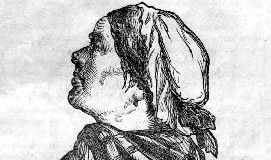
Bridget Durgan
Murderer Lydia Sherman
Murderer · USA · 1864
Lydia Sherman was also known as “The Derby Poisoner.” She was born in 1824 in B…
10 victims
Lydia Sherman
Murderer · USA · 1864
Lydia Sherman was also known as “The Derby Poisoner.” She was born in 1824 in B…
10 victims
 Martha Grinder
Murderer · USA · 1864
Martha Grinder was convicted of murder in the first degree for poisoning Mary C…
2 victims
Martha Grinder
Murderer · USA · 1864
Martha Grinder was convicted of murder in the first degree for poisoning Mary C…
2 victims
 Ann Bilansky
Murderer · USA · 1859
Ann Bilansky was executed by hanging in Minnesota on March 23, 1860 for the ars…
1 victim
Ann Bilansky
Murderer · USA · 1859
Ann Bilansky was executed by hanging in Minnesota on March 23, 1860 for the ars…
1 victim
 Lizzie Lloyd King
Murderer · USA · 1873
Elizabeth “Lizzie” Lloyd King (born 1847) was accused of murdering Charles Good…
1 victim
Lizzie Lloyd King
Murderer · USA · 1873
Elizabeth “Lizzie” Lloyd King (born 1847) was accused of murdering Charles Good…
1 victim
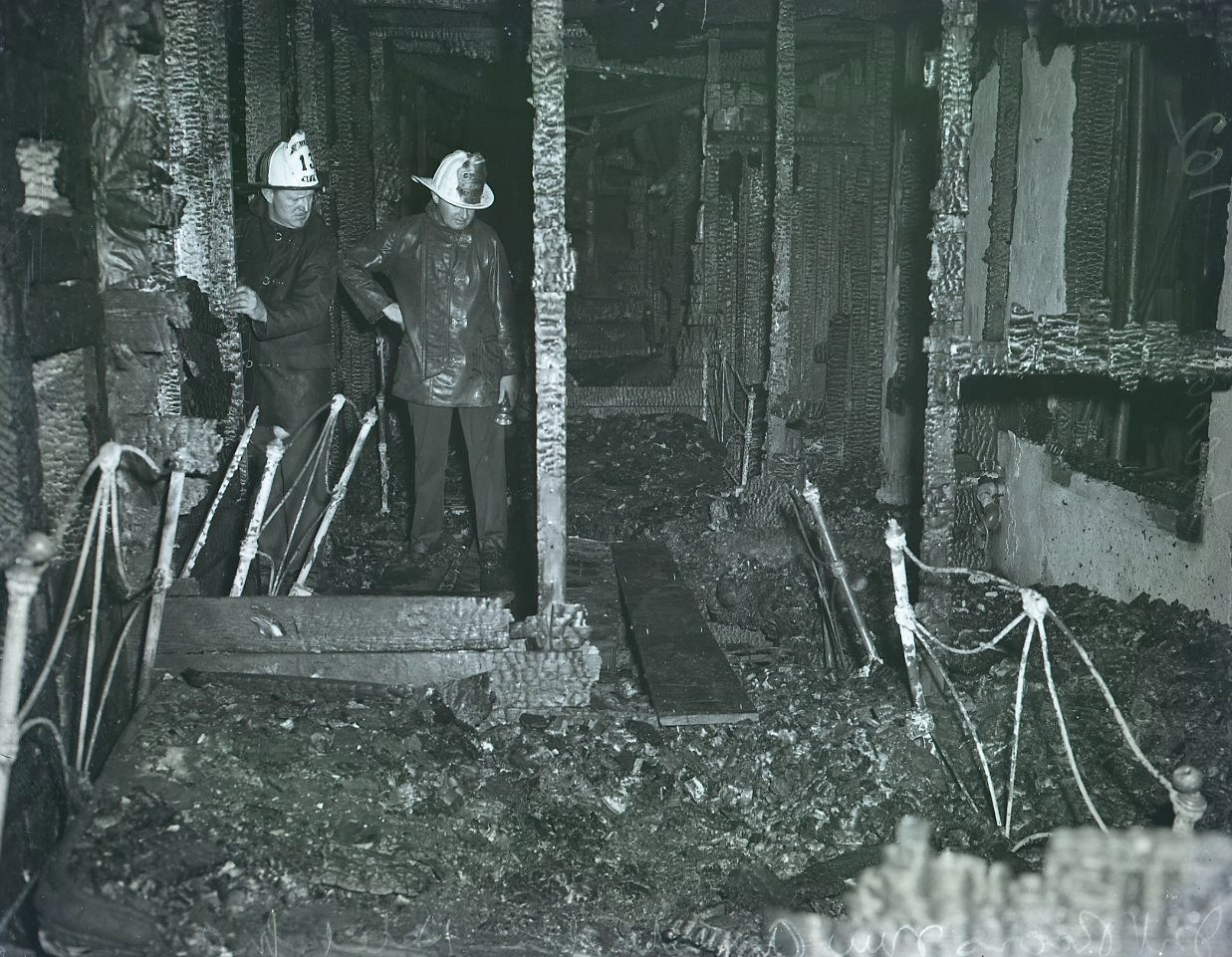 George Holman
Mass murderer · USA · 1944
George Holman was described as a pyromaniac and an arsonist blamed for a deadly…
22 victims
George Holman
Mass murderer · USA · 1944
George Holman was described as a pyromaniac and an arsonist blamed for a deadly…
22 victims
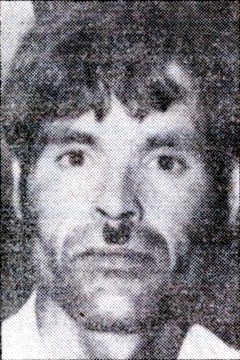 Ali Ben Yanes
Murderer · Franc e · 1971
Ali Ben Yanes was executed by guillotine on May 12, 1973. He and his cousin Hoc…
1 victim
Ali Ben Yanes
Murderer · Franc e · 1971
Ali Ben Yanes was executed by guillotine on May 12, 1973. He and his cousin Hoc…
1 victim
 António Luís Costa
Serial killer · Portugal · 2005
24 June 2006 — António Luís Costa was arrested by the Polícia Judiciária. · 4 J…
3 victims
António Luís Costa
Serial killer · Portugal · 2005
24 June 2006 — António Luís Costa was arrested by the Polícia Judiciária. · 4 J…
3 victims
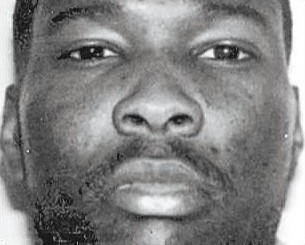 Mark Arlo Sheppard
Murderer · USA · 1993
November 28, 1993 — Mark Arlo Sheppard and his companion Andre Graham shot and…
2 victims
Mark Arlo Sheppard
Murderer · USA · 1993
November 28, 1993 — Mark Arlo Sheppard and his companion Andre Graham shot and…
2 victims
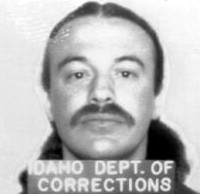 Gerald Pizzuto
Murderer · USA · 1985
Gerald Pizzuto Jr. was sentenced to death in Idaho in May 1986. On February 22,…
4 victims
Gerald Pizzuto
Murderer · USA · 1985
Gerald Pizzuto Jr. was sentenced to death in Idaho in May 1986. On February 22,…
4 victims
- Gender
- female
- Country
- USA
- Location
- Newmarket, New Jersey, USA
- Date of birth
- 1845
- Age at first offence
- 22
- Characteristics
- domestic violence, arson, escape attempt
- Victim profile
- Mary Ellen Coriel ( her employer’s wife)
- Method of murder
- Stabbing with knife
- Date(s) of murder
- February 26, 1867
- Years active
- 1867
- Date of arrest
- Same day
- Status
-
Executed
Executed by hanging in the New Bruswick, New Jersey jail yard on August 30, 1867
Background
Bridget Durgan was an Irish domestic who was hanged on August 30, 1867. She was alleged to have been born to respectable parents in County Sligo, Ireland, in 1843, and she “went wrong” when an employer’s son seduced her. After being paid to leave the area, she sailed to New York and found work as a housekeeper.
Bridget’s mistress ordered her out of the house when “a tryst with an unnamed gentleman left her pregnant.” She wrote: “From that moment, I began to hate everybody,” but “most of all mistresses,” and she “resolved to kill someone if only the chance came my way.”
After giving birth in a charity hospital, Bridget worked for a few months in a slum brothel. One night police raided the resort, and Bridget evaded arrest by vaulting over a fence. She fled to Brooklyn and went back into domestic service, but she and her employer, a Mrs. Horning, “soon hated each other.”
Eventually Mrs. Horning called Bridget “a devilish infernal slut” and fired her. The presence of Mrs. Horning’s husband prevented Bridget from stabbing her on the spot.
Bridget was determined to kill her former employer. She sent poisoned cakes and skulking outside the house with a knife. She only gave up after Mrs. Horning died of natural causes.
Bridget then went to Newmarket, New Jersey, where she found a position in the house of Dr. and Mrs. Coriel.
Bridget also wrote that she had thought about how the household would change if Mrs. Coriel were gone:
“it came into my head that if Mrs. Coriel were only out of the way, that I would have a very good place with the Doctor, as he would no doubt still keep house and have me take care of it and Mamey (the Coriels' baby) who was fond of me. This brought Mrs. Horning into my mind, and instantly, like a flash of lightning, I felt impelled to kill Mrs. Coreil.”
The offence
On the night of February 26, 1867, while the doctor was out, Bridget stabbed and clubbed her mistress to death.
Bridget wrote that she allowed the bloody, dying woman to kiss her baby one last time before finishing her off.
After the killing, Bridget set the house on fire. She grabbed the child and fled to a neighbor’s home, where she wailed that “robbers had killed Mrs. Coreil.”
Investigation
Bridget’s wild behaviour and speech aroused suspicion. Suspicion was also raised by the fact that the house bore no visible signs of a break-in.
Bridget Durgan was arrested and charged with the murder of her employer.
Trial
A jury found her guilty. The judge sentenced her to hang.
Sentencing
The judge sentenced Bridget Durgan to hang.
Appeals
No appeals were described.
Outcome
Bridget Durgan was executed by hanging in the New Bruswick, New Jersey jail yard on August 30, 1867.
Aftermath
Soon after the execution, one of her spiritual advisors published a 30-plus page account of the crime with a confession section that was allegedly dictated by Bridget herself. Bridget had instructed the Reverend Brendan to publish the confession after her death.
Bridget’s confession gave a reason for the killing as revenge for a lifetime of abuse and injustice. She also wrote that she resolved to kill someone if the chance came her way.
Bridget’s confession included statements about her background, her emigration to New York, her work as a housekeeper, the firing by Mrs. Horning, her planned killing of Mrs. Horning using poisoned cakes, her flight to Newmarket, and her decision to kill Mrs. Coriel.
She was described as defiant until her final night on earth, and her final night was characterized by uncertainty about whether she would obtain a last-minute reprieve on account of her gender. When that did not happen, she wrote the confession.


Spotted an error, or have more information about this case?