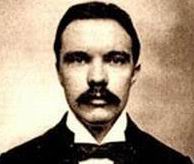
Theodore Durrant
Murderer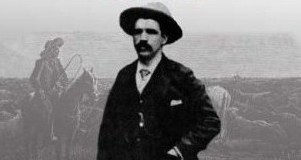 Jackson Lee Davis
Murderer · USA · 1896
Jackson Lee Davis, also known as Diamondfield Jack, was an inmate. · June 4, 18…
2 victims
Jackson Lee Davis
Murderer · USA · 1896
Jackson Lee Davis, also known as Diamondfield Jack, was an inmate. · June 4, 18…
2 victims
 William Williams
Murderer · USA · 1905
William Williams was a Cornish immigrant who worked as a miner in Saint Paul, M…
2 victims
William Williams
Murderer · USA · 1905
William Williams was a Cornish immigrant who worked as a miner in Saint Paul, M…
2 victims
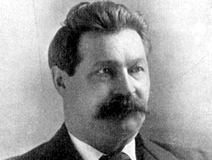 Adolph Luetgert
Murderer · USA · 1897
Adolph Louis Luetgert (also listed as Adolph Louis Luetgert; born December 27,…
1 victim
Adolph Luetgert
Murderer · USA · 1897
Adolph Louis Luetgert (also listed as Adolph Louis Luetgert; born December 27,…
1 victim
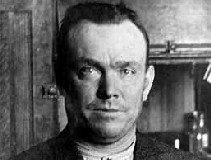 Albert Horsley
Murderer · USA · 1905
Albert Edward Horsley was sentenced to death for the 1905 political assassinati…
1 victim
Albert Horsley
Murderer · USA · 1905
Albert Edward Horsley was sentenced to death for the 1905 political assassinati…
1 victim
 Timothy Buss
Murderer · USA · 1981
Timothy Buss was indicted in connection with the August 7, 1995, disappearance…
2 victims
Timothy Buss
Murderer · USA · 1981
Timothy Buss was indicted in connection with the August 7, 1995, disappearance…
2 victims
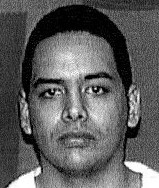 Arnold Prieto
Murderer · USA · 1993
Arnold Prieto was sentenced to death on June 2, 1995. The current status was st…
3 victims
Arnold Prieto
Murderer · USA · 1993
Arnold Prieto was sentenced to death on June 2, 1995. The current status was st…
3 victims
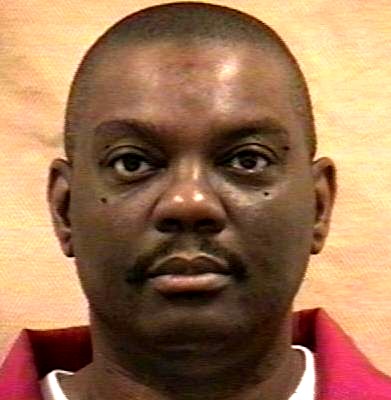 Henry Louis Wallace
Serial killer · USA · 1990
Henry Louis Wallace was sentenced to death on January 29, 1997. Wallace was fou…
9 victims
Henry Louis Wallace
Serial killer · USA · 1990
Henry Louis Wallace was sentenced to death on January 29, 1997. Wallace was fou…
9 victims
 Carla Hughes
Murderer · USA · 2006
Name: Carla Hughes Other names: Carla Ann Hughes Date of birth: June 12, 1981 A…
2 victims
Carla Hughes
Murderer · USA · 2006
Name: Carla Hughes Other names: Carla Ann Hughes Date of birth: June 12, 1981 A…
2 victims
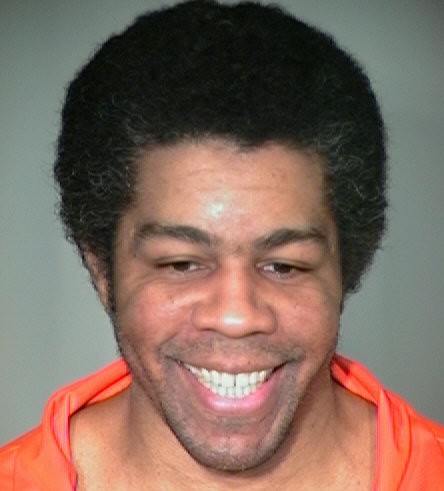 Scott Clabourne
Murderer · USA · 1980
Scott Clabourne was sentenced to death on January 24, 1983. Clabourne met Laura…
1 victim
Scott Clabourne
Murderer · USA · 1980
Scott Clabourne was sentenced to death on January 24, 1983. Clabourne met Laura…
1 victim
- Gender
- male
- Country
- USA
- Location
- San Francisco, California, USA
- Date of birth
- 1871
- Age at first offence
- 24
- Characteristics
- rape, mutilation
- Victim profile
- Blanche Lamont, 20 / Minnie Flora Williams, 21
- Method of murder
- Strangulation
- Date(s) of murder
- April 3/12, 1895
- Years active
- 1895
- Date of arrest
- April 14, 1895
- Status
-
Executed
Executed by hanging at San Quentin State Prison on January 7, 1898
Case details
Theodore Henry Durrant was born 1871 in Toronto, Canada. He was the son of William Durrant, a shoemaker, and Isabella Hutchenson Durrant.
The family immigrated to San Francisco, California, USA in 1878. He had one sister, Beulah Maud Durrant, born in 1873, who later changed her name to Maude Allan and became an actress and interpretive dancer.
At the time of the offences and his arrest, Durrant was a twenty three year old medical student at Cooper Medical College in San Francisco. He served as assistant superintendent of the Sunday school at the twenty first street Emanuel Baptist Church. He was also a member of the California Signal Corps.
Timeline
- April 3, 1895 — Theodore Durrant met twenty year old teacher Blanche Lamont at the Polk Street electric trolley stop just after two pm; they rode together to the twenty first street stop.
- May 2? (not present) — (No dated event present; no timeline placeholder added.)
- April 12, 1895 — Good Friday at seven p.m.: Minnie Flora Williams told friends at her boarding house that she was going to a church member meeting at the home of a church elder named Vogel.
- April 12, 1895 — nine p.m.: Durrant arrived at the church elders house for the scheduled meeting.
- April 13, 1895 — A mutilated female body was found inside a cabinet at Emanuel Baptist Church and identified as Minnie Williams; police searched the church and later found Blanche Lamont in the belfry.
- Easter Sunday after April 13, 1895 — Durrant was apprehended after leaving town to join his Signal Corp unit.
- November 1896 — Durrant was found guilty.
- January 7, 1898 — Durrant was executed by hanging at San Quentin State Prison.
The offence
The case involved the murders of Blanche Lamont and Minnie Williams at Emanuel Baptist Church in San Francisco.
Blanche Lamont was twenty year old when she disappeared and later was found mutilated and nude in the church belfry, with her head wedged between two boards. Minnie Flora Williams was found after being murdered and her body was later identified when discovered in a church cabinet; she was described as mutilated.
Background
After the family immigrated to San Francisco, Durrant worked and studied in the city. At the time of his arrest, he was a medical student and assistant superintendent of the Sunday school at the twenty first street Emanuel Baptist Church.
Disappearances and identification of the victims
Blanche Lamont
On April 3, 1895, Theodore Durrant met twenty year old teacher Blanche Lamont at the Polk Street electric trolley stop just after two pm. They rode together to the twenty first street stop.
Other people on the trolley stated that they were very close and that Durrant was whispering into Lamont's ear and tapping at her lightly with her leather gloves. They got off at their stop and were seen by a Mrs. Mary Noble walking down twenty first street to the Emanuel Baptist Church. A Mrs. Caroline Leak saw them enter the church together. Mrs. Leak later testified at Durrant's trial and was the last person known to see Blanche Lamont alive.
George King, the church choir director and organist, testified that Durrant came downstairs at five p.m. looking pale and shaken and asked him to go get a medicine at a nearby store.
Mrs. Noble came to the church looking for Lamont a few hours later during the evening prayer service. Durrant approached Noble and inquired about Blanche; Noble said she was worried about her. Durrant said he was sorry Blanche was not there and that he would come to her house later to bring a book for her.
Mrs. Noble said that he did come by later with the book and suggested that Lamont might have been kidnapped to be forced into prostitution.
Police were told about the missing person only after several days; it was three days after Blanche's disappearance before Mrs. Noble reported her missing to the police.
Police questioned Durrant because he was the last person she was seen with and also because a young woman of the church said she had once came upon Durrant nude in the church library.
Police did not have a body or any evidence that anything had happened to Blanche, so she remained listed as a missing person.
Blanche Lamont was described as living with her aunt Mrs. Tryphenia Noble. She had moved to San Francisco to study at the Normal School. She had been teaching at a one room school in Heckla, Montana.
Blanche Lamont was later found in the belfry; she was badly mutilated and nude with her head wedged between two boards.
Minnie Flora Williams
During the same period, Durrant began focusing his attentions on twenty one year old Minnie Flora Williams (August 1873- April 12, 1895), who was also an Emanuel church member.
On April 12, 1895, nine days after Lamont disappeared (Good Friday) at seven p.m., Williams told her friends at her boarding house that she was going to a church member meeting at the home of a church elder named Vogel. Vogel’s wife Mary had seen Durrant walking with Blanche Lamont on the day Blanche disappeared.
A few minutes after seven p.m., Williams was seen in a heated discussion with Durrant in front of the church. It was loud enough to alert a passer by named Hodgkins to stop and intervene. Hodgkins later testified that his manner was not becoming to a gentleman and that the pair did calm down and enter the church door together.
At nine p.m. that evening, Durrant arrived at the church elders house for the scheduled meeting.
Investigation
Police questioned Durrant after they were told of Blanche Lamont’s disappearance because he was the last person known to be with her and because of testimony from a young woman of the church about seeing him nude in the church library.
Police later suspected Blanche Lamont might have been in the church after Minnie Williams was found.
When Minnie Williams was discovered and the church was searched, police found nothing until a church member remembered they had not searched the belfry. Police went up into the belfry and found Blanche Lamont.
Police immediately began a search for Theodore Durrant after both murdered women were found.
Durrant had left town to join his Signal Corp unit. He was apprehended the next day, Easter Sunday.
The trial was covered by major newspapers all across the US.
Arrest
Durrant left town to join his Signal Corp unit and was apprehended the next day, Easter Sunday.
Trial
Durrant had left town to join his Signal Corp unit where he was apprehended the next day, Easter Sunday.
He was charged with the murders of Blanche Lamont and Minnie Williams.
His attorney defended him by citing lack of blood on him or his clothes and by shifting blame to the church pastor.
Durrant was convicted and sentenced to be hanged by Judge Carroll Cook.
The trial lasted three weeks and the case was front-page news in every big city newspaper in the nation. Over 3,600 potential jurors needed to be examined before twelve could be chosen to hear the case.
Defence and prosecution arguments (as stated)
The defence cited lack of blood on him or his clothes and shifted blame to the church pastor. The defence also presented an argument around the absence of blood and the lack of indication he destroyed any clothes.
The prosecution and the trial coverage included newspaper accounts of the case. Durrant did not confess to the murders and stated he was innocent to his death.
Durrant never confessed to the murders and stated he was innocent to his death.
Sentencing
Durrant was sentenced to be hanged after conviction.
He was found guilty in November 1896.
Appeals
The execution was delayed by appeals, though the details of the appeal history were not specified beyond that appeals delayed his execution until the January 7, 1898 hanging.
Outcome
Durrant was convicted for the murders of Blanche Lamont and Minnie Williams.
He was executed by hanging at San Quentin State Prison on January 7, 1898.
Aftermath
Durrant maintained his innocence to his death.
His sister was the dancer Maud Allan.
The case record described the discovery and public reaction, and noted that no cemetery in San Francisco would accept the murderer’s remains; the body was cremated and his ashes were buried in Los Angeles.


Spotted an error, or have more information about this case?