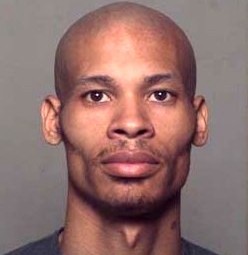
Paul Durousseau
Serial killer Glen Edward Rogers
Serial killer · USA · 1993
Glen Edward Rogers was a spree killer whose cross-country rampage in 1994-95 le…
70 victims
Glen Edward Rogers
Serial killer · USA · 1993
Glen Edward Rogers was a spree killer whose cross-country rampage in 1994-95 le…
70 victims
 Efren Saldivar
Serial killer · USA · 1989
Efren Saldivar (born 30 September 1969) was an American serial killer who murde…
50 victims
Efren Saldivar
Serial killer · USA · 1989
Efren Saldivar (born 30 September 1969) was an American serial killer who murde…
50 victims
 Richard Angelo
Serial killer · USA · 1987
Richard Angelo was 26 years old when he went to work at Good Samaritan Hospital…
25 victims
Richard Angelo
Serial killer · USA · 1987
Richard Angelo was 26 years old when he went to work at Good Samaritan Hospital…
25 victims
 Ronald Dominique
Serial killer · USA · 1997
Ronald Joseph Dominique (born 1964) was an American serial killer from the Bayo…
23 victims
Ronald Dominique
Serial killer · USA · 1997
Ronald Joseph Dominique (born 1964) was an American serial killer from the Bayo…
23 victims
 Jeremy Jones
Serial killer · USA · 1992
Name: Jeremy Jones · Aliases/identities mentioned: John Paul Chapman · Age (as…
21 victims
Jeremy Jones
Serial killer · USA · 1992
Name: Jeremy Jones · Aliases/identities mentioned: John Paul Chapman · Age (as…
21 victims
 Desmond Jennings
Serial killer · USA · 1993
Desmond Jennings declined to make a last statement. Texas Attorney General John…
20 victims
Desmond Jennings
Serial killer · USA · 1993
Desmond Jennings declined to make a last statement. Texas Attorney General John…
20 victims
 Dallas Ray Stevens
Murderer · USA · 1988
Dallas Ray Stevens was convicted in 1988 of aggravated murder in the slaying of…
1 victim
Dallas Ray Stevens
Murderer · USA · 1988
Dallas Ray Stevens was convicted in 1988 of aggravated murder in the slaying of…
1 victim
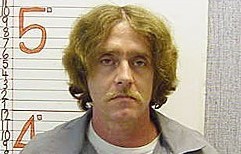 John Middleton
Murderer · USA · 1995
John Middleton was a user and dealer of methamphetamine. He was convicted of fi…
3 victims
John Middleton
Murderer · USA · 1995
John Middleton was a user and dealer of methamphetamine. He was convicted of fi…
3 victims
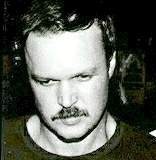 Larry Eyler
Serial killer · USA · 1982
Larry Eyler was born December 21, 1952, in Crawfordsville, Indiana, and was the…
23 victims
Larry Eyler
Serial killer · USA · 1982
Larry Eyler was born December 21, 1952, in Crawfordsville, Indiana, and was the…
23 victims
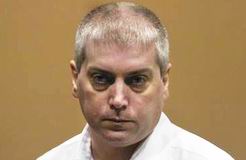 Michael King
Murderer · USA · 2008
Michael King abducted Denise Amber Lee in the U.S. state of Florida on January…
1 victim
Michael King
Murderer · USA · 2008
Michael King abducted Denise Amber Lee in the U.S. state of Florida on January…
1 victim
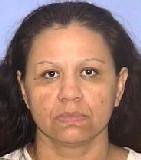 Melissa Lucio
Murderer · USA · 2007
Melissa Elizabeth Lucio was convicted of capital murder for the death of her 2-…
1 victim
Melissa Lucio
Murderer · USA · 2007
Melissa Elizabeth Lucio was convicted of capital murder for the death of her 2-…
1 victim
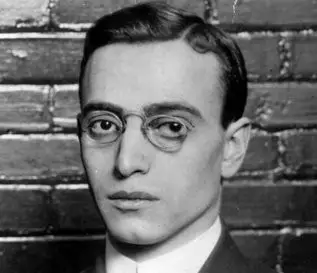 Leo Frank
Murderer? · USA · 1913
Leo Max Frank (April 17, 1884 – August 17, 1915) was an American man who became…
1 victim
Leo Frank
Murderer? · USA · 1913
Leo Max Frank (April 17, 1884 – August 17, 1915) was an American man who became…
1 victim
- Gender
- male
- Country
- USA
- Location
- Florida/Georgia, USA
- Date of birth
- August 11, 1970
- Age at first offence
- 27
- Characteristics
- rape, serial rapist, domestic violence, kidnapping
- Victim profile
- Tracy Habersham, 26 / Tyresa Mack, 24 / Nicole L. Williams, 18 / Nikia Kilpatrick, 19 ( six months pregnant) / Shawanda Denise McCalister, 20 (pregnant) / Jovanna Jefferson, 17 / Surita Cohen, 19
- Method of murder
- Strangulation
- Date(s) of murder
- 1997 - 2003
- Years active
- 1997–2003
- Date of arrest
- February 6, 2003
- Status
-
Sentenced to death
Sentenced to death in Florida on December 13, 2007
Case details
Paul Durousseau was an American serial killer born on August 11, 1970, in Beaumont, Texas. He murdered seven young women (including two who were pregnant) in the southeast United States between 1997 and 2003. German authorities suspected he may have killed several local women when he was stationed there with the Army during the early 1990s. Durousseau typically gained a victim’s trust, entered the victim’s home, tied their hands, raped them, and then strangled them to death.
All of Durousseau’s known victims were young, single African American women.
Timeline
- December 18, 1991 — Durousseau committed his first offenses with the law as an adult for carrying a concealed firearm in California.
- January 21, 1992 — Durousseau was involved in another offense for carrying a concealed firearm in California.
- November 1992 — Durousseau enlisted in the US Army and was stationed in Germany, where he met Natoca.
- 1995 — Durousseau and Natoca married in Las Vegas.
- 1996 — The two were transferred to Fort Benning, Georgia.
- March 13, 1997 — Durousseau was arrested for kidnapping and raping a young woman.
- September 7, 1997 — The nude body of 26-year-old Tracy Habersham was found in Fort Benning.
- September 1997 — Tracy Habersham went missing after attending a party at Fort Benning’s NCO Club.
- 1999 — Durousseau raped and killed 24-year-old Tyresa Mack in her apartment.
- June 1999 — A jury found Durousseau guilty of first-degree murder in the death of Tyresa Mack.
- January 2001 — Durousseau worked as a school bus driver and an animal control worker in 2001.
- January 1, 2003 — Family members found 19-year-old Nikia Kilpatrick’s body in the bedroom of her apartment.
- January 9, 2003 — 20-year-old nurse assistant Shawanda Denise McCalister was raped and strangled to death in her Jacksonville apartment.
- January 10, 2003 — Shawanda was found strangled to death with a cord in her Jacksonville apartment on Arco Drive.
- February 4, 2003 — Surita Ann Cohen was reported missing.
- February 5, 2003 — Bodies of 17-year-old Jovanna Jefferson and 19-year-old Surita Cohen were found close to each other in a ditch next to a construction site on New Kings Road in Jacksonville.
- June 17, 2003 — Durousseau was arrested and charged with five counts of murder.
- February 6, 2003 — Police arrested Paul Durousseau during a visit to his wife and children.
- August 26, 2003 — Prosecutors reported Durousseau had been arrested in the 1999 murder of Tyresa Mack.
- August 11 — Prosecutors confirmed they would seek the death penalty in the trial of Durousseau.
- December 19, 2002 — The body of 18-year-old Nicole L. Williams was found wrapped in a blue blanket at the bottom of a ditch in Jacksonville.
- January 9, 2003 — Shawanda Denise McCalister was murdered in Jacksonville.
- February 6, 2003 — Durousseau was arrested for violation of probation for the 2001 rape case.
- June 8, 2007 — After more than 10 hours of deliberations, a jury found Durousseau guilty of first-degree murder in the death of Tyresa Mack.
- November 9, 2007 — Prosecutors dropped the remaining five Jacksonville murder charges against Durousseau.
- December 13, 2007 — Durousseau was sentenced to death by lethal injection for the murder of Tyresa Mack.
- March 1, 2010 — Durousseau was still a resident on Florida’s death row.
Background
Durousseau had a checkered police history dating back to 1991. His first offenses with the law as an adult took place on December 18, 1991 and on January 21, 1992 for carrying a concealed firearm in California.
In November 1992, Durousseau enlisted in the US Army and was stationed in Germany, where he met Natoca, who would later become his wife. They married in 1995 in Las Vegas. In 1996, they were transferred to Fort Benning, Georgia.
After the transfer to Fort Benning, Durousseau’s legal problems began to re-emerge. He was arrested and later acquitted on charges of the 1997 kidnapping and rape of a young woman. Shortly after his acquittal, Tracy Habersham was found dead, but Durousseau was not a suspect in the crime at the time. He was later found in possession of stolen goods, which led to a court-martial hearing and his being discharged early from the army. He was court-martialed in January 1999 and was found guilty and dishonorably discharged from the Army.
Durousseau and Natoca moved to Natoca Durousseau’s hometown of Jacksonville, Florida, where they had two daughters. Durousseau struggled to keep jobs and make ends meet, and the couple often fought over finances.
Neighbors and friends described Durousseau as a “lewd womanizer.” He often asked young women when they planned to “make flicks” with him. Witnesses recalled him trying to seduce girls as young as 13 years of age.
The offence
Method and patterns
Investigators said Durousseau typically gained the victim’s trust, entered the victim’s home, tied their hands, raped them, then strangled them to death.
Police described the murder scene patterns as “almost identical” between multiple victims. Sheriff Nat Glover stated that the killer fashioned the cord into a “peculiar slipknot” during strangulation of the women. Evidence suggested the killer used cords such as extension or coaxial cable cords as a ligature around the victims’ necks.
Victims and murders
Tracy Habersham
Tracy Habersham was 26 years old. Her nude body was found on September 7, 1997 in Fort Benning. She had been missing for 48 hours and was last seen leaving a party. Police said she was strangled to death with a cord and that they believed she was strangled shortly after the party. Durousseau was not a suspect in Habersham’s killing at the time, but DNA later tied him to the crime. He also confessed in Habersham’s killing after his arrest.
The murder was linked after Durousseau’s arrest on February 6, 2003. Investigators obtained DNA samples from Habersham’s body and compared them with samples from the other murders. They concluded that the same person responsible for the deaths of the five Jacksonville victims and the two unborn children was also responsible for Habersham’s murder. Ron Word of Associated Press wrote that warrants for Durousseau’s arrest in connection with Tracy’s murder were pending in Georgia. Authorities stated that most of the women had been sexually assaulted, and they did not reveal if Tracy had also been sexually abused.
Tyresa Mack
Tyresa Mack was 24 years old and was found dead in her Eastside apartment. Police reported that she was killed in July 1999. A jury found Durousseau guilty of first-degree murder in the death of Tyresa Mack in June 2007 after deliberations.
In June 1999, Durousseau was convicted for the 1999 strangulation of Tyresa Mack in her Eastside apartment. He was later sentenced to death in Florida for her murder.
Investigation
Evidence linked Durousseau to the murders, including DNA sample matches, fiber analysis, cab and cell phone records, and evidence linking cords used as ligatures. Evidence included fibers from a blanket in which Nicole Williams was found, later matched with fibers found in Durousseau’s home. DNA samples taken from crime scenes and victims matched samples obtained from Durousseau.
Jewelry belonging to Surita Cohen and Jovanna Jefferson was found during a search of Durousseau’s car. Cell phone records showed that the girls called him prior to their disappearance.
Times-Union staff writer Veronica Chapin stated that a bank surveillance tape showed Shawanda drawing money from an automated machine on the day she died, allegedly with Durousseau’s cab in the background.
Arrest and pretrial events
Durousseau was arrested and charged with five counts of murder on June 17, 2003. He was later arrested for violation of his probation for a 2001 rape case.
Shortly after his arrest, Durousseau was linked to Tracy Habersham’s murder that had occurred several years earlier at Fort Benning. Warrants for his arrest in connection with the Habersham murder were pending in Georgia.
Several days following his arrest, a grand jury indicted Paul for five counts of first-degree murder and the two counts of child abuse. State Attorney Harry Shorstein was believed to have welcomed the indictment to facilitate a plea for the death penalty at the upcoming trial. Shorstein stated he would not pursue fetal rights, and he also said pursuing the matter “ would have a tendency to interject an ancilliary issue that could have a negative impact on the legal process down the road”.
Durousseau took the stand in his own defense before the trial went to the jury. He admitted having sex with three women before their deaths but said he was not the one who killed them. He said he met Mack in April 1999 and that, for three months, he saw her frequently. He said the last time he saw Mack was July 26, the day she was killed. He admitted that when he found out about her death, he did not call police. He told the court he heard she had been shot, and he did not contact police because he did not have any information to give them and she was alive when he left. He also admitted lying to detectives when he initially denied knowing any of the slain women.
Trial and sentencing
Tyresa Mack trial
On June 8, 2007, after more than 10 hours of deliberations, a jury found Durousseau guilty of first-degree murder in the death of Tyresa Mack. Mack was 24 years old and found dead in her Eastside apartment in July 1999.
The jury recommended the death penalty with a vote of 10-2. Durousseau’s attorneys argued that his life should be spared because he suffered from brain damage and other mental illnesses that impaired his behavior. Prosecutors said Durousseau was well aware of what he did when he killed the woman and deserved the death penalty.
On December 13, 2007, Judge Jack Schemer formally sentenced Durousseau to death by lethal injection.
“This was a consciously hideous crime,” Schemer said from the bench. “Durousseau is manipulative, devious and crafty.” Schemer said the brutality of the slaying was among the reasons why he agreed with the jury’s recommendation that Durousseau should die.
Prosecutors’ decision on other murder charges
Durousseau was arrested and is charged in the deaths of Mack and five other women in Duval County. Prosecutors dropped the other five murder charges against Durousseau on November 9, 2007, stating concerns about how the appeal process could affect the cases. The decision opened the door for Durousseau to be tried next in Columbus, Georgia, for a 1997 murder there. Prosecutors said the decision did not preclude prosecutors from re-indicting Durousseau on the Jacksonville murder cases down the road.
Assistant State Attorney Jay Taylor said: “We did not think it was in the best interest of the case to try the remaining counts.”
Taylor said prosecutors used evidence from two of those cases in the Mack case. Taylor said an acquittal in one of those cases could jeopardize Durousseau’s conviction in the Mack case, and Mack’s murder evidence could be used against Durousseau in the other murder cases. Heavener said the decision expedited the appeals process and Durousseau’s sentence and would allow Georgia authorities to try Durousseau while Florida appeals were pending. Heavener also said because Durousseau waived his speedy trial rights early on, prosecutors could re-indict him for any of the Jacksonville murders at any time.
Public Defender Bill White estimated his office spent $200,000 defending Durousseau. White said: “Basically what they said is they don't want to spend the money or time if the death penalty holds up. Since everybody these days, including the state, has limited ... money, it makes sense not to use up all that money on one case.”
Durousseau’s mother of slaying victim Surita Cohen, Cynthia Davis, reacted angrily when asked about the decision.
Outcome
Durousseau was sentenced to death in Florida on December 13, 2007 for the murder of Tyresa Mack. As of March 1, 2010, Durousseau was still a resident on Florida’s death row, and no execution date had been set.
Other details
Prior legal history and domestic violence
Durousseau was described as a convicted felon, with his legal troubles including carrying a concealed firearm in California in 1991 and 1992.
On March 13, 1997, he was arrested for kidnapping and raping a young woman. In August of that year, he was cleared of those charges.
In September and October 2001, Durousseau spent 48 days in jail for domestic battery. He was later sentenced to one month in jail and two years’ probation for the June 2001 rape of a Jacksonville woman. Durousseau was then arrested again for physically abusing his wife in August 2001 and spent another month and a half behind bars.
Durousseau’s wife sought help after an alleged assault in August 1999, after he “slapped her in the face and grabbed her by the neck” during a fight over finances. She testified that he became violently angry when she talked about getting a divorce. She wrote: “became violently angry when I told him that I was planning to file for a divorce,” and she wrote in the 2000 petition that “I am afraid it will escalate.” The injunction was never granted because Paul and his wife agreed to drop the petition.
Jobs and access to victims
Durousseau still managed to hold various legitimate jobs despite his prior convictions. In 2001, he was hired as a school bus driver and an animal control worker despite being a convicted felon. In 2003, he worked as a taxi driver in Jacksonville.
The Gator City Taxi Company failed to run a background check on Durousseau, and it was accepted that this was how he first became in contact with some of his victims.
Role of the taxi driver clue
Jovanna’s mother said Jovanna was last seen getting into a cab driven by a man referred to as “D.” When Jovanna failed to return home, her aunt called her cell phone, which was answered by the cab driver. The man told the aunt that he would return Jovanna soon, but she never made it back home. When Jovanna’s mother went to the cab company to inquire about “D,” they learned that the driver was Paul Durousseau. The clue was an important lead, but Sheriff Nat Glover said there was not enough evidence yet available to charge him.
Relationship and separation
After approximately eight and a half years of marriage, Paul and his wife separated in January 2003. She and the couple’s two girls moved to another house in Jacksonville. Durousseau continued to live at the house on Patterson Avenue and spent the majority of his available time at his wife’s new house.
Arrest tied to probation violation
On February 6, 2003 during a visit to his wife and children, police arrested Durousseau. He was initially not charged in the murders, though he was considered a key suspect. Instead he was arrested for violation of his probation for the 2001 rape case.
The murders in Jacksonville and the victims’ circumstances
After Habersham, Durousseau’s killings in Jacksonville included the following:
- Tracy Habersham (September 7, 1997) — found dead in Fort Benning; DNA later tied Durousseau to the crime.
- Tyresa Mack (July 1999) — strangulation in her Eastside apartment; jury convicted him in 2007; sentenced to death for this murder.
- Nicole L. Williams (December 19, 2002) — body found wrapped in a blue blanket at the bottom of a ditch in Jacksonville; the body was found after she had been reported missing two days earlier; she was bound and strangled; there was evidence of sexual assault.
- Nikia Kilpatrick (January 1, 2003) — 19-year-old; body found in the bedroom of her apartment; she had been missing for several days; she had been bound and strangled with a cord two days before; her two sons, an eleven-month-old and a two-year-old, were alive but malnourished; Kilpatrick was approximately six months pregnant at the time of her death.
- Shawanda Denise McCalister (January 10, 2003) — 20-year-old nurse assistant; found strangled to death with a cord in her Jacksonville apartment on Arco Drive; she was pregnant at the time of her death; evidence showed sexual assault and similarity to Kilpatrick’s murder.
- Jovanna Jefferson (February 5, 2003) — 17-year-old; body found in a ditch next to a construction site on New Kings Road in Jacksonville; police estimated she was murdered around January 20.
- Surita Ann Cohen (February 5, 2003) — 19-year-old; body found close to Jefferson’s in the same area; police estimated she was killed 10 days later; she was missing since February 4; she had been sexually abused prior to death.
In connection with Nicole Williams, Shawanda McCalister, and Nikia Kilpatrick, investigators used DNA evidence indicating the same assailant in those deaths.
Gator City Taxi background-check lawsuit
The parents of three victims filed suit against Gator City Taxi. The suit contended that their daughters were murdered because the cab company failed to perform an adequate background check when hiring accused serial killer Paul Durousseau to drive a cab. Attorney Donald Brown’s firm represented three families in that lawsuit.
Death row status
As of March 1, 2010, Durousseau remained on Florida’s death row, and no execution date had been set.
Spotted an error, or have more information about this case?