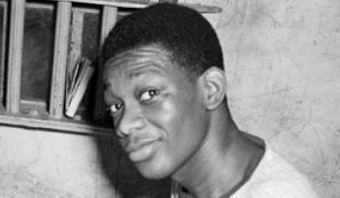
Willie Francis
Homicide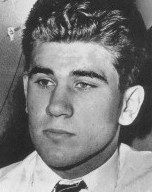 William Heirens
Homicide · USA · 1945
William George Heirens (born November 15, 1928 in Evanston, Illinois) was an Am…
3 victims
William Heirens
Homicide · USA · 1945
William George Heirens (born November 15, 1928 in Evanston, Illinois) was an Am…
3 victims
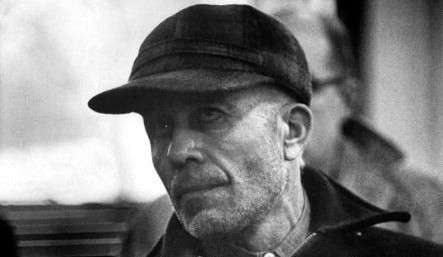 Edward Gein
Homicide · USA · 1954
Edward Gein was sentenced to life imprisonment in 1968. He was found not guilty…
2 victims
Edward Gein
Homicide · USA · 1954
Edward Gein was sentenced to life imprisonment in 1968. He was found not guilty…
2 victims
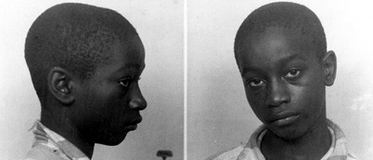 George Stinney
Homicide · USA · 1944
George Junius Stinney Jr. was executed by electrocution on June 16, 1944. He wa…
2 victims
George Stinney
Homicide · USA · 1944
George Junius Stinney Jr. was executed by electrocution on June 16, 1944. He wa…
2 victims
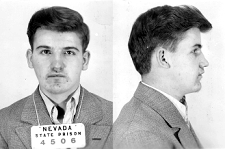 Floyd Loveless
Homicide · USA · 1942
Floyd Loveless was the person executed by asphyxiation-gas on September 29, 194…
1 victim
Floyd Loveless
Homicide · USA · 1942
Floyd Loveless was the person executed by asphyxiation-gas on September 29, 194…
1 victim
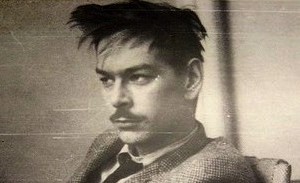 Lucien Carr
Homicide · USA · 1944
Lucien Carr (March 1, 1925 – January 28, 2005) was a key figure in the Beat gen…
1 victim
Lucien Carr
Homicide · USA · 1944
Lucien Carr (March 1, 1925 – January 28, 2005) was a key figure in the Beat gen…
1 victim
 Li Hao
Murderer · China · 2009
Li Hao was convicted of murder, rape, illegal detention, organized prostitution…
2 victims
Li Hao
Murderer · China · 2009
Li Hao was convicted of murder, rape, illegal detention, organized prostitution…
2 victims
 Rodney Reed
Murderer · USA · 1996
Rodney Reed (TDCJ Number 999271) was born on 12/22/67 and was received into cus…
1 victim
Rodney Reed
Murderer · USA · 1996
Rodney Reed (TDCJ Number 999271) was born on 12/22/67 and was received into cus…
1 victim
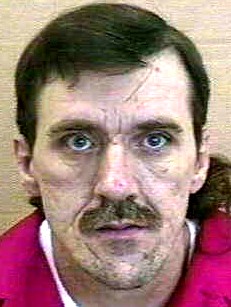 John Hardy Rose
Murderer · USA · 1991
John Hardy Rose was convicted of capital murder for the murder of Patricia Stew…
1 victim
John Hardy Rose
Murderer · USA · 1991
John Hardy Rose was convicted of capital murder for the murder of Patricia Stew…
1 victim
 Christine Schürrer
Murderer · Sweden · 2008
Christine Schürrer (born June 30, 1976, in Hanover) was a German citizen who mu…
2 victims
Christine Schürrer
Murderer · Sweden · 2008
Christine Schürrer (born June 30, 1976, in Hanover) was a German citizen who mu…
2 victims
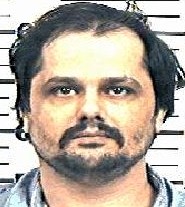 David Wayne Woodruff
Murderer · USA · 1985
David Wayne Woodruff. · July 19, 1986 — Woodruff and John Joseph Romano were ac…
2 victims
David Wayne Woodruff
Murderer · USA · 1985
David Wayne Woodruff. · July 19, 1986 — Woodruff and John Joseph Romano were ac…
2 victims
- Gender
- male
- Country
- USA
- Location
- St. Martinville, St. Martin Parish, Louisiana, USA
- Date of birth
- January 12, 1929
- Age at first offence
- 15
- Characteristics
- juvenile (16), drugs, abduction
- Victim profile
- Andrew Thomas, a drugstore owner who employed him
- Method of murder
- Shooting
- Date(s) of murder
- December 1944
- Years active
- 1944
- Date of arrest
- August 1945
- Status
-
Executed
Executed by electrocution on May 9, 1947
Case overview
Willie Francis (c. 1930 – May 9, 1947) was an African American sentenced to death by electrocution by the state of Louisiana in 1946 for murdering Andrew Thomas, a drugstore owner who employed him.
The case was notable as the first known incident of a failed execution by electrocution in the United States. The murder remained unsolved for nine months, until August 1945 when Francis was detained due to his proximity to an unrelated crime. Andrew Thomas’ wallet was found in Francis’ pocket. Francis named several others in connection with the murder, but the police were never able to find them.
A short time later, Francis directed the police to where he had disposed of the holster used to carry the murder weapon. Two separate written confessions were obtained, but Francis pleaded not guilty. Eight days after the trial began, Willie Francis stood convicted of murder and sentenced to death.
On May 3, 1946, the electric chair failed to kill Willie Francis. At his execution, the electric chair failed to kill him, and he reportedly shrieked “Stop it! Let me breathe!” as the lethal surge of electricity was being applied. Witnesses also reported that he called out, “Take it off! Take it off! Let me breathe!” Another report stated that he called out, “I’m n-not dying!”
It turned out that the portable electric chair had been improperly set up by an intoxicated trustee. After the botched execution, Francis appealed to the Supreme Court in Francis v. Resweber, 329 U.S. 459 (1947), citing violations of his Fifth, Eighth, and Fourteenth Amendment rights, including violations of equal protection, double jeopardy, and cruel and unusual punishment. The appeal was rejected in a 5-4 decision. After the unsuccessful appeal, Willie Francis was executed on May 9, 1947.
Timeline
- August 1945 — Francis was detained due to his proximity to an unrelated crime; Andrew Thomas’ wallet was found in Francis’ pocket.
- May 3, 1946 — The electric chair failed to kill Willie Francis.
- May 9, 1947 — Willie Francis was executed by electrocution.
- November 8, 1946 — J. Skelly Wright presented the case before the Supreme Court.
- November 9, 1946 — The American Constitution Society held a screening of director Allen Durand’s documentary, “Willie Francis Must Die Again.”
- April 23, 2008 — The New York Times published “Cruel and Unusual History” by Gilbert King.
- April 28th 2008 — NYDailyNews.com published “He cheated the chair” by David J. Krajicek.
- 2006 — A 2006 documentary titled “Willie Francis Must Die Again” was written and directed by filmmaker Allan Durand.
- 2006 — The documentary won Best Documentary at the 2006 Memphis International Film Festival and Best Social Justice Documentary at the 2006 New York International Independent Film and Video Festival.
- 2006 — The documentary included first hand accounts of Francis’ original trial and interviews with Sister Helen Prejean and Gilbert King.
Background
Andrew Thomas was a drugstore owner who employed Willie Francis.
After the murder, the case remained unsolved for nine months. During that period, Francis was detained due to his proximity to an unrelated crime in August 1945.
Willie Francis was described as 17 years old when sentenced to death by electrocution by the state of Louisiana in 1946. The case summary also stated that he was 16 at the time of his arrest.
The offence
Willie Francis was sentenced to death for murdering Andrew Thomas.
Investigation
Andrew Thomas’ wallet was found in Francis’ pocket after Francis was detained in August 1945 due to his proximity to an unrelated crime.
Francis directed the police to where he had disposed of the holster used to carry the murder weapon.
The gun used to kill Thomas was also found near the crime scene and belonged to a deputy sheriff in St. Martinville who had once threatened to kill Thomas. It, along with the bullets, disappeared from evidence just before the trial.
A statement attributed to Francis included a confession written as: “It was a secret about me and him.”
Arrest
Francis was detained in August 1945 due to his proximity to an unrelated crime.
The case narrative included that Francis was arrested on unrelated and false drug charges, from which police claimed to extract a confession in the Thomas murder.
Trial
Two separate written confessions were obtained. Despite the confessions, Francis pleaded not guilty.
During the trial, the court-appointed defense attorneys offered no objections, called no witnesses, and put up no defense. The validity of the confessions was not questioned by the defense.
Francis was convicted of murder and sentenced to death by twelve jurors and the judge eight days after the trial began.
Sentencing
Willie Francis was sentenced to death by electrocution in 1946 by the state of Louisiana.
Execution attempt on May 3, 1946
Witnesses reported hearing the teenager scream from behind the leather hood: “Take it off! Take it off! Let me breathe!” as the supposedly lethal surge of electricity was being applied. Another report stated that he called out, “I’m n-not dying!”
In one account, he reportedly shrieked: “Stop it!
The portable electric chair known as “Gruesome Gertie” had been improperly set up. The chair had been improperly set up by an intoxicated prison guard and inmate from the Louisiana State Penitentiary at Angola.
Another account described that after the power switch was thrown, nothing happened; the executioner toggled the switch back and forth until the chair began to buck and skitter across the floor, taking Francis for a little ride.
Francis told reporters, “God fooled with the electric chair.”
A sheriff was quoted as saying: “This boy really got a shock when they turned that machine on.”
A narrative stated that Francis was helped out of the chair and that his heart beat wildly, but he was very much alive.
In that execution attempt, one person in the room replied, “You’re not supposed to breathe.”
Francis said, “I can’t breathe.” Francis also insisted, “I am not dying.”
Francis was correct that he was not dying.
Appeals
Resweber, 329 U.S. 459 (1947), citing violations of his Fifth, Eighth, and Fourteenth Amendment rights.
The cited violations included violations of equal protection, double jeopardy, and cruel and unusual punishment.
A preliminary vote was in Francis’ favor, but in a 5-4 decision the appeal was rejected.
A dissenting opinion asked: “just how many attempted executions it took before it became cruel and unusual punishment.”
The narrative also stated that Justice Felix Frankfurter cast the deciding vote to re-execute Francis. Behind the scenes, Justice Felix Frankfurter asked his old college roommate to secretly petition the Governor of Louisiana for a commutation, which failed.
Second execution on May 9, 1947
Willie Francis was executed at 12:05pm (CST) on May 9, 1947.
Other details
Supreme Court case name and citations
Francis appealed in Francis v. Resweber, 329 U.S. 459 (1947).
The narrative included discussion of “Louisiana ex rel. Francis v. Resweber” and included a quoted holding that “accidents happen for which no man is to blame,” and that such “an accident, with no suggestion of malevolence” did not violate the Constitution.
Defense attorneys and counsel
Bertrand DeBlanc was described as a young lawyer who decided to take Francis’s case after the first failed execution.
J. Skelly Wright was described as a Washington lawyer connected with bringing the case before the United States Supreme Court; the narrative also described him as Wright’s personal connection to the case and that Wright argued before the bench.
Execution chair operation
During World War II, Louisiana constructed a “portable” electric chair.
Warden Dennis Bazer oversaw its proper usage during initial outings, but he did not stay on hand when Francis’ execution took place; he sent two men with the chair: Capt. Edward Foster and Vincent Vinezia, an Angola inmate with trustee status.
The execution day narrative stated that Foster and Vinezia spent most of their two days in St. Martinville behind tavern doors and reeked of whisky as they set up the chair.
A later account stated that the chair was attached by cables to electricity generators outside the jail, and that the execution failed because they had improperly grounded the current.
Other quoted material and statements
The narrative included the quote from Justice Felix Frankfurter defining Francis’ ordeal as an “innocent misadventure.”
It also included the statement attributed to Gov. Jimmie Davis ordering Francis returned to the chair six days later.
Documentary
Willie Francis was the subject of a 2006 documentary titled “Willie Francis Must Die Again,” written and directed by filmmaker Allan Durand.
The documentary was narrated by actor Danny Glover and chronicled the murder of a local pharmacist in St. Martinville, Louisiana named Andrew Thomas, the arrest of 16 year old Willie Francis, and the unprecedented court battle that followed.
The project included first hand accounts of Francis’ original trial, interviews with Sister Helen Prejean (author of “Dead Man Walking”), Gilbert King (author of “The Execution of Willie Francis”), and cultural perspective provided by director Allan Durand.
A quote included from Sister Helen Prejean was: “We play God,” Prejean said. “We go behind closed doors and decide if a fellow human being lives or dies.”
A quote attributed to Sir Roger L’Estrange was: “The greatest of all injustice is that which goes under the name of law.”
The documentary narrative included a quote attributed to Durand’s father: “If you were black and they wanted you to confess, you confessed.”
Wins at film festivals
The documentary won Best Documentary at the 2006 Memphis International Film Festival and won Best Social Justice Documentary at the 2006 New York International Independent Film and Video Festival.
Additional newspaper and author material
The narrative included references to Gilbert King’s book “The Execution of Willie Francis: Race, Murder and the Search for Justice in the American South.”
It also included references to Rebecca Agule writing “The Two Deaths of Willie Francis” in the Herald Record (November 176, 2006), and to David J. Krajicek writing “He cheated the chair” on NYDailyNews.com (Monday, April 28th 2008).
Spotted an error, or have more information about this case?