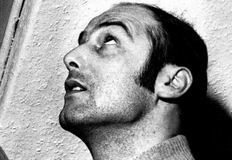
Trevor Joseph Hardy
Serial killer Bruce Lee
Serial killer · United Kingdom · 1973
Bruce Lee was born Peter George Dinsdale in 1960. He later changed his name to…
26 victims
Bruce Lee
Serial killer · United Kingdom · 1973
Bruce Lee was born Peter George Dinsdale in 1960. He later changed his name to…
26 victims
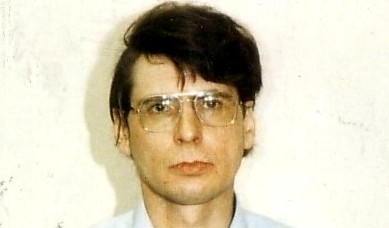 Dennis Nilsen
Serial killer · United Kingdom · 1978
Dennis Andrew Nilsen was born on November 23, 1945. He lived in London. He was…
16 victims
Dennis Nilsen
Serial killer · United Kingdom · 1978
Dennis Andrew Nilsen was born on November 23, 1945. He lived in London. He was…
16 victims
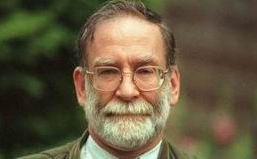 Dr. Harold Shipman
Serial killer · United Kingdom · 1974
Harold Fredrick Shipman was an English doctor who was convicted as a serial kil…
15 victims
Dr. Harold Shipman
Serial killer · United Kingdom · 1974
Harold Fredrick Shipman was an English doctor who was convicted as a serial kil…
15 victims
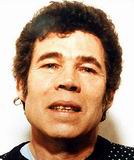 Frederick West
Serial killer · United Kingdom · 1967
Frederick West (29 September 1941 – 1 January 1995) was an English serial kille…
13 victims
Frederick West
Serial killer · United Kingdom · 1967
Frederick West (29 September 1941 – 1 January 1995) was an English serial kille…
13 victims
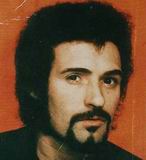 Peter Sutcliffe
Serial killer · United Kingdom · 1975
Peter William Sutcliffe (born 2 June 1946) was an English serial killer dubbed…
13 victims
Peter Sutcliffe
Serial killer · United Kingdom · 1975
Peter William Sutcliffe (born 2 June 1946) was an English serial killer dubbed…
13 victims
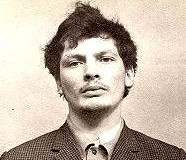 Patrick David Mackay
Serial killer · United Kingdom · 1973
Patrick David Mackay was born on September 25, 1952, in England. He was the son…
11 victims
Patrick David Mackay
Serial killer · United Kingdom · 1973
Patrick David Mackay was born on September 25, 1952, in England. He was the son…
11 victims
 Kimberly Renee Poole
Murderer · USA · 1998
Kimberly Renee Poole was a 21-year-old housewife and mother in the Winston-Sale…
1 victim
Kimberly Renee Poole
Murderer · USA · 1998
Kimberly Renee Poole was a 21-year-old housewife and mother in the Winston-Sale…
1 victim
 Stephen Nefstad
Murderer · USA · 1987
Stephen Nefstad was an Oregon state prisoner. He appealed the district court’s…
1 victim
Stephen Nefstad
Murderer · USA · 1987
Stephen Nefstad was an Oregon state prisoner. He appealed the district court’s…
1 victim
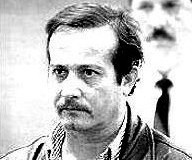 Ricardo Caputo
Serial killer · USA / Mexico · 1971
Ricardo Caputo was known to authorities as "The Lady Killer." He was sentenced…
4 victims
Ricardo Caputo
Serial killer · USA / Mexico · 1971
Ricardo Caputo was known to authorities as "The Lady Killer." He was sentenced…
4 victims
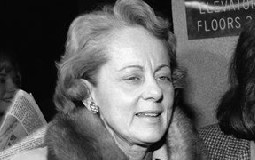 Jean Harris
Murderer · USA · 1980
Jean S. Harris was born Jean Struven in 1923 in Cleveland, USA. Her mother, Mil…
1 victim
Jean Harris
Murderer · USA · 1980
Jean S. Harris was born Jean Struven in 1923 in Cleveland, USA. Her mother, Mil…
1 victim
- Gender
- male
- Country
- United Kingdom
- Location
- Manchester, England, United Kingdom
- Date of birth
- 1947
- Age at first offence
- 27
- Characteristics
- murder for hire, rape, mutilation
- Victim profile
- Janet Lesley Stewart, 15 / Wanda Skala, 17 / Sharon Mosoph, 17
- Method of murder
- St abbing with knife - Strangulation
- Date(s) of murder
- December 1974 - March 1976
- Years active
- 1974–1976
- Date of arrest
- August 1976
- Status
-
Life imprisonment
Sentenced to three life sentences on May 2, 1978; whole life tariff reaffirmed in June 2008 by the High Court; Hardy must serve the whole of his life in jail
Case overview
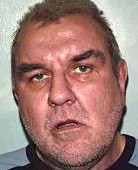
Trevor Joseph Hardy (born 1947 in Manchester, Lancashire) was also known as the Beast of Manchester. He was convicted as a British serial killer who murdered three teenage girls in the Manchester area between December 1974 and March 1976.
Timeline
- New Year’s Eve 1974 — Hardy mistook Janet Stewart, a Rose Queen at the Harpurhey church he attended, for a schoolgirl with whom he was infatuated; he stabbed her to death and buried her in a shallow grave in Newton Heath, North Manchester.
- December 1974 to March 1976 — Hardy murdered three teenage girls in the Manchester area.
- July 1975 — Wanda Skala was hit over the head with a brick, robbed, and sexually assaulted while walking home from the hotel where she worked as a barmaid; her body was found partially buried on a construction site on Lightbowne Road, Moston.
- March 1976 — After walking home from a staff party, Sharon Mosoph was stabbed and strangled with a pair of tights, then dumped in the Rochdale Canal at Failsworth, Oldham; her body was stripped and mutilated.
- August 1976 — Hardy was arrested for the murders of Wanda Skala and Sharon Mosoph.
- May 1977 — Hardy was found guilty and was sentenced to life imprisonment for killing Janet Stewart, Wanda Skala, and Sharon Mosoph.
- 2 May 1978 — At the Manchester Crown Court, Hardy was sentenced to three life sentences for the murders.
- 23 February 2008 — The Times revealed Hardy was one of up to 50 prisoners in Britain who had been issued with a whole life tariff and were unlikely to ever be released.
- June 2008 — The whole life tariff was reaffirmed by the High Court.
- June 13, 2008 — Mr Justice Teare ruled Hardy must serve the whole of his life in jail.
The victims
Janet Lesley Stewart
Janet Lesley Stewart was 15. Hardy stabbed her to death on New Year’s Eve 1974 and buried her in a shallow grave in Newton Heath, North Manchester. Until then, her case had been a missing person inquiry. Hardy removed Stewart’s ring and gave it to another girl as a “love token”.
Wanda Skala
Wanda Skala was 17. Hardy murdered her in July 1975 on Lightbowne Road, Moston while she was walking home from the hotel where she worked as a barmaid. Hardy hit her over the head with a brick, robbed her, and sexually assaulted her. Her body was found partially buried on a construction site. Hardy stripped and mutilated her and kept blood-stained clothes and her handbag as “grisly trophies”.
Sharon Mosoph
Sharon Mosoph was 17. Hardy murdered her in March 1976 after she walked home from a staff party; she was stabbed and strangled with a pair of tights prior to being dumped in the Rochdale Canal at Failsworth, Oldham. Hardy stripped and mutilated her body.
Investigation
Hardy was arrested for Skala’s murder after bragging about it to his younger brother. He was freed on the basis of an alibi he had arranged with his partner, Sheilagh Farrow, and because he had filed his teeth so they would not match the bite marks found on Skala’s body.
Hardy later confessed to the murders of Wanda Skala and Sharon Mosoph and to the killing of Janet Lesley Stewart, who had been missing.
The investigation revealed that Hardy killed Mosoph after she witnessed him attempting to burgle a shopping centre at night.
Arrest
Hardy was arrested for the murders of Wanda Skala and Sharon Mosoph in August 1976.
Trial
Hardy fired his attorney and attempted to confess manslaughter; however, the plea was rejected and he was found guilty of murder. At trial, he sacked his QC and conducted his own defence before attempting to confess to manslaughter; his plea was rejected and he was found guilty of murder.
Sentencing
On 2 May 1978, at the Manchester Crown Court, Hardy was sentenced to three life sentences for the murders.
More than 30 years after his arrest, Hardy was subject to a whole life tariff. The whole life tariff was reaffirmed in June 2008 by the High Court.
Mr Justice Teare ruled Hardy must serve the whole of his life in jail and refused Hardy’s plea that his minimum jail term should be around 30 years. In setting a whole-life tariff, Judge Teare said the evidence showed “sexual or sadistic conduct” and there were “no mitigating features”. He remarked on Hardy’s “good work record” in prison, where he was trusted with access to sharp implements, but said it could make no difference to the view that Hardy could never be released.
Hardy protested his innocence and had shown “not a shred of remorse”.
Verbatim remarks
“Sexual or sadistic conduct”
“no mitigating features”
“Hardy does not accept his guilt and therefore shows no remorse.”
“This is a case where the gravity of the offences justifies a whole life order.”
Appeals
On 23 February 2008, The Times revealed that Hardy was one of up to 50 prisoners in Britain who had been issued with a whole life tariff and were unlikely to ever be released.
Outcome
Hardy was required to serve the whole of his life in jail following reaffirmation of the whole life tariff in June 2008.
Aftermath
Hardy maintained his innocence. He reportedly sent a letter to Mosoph’s relatives blaming his parents.
Hardy was serving his sentence at Wakefield Prison in West Yorkshire and was reported to have a “good work record”.
Manchester locals had long suspected Hardy in the 1971 murder of 17-year-old Dorothy Leyden. In 2004, family members requested that the Greater Manchester Police re-examine old evidence. Detectives reviewing the cold case believed forensic evidence exonerated Hardy in the murder of Leyden, as DNA samples examined more than 30 years after the crime were found not to match Hardy.
Other details
Hardy had been released on parole for battering a man with a pickaxe in a row over a round of drinks. Hardy began his killing spree after being released on parole for battering a man with a pickaxe. Hardy was arrested for the murder of Wanda after bragging of it to his younger brother. While in custody, Hardy filed his teeth into points so they wouldn’t match the bite marks he had left on her body. Because of an alibi he had arranged, Hardy was freed, and he killed Sharon six months later.
At the time Hardy was arrested and freed, he had arranged an alibi with his partner, Sheilagh Farrow.
Hardy reportedly removed Stewart’s ring and gave it to another girl as a “love token”. He also kept Skala’s blood-stained clothes and her handbag as “grisly trophies”.
After the murder, Hardy went on the run, living in quarries, railway tunnels and canal banks. During his run, Hardy violently sexually assaulted another woman in a pub toilet.
Hardy was later described as 63.
People
- Trevor Joseph Hardy — offender/serial killer
- Janet Lesley Stewart (15) — victim
- Wanda Skala (17) — victim
- Sharon Mosoph (17) — victim
- Sheilagh Farrow — Hardy’s partner (alibi arranged)
- Dorothy Leyden (17) — murder suspected in 1971; DNA did not match after more than 30 years
- Mr Justice Teare — High Court judge who ruled on the whole life tariff
Spotted an error, or have more information about this case?