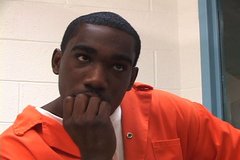
Ryan Matthews
Homicide ? Robert Springsteen
Homicide ? · USA · 1991
Robert Springsteen IV (TDCJ number 999389) was the defendant. Springsteen was b…
4 victims
Robert Springsteen
Homicide ? · USA · 1991
Robert Springsteen IV (TDCJ number 999389) was the defendant. Springsteen was b…
4 victims
 Roscoe Arbuckle
Homicide ? · USA · 1921
Roscoe Conkling Arbuckle, also known as Fatty Arbuckle (March 24, 1887 – June 2…
1 victim
Roscoe Arbuckle
Homicide ? · USA · 1921
Roscoe Conkling Arbuckle, also known as Fatty Arbuckle (March 24, 1887 – June 2…
1 victim
 Gameel Al-Batouti
Mass murderer · USA · 1999
Gameel Al-Batouti (also rendered “Gamil ElBatouty” or “El Batouty” in U.S. offi…
216 victims
Gameel Al-Batouti
Mass murderer · USA · 1999
Gameel Al-Batouti (also rendered “Gamil ElBatouty” or “El Batouty” in U.S. offi…
216 victims
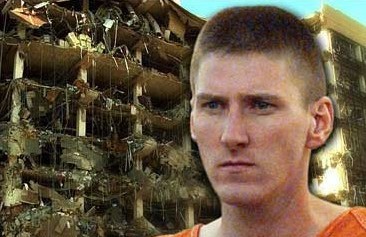 Timothy McVeigh
Mass murderer · USA · 1995
Timothy James McVeigh (April 23, 1968 – June 11, 2001) was a United States Army…
168 victims
Timothy McVeigh
Mass murderer · USA · 1995
Timothy James McVeigh (April 23, 1968 – June 11, 2001) was a United States Army…
168 victims
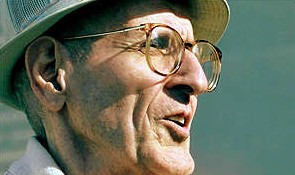 Jack Kevorkian
Homicide · USA · 1990
Jack Kevorkian (born May 26, 1928) was a controversial American pathologist. He…
130 victims
Jack Kevorkian
Homicide · USA · 1990
Jack Kevorkian (born May 26, 1928) was a controversial American pathologist. He…
130 victims
 Julio Gonzalez
Mass murderer · USA · 1990
Julio Gonzalez was sentenced to 174 twenty-five-year sentences (a total of 4,35…
87 victims
Julio Gonzalez
Mass murderer · USA · 1990
Julio Gonzalez was sentenced to 174 twenty-five-year sentences (a total of 4,35…
87 victims
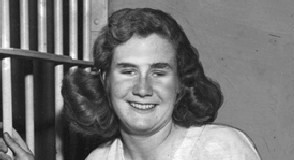 Beulah Louise Overell
Homicide? · USA · 1947
Beulah Louise Overell was charged with the homicide of her parents after a yach…
2 victims
Beulah Louise Overell
Homicide? · USA · 1947
Beulah Louise Overell was charged with the homicide of her parents after a yach…
2 victims
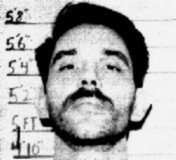 Richard Huffman
Murderer · USA · 1984
Richard Huffman met Golden in the context of Huffman’s longtime friends, Herb U…
1 victim
Richard Huffman
Murderer · USA · 1984
Richard Huffman met Golden in the context of Huffman’s longtime friends, Herb U…
1 victim
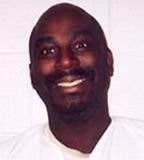 Gregory Thompson
Murderer · USA · 1985
Gregory Thompson was diagnosed with undifferentiated schizophrenia, delusions a…
1 victim
Gregory Thompson
Murderer · USA · 1985
Gregory Thompson was diagnosed with undifferentiated schizophrenia, delusions a…
1 victim
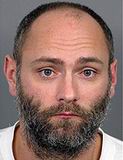 Jason Hann
Murderer · USA · 1999
Jason Hann was convicted of killing his 2-month-old daughter, Montana, and also…
2 victims
Jason Hann
Murderer · USA · 1999
Jason Hann was convicted of killing his 2-month-old daughter, Montana, and also…
2 victims
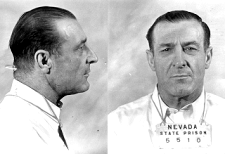 Eugene Leo Gambetta
Murderer · USA · 1948
Eugene Leo Gambetta Eugene Leo Gambetta was executed in Nevada State Prison on…
1 victim
Eugene Leo Gambetta
Murderer · USA · 1948
Eugene Leo Gambetta Eugene Leo Gambetta was executed in Nevada State Prison on…
1 victim
- Gender
- male
- Country
- USA
- Location
- Bridge City, Louisiana, USA
- Date of birth
- 1980
- Age at first offence
- 17
- Characteristics
- juvenile (17), history of mental illness
- Victim profile
- Tommy Vanhoose (grocery store owner)
- Method of murder
- Shooting
- Date(s) of murder
- April 7, 1997
- Years active
- 1997
- Date of arrest
- —
- Status
-
Released
All charges dismissed on 9 August 2004; bond and conviction were vacated following prosecutors’ request; previously sentenced to death in 1999 and released in June 2004 on bond while awaiting a new trial
Background
Ryan Matthews was an African American juvenile who was 17 years of age at the time of his arrest for the April 7, 1997 murder of Bridge City grocer Tommy Vanhoose.
The offence
On April 7, 1997, a masked gunman shot Tommy Vanhoose to death in the grocery store he owned in Bridge City, near New Orleans, Louisiana. Witnesses saw a sole masked gunman walk into the store and demand money at gunpoint. Upon Mr. Vanhoose’s refusal, the gunman shot him several times. According to witnesses, the gunman then ran out of the store and continued shooting before jumping through the open passenger side window of a waiting car. The gunman discarded the ski mask as he drove away.
The well-liked owner of Comeaux’s Grocery, Vanhoose was shot four times with a .38-caliber revolver during a bungled robbery attempt and bled to death.
Investigation
A witness picked up the ski mask and handed it to the police.
No physical evidence connected Matthews to the crime. DNA tests on saliva and skin cells found on the ski mask excluded him and matched another convicted felon, Mr. Rondell Love.
The DNA evidence was corroborated by alleged jailhouse confessions from Mr. Love. James Harrison, an inmate at Jefferson Parish Correctional Centre, came forward to Matthews’ attorneys to tell of Mr. Love’s confession to the murder of Mr. Vanhoose.
Eyewitnesses saw the perpetrator leave the shop and jump through the passenger window of a waiting car.
The police arrested Matthews later that evening in a car matching the description of the getaway car; however, the passenger side window could not be wound down and had been broken for as long as anyone could remember, so Matthews’ car could not have been the car used in the shooting.
Arrest
Matthews was arrested later on April 7, 1997, in a car matching the description of the getaway car.
Trial
Matthews was convicted of the murder of Mr. Vanhoose.
Jury and trial process
The trial raised questions and concerns of possible innocence, compounded by evidence of mental retardation. Issues of race permeated the trial. In selecting the jurors, the state secured a predominantly white jury with eleven white members and only one African American. Approximately one third of the population in the county in which the trial was conducted is from a minority. The jury was unrepresentative of the racial makeup of the county.
Concerns were also raised as to the pressure placed upon the jury to reach a verdict and the rushed manner in which the trial was conducted. The trial lasted only three days. On the second day the State presented evidence until 10pm at night. The defense moved to rest; the judge denied the request, instead ordering the prosecution and defense to make their closing statement. The defense then moved to rest again, which similarly was denied.
The jurors were sent to deliberate. At 4.20 am the jury sent a note to the judge stating that they were unable to reach a verdict. The judge ordered them to continue. Just 40 minutes later at 5am the jury returned a verdict of guilty.
The conviction and death sentence were based on the word of two eyewitnesses and evidence that included the ski mask DNA that excluded Matthews.
Date of proceedings
The trial segment included: “The Trial On May 6, 1999”.
Sentencing
Matthews was sentenced to death by lethal injection by a unanimous Jefferson Parish jury.
Appeals
Concerns have also been raised as to pressure placed upon the jury and the rushed manner in which the trial was conducted.
In April 2004, officials agreed to grant a new trial after DNA tests showed no links to Ryan Matthews on evidence recovered from the murder scene. The tests on a ski mask worn by Vanhoose’s assailant pointed to Rondell Love.
On April 15, 2004, Ryan Matthews was granted a new-trial after DNA evidence indicated that the prosecutors had convicted the wrong man. A new trial was ordered, putting the case back to square one and giving Matthews back the presumption of innocence.
The case also included allegations that prosecutors had suppressed important information about one of their key witnesses during the trial, with District Judge Henry Sullivan scheduling hearings to review the ethics of how Jefferson Parish prosecutors had handled Matthews’ trial in 1999.
Prior hearing and defense motions
On August 12, 2003, defense attorneys argued that one of the Jefferson Parish prosecutors who helped send Ryan Matthews to death row must be removed from the case as it heads into hearings over newly discovered DNA evidence. Assistant District Attorney David Wolfff was said to be a witness in an upcoming hearing.
Judge Henry Sullivan scheduled a hearing on the matter for Aug. 28.
Outcome
Evidence developments leading to reversal
IQ tests presented into evidence at trial demonstrated Matthews had an IQ of 71, classifying him as borderline mentally retarded. Mental retardation was described as a disability characterized by significant limitations in intellectual functioning and in adaptive behavior as expressed in conceptual, social and practical adaptive skills, with origination before the age of 18. The AAMR 2002 definition was referenced in the landmark US Supreme Court decision in Atkins v Virginia prohibiting the execution of offenders with mental retardation. It was stated that coexistence of all three elements is not necessary for a diagnosis of mental retardation.
The defense presented evidence that forensic testing of the mask excluded both Matthews and Travis Hayes. A defense expert testified that the car Matthews and Hayes were driving could not have been the getaway car because the passenger side window Matthews allegedly jumped through was inoperable and could not be rolled down. Other witnesses described the shooter as being much shorter than Matthews.
A local resident, Rondell Love, was arrested and pled guilty to a manslaughter related killing of Chandra Conley in the same area. It was stated that Love slashed Chandra Conley’s throat in 1998 and was serving 20 years. DNA testing on evidence from Love’s conviction matched to the ski mask.
The DNA tests were described as making it clear that Matthews did not murder Vanhoose and strongly indicating that Love did.
New trial and bond
Matthews was released in June 2004 on bond while awaiting a new trial. The release occurred after prosecutors received results from DNA tests that showed no trace of Matthews on evidence recovered from the murder scene.
Matthews’ release on bond was described as occurring during an impromptu hearing not listed on the court’s docket before 24th Judicial District Court Judge Henry Sullivan. Pauline Matthews used her life’s savings to post $5,000 of her son’s bond, while others pledged to cover the remaining $100,000 if Ryan failed to show up when called to court.
Matthews may not leave his mother’s home in Gretna and remained charged with first-degree murder in the 1997 shooting death of Bridge City grocer Tommy Vanhoose.
Prosecutors’ request to vacate
In August 2004, prosecutors asked the court to lift the bond and vacate the conviction. On August 9, 2004, the prosecutors asked for the court to lift the bond and vacate the conviction, and “All charges dismissed.” Matthews became the 115th death row inmate to be released.
Aftermath
Matthews was described as one of two people convicted in the Vanhoose murder; Travis Hayes remained in prison, serving life after being convicted at a separate trial, with his case on appeal.
Matthews was mentally retarded and had a seizure disorder, according to his attorneys. It was stated that being home would ensure he received medication on time, which the attorneys said could not be counted on in either prison or jail.
Other details
Identified individuals and associated cases
- Tommy Vanhoose: Bridge City grocer; was shot four times and died.
- Rondell Love: A convicted felon serving a 20-year sentence for manslaughter of Chandra Conley; DNA profile matched to evidence from the Vanhoose murder; it was stated that Love bragged to other inmates about killing Vanhoose.
- Chandra Conley: Her throat was slashed in 1997, and Love was serving 20 years for the manslaughter; Love admitted slashing her throat in 1998.
- James Harrison: An inmate at Jefferson Parish Correctional Centre who came forward to tell of Love’s confession to Matthews’ attorneys.
- Travis Hayes: Another person convicted in the Vanhoose murder; described as serving life after being convicted at a separate trial; his case was on appeal.
- Henry Sullivan: Judge who sentenced Matthews to death in 1999; granted a new trial on April 15, 2004, and addressed bond in 2004.
- Paul D. Connick Jr.: District Attorney whose office consented to bond and home incarceration based on DNA results and later asked the court to lift the bond and vacate the conviction; quoted saying his office “would continue to investigate all the facts and evidence”.
- Steve Wimberly: First Assistant District Attorney who declined to answer questions but said his office would release a statement about Matthews.
- Billy Sothern: Attorney with the Louisiana Crisis Assistance Center and an appellate lawyer for Matthews; quoted about focusing on ending the case.
- Clive Stafford Smith: Matthews’ appellate lawyer; quoted about wrongful conviction and continuing to push for release.
- David Wolfe: Assistant District Attorney mentioned regarding claims that there were “absolutely no merits” to the defense contentions.
- Bob Herbert and Barry Scheck: Barry Scheck was described as a co-founder of the Innocence Project at New York’s Cardozo Law School and was quoted about DNA evidence.
Verbatim quotations from the source
Clive Stafford Smith said: “Our only focus at this point is ending the whole thing so Ryan can move on with his life,” and also said: “At this point, there is no realistic possibility that Ryan Matthews is guilty of this offense,”
Steve Wimberly would answer no questions on the case Tuesday but said the office will release a statement about Matthews today.
David Wolfe said: “absolutely no merits”,
Paul D. Connick’s office said: “would continue to investigate all the facts and evidence” of the case pending a new trial.
Paul D. Connick Jr. said in a formal statement that he was acting “in the interest of justice” because the DNA test results on the ski mask “confirmed the presence of DNA of someone other” than Matthews.
Scheck said: “It’s clear to me that the district attorney’s office is coming to grips with the significance and implications of the DNA evidence, and they are bound to follow the leads,”
Sothern and his co-counsel said that given the current state of the evidence, Matthews should be freed without a retrial, and Sothern added: “We are very glad that Ryan is off death row, and we expect that he will be freed to come home very soon,”
Clive Stafford Smith said: “We are very glad that Ryan is off death row, and we expect that he will be freed to come home very soon,”
Clive Stafford Smith said: “Hopefully they will come to the recognition that there is no case against Ryan. This is a classic case of a wrongful conviction,”
Barry Scheck said: “it is always harder for prosecutors to accept.”
Matthews’ mother Pauline Matthews said: “I can’t believe it,”
Pauline Matthews also said: “If DNA proves guilt, why can’t it prove innocence. Is it so hard [for the prosecutors] to say, ‘I made a mistake?’ I wonder how they would feel if it was one of their children.”
Judge Henry Sullivan said: “The court does not have the authority to hold a bail hearing at this time,” and said: “What I’d like to do is move forward as quickly as possible.”
Pauline Matthews said: “All I want is Ryan to be free. What’s been done, you can’t undo.”
On his identification by eyewitnesses, Sheree Falgout recalled telling the police that the assailant “was not a large person.”
Conviction and charge descriptions preserved
Matthews was described as being convicted of murdering Tommy Vanhoose and sentenced to death in 1999. Matthews was described as having been charged with first-degree murder in the 1997 shooting death of Tommy Vanhoose. After prosecutors sought to vacate, “All charges dismissed.”
Spotted an error, or have more information about this case?