Robert Breton
Murderer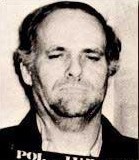 Ervil LeBaron
Murderer · USA · 1972
Ervil Morrell LeBaron (1925 to August 16, 1981) was the leader of a polygamous…
35 victims
Ervil LeBaron
Murderer · USA · 1972
Ervil Morrell LeBaron (1925 to August 16, 1981) was the leader of a polygamous…
35 victims
 Marvin Gray
Murderer · USA · 1975
Marvin Gray was convicted killer who claimed responsibility for 23 slayings and…
23 victims
Marvin Gray
Murderer · USA · 1975
Marvin Gray was convicted killer who claimed responsibility for 23 slayings and…
23 victims
 Charles Manson
Murderer · USA · 1969
Charles Milles Manson (born November 12, 1934) was an American criminal and mus…
9 victims
Charles Manson
Murderer · USA · 1969
Charles Milles Manson (born November 12, 1934) was an American criminal and mus…
9 victims
 Robert Reldan
Murderer · USA · 1974
Name: Robert Reldan Robert Reldan was sentenced to life in prison on two counts…
8 victims
Robert Reldan
Murderer · USA · 1974
Name: Robert Reldan Robert Reldan was sentenced to life in prison on two counts…
8 victims
 Dennis Duane Webb
Murderer · USA · 1973
Defendant: Dennis Duane Webb · Victims: John Rainwater and Lori Rainwater · Cou…
7 victims
Dennis Duane Webb
Murderer · USA · 1973
Defendant: Dennis Duane Webb · Victims: John Rainwater and Lori Rainwater · Cou…
7 victims
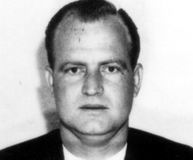 Gary Gene Tison
Murderer · USA · 1967
Gary Gene Tison was serving life sentences at the Arizona state prison. He had…
7 victims
Gary Gene Tison
Murderer · USA · 1967
Gary Gene Tison was serving life sentences at the Arizona state prison. He had…
7 victims
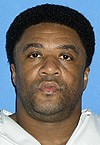 Lonnie Earl Johnson
Murderer · USA · 1990
Lonnie Earl Johnson was executed by lethal injection in Texas on July 24, 2007.…
2 victims
Lonnie Earl Johnson
Murderer · USA · 1990
Lonnie Earl Johnson was executed by lethal injection in Texas on July 24, 2007.…
2 victims
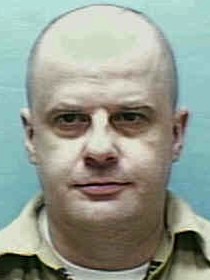 Scott Mink
Murderer · USA · 2000
Scott Andrew Mink (October 13, 1963 - July 20, 2004) lived with his elderly par…
2 victims
Scott Mink
Murderer · USA · 2000
Scott Andrew Mink (October 13, 1963 - July 20, 2004) lived with his elderly par…
2 victims
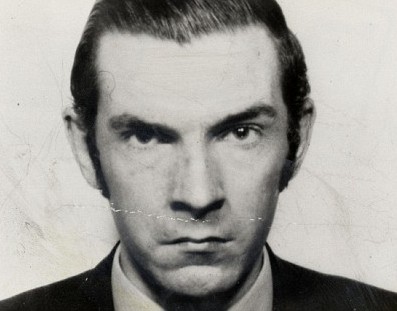 Graham Young
Homicide - Murderer · United Kingdom · 1962
Graham Young was convicted as a “Teacup Poisoner” for poisoning multiple people…
3 victims
Graham Young
Homicide - Murderer · United Kingdom · 1962
Graham Young was convicted as a “Teacup Poisoner” for poisoning multiple people…
3 victims
 John Edward Sansing
Murderer · USA · 1998
John Edward Sansing was convicted in Superior Court (Maricopa) of first-degree…
1 victim
John Edward Sansing
Murderer · USA · 1998
John Edward Sansing was convicted in Superior Court (Maricopa) of first-degree…
1 victim
- Gender
- male
- Country
- USA
- Location
- Waterbury, Connecticut, USA
- Date of birth
- December 10, 1946
- Age at first offence
- 20
- Characteristics
- parricide, domestic violence, rape
- Victim profile
- His father / His ex-wife, JoAnn Breton, 38, and their son, Robert Breton, Jr., 16
- Method of murder
- St abbing with knife
- Date(s) of murder
- 1966 / 1987
- Years active
- 1966–1987
- Date of arrest
- —
- Status
-
Sentenced to death
Sentenced to death on October 27, 1989
Case identification
Robert Breton, Sr.
Status and sentence
Robert Breton, Sr. was sentenced to death on October 27, 1989. He was convicted in 1967 of manslaughter, and the manslaughter sentence was suspended.
The offence
On the early morning of December 13, 1987, Robert Breton, Sr. entered the Waterbury apartment that his ex-wife rented after their divorce 11 months earlier. Robert Breton, Sr. surprised JoAnn Breton while she slept. JoAnn Breton was attacked with a sharp, 5-inch knife and pounded with fists. JoAnn Breton scrambled across the room. Robert Breton, Sr. followed her and killed her by thrusting the knife through her neck, opening a major artery.
Robert Breton, Jr. heard his mother’s screams and ran into her room. Robert Breton, Sr. attacked Robert Breton, Jr. Robert Breton, Jr. tried to escape down a flight of stairs, bleeding from his arms, hands, and fingers. Robert Breton, Sr. pursued him, overtaking him at the bottom of the staircase and continuing the attack. Robert Breton, Jr. bled to death from a wound that severed his carotid artery. Police found Robert Breton, Jr., clad only in his underwear, at the bottom of the stairs, with his head propped against a wall.
Robert Breton, Sr. was convicted of two counts of murder and one count of capital felony for the December 13, 1987 beating and stabbing deaths of his 38-year-old ex-wife, JoAnn Breton, and their 16-year-old son, Robert Breton, Jr.
Investigation
Police investigated the murders of JoAnn Breton and Robert Breton, Jr. At the death penalty hearing, police testified that the victims were covered in blood. Police testimony at the death penalty hearing stated that the killer left bloody shoe prints throughout their apartment.
Trial
Breton was convicted in 1989 of the murders and sentenced to die. The prosecutors tried to show that Robert J. Breton Sr. murdered his ex-wife, JoAnn, and their son, Robert Jr., in an especially heinous and cruel manner. Prosecutors said the two were stabbed several times and their throats were slashed. Prosecutors said the walls and floors were splattered with blood, and witnesses recalled that.
At the death penalty hearing, the state’s position was that it already had been proven that Breton committed the crime. State’s Attorney John A. Connelly said: “we have to show there was an infliction of pain...above and beyond the ordinary that would have produced the killings.”
Sentencing and penalty phase
In the early history of the case, Robert Breton, Sr. was convicted in 1967 of manslaughter in the stabbing death of his father. A judge in that case gave Breton a suspended sentence, ruling he may have acted in self-defense.
In the death penalty proceedings after his 1989 conviction, Breton was described as having been convicted in 1989 and sentenced to die. The Connecticut state Supreme Court upheld the conviction but overturned his death sentence, ruling there were ambiguities in the jury’s instructions and in a form used by the jury. The case was sent back to a lower court for a new penalty phase.
A new penalty phase began on Wednesday. The case was heard by a 3-judge panel rather than a jury. Judges Roland Fasano, Christine Vertefeuille, and Richard Damiani were to decide whether Breton should be put to death. State’s Attorney John A. Connelly was once again seeking the death penalty. Connelly was described as having to show the victims died cruelly or in an extraordinarily depraved manner.
Breton’s lawyers in the original trial had sought to show the existence of 13 separate mitigating factors that would have spared their client the death penalty. Many mitigating factors dealt with Breton’s mental state and a history of violence in his family. Defense attorney Barry Butler argued that his client should not be exposed to the death penalty because the state legislature did not specifically say that the murder of a child or the murder of more than 1 person at a time mandates a capital felony hearing.
Barry Butler’s argument was opposed by Connelly’s contention that legislators did not specifically mention those crimes because they were presumed to be offenses that could warant such a hearing.
Appeals and Supreme Court
The Connecticut state Supreme Court upheld the conviction but overturned the death sentence. The Supreme Court ruling stated there were ambiguities in the jury’s instructions and in a form used by the jury. The case was remanded to a lower court for a new penalty phase that began Wednesday.
Outcome
Robert Breton, Sr. His conviction was upheld while his death sentence was overturned on appeal due to ambiguities in jury materials, and the case proceeded to a new penalty phase beginning Wednesday.
Other details
Breton was described as 50 in connection with the death penalty hearing. JoAnn Breton was 38 years old. Robert Breton, Jr. was 16 years old. Robert Breton, Sr. was described as “Robert J. Breton Sr.” in the death penalty hearing account. The location where police found Robert Breton, Jr. was at the bottom of the stairs, with his head propped against a wall. Police found Robert Breton, Jr. clad only in his underwear. Barry Butler was identified as the defense attorney. John A. Connelly was identified as the state’s attorney.

Spotted an error, or have more information about this case?