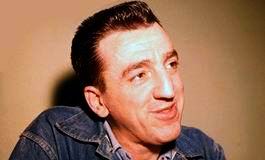
Caryl Chessman
R obber and rapist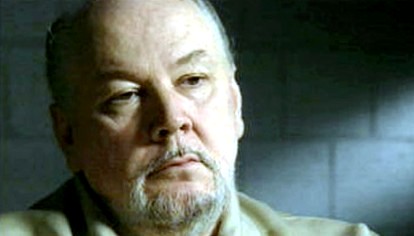 Richard Kuklinski
Serial killer · USA · 1949
Richard “Iceman” Kuklinski was sentenced to life in prison in 1988. He died in…
100 victims
Richard Kuklinski
Serial killer · USA · 1949
Richard “Iceman” Kuklinski was sentenced to life in prison in 1988. He died in…
100 victims
 John Gilbert Graham
Mass murderer · USA · 1955
John “Jack” Gilbert Graham was born on January 23, 1932, at Denver, Colorado. H…
44 victims
John Gilbert Graham
Mass murderer · USA · 1955
John “Jack” Gilbert Graham was born on January 23, 1932, at Denver, Colorado. H…
44 victims
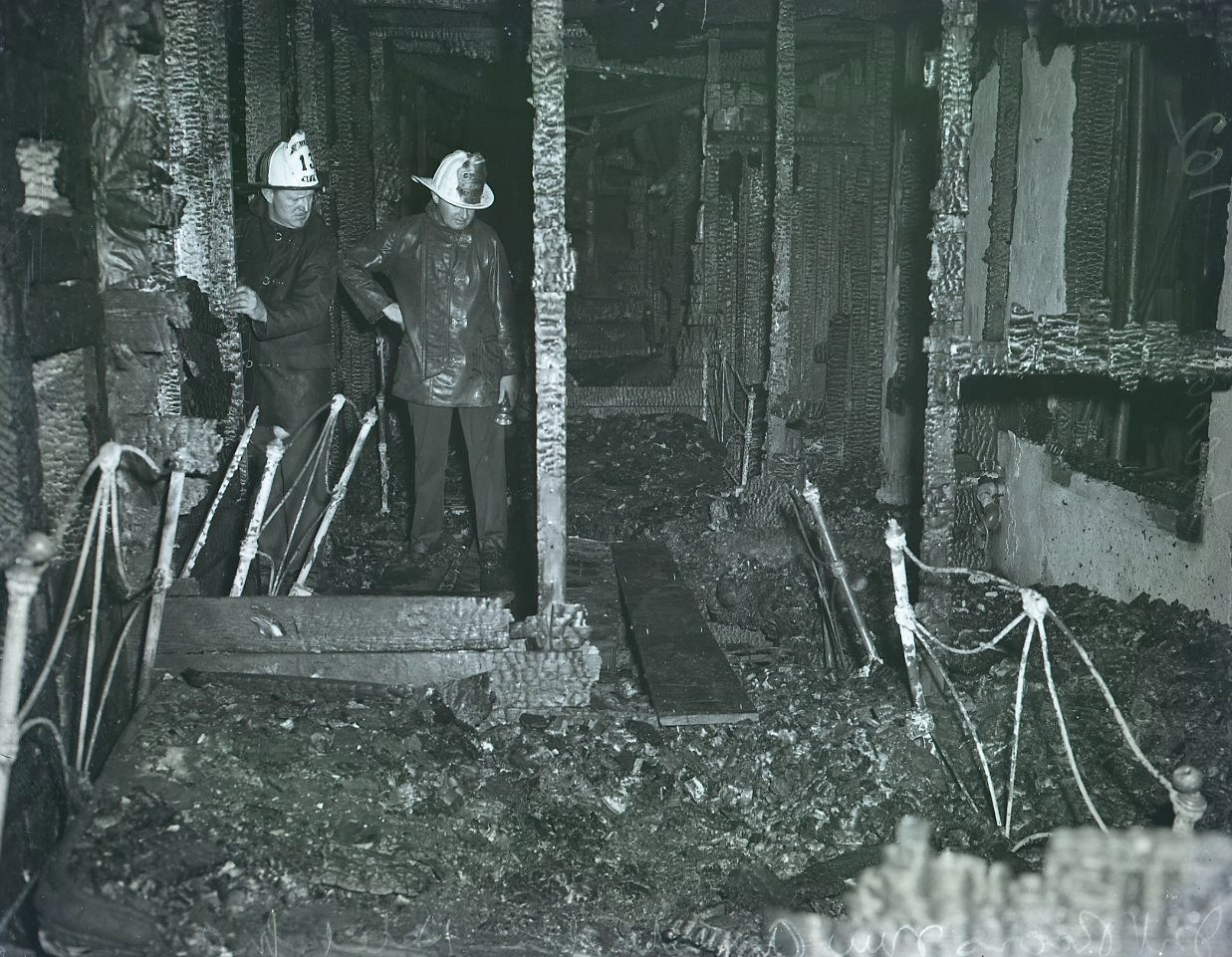 George Holman
Mass murderer · USA · 1944
George Holman was described as a pyromaniac and an arsonist blamed for a deadly…
22 victims
George Holman
Mass murderer · USA · 1944
George Holman was described as a pyromaniac and an arsonist blamed for a deadly…
22 victims
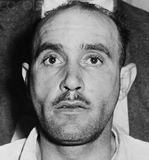 Raymond Fernandez
Serial killer · USA · 1947
Raymond Martinez Fernandez was executed by electrocution at Sing Sing prison in…
17 victims
Raymond Fernandez
Serial killer · USA · 1947
Raymond Martinez Fernandez was executed by electrocution at Sing Sing prison in…
17 victims
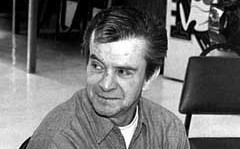 Carroll Edward Cole
Serial killer · USA · 1948
Carroll Edward Cole, also known as “Eddie,” was born in Sioux City, Iowa on May…
15 victims
Carroll Edward Cole
Serial killer · USA · 1948
Carroll Edward Cole, also known as “Eddie,” was born in Sioux City, Iowa on May…
15 victims
 Kenneth Wilson
Murderer · USA · 1993
Kenneth L. Wilson was put to death by injection at the Greensville Correctional…
1 victim
Kenneth Wilson
Murderer · USA · 1993
Kenneth L. Wilson was put to death by injection at the Greensville Correctional…
1 victim
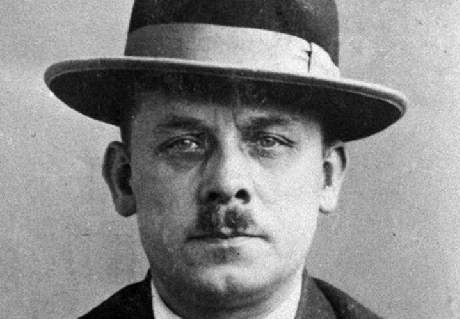 Friedrich Haarmann
Serial killer · Germany · 1918
Friedrich "Fritz" Haarmann (October 25, 1879 – April 15, 1925) was a serial kil…
27 victims
Friedrich Haarmann
Serial killer · Germany · 1918
Friedrich "Fritz" Haarmann (October 25, 1879 – April 15, 1925) was a serial kil…
27 victims
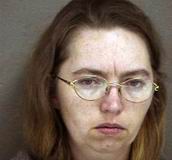 Lisa Montgomery
Murderer · USA · 2004
Lisa Marie Montgomery (born February 27, 1968) was an American woman from Melve…
1 victim
Lisa Montgomery
Murderer · USA · 2004
Lisa Marie Montgomery (born February 27, 1968) was an American woman from Melve…
1 victim
 Mark Andrew Fowler
Murderer · USA · 1985
Mark Andrew Fowler was executed by lethal injection in Oklahoma on January 23,…
3 victims
Mark Andrew Fowler
Murderer · USA · 1985
Mark Andrew Fowler was executed by lethal injection in Oklahoma on January 23,…
3 victims
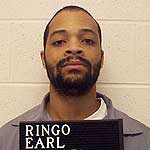 Earl Ringo
Murderer · USA · 1998
Earl Ringo, Jr. was a prisoner under sentence of death in the State of Missouri…
2 victims
Earl Ringo
Murderer · USA · 1998
Earl Ringo, Jr. was a prisoner under sentence of death in the State of Missouri…
2 victims
 Billy Ray Hamilton
Murderer · USA · 1980
Billy Ray Hamilton died on October 22, 2007. He was convicted of murder in thre…
3 victims
Billy Ray Hamilton
Murderer · USA · 1980
Billy Ray Hamilton died on October 22, 2007. He was convicted of murder in thre…
3 victims
- Gender
- male
- Country
- USA
- Location
- Los Angeles County, California, USA
- Date of birth
- May 27, 1921
- Age at first offence
- 26
- Characteristics
- rape, robbery, kidnapping, fugitive, history of mental illness, to avoid arrest
- Victim profile
- Men and women
- Method of murder
- —
- Date(s) of murder
- 1947
- Years active
- 1947
- Date of arrest
- January 1948
- Status
-
Executed
Executed by asphyxiation-gas at San Quentin Prison on May 2, 1960
Overview
Caryl Whittier Chessman (May 27, 1921 in St. Joseph, Michigan – May 2, 1960 at San Quentin Prison) was a convicted robber and rapist who gained fame as a death row inmate in California. His case attracted world-wide attention and became a cause célèbre for the movement to ban capital punishment.
Timeline
- July 1948 — Chessman was convicted on seventeen counts of robbery, kidnapping and rape and condemned to death.
- February 19, 1960 — Edmund G. “Pat” Brown issued a last-minute, 60-day stay of execution.
- April 1960 — Brown’s stay of execution, along with Chessman’s last appeals, ran out and Brown declined to grant Chessman executive clemency.
- May 2, 1960 — Chessman was pronounced dead a few minutes after the execution proceeded at San Quentin Prison.
Background
Chessman was described as having a long record and having spent most of his adult life behind bars. He had been paroled a short time from prison in California when he was arrested near Los Angeles and charged with being the notorious “Red Light Bandit.”
Chessman became widely known as a death row inmate in California. His writing and public campaigning helped make his case a household name in the United States. During his twelve years on death row, he wrote four books.
The Bandit and method
Chessman was known to approach victims in “Lovers Lane” spots and flash a red light resembling that used by police in order to stop motorists. He followed people in their cars to secluded areas and used the red light to trick them into thinking he was a police officer. When victims opened their windows or exited the vehicle, he robbed them and, in the case of several young women, raped them.
The offences
Chessman was charged with the entire crime spree attributed to the Bandit. The material stated that in some cases evidence strongly pointed to Chessman. Two women testified that he had robbed and sexually assaulted them by making them perform fellatio after they had persuaded him not to rape them.
The material also described a dispute about whether the “Red-Light Bandit” was a single person. It stated that many claimed it was a useful moniker used to describe the acts of a number of criminals.
Chessman was convicted as the “Red Light Bandit” for the kidnap and rape of one Mary Alice Meza. The material said that in some cases two counts alleged that he dragged a woman a short distance from her car before raping her, and that the court considered the movement sufficient to qualify as kidnapping.
Investigation and arrest
Chessman was arrested near Los Angeles after he had been paroled a short time from prison in California. He was charged with being the notorious “Red Light Bandit.”
Trial
Acting as his own attorney, Chessman asserted his innocence from the outset. He argued throughout the trial and the appeals process that he was alternately the victim of mistaken identity or a much larger conspiracy seeking to frame him for a crime he did not commit. The material stated that he claimed at other times to know who the real culprit was but refused to name him.
Chessman alleged that statements he made during his initial police interrogation implicating him in the Red Light Bandit crimes were coerced through torture.
The material stated that a jury convicted Chessman on seventeen counts of robbery, kidnapping and rape in July 1948 and condemned him to death. It also stated that the jury determined that one of the kidnapping counts included bodily harm of the victim. The jury did not recommend mercy, so the death sentence was automatically applied.
The material described controversy over how the death penalty was applied. It stated that under California’s version of the “Little Lindbergh Law,” any crime that involved kidnapping with bodily harm could be considered a capital offense. It stated that two counts alleged he dragged a woman a short distance from her car before raping her, and that despite the short distance the court considered it sufficient to qualify as kidnapping, making Chessman eligible for the death penalty.
Appeals
Chessman filed dozens of appeals over the twelve years he spent on death row and managed to avoid eight execution deadlines, often by mere hours. He appealed his conviction primarily on the grounds that the original trial was improperly conducted and that subsequent appeals were seriously hampered by incomplete and incorrect transcripts of the original trial proceedings.
The appeals were successful, and the U.S. Supreme Court ordered the State of California to either conduct a full review of the transcripts or release Chessman. The material stated that the review concluded the transcripts were substantially accurate and that Chessman was scheduled to die in February 1960.
Sentencing and executive decisions
The material stated that Edmund G. “Pat” Brown was in a difficult situation because he was described as an opponent of the death penalty. It stated that Brown initially did not intervene but later issued a last-minute, 60-day stay of execution on February 19, 1960, just hours before Chessman’s scheduled execution. Brown’s reason for the stay was described as concern that Chessman’s execution could threaten the safety of President Dwight D. Eisenhower during a planned visit to South America, where the Chessman case had inflamed anti-American sentiment.
The material described how California repealed the “Little Lindbergh Law” in 1954 or 1955 and converted the death sentences of those convicted under its statutes to terms of life in prison, while stating that Chessman’s sentence was never repealed. It stated that his sentence was upheld and that Brown refused to grant clemency. Brown’s stay and Chessman’s last appeals ran out in April 1960, and Brown subsequently declined to grant executive clemency.
Execution
A last-minute attempt to file a writ of habeas corpus with the California Supreme Court was exhausted. The material stated that Chessman finally went to the chamber on the morning of May 2, 1960.
As the lethal gas was rising in the gas chamber at San Quentin Prison, a phone in the execution room rang; the secretary from a U.S. district judge’s office called with a ninth stay of execution after a misdial on her first attempt. It stated that because hydrogen cyanide gas inside the chamber was already at a lethal concentration, opening the chamber’s door would have been deadly for witnesses and prison officials. The material stated that Chessman was pronounced dead just a few minutes later.
The material described an arrangement involving a reporter and Chessman: Chessman agreed to nod his head if the execution procedure was painful. The material stated that Chessman nodded several times before the gas took effect.
People
- Caryl Whittier Chessman — defendant; convicted on seventeen counts of robbery, kidnapping and rape; condemned to death; executed at San Quentin Prison.
- Mary Alice Meza — victim named as the one for whose kidnap and rape Chessman was convicted.
- Edmund G. “Pat” Brown — described as then-governor of California; issued a 60-day stay of execution on February 19, 1960; declined to grant clemency; later declined executive clemency.
- George T. Davis — Chessman’s defence lawyer.
- Dwight D. Eisenhower — president referenced in relation to Brown’s stated reason for issuing the stay.
- Aldous Huxley — named as a supporter who engaged in appeals for clemency.
- Ray Bradbury — named as a supporter who engaged in appeals for clemency.
- Norman Mailer — named as a supporter who engaged in appeals for clemency.
- Robert Frost — named as a supporter who engaged in appeals for clemency.
- Eleanor Roosevelt — named as a supporter who engaged in protests to halt Chessman’s execution.
- William Inge — named as a supporter.
- Dwight MacDonald — named as a supporter.
- Christopher Isherwood — named as a supporter.
- Carey McWilliams — named as a supporter.
- Billy Graham — named as an evangelist preacher who supported Chessman’s fight against execution.
- Wenzell Brown — described as Chairman of the American Writers Committee; wrote: “Chessman is guilty of other crimes, to wit, robbing bordellos and gambling dens operating in California. However, justice cannot be served by convicting a man of one crime because he committed another.”
- Richard Bevan — named at the end of the provided material.
Publications and quotes
The material stated that while on death row Chessman wrote four books and that his memoirs became bestsellers.
It described specific titles: In Cell 2455 Death Row (1954), Trial by Ordeal, The Kid Was A Killer, and The Face of Justice, completed in secret and just hours before his death. It also stated that in Cell 2455 Death Row he implied he once killed a man, though he was never prosecuted or convicted for this.
The material included a quote from Chessman describing him to the authorities:
“a justice-mocking, lawless legal Houdini and agent provocateur assigned by the Devil (or was it the Communists?) to foment mistrust of lawfully constituted Authority.”
The material included a quote from George T. Davis:
“California was determined never to give him a retrial,”
“Our only hope was to get the case into a federal court.”
Davis about California’s attitude:
“The state of California's attitude then is like President Bush's now,”
“That is, 'well, he got his trial, so let's carry out the sentence'. No-matter what. Expediency is all they were interested in.”
Other details
The material stated that Chessman never had his sentence repealed even after California repealed the “Little Lindbergh Law” in 1954 or 1955.
It also stated that before becoming famous as a country music star, Merle Haggard served time with Chessman in San Quentin. Chessman was mentioned on the Genesis album The Lamb Lies Down on Broadway and referenced in the album notes of I Ain’t Marching Anymore, with Phil Ochs referencing Chessman as part of the inspiration for his song Iron Lady. The 1977 movie Kill Me If You Can, with Alan Alda, was said to be based on Chessman’s story. The material stated that in the song “Done Too Soon” written by Neil Diamond, Chessman was listed along with several other famous individuals.
The material also stated that Chessman’s written work and public support led to significant royalties and attention on the politics of the death penalty in the United States.
Spotted an error, or have more information about this case?