Jurijus Kadamovas
Serial killer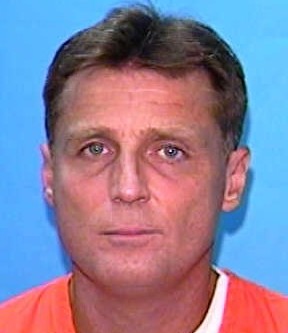 Glen Edward Rogers
Serial killer · USA · 1993
Glen Edward Rogers was a spree killer whose cross-country rampage in 1994-95 le…
70 victims
Glen Edward Rogers
Serial killer · USA · 1993
Glen Edward Rogers was a spree killer whose cross-country rampage in 1994-95 le…
70 victims
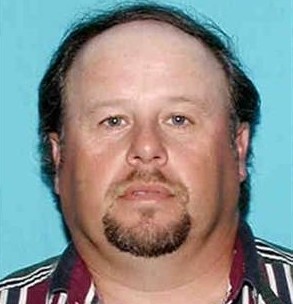 Ronald Dominique
Serial killer · USA · 1997
Ronald Joseph Dominique (born 1964) was an American serial killer from the Bayo…
23 victims
Ronald Dominique
Serial killer · USA · 1997
Ronald Joseph Dominique (born 1964) was an American serial killer from the Bayo…
23 victims
 Jeremy Jones
Serial killer · USA · 1992
Name: Jeremy Jones · Aliases/identities mentioned: John Paul Chapman · Age (as…
21 victims
Jeremy Jones
Serial killer · USA · 1992
Name: Jeremy Jones · Aliases/identities mentioned: John Paul Chapman · Age (as…
21 victims
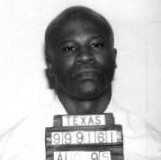 Desmond Jennings
Serial killer · USA · 1993
Desmond Jennings declined to make a last statement. Texas Attorney General John…
20 victims
Desmond Jennings
Serial killer · USA · 1993
Desmond Jennings declined to make a last statement. Texas Attorney General John…
20 victims
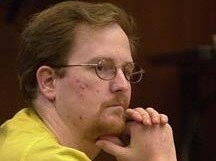 John Eric Armstrong
Serial killer · USA · 1992
John Eric Armstrong was a former USS Nimitz sailor of Dearborn Heights, Michiga…
18 victims
John Eric Armstrong
Serial killer · USA · 1992
John Eric Armstrong was a former USS Nimitz sailor of Dearborn Heights, Michiga…
18 victims
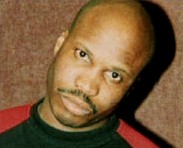 Maury Troy Travis
Serial killer · USA · 2001
Maury Troy Travis (born October 25, 1965; died June 10, 2002) was an American s…
17 victims
Maury Troy Travis
Serial killer · USA · 2001
Maury Troy Travis (born October 25, 1965; died June 10, 2002) was an American s…
17 victims
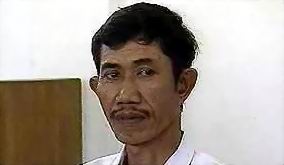 Ahmad Suradji
Serial killer · Indonesia · 1986
Ahmad Suradji (born 10 January 1949) was a serial killer in Indonesia. He was a…
42 victims
Ahmad Suradji
Serial killer · Indonesia · 1986
Ahmad Suradji (born 10 January 1949) was a serial killer in Indonesia. He was a…
42 victims
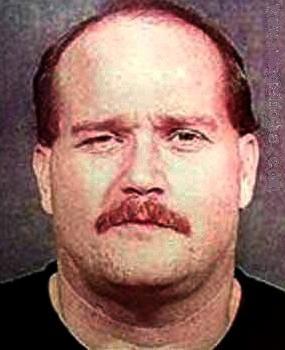 Buford Furrow
Murderer · USA · 1999
Buford O'Neal Furrow, Jr. (born November 25, 1961) perpetrated the August 1999…
1 victim
Buford Furrow
Murderer · USA · 1999
Buford O'Neal Furrow, Jr. (born November 25, 1961) perpetrated the August 1999…
1 victim
 Sinedu Tadesse
Murderer · USA · 1995
Sinedu Tadesse (1974 - May 28, 1995) was a junior at Harvard University when sh…
1 victim
Sinedu Tadesse
Murderer · USA · 1995
Sinedu Tadesse (1974 - May 28, 1995) was a junior at Harvard University when sh…
1 victim
 John Dewberry
Homicide · USA · 1994
Defendant: John Curtis Dewberry Victim: Elmer Rode Jurisdiction/Court: Texas Co…
1 victim
John Dewberry
Homicide · USA · 1994
Defendant: John Curtis Dewberry Victim: Elmer Rode Jurisdiction/Court: Texas Co…
1 victim
- Gender
- male
- Country
- USA
- Location
- California, USA
- Date of birth
- 1966
- Age at first offence
- 35
- Characteristics
- kidnapping, kidnappings, torture
- Victim profile
- Meyer Muscatel, 54 / Rita Peckler, 39 / Alexander Umansky, 35 / George Safiev, 37 / Nick Kharabadze, 29
- Method of murder
- Shooting
- Date(s) of murder
- 2001 - 2002
- Years active
- 2001–2002
- Date of arrest
- February 2002
- Status
-
Sentenced to death
Sentenced to death on March 12, 2007
Case overview
Jurijus Kadamovas (1966-) was on federal death row. Iouri Mikhel (1965- or 1965-), also on federal death row, was sentenced to death alongside Kadamovas. Prosecutors sought the death penalty under murder during a hostage-taking (18 U.S.C. 1203). The case involved five kidnapping for ransom related murders that prosecutors said occurred over a four-month period beginning in late 2001.
The offence
The kidnappers demanded ransom and, prosecutors said, killed the hostages regardless of whether ransoms were paid. The kidnappers tied the bodies with weights and dumped them in a reservoir near Yosemite National Park (New Melones Reservoir). Prosecutors described the victims as killed after ransom calls and ransom demands, and as killed even though some families and friends made payments.
Prosecutors alleged the crew demanded a total of more than $5.5 million from relatives and associates, and eventually collected more than $1 million from victim’s relatives, including a total of $1.2 million mentioned in later accounts. Prosecutors said the kidnappers used much of the money to buy new vehicles and mink coats for their girlfriends. In court documents, prosecutors said one of the kidnappers boasted that the group would continue its money-making plan until the bodies dropped in the reservoir near Yosemite National Park were “stacked on top of each other.”
Victims and ransom payments
The victims included:
- George Safiev (37), a wealthy Russian banking mogul associated with Matador Media, who was said to have moved to Los Angeles.
- Nick Kharabadze (29), Safiev’s business partner.
- Rita Pekler (39), Safiev’s accountant for Matador Media.
- Meyer Muscatel (54), a wealthy San Fernando Valley home builder.
- Alexander Umansky (35), who ran a car stereo and electronics store and who owned a car accessory business that once employed Krylov.
All were killed and their bodies were dumped in the New Melones Reservoir / reservoir near Yosemite National Park. Prosecutors said the kidnappers suffocated five victims, weighted their bodies, and dumped them in the New Melones Reservoir. Investigators said four corpses were held down with gym weights and had been so deeply submerged that police divers had to use a robotic vehicle to recover them, while the other body had floated to the surface earlier when its weights slipped off.
Alleged method and preparations
During the scheme, prosecutors said Mikhel used $2,500 to put a down payment on two Doberman pinschers to guard his house. Prosecutors said, at trial, they intended to present tape recordings of ransom calls, the DNA of two victims collected from handcuffs, and shoes matched to a bloody footprint found on a bridge near the New Melones Reservoir.
After arrests, authorities said Mikhel’s home contained a safe with four sets of handcuffs; two sets had the DNA of Safiev and Kharabadze on them, and there were two boxes of a prescription sedative and a syringe. Prosecutors alleged Pekler and Muscatel had the drug in their systems at the time of their deaths. Authorities also said stun guns, a Taser gun, a silencer and multiple handguns and rifles were found.
Investigation
Authorities learned the location of the bodies after arresting a coconspirator who later pleaded guilty to charges related to the case. Ainar Altmanis was described as the man who led investigators to the submerged bodies. His sentencing marked the end of a six-year probe into the killings of four wealthy Russian immigrants and a U.S. businessman in late 2001 and early 2002. Investigators said the kidnappings continued to demand money from families and business associates even after victims were killed.
A court noted prosecutors’ attempts to keep the jurors’ identities secret and referenced that the defendants committed the crimes within the structure of a violent Russian criminal organization. Prosecutors said the men had international connections and ordered victims to transfer money to accounts in the Middle East and Eastern Europe. An alleged Siberian cohort accused of laundering some of the ransom money was considered a fugitive by the FBI.
In pre-trial proceedings, prosecutors and defense attorneys declined to comment about the case, but indictment allegations described the kidnappings as having occurred over a frenzied four-month period beginning in late 2001. Authorities suspected the ring had links to Russian organized crime, but it was stated that prosecutors would not raise that issue during trial because no related charges had been filed. The judge barred prosecutors from mentioning allegations about Mikhel and Kadamovas being involved in abductions and killings of Russian businessmen in Cypress and Turkey to jurors.
Arrest and co-defendants
A trial in federal court began with jury selection for two men accused of orchestrating the crimes. Prosecutors sought death penalties for Iouri Mikhel and Jurijus Kadamovas. A third defendant, Petro Krylov, was scheduled for trial in January and also faced the death penalty. Three other co-conspirators had pleaded guilty to similar charges. One co-conspirator described as Kadamovas’s girlfriend was expected to testify during Kadamovas’s trial.
The girlfriend identified in the accounts was Natalya Solovyeva. Solovyeva lured a victim to a Los Angeles bar where he was abducted and then forced to contact another man who was also kidnapped. Solovyeva was described as the girlfriend of Jurijus Kadamovas.
Authorities said another co-conspirator was cooperating with investigators, and that two other suspects, including Kadamovas’s girlfriend, were cooperating with investigators.
Trial
A rare federal death penalty trial began for two accused of Yosemite kidnappings and murders, with jury selection starting Tuesday and testimony expected to start in September. Iouri Mikhel and Jurijus Kadamovas pleaded not guilty to charges including conspiracy and hostage-taking resulting in death. Petro Krylov (33) also denied allegations and was scheduled for trial in January.
Prosecutors argued that regardless of whether the ransom money was paid, each of the defendants’ victims met the same fate and that the defendants “brutally murdered each one of them.” Prosecutors said that the scheme began when Mikhel and Kadamovas targeted George Safiev. After several failed abduction attempts, the kidnappers turned their attention to Meyer Muscatel. Prosecutors said Mikhel posed as an investor and lured Muscatel into what was billed as a business meeting in October 2001, and that kidnappers killed Muscatel after they were unable to get money from his bank accounts. Prosecutors said his body was weighted down and dumped over a bridge along the reservoir and discovered a few days later with hands bound and a plastic bag over the head.
Prosecutors said Safiev’s accountant Rita Pekler was abducted and killed two months later when she was unable to lead the crew to Safiev. Prosecutors said Alexander Umansky was killed after his family paid more than $230,000 for his release. Prosecutors said the crew sought even more money after his death and promised he would be returned alive. Prosecutors said Safiev was snared in early 2002 after business partner Nick Kharabadze was abducted and forced to arrange a meeting with Safiev. Prosecutors said another business associate transferred $960,000 to a bank account controlled by the kidnappers, and that Safiev and Kharabadze were killed and dumped into the reservoir after being told they would be left alive at a motel.
A pre-trial statement attributed to Assistant U.S. Attorney Susan DeWitt said:
"Regardless of whether the ransom money defendants demanded was paid or not, each of the defendants' victims met the same fate," prosecutors said in court documents. "Defendants brutally murdered each one of them."
Sentencing
On March 12, 2007, Jurijus Kadamovas and Iouri Mikhel were sentenced to death.
In the accounts that followed, the court also addressed sentencing of other defendants connected to the scheme:
- Ainar Altmanis (48, Latvian citizen) pleaded guilty to three counts of hostage-taking resulting in death and one conspiracy charge. He was sentenced to 23 years and 4 months in federal prison. At sentencing, he said in Russian through a court translator while looking at family members of the victims:
- Natalya Solovyeva was sentenced to 15 years in federal prison for her role in the scheme. She pleaded guilty to two counts of hostage-taking resulting in death and one conspiracy charge. Before being sentenced, she said in English:
- Ruven Umansky, father of victim Alexander Umansky, said:
"This man should suffer more than my son,"
"He should stay in prison the rest of his life."
"I would like to say over and over again how sorry I am for what I did. I am sorry for all the victims,"
"I know I made a terrible choice I will regret for all my life."
"I got totally confused in this life,"
"The life of the person I have become, I do not want it. Please forgive me." After sentencing, it was stated he wept and apologized repeatedly at sentencing.
In addition, it was described that Solovyeva was promised a new BMW if she aided in the kidnappings, and that U.S. District Judge S. James Otero noted that two victims would “probably be alive today” had she not taken part. The judge’s comments were included in the account.
Other details: background and organization allegations
Defense attorneys said they would appeal the ruling. A newspaper quoted defense as saying during the trial that the clients had grown up under a Communist regime and became criminals in order to survive.
One of Mikhel’s defense lawyers, Dale Rubin, said he didn’t want to discuss the evidence outside of court:
"We'll be fighting tooth and nail at trial," In court papers seeking that jurors’ identities be kept secret, prosecutors stated the defendants “committed the horrendous crimes at issue within the structure of a violent Russian criminal organization.”
The pre-trial accounts said Kadamovas told a victim in a recorded conversation that the kidnapping had been ordered by his “bosses.” Prosecutors also alleged that the men were planning additional trips to Aspen, Colo., and to a boat show in Florida to find more victims. It was stated that prosecutors sought only 11 years for Solovyeva because she had cooperated in two previous trials, and that her attorneys portrayed her as a victim in the thrall of Kadamovas. Prosecutors said Kadamovas and Mikhel were responsible for at least two other killings, one in Turkey and one in Cyprus.
Authorities learned of the location of the bodies after arresting a coconspirator who later pleaded guilty to charges related to the case. The victims’ bodies were dumped at the New Melones Lake / New Melones Reservoir in the lower Sierra Nevada foothills, about 60 miles west of Yosemite.
Spotted an error, or have more information about this case?